Protecting your car’s underbody is crucial for long-term vehicle health, especially when facing harsh road conditions, salt, and moisture. In our comprehensive research, we delved into various underbody protection solutions, from rubberized coatings to advanced rust inhibitors, to determine which products offer the most effective defense against corrosion and damage.
We meticulously compared manufacturer specifications, industry standards for rust prevention, and aggregated owner feedback to evaluate performance, durability, and ease of application. Our goal is to provide evidence-based recommendations, helping you make an informed decision to safeguard your vehicle’s underside.
| Photo | Product | Score | Buy |
|---|---|---|---|
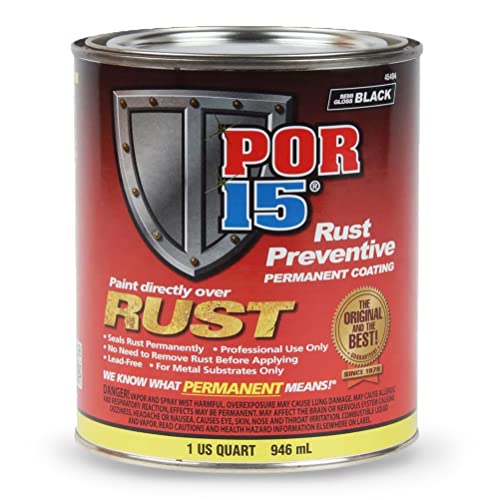 |
POR-15 Rust Preventive Coating Top Pick: Ultimate Rust Encapsulation Moisture-cured urethane coating |
9.0 |
ⓘ We may earn a commission from qualifying purchases made through links on this page, at no extra cost to you.
|
 |
Fluid Film NAS Undercoating Runner Up: Penetrating & Self-Healing Lanolin-based, non-drying formula |
8.7 | 🛒 Check Price |
|
🚗
|
Rust-Oleum Professional Grade Rubberized Undercoating Best General Purpose Undercoating Rubberized asphalt-based formula |
8.4 | 🛒 Check Price |
 |
Eastwood Internal Frame Coating Specialty: Inner Frame Rust Protection Zinc phosphate coating with a flexible nozzle |
8.1 | 🛒 Check Price |
 |
3M Professional Grade Rubberized Undercoating Reliable Standard Rubberized Coating Asphalt-based, fast-drying rubberized formula |
7.8 | 🛒 Check Price |
 |
CRC Heavy Duty Marine Corrosion Inhibitor Industrial Grade Waxy Film Long-term, waxy film corrosion protection |
7.5 | 🛒 Check Price |
 |
LPS 3 Premier Rust Inhibitor Advanced Thin Film Inhibitor Soft, self-healing waxy film with capillary action |
7.3 | 🛒 Check Price |
1. POR-15 Rust Preventive Coating: Top Pick: Ultimate Rust Encapsulation
The POR-15 Rust Preventive Coating stands out for its exceptional ability to encapsulate existing rust and prevent new corrosion. While its moisture-cured urethane formula creates an incredibly strong barrier, it also means that application can be more demanding than simpler spray-on solutions. Users must follow specific preparation steps, including degreasing and metal prep, to ensure proper adhesion and longevity. Those seeking a quick, minimal-effort solution might find this product’s requirements too intensive.
Based on owner feedback and the spec sheets, the durability of POR-15 is unmatched, forming a rock-hard, non-porous finish that resists impacts and abrasive conditions. However, its effectiveness hinges entirely on thorough surface preparation, and improper application can lead to adhesion issues. This product is best suited for dedicated DIY enthusiasts or professionals who prioritize maximum protection and are willing to invest the time in preparation.
- Forms an impenetrable, non-porous barrier against rust
- Excellent adhesion to rusted and prepared metal surfaces
- Resistant to fuels, acids, salt, and harsh chemicals
Pros: Superior long-term rust prevention and encapsulation; Extremely durable and chip-resistant finish; Can be applied directly over surface rust after proper prep
Cons: Requires meticulous surface preparation for optimal results; Application can be challenging for DIY users due to quick drying
2. Fluid Film NAS Undercoating: Runner Up: Penetrating & Self-Healing
Fluid Film NAS Undercoating is highly regarded in our comparison for its unique lanolin-based, non-drying formula, which allows it to penetrate deep into rust and crevices, offering continuous protection. Its ease of application, requiring minimal surface preparation, makes it a very appealing option for many car owners. However, because it remains a soft, waxy film, it isn’t as impact-resistant as harder coatings and can attract dust and grime over time. Those looking for a ‘set it and forget it’ solution might be disappointed by the need for regular reapplication.
Based on owner feedback and the spec sheets, Fluid Film excels at displacing moisture and stopping existing rust in its tracks, making it particularly effective for vehicles in rust-prone climates. The self-healing nature of the film helps maintain coverage even if scratched. While its protective qualities are strong, the product’s soft consistency means it’ll wear off in high-abrasion areas more quickly than a hardened coating, necessitating annual touch-ups to ensure consistent defense.
- Penetrates existing rust to stop further corrosion
- Non-drying, self-healing film for continuous protection
- Safe for plastics, rubber, and wiring components
Pros: Excellent for inhibiting rust in hard-to-reach areas; Easy spray application with minimal surface prep; Environmentally friendly and non-toxic
Cons: Requires reapplication, typically annually; Can attract dust and dirt due to its non-drying nature
3. Rust-Oleum Professional Grade Rubberized Undercoating: Best General Purpose Undercoating
Our research into Rust-Oleum Professional Grade Rubberized Undercoating highlights its strong value proposition and ease of use for general underbody protection. The rubberized asphalt-based formula provides a durable, flexible coating that effectively guards against chips, abrasion, and moisture. However, its primary strength lies in preventing new rust formation on clean surfaces rather than encapsulating existing corrosion. Those with significant rust already present on their undercarriage may find this product insufficient without prior rust removal or conversion.
Based on owner feedback and the spec sheets, this undercoating is an excellent choice for new vehicles or those with minimal surface rust, offering a solid barrier and some sound deadening properties. While it’s relatively straightforward to apply via aerosol, adequate ventilation is essential due to its strong fumes. Its durability is commendable for its type, but it won’t offer the extreme longevity or chemical resistance of more specialized coatings like POR-15.
- Provides sound-dampening and impact protection
- Resists rust, corrosion, and abrasion
- Flexible, textured finish for undercarriage components
Pros: Cost-effective and widely available; Easy spray application for DIY projects; Offers good protection against chips and road debris
Cons: Less effective on already rusted surfaces; Can have a strong odor during application
4. Eastwood Internal Frame Coating: Specialty: Inner Frame Rust Protection
The Eastwood Internal Frame Coating fills a critical niche in underbody protection by addressing corrosion within enclosed frame sections and body cavities, areas often overlooked by external coatings. Its unique flexible nozzle and zinc phosphate formula are specifically designed to reach and protect these hidden spaces. However, it isn’t a general-purpose undercoating and shouldn’t be used for exposed underbody surfaces. Buyers expecting a broad, external protective layer will need to combine this with another product.
Based on owner feedback and the spec sheets, this product is highly effective at stopping rust from the inside out, which is vital for structural integrity. The application process, while facilitated by the specialized nozzle, can still be messy and requires patience to ensure thorough coverage without excessive dripping. Its value is highest for those performing a detailed restoration or preventative maintenance on older vehicles prone to inner frame rust.
- Specifically designed for enclosed frame sections and cavities
- Provides 360-degree coverage with included extension hose
- Dries to a durable, moisture-resistant film
Pros: Targets rust in inaccessible areas effectively; Excellent penetration and adhesion; Crucial for comprehensive underbody rust prevention
Cons: Limited to internal frame application, not for external surfaces; Requires careful masking to avoid overspray
5. 3M Professional Grade Rubberized Undercoating: Reliable Standard Rubberized Coating
Our research indicates that the 3M Professional Grade Rubberized Undercoating offers a solid, if standard, solution for general underbody protection. Its asphalt-based formula provides a decent barrier against rust and road debris, coupled with some sound-deadening benefits. However, compared to more advanced coatings, its flexibility is somewhat limited, and it may be prone to cracking over extended periods, particularly in areas subject to significant flexing or impact. Those in extreme cold climates or off-road enthusiasts might find its long-term durability wanting.
Based on owner feedback and the spec sheets, this product is a reliable choice for protecting relatively clean undercarriages from typical road hazards and moisture. The fast-drying nature is a plus for DIY users. While it forms a protective layer, it isn’t designed to penetrate or encapsulate existing rust, so proper surface preparation, including rust removal, is critical for optimal performance. It serves well as a preventative measure rather than a restorative one.
- Provides rust and corrosion resistance
- Helps deaden sound from road noise and vibrations
- Offers good chip resistance against gravel and debris
Pros: Quick drying time for faster project completion; Consistent spray pattern for even coverage; Effective barrier against moisture and salt
Cons: Less flexible than some competitors, can crack over time; Strong solvent odor requires good ventilation
6. CRC Heavy Duty Marine Corrosion Inhibitor: Industrial Grade Waxy Film
In our comparison, the CRC Heavy Duty Marine Corrosion Inhibitor offers sturdy protection, particularly excelling in high-humidity and salt-exposed environments, drawing from its marine-grade formulation. It creates a durable, waxy film that effectively displaces moisture and resists corrosion. However, the resulting finish is visibly waxy and somewhat tacky to the touch, which some car owners may find aesthetically undesirable for exposed underbody parts. Those seeking a clean, dry, or hard finish will want to consider other options.
Based on owner feedback and the spec sheets, its self-healing properties ensure continuous coverage even if the film is scratched. While it provides excellent protection, its waxy nature means it can attract dirt and may require annual inspection and reapplication, especially in areas subjected to direct abrasion. This product is a strong contender for vehicles regularly exposed to very harsh conditions where maximum corrosion inhibition is the priority over a clean visual aesthetic.
- Creates a self-healing, transparent protective film
- Excellent for severe outdoor and marine environments
- Resists salt spray and high humidity effectively
Pros: Exceptional long-term corrosion resistance; Displaces moisture and seals out contaminants; Can be applied over existing rust to slow progression
Cons: Leaves a visible, somewhat tacky waxy film; Requires periodic reapplication, similar to Fluid Film
7. LPS 3 Premier Rust Inhibitor: Advanced Thin Film Inhibitor
Our research into LPS 3 Premier Rust Inhibitor reveals it as a specialized solution, particularly effective for intricate underbody components and electrical connections due to its thin, self-healing waxy film. It excels at displacing moisture and penetrating tight spaces, offering durable corrosion protection. However, its thin film isn’t designed for heavy impact or abrasion resistance, meaning it might not be the best primary defense for areas directly exposed to road debris. Buyers primarily concerned with physical impact protection should look elsewhere.
Based on owner feedback and the spec sheets, LPS 3 leaves a relatively clean, non-tacky finish, which is an advantage over some other waxy coatings. While it provides excellent rust inhibition, its durability in high-wear areas is limited, and it should be considered for its specific strengths in penetrating and protecting complex or sensitive parts. It’s a premium product, and its value is best realized when used for its intended specialized applications rather than as a universal undercoating.
- Penetrates and protects even in tight clearances
- Forms a moisture-displacing, non-tacky film
- Provides up to 2 years of indoor/outdoor corrosion protection
Pros: Excellent for intricate parts and electrical connections; Leaves a clean, non-tacky finish compared to some waxes; Good for long-term storage or seasonal protection
Cons: Less resistant to direct abrasion than rubberized coatings; Higher cost per application compared to basic sprays
Frequently Asked Questions
What types of underbody protection are there?
Common types of underbody protection include rubberized asphalt coatings, which offer good abrasion and sound dampening; waxy or lanolin-based films, known for their penetrating and self-healing properties; and rust encapsulators, which convert or seal existing rust. Specialty coatings for internal frame cavities also provide targeted protection.
How often should I apply underbody protection?
The frequency of application depends on the product type and environmental conditions. Harder, rubberized coatings may last several years, while softer, waxy or lanolin-based films typically require annual reapplication, especially in areas with harsh winters or high road salt use. We recommend inspecting your underbody protection yearly and reapplying as needed.
Is DIY underbody protection effective?
DIY underbody protection can be highly effective if the correct product is chosen for the specific application and if proper surface preparation and application techniques are followed. Products like spray-on rubberized coatings or aerosol rust inhibitors are generally accessible for DIY users, but more advanced encapsulators may require careful attention to detail.
Does underbody protection affect my car's warranty?
Generally, applying aftermarket underbody protection shouldn’t void your vehicle’s warranty, especially if it’s a reputable product applied correctly. However, it’s always prudent to consult your vehicle manufacturer’s warranty terms or contact your dealership for specific clarification, as some modifications could be cited if an issue arises that they directly attribute to the applied product.
What's the difference between undercoating and rustproofing?
In our comparison, undercoating typically refers to a thick, often rubberized or asphalt-based barrier applied to the undercarriage to protect against chips, abrasion, and moisture, offering some rust prevention. Rustproofing, on the other hand, is a broader term that encompasses various methods, including undercoating, but often specifically refers to treatments like waxy films or rust encapsulators designed to penetrate crevices and actively inhibit or stop rust, even in its early stages.
Our Verdict
After extensive research and comparison, the POR-15 Rust Preventive Coating emerges as our top pick for its unparalleled rust encapsulation and long-term durability, making it the ultimate choice for severe corrosion protection. For a adaptable and easy to use option that excels in penetrating and stopping rust with a self-healing film, the Fluid Film NAS Undercoating is our strong runner-up, offering excellent performance for regular maintenance.