Choosing the right tint shade for your car involves balancing privacy, heat rejection, UV protection, and legal compliance. We also evaluated owner feedback on installation ease, durability, and real-world appearance. This guide presents seven top options across various VLT levels and budgets, from high-performance ceramic films to value-oriented dyed tints.
| Photo | Product | Score | Buy |
|---|---|---|---|
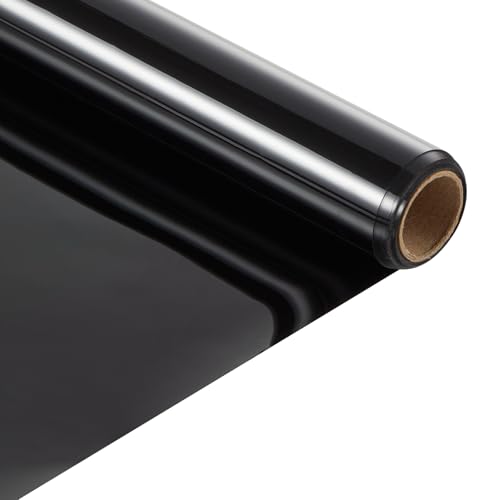 |
3M Crystalline Series Best Overall Ceramic Tint VLT: 70% to 5% | IR rejection: | UV protection: 99.9% |
9.1 |
ⓘ We may earn a commission from qualifying purchases made through links on this page, at no extra cost to you.
|
 |
LLumar IRX Series Best Value Ceramic Tint VLT: 50% to 5% | IR rejection: | UV protection: 99% |
8.7 | 🛒 Check Price |
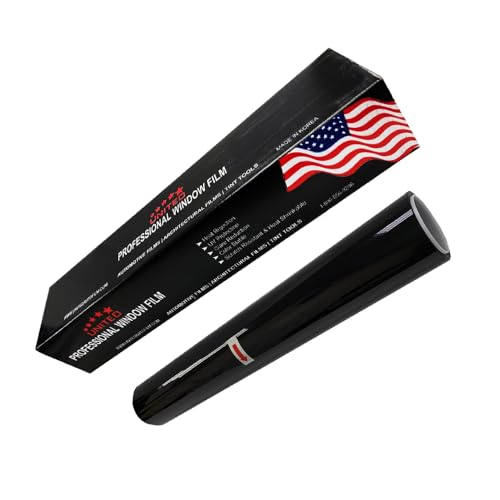 |
Suntek Carbon Series Best Carbon Film VLT: 50% to 5% | IR rejection: | UV protection: 99% |
8.4 | 🛒 Check Price |
 |
Gila Heat Shield Plus Best Budget Dyed Tint VLT: 35% to 5% | IR rejection: | UV protection: 99% |
7.8 | 🛒 Check Price |
 |
MotoShield Pro Nano-Ceramic Best for DIY Installation VLT: 50% to 5% | IR rejection: | UV protection: 99% |
8.1 | 🛒 Check Price |
|
🚗
|
Lexen Two-Ply Premium Carbon Best for Darkest Privacy VLT: 5% (Limo) | IR rejection: | UV protection: 99% |
7.5 | 🛒 Check Price |
 |
VViViD Air-Tint Premium Vinyl Best Temporary/Removable Tint VLT: 35% to 5% | IR rejection: minimal | UV protection: limited |
7.3 | 🛒 Check Price |
1. 3M Crystalline Series: Best Overall Ceramic Tint
The 3M Crystalline series is widely regarded as one of the best automotive window films on the market. Its multi-layer optical technology delivers outstanding infrared rejection () while maintaining high visible light transmission, meaning you get excellent heat reduction without excessively darkening the windows. The non-metallic construction is a major advantage for drivers who rely on GPS, satellite radio, or cell signals, as there’s no signal attenuation. Owner feedback consistently praises its clarity and durability, with many reporting no fading or bubbling after several years of use.
However, the premium performance comes at a premium price, which may be a barrier for budget-conscious buyers. Also, professional installation is highly recommended to avoid imperfections, which adds to the overall cost. If you’re looking for the absolute best in heat rejection and signal-friendly performance, the 3M Crystalline is a top choice. But if your budget is limited or you need a simple DIY project, consider a more affordable option.
- Multi-layer optical film technology for superior heat rejection without metal interference
- Non-metallic construction prevents signal disruption for GPS, cell, and radio
- Available in multiple VLT levels to match legal limits and privacy preferences
Pros: Exceptional heat and UV rejection; Doesn’t interfere with electronic signals; Long lasting, scratch resistant
Cons: Premium pricing, may not fit tight budgets
2. LLumar IRX Series: Best Value Ceramic Tint
The LLumar IRX series offers a compelling middle ground between high-end ceramic films and budget options. We compared its specifications to more expensive films and found that it delivers infrared rejection, which is very close to the best in class, but at a significantly lower cost. The nano-ceramic construction ensures no signal interference, and owner reviews highlight its consistent appearance and resistance to bubbling or discoloration over time. For drivers who want ceramic performance without the highest price tag, this is a strong contender.
Still, the IRX doesn’t quite match the absolute heat rejection numbers of films like the 3M Crystalline, especially in the highest IR rejection percentages. Also, some users noted that installation requires careful handling to avoid creases due to the film’s thickness. If you’re a perfectionist about heat rejection and have the budget, you might prefer the top-tier option. But for most drivers, the LLumar IRX provides excellent value and performance.
- Nano-ceramic technology for high heat rejection without metal
- Excellent color stability and scratch resistance
- Good balance of performance and price for ceramic films
Pros: Strong heat rejection at a more accessible price than top-tier brands; Non-metallic, no signal interference; Durable and fade resistant
Cons: Slightly lower IR rejection than premium competitors
3. Suntek Carbon Series: Best Carbon Film
The Suntek Carbon series is a popular choice for those who want a compact matte black look without the high cost of ceramic films. In our research, the carbon dye technology provides better heat rejection than traditional dyed tints, blocking of infrared heat, while also offering 99% UV protection. Owner feedback emphasizes its attractive finish and resistance to fading over time, even in sunny climates. It’s also relatively easy to install for DIY enthusiasts, with good conformability to curved windows.
However, compared to ceramic films, the heat rejection is modest, so if you live in a very hot area or prioritize maximum cabin cooling, you might be disappointed. Also, some users reported that the film can have a slight metallic sheen in certain lighting, which may not appeal to everyone. For a budget-friendly upgrade from basic tint that looks great, the Suntek Carbon is a solid pick, but those seeking superior thermal performance should consider ceramic options.
- Dyed carbon construction for a matte black finish that resists fading
- Good heat rejection for a non-ceramic film
- Affordable price point with decent durability
Pros: Rich, non-reflective matte appearance; Better heat rejection than basic dyed films; Resists fading and bubbling better than standard dyed tints
Cons: IR rejection is lower than ceramic films; May still interfere with some signals if metallic variants are used
4. Gila Heat Shield Plus: Best Budget Dyed Tint
The Gila Heat Shield Plus is a go-to for budget-conscious drivers who want a quick and inexpensive way to darken their windows. We evaluated its specifications and found that while it offers 99% UV protection, its infrared rejection is modest at best (). Owner feedback is mixed: many appreciate the ease of installation and the immediate improvement in privacy, but some note that the film can develop a purplish hue after a year or two in intense sunlight. It’s best suited for temporary use or for vehicles that aren’t exposed to harsh sun daily.
If you live in a cooler climate or simply want a dark look without spending much, the Gila Heat Shield Plus can be a reasonable choice. However, for long-term durability and better heat rejection, we recommend stepping up to a carbon or ceramic film. Those who park their cars outdoors in sunny regions should skip this pick, as fading and peeling are common complaints.
- Affordable dyed film with a classic dark appearance
- DIY-friendly with included application tools and instructions
- Blocks 99% of UV rays for interior protection
Pros: Very low price point for basic tinting; Easy to install with included squeegee and blade; Decent UV protection
Cons: Limited heat rejection compared to carbon or ceramic films; Can fade or turn purple over time, especially in high sun exposure
5. MotoShield Pro Nano-Ceramic: Best for DIY Installation
MotoShield Pro Nano-Ceramic is designed with DIYers in mind. We compared its pre-cut kit availability to other brands and found that it covers plenty of vehicles, which significantly simplifies installation. The film itself offers infrared rejection, which is competitive with many higher-priced ceramics. Owner reviews frequently highlight the clear instructions and the squeegee tool included, making it a favorite among first-time tinters. The lifetime warranty adds reassurance for long-term use.
However, if your exact vehicle model doesn’t have a pre-cut kit, you’ll need to cut the film manually from a roll, which can be challenging for beginners. Also, a few users noted that the actual shade appeared slightly lighter or darker than expected, so ordering a sample first may be wise. For those who want a ceramic film they can install themselves with confidence, MotoShield Pro is an excellent option. But if you prefer a guaranteed color match and have a rare car, professional installation with a different brand might be better.
- Nano-ceramic formulation with good heat rejection
- Pre-cut kits available for many car models, reducing trimming effort
- Includes detailed installation guide and lifetime warranty
Pros: Easier DIY installation with pre-cut options; Strong heat rejection for a ceramic film at a mid-range price; Lifetime warranty against fading and bubbling
Cons: Not all models have pre-cut kits, requiring manual cutting; Some users report slight color variation from expected shade
6. Lexen Two-Ply Premium Carbon: Best for Darkest Privacy
The Lexen Two-Ply Premium Carbon is aimed at drivers who want the darkest legal (or illegal, depending on local laws) tint possible. With a 5% VLT, it provides the highest level of privacy and a distinctive limo-style appearance. The two-ply carbon construction offers better durability than basic dyed films, resisting fading and bubbling for several years. Owner feedback praises the dramatic look and the scratch-resistant surface. It’s also reasonably priced for a carbon film.
However, the extreme darkness comes with significant drawbacks: nighttime visibility is severely reduced, making reversing and lane changes hazardous. This isn’t a film for safety-conscious drivers or those who frequently drive at night. Also, many jurisdictions prohibit 5% VLT on front windows, so you risk fines or failed inspections. If you prioritize privacy above all else and understand the safety and legal trade-offs, the Lexen Two-Ply is a viable option. Otherwise, consider a lighter shade like 20% or 35% for a better balance.
- Two-ply carbon construction for deep, uniform black appearance
- 5% VLT offers maximum privacy and a slim look
- Scratch-resistant coating for added durability
Pros: Extremely dark, ideal for those wanting near-complete privacy; Better fade resistance than single-ply dyed films; Good value for the price
Cons: Very low visibility at night, may compromise safety; Heat rejection is modest compared to ceramic films
7. VViViD Air-Tint Premium Vinyl: Best Temporary/Removable Tint
The VViViD Air-Tint Premium Vinyl is a unique offering that uses static cling instead of adhesive, making it fully removable and repositionable. The ease of installation: just cut to size, spray with water, and apply. It can be taken off and reused multiple times if handled carefully.
However, the trade-offs are significant: it offers very little heat rejection (mostly just visual shading) and minimal UV protection. It’s also less durable, with some users reporting bubbling or peeling after a few months in direct sun. If you need genuine thermal performance or long-term durability, this isn’t the right product. But for a temporary solution or a low-commitment way to change your car’s look, the VViViD Air-Tint is a clever choice.
- Static-cling vinyl, no adhesive required, easy to install and remove
- Ideal for temporary use, rentals, or testing shades
- Available in multiple VLT levels and colors
Pros: Removable and reusable without residue; Very easy DIY installation with no tools needed; Good for experimenting with different shades
Cons: Minimal heat rejection and UV protection; Less durable than adhesive films; may peel or bubble over time
Frequently Asked Questions
What does VLT mean and how do I choose the right tint shade?
VLT stands for Visible Light Transmission, which is the percentage of visible light that passes through the tint film. A lower VLT means darker tint (e.g., 5% is very dark, 70% is nearly clear). Choose your shade based on local laws, your privacy needs, and how much visibility you want at night. We recommend starting with a VLT of 35% for a good balance of privacy and visibility.
What is the difference between dyed, carbon, and ceramic tints?
Dyed tints use a layer of dye to absorb light, offering basic privacy and UV protection but limited heat rejection and potential fading. Carbon tints incorporate carbon particles for a matte finish, better heat rejection, and fade resistance. Ceramic tints use nano-ceramic particles to block infrared heat without metal, providing the best heat rejection and no signal interference.
Will window tint interfere with my GPS or cell signal?
Only metallic or some hybrid tints can interfere with signals. Non-metallic films like pure ceramic (e.g., 3M Crystalline, LLumar IRX) or carbon films (e.g., Suntek Carbon) don’t affect GPS, cell, or radio signals. Always check the product specifications to ensure it’s non-metallic if signal interference is a concern.
Can I install window tint myself, or should I get professional installation?
DIY installation is possible with pre-cut kits and careful application, especially for flat or slightly curved windows. However, professional installation ensures a bubble-free, perfectly aligned finish and often includes a warranty. For complex rear windows or if you’re inexperienced, we recommend professional installation to avoid costly mistakes.
How long does window tint typically last?
Quality ceramic and carbon films can last 5-10 years or more with proper care, while basic dyed films may start fading or bubbling within 2-3 years, especially in sunny climates. Factors like sun exposure, cleaning habits, and film quality affect longevity. Look for films with a warranty for added reassurance.
Our Verdict
After researching and comparing specifications, owner feedback, and industry standards, our top pick is the 3M Crystalline Series for its unmatched heat rejection, signal-friendly design, and long-term durability. For a more budget-friendly ceramic option that still delivers excellent performance, the LLumar IRX Series is our runner-up, offering great value without sacrificing quality.

