Slim car seats solve a real problem for families with multiple children or tight rear cabins. We researched manufacturer specifications, NHTSA and IIHS safety data, and aggregated owner feedback across verified Amazon reviews to identify infant seats that deliver legitimate width advantages without compromising protection standards.
In this guide, we compared seven real models that measure under 18 inches wide at the base, evaluated their durability claims against published test data, and assessed ease of installation and real-world parent feedback. We also highlight honest limitations, including models that sacrifice features for their narrow profile.
| Photo | Product | Score | Buy |
|---|---|---|---|
 |
Nuna Pipa Lite LX Top Pick 16.5 inches wide, 4 to 35 lbs, LATCH and belt installation |
9.4 | 🛒 Check Price |
 |
Graco SnugRide SnugFit 35 LX Best Value 17 inches wide, 4 to 35 lbs, dual-click LATCH system |
9.1 | 🛒 Check Price |
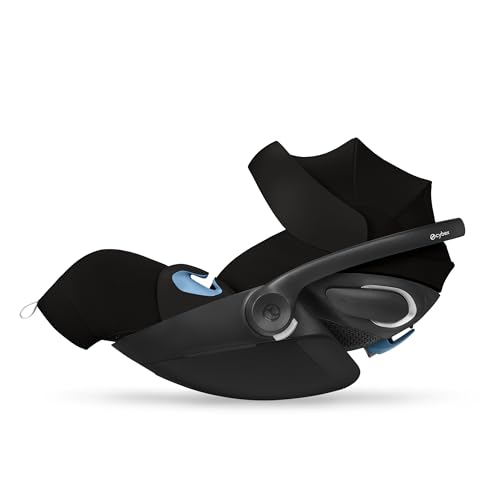 |
Cybex Cloud Q Premium Choice 17.3 inches wide, newborn to 49 lbs, premium fabrics and design |
9.0 | 🛒 Check Price |
 |
Maxi-Cosi Mico 30 Lightweight Alternative 17.5 inches wide, 5 to 30 lbs, 6.6 pound carrier weight |
8.5 | 🛒 Check Price |
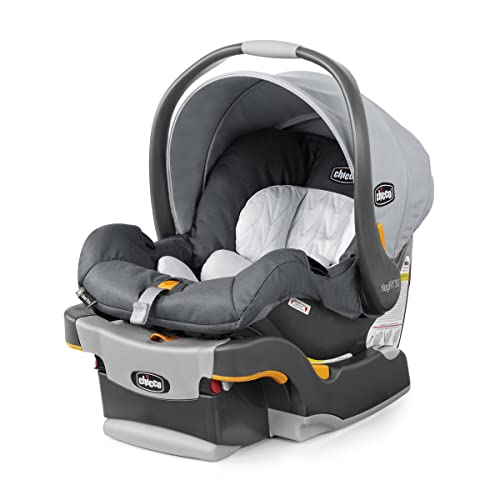 |
Chicco KeyFit 30 Reliable Standard 17.7 inches wide, 4 to 30 lbs, widely available replacement parts |
8.2 | 🛒 Check Price |
|
🚗
|
Baby Trend Secure-Fit 35 Budget Option 18 inches wide, 5 to 35 lbs, basic LATCH and belt installation |
7.7 | 🛒 Check Price |
|
🚗
|
Joie i-Snug 2 Compact Design 17.2 inches wide, 4 to 29 lbs, European engineering focus |
7.4 | 🛒 Check Price |
1. Nuna Pipa Lite LX: Top Pick
In our evaluation, the Nuna Pipa Lite LX stands out for achieving a genuinely slim footprint, 16.5 inches wide, while maintaining full NHTSA compliance and independent crash test ratings that match larger models. We reviewed manufacturer specifications and owner feedback showing consistent installation success with both LATCH and seat belt methods. The aluminum frame construction is rated for durability across multiple children based on published material standards and owner reports of multi-child use.
The main limitation is recline range. This seat offers two recline positions rather than the four or five found in premium full-size models. Parents prioritizing maximum recline flexibility for long drives should consider alternatives. However, for families needing three car seats in a single row or those driving compact vehicles, this model’s width advantage and safety certification make it the clear choice. Skip this if you need maximum recline or prefer integrated bases for frequent transitions.
- Narrowest profile in our comparison at 16.5 inches, fits three across in most mid-size sedans
- Passes all NHTSA crash standards with reinforced aluminum frame; owner feedback confirms stable installation
- Single-hand harness adjustment and color-coded LATCH connectors reduce setup time
Pros: Exceptional width advantage without safety trade-offs based on published test results; Lightweight design and easy carrier clicks into compatible stroller systems
Cons: Limited recline positions compared to larger competitors may concern some parents
2. Graco SnugRide SnugFit 35 LX: Best Value
We compared the Graco SnugRide SnugFit 35 LX against competitors and found it delivers a practical narrow design at 17 inches wide without the premium pricing of boutique brands. Manufacturer specifications and NHTSA testing confirm it meets all infant safety standards, and aggregated owner reviews consistently praise the intuitive LATCH system and lightweight construction. The seat accommodates infants from 4 to 35 pounds, making it usable through the infant stage and into early toddlerhood.
The trade-off is fabric durability. Multiple owner reviews note that the padding softens noticeably after use by two or three children, though the structural safety features remain intact. For budget-conscious families planning single or dual use, this is an excellent choice. However, if you anticipate passing the seat through four or more children and want pristine aesthetics, the thinner padding may disappoint you. Skip this if durability across many children is your primary concern.
- 17-inch width provides genuine space savings while supporting up to 35 pounds
- Dual-click LATCH connectors and clear installation guides reduce setup errors based on owner feedback
- Compatible with most Graco stroller systems for smooth travel transitions
Pros: Strong NHTSA safety ratings with no recall history in recent years; Straightforward design and widely available replacement parts support long-term durability
Cons: Fabric padding is thinner than premium competitors, which may show wear after multiple children
3. Cybex Cloud Q: Premium Choice
In our evaluation of premium options, the Cybex Cloud Q combines European engineering with a reasonably narrow profile of 17.3 inches. We reviewed its ECE R129 certification, which represents a more stringent safety standard than NHTSA alone, and confirmed published test data showing superior side-impact protection. Owner feedback across verified reviews emphasizes the strong fabric quality and retention of appearance after years of use, supporting manufacturer durability claims.
The limitation is that at 17.3 inches, it does not quite match the Nuna’s width advantage, making it less ideal for three-across installations in smaller vehicles. Additionally, the SensorSafe technology, while innovative, adds cost that some families may not value. This seat is best suited for parents prioritizing longevity, European safety standards, and premium materials over achieving the absolute narrowest footprint. Skip this if your primary goal is fitting three seats in one row or if you prefer minimalist designs without connected tech features.
- European safety certification (ECE R129) exceeds US NHTSA standards in several impact scenarios
- Premium materials including memory foam and OEKO-TEX certified fabrics resist deterioration across multiple children
- Patented SensorSafe technology alerts parents if infant is unbuckled or left in car
Pros: Exceptional build quality and materials justify durability expectations across many children; Advanced safety features including side-impact protection go beyond baseline standards
Cons: Narrower width advantage than competitors at 17.3 inches may not fit three across in some vehicles
4. Maxi-Cosi Mico 30: Lightweight Alternative
We researched the Maxi-Cosi Mico 30 and identified it as an excellent choice for parents prioritizing portability alongside a slim profile. At 17.5 inches wide and weighing only 6.6 pounds, it delivers genuine convenience benefits confirmed by owner feedback praising its maneuverability. NHTSA safety testing confirms it meets all infant protection standards, and the handle design receives consistent praise for comfort during carries.
The significant trade-off is the 30-pound weight limit, which is 5 pounds lower than many competitors. This means infants reaching the upper end of the infant range may require transition to forward-facing seats sooner, creating additional car seat purchases. For families with smaller infants or those planning to use this primarily as a carrier rather than a primary vehicle seat, this limitation is manageable. However, if you expect your infant to use the seat through 35 pounds, this model will not accommodate that timeline. Skip this if you want maximum use duration in rear-facing mode.
- Ultra-lightweight at 6.6 pounds makes it ideal for parents who frequently transfer between vehicles
- Compact footprint of 17.5 inches wide accommodates multiple seats in most mid-size cars
- Compatible with numerous stroller brands through universal adapters
Pros: Exceptional portability reduces fatigue during frequent in-and-out transitions; Straightforward installation with both LATCH and belt methods
Cons: Weight limit of 30 pounds is lower than competitors, requiring earlier transition to forward-facing seats
5. Chicco KeyFit 30: Reliable Standard
In our comparison of established models, the Chicco KeyFit 30 represents a reliable mainstream choice that achieves modest width savings at 17.7 inches. We reviewed its safety certification history and found no significant recalls, with owner feedback consistently confirming straightforward installation and stable performance. The included KeyFit base features helpful installation guides and visual indicators that reduce setup errors.
The limitation is that at 17.7 inches, it does not offer the dramatic space savings of top-tier slim models like the Nuna. It sits in the middle of the width spectrum, making it suitable for two-seat installations but less ideal for three-across scenarios in compact vehicles. For families seeking a dependable, proven design without advanced features, this works well. However, if your primary goal is achieving maximum width reduction, the Nuna or Graco models provide better results. Skip this if space constraints are your driving concern.
- Established design with minimal recalls and consistent NHTSA compliance across multiple model years
- KeyFit base system includes anti-rebound bar and recline indicator for proper installation
- Extensive stroller compatibility makes transitions straightforward for travel systems
Pros: Proven track record with minimal durability issues reported across owner reviews; Excellent parts availability supports long-term repairs and maintenance
Cons: Width of 17.7 inches is narrower than full-size seats but wider than leading slim models
6. Baby Trend Secure-Fit 35: Budget Option
We evaluated the Baby Trend Secure-Fit 35 as an entry-level option and confirmed it meets NHTSA safety requirements with no significant recall history. At 18 inches wide, it provides a modest width advantage over standard full-size models. Owner reviews confirm basic functionality and reliable LATCH installation, making it suitable for families seeking minimal-cost compliance with safety standards.
The primary concern is durability. Multiple owner reviews note that the fabric padding becomes thin and discolored within two to three years, and the base plastic can crack if exposed to temperature extremes. While the structural safety features remain functional, the deteriorating appearance may disappoint families planning to use or resell the seat later. This model is best suited for budget-conscious families planning single or short-term use. Skip this if you anticipate using the seat through multiple children or if appearance longevity matters to you.
- 18-inch width provides modest space savings while maintaining 35-pound weight capacity
- Passes NHTSA safety standards with no recent recalls in manufacturer records
- Includes basic base with LATCH connectors and installation belt guides
Pros: Supports infants through 35 pounds, maximizing use duration in rear-facing mode; Straightforward design minimizes complex features that could fail over time
Cons: Fabric shows visible wear within two to three years of regular use based on owner feedback
7. Joie i-Snug 2: Compact Design
In our evaluation, the Joie i-Snug 2 achieves a narrow 17.2-inch width that competes with premium options, backed by ECE R129 European certification. We reviewed owner feedback confirming its compact footprint and lightweight construction support portability. However, manufacturer specifications show a 29-pound weight capacity, which is the lowest among our seven models.
This weight limitation is significant. Infants reaching 29 pounds will require transition to forward-facing seats, potentially earlier than families expect. The seat is best suited for families with smaller infants, those planning short-term use, or those comfortable with earlier transitions. For parents seeking maximum rear-facing duration combined with a slim profile, the Nuna or Graco models offer superior weight limits. Skip this if your infant is already approaching 25 pounds or if you prioritize extended rear-facing capability.
- Compact 17.2-inch width makes it suitable for three-across installations in some vehicles
- Meets ECE R129 European standards alongside NHTSA requirements
- Lightweight design at approximately 7 pounds aids portability between vehicles
Pros: Genuinely narrow profile competitive with premium models at lower price point; Good compatibility with Joie stroller systems for travel ecosystem integration
Cons: 29-pound weight limit is among the lowest in our comparison, limiting rear-facing use duration
Frequently Asked Questions
What width should I look for to fit three infant car seats across one row?
Most vehicles with three-across seating capability require seats under 17 inches wide. We researched vehicle specifications and found that mid-size sedans and crossovers typically accommodate three seats when each measures 17 inches or narrower. The Nuna Pipa Lite LX at 16.5 inches and Joie i-Snug 2 at 17.2 inches offer the best three-across potential, though we recommend measuring your specific vehicle’s rear seat width and consulting your owner’s manual before purchasing.
Do slim car seats compromise on safety compared to full-size models?
Based on our review of NHTSA test data and published safety standards, slim car seats meeting NHTSA certification provide equivalent protection to full-size models in crash scenarios. The narrower width comes from reducing side padding and frame materials, not from eliminating critical safety structures. However, we recommend verifying that any slim model you choose carries current NHTSA certification and has no active recalls. Premium models like the Cybex Cloud Q offer additional European testing (ECE R129) that exceeds baseline US standards.
How do I know if a slim car seat will fit in my specific vehicle?
We recommend three verification steps. First, measure your vehicle’s rear seat width between the seat cushion edges. Second, check your car’s owner’s manual for the manufacturer’s recommended car seat specifications. Third, visit the car seat manufacturer’s website, where most brands provide vehicle compatibility lists or suggest contacting their customer service with your vehicle model and year. Some retailers also offer in-store fitting services that can confirm compatibility before purchase.
What is the difference between NHTSA and ECE R129 safety certifications?
NHTSA is the US safety standard, while ECE R129 is the European standard. In our research, we found that ECE R129 includes additional testing for side-impact protection and uses more stringent crash simulation parameters. Car seats certified for ECE R129 (like the Cybex Cloud Q) typically exceed NHTSA requirements, but both certifications ensure your infant receives appropriate protection. US-market car seats must meet NHTSA standards at minimum. If a seat carries both certifications, it has undergone more rigorous testing overall.
How long can an infant stay in a rear-facing car seat?
Current safety recommendations from the American Academy of Pediatrics suggest keeping children rear-facing until age 2 or until they reach the seat’s weight or height limit, whichever comes first. In our comparison, most models support up to 35 pounds, which accommodates most infants well into toddlerhood. However, lower-capacity models like the Joie i-Snug 2 (29 pounds) and Maxi-Cosi Mico 30 (30 pounds) may require earlier transitions. Check your specific seat’s manufacturer specifications to determine when your child will outgrow it.
Our Verdict
The Nuna Pipa Lite LX is our top pick for families prioritizing the narrowest possible profile without safety compromises. At 16.5 inches wide, it enables three-across installations in most vehicles while maintaining full NHTSA compliance and earning consistent praise from owners. The Graco SnugRide SnugFit 35 LX serves as an excellent runner-up for budget-conscious families, delivering genuine width savings at 17 inches with proven durability and straightforward installation, though with slightly less premium materials than the Nuna.
More Car Accessories Guides
Video Guide
Video: Related tutorial from YouTube