Flat towing a car behind your motorhome should feel easy, but the tow bar you pick decides whether the dinghy follows like a shadow or fights you on every bend. A good RV tow bar connects your coach hitch to the towed vehicle baseplate, swivels through every angle of the road, and locks rock solid once you’re rolling. A bad one binds on uneven ground, rattles, and turns disconnects into a wrestling match.
We looked at the tow bars RV owners actually run on long trips and judged them on weight rating, how easily the arms self-align and release under load, build material, stowage, and how quiet and stable they feel at highway speed. No prices here, just honest guidance on which bar earns its place behind your rig. Always confirm the bar matches your towed vehicle weight and your coach receiver class before you buy.
| Photo | Product | Score | Buy |
|---|---|---|---|
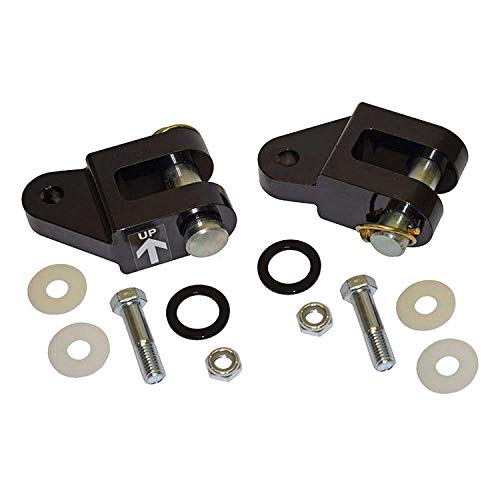 |
Blue Ox Aventa LX BX7420 Tow Bar Best Overall Steel non-binding tow bar, 10,000 lb capacity, Class IV, coach-mounted |
9.5 |
ⓘ We may earn a commission from qualifying purchases made through links on this page, at no extra cost to you.
|
 |
Roadmaster Nighthawk Tow Bar 9250 Premium Pick Aluminum and steel, 8,000 lb capacity, integrated LED stop and turn lights |
9.3 | 🛒 Check Price |
 |
Blue Ox Alpha 2 BX7380 Tow Bar Best Value Steel non-binding tow bar, 6,500 lb capacity, coach-mounted, Class III |
9.1 | 🛒 Check Price |
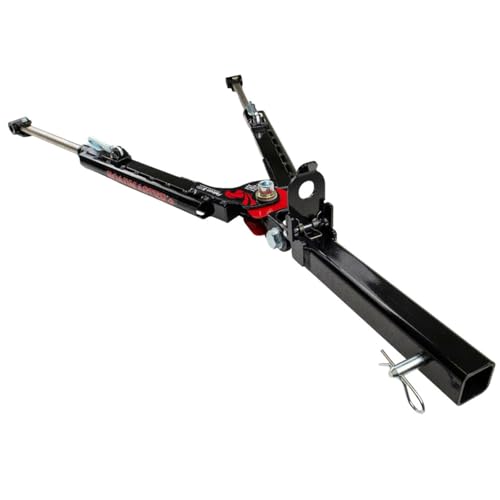 |
Roadmaster Falcon All-Terrain 522 Tow Bar Best Self-Aligning Steel, 6,000 lb capacity, self-aligning non-binding arms, coach-mounted |
9.0 | 🛒 Check Price |
 |
NSA Ready Brute Elite Tow Bar Best With Braking Steel tow bar, 8,000 lb capacity, integrated surge braking system |
8.8 | 🛒 Check Price |
 |
Demco Dominator Tow Bar 9511008 Heavy Duty Aluminum body, 7,500 lb capacity, non-binding self-aligning arms, coach-mounted |
8.6 | 🛒 Check Price |
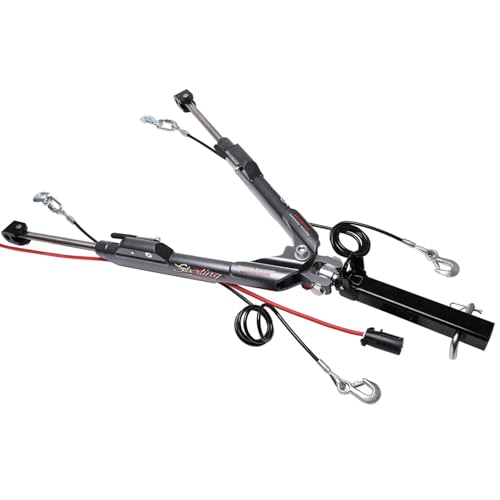 |
Roadmaster Sterling All-Terrain 576 Tow Bar Lightest Aluminum Aluminum, 6,000 lb capacity, self-aligning all-terrain arms, coach-mounted |
8.4 | 🛒 Check Price |
1. Blue Ox Aventa LX BX7420 Tow Bar: Best Overall
The Blue Ox Aventa LX is the bar we point most RVers toward when they want one tool that simply works. It carries a full 10,000 lb rating, so it shrugs off heavier dinghy vehicles that lighter bars can’t legally pull. The independent swivel arms are the real story here. When you stop on a crowned driveway or a sloped campsite and the towed vehicle sits at an odd angle, the arms still release without you rocking the car back and forth to free a bound pin. That alone saves your patience on a long trip.
Because it mounts on the coach side, the heavy hardware rides with the motorhome and the towed vehicle only needs lightweight tabs, which keeps your dinghy looking clean when unhooked. The honest weakness is weight. This is steel built for the long haul, and lifting it into position takes a bit of muscle compared to an aluminum bar. If you tow often and value a no-drama connection over saving a few pounds at hookup, the Aventa LX is the one to beat.
- Independent swivel arms release under load on uneven terrain
- Coach-side mounting keeps weight off the towed vehicle baseplate
- Triple-lug attachment tabs and steel construction for a 10,000 lb rating
Pros: Highest weight rating in this group, handles heavy SUVs and trucks; Non-binding design means stress-free disconnects on slopes; Stows compactly against the motorhome when not in use
Cons: Heavier to handle than aluminum bars during hookup; Requires Blue Ox style baseplate tabs to attach
2. Roadmaster Nighthawk Tow Bar 9250: Premium Pick
The Roadmaster Nighthawk earns its premium badge by solving a problem most tow bars ignore, visibility. The arms house integrated LED stop, turn and running lights, so the back of your towed vehicle is clearly lit even when the dinghy itself sits low behind a tall coach. On dusk highway pulls that extra lighting genuinely changes how confident you feel about traffic behind you. The aluminum over steel build keeps it lighter than the Aventa while still carrying a sturdy 8,000 lb rating.
The Freedom Latch arms let each side detach on its own, which makes solo disconnects far less fiddly than older fixed bars. The trade-off is setup. Running the light wiring and getting it integrated properly adds a step the plainer bars don’t ask of you, and the rating, while plenty for most cars, sits below the true heavy haulers. For owners who tow at dusk a lot and want a polished, well-lit setup, the Nighthawk is worth the extra effort.
- Built-in LED running, brake and turn lights in the tow bar arms
- Aluminum arms over steel core balance strength and lighter weight
- Freedom Latch arms detach independently for easier disconnects
Pros: Integrated lighting improves visibility behind the towed car; Lighter than full steel bars without giving up much rating; Smooth, quiet center section reduces road rattle
Cons: Lighting wiring adds a step during initial setup; Eight thousand pound rating trails the heaviest bars here
3. Blue Ox Alpha 2 BX7380 Tow Bar: Best Value
The Blue Ox Alpha 2 gives you most of the Aventa experience in a friendlier package. It uses the same non-binding swivel philosophy, so connections and disconnects stay smooth even when you have parked on a less than level pad. At 6,500 lb it covers the vast majority of flat-towable cars and compact SUVs, and it’s noticeably easier to lift and position than the heavier Aventa. For owners towing a typical dinghy rather than a full size truck, the Alpha hits the sweet spot.
It shares the coach-side mounting that keeps the bulky hardware on the motorhome, leaving your towed car uncluttered when you unhook for the day. The honest limit is capacity. If your towed vehicle creeps toward the higher end of the weight scale, you’ll want to step up to a 10,000 lb bar instead. But for the right vehicle weight, the Alpha delivers Blue Ox reliability with less to wrestle, which is exactly why it’s our value pick.
- Non-binding arms release smoothly even when parked at an angle
- Coach-side design keeps hardware off the towed vehicle
- Compact fold-up storage against the motorhome receiver
Pros: Same non-binding release quality as pricier Blue Ox bars; Lighter and easier to handle than the 10,000 lb Aventa; Strong everyday capacity for cars and small SUVs
Cons: Lower weight rating limits heavier dinghy vehicles; Still steel, so not the lightest option at hookup
4. Roadmaster Falcon All-Terrain 522 Tow Bar: Best Self-Aligning
The Roadmaster Falcon All-Terrain is the bar to reach for if hooking up alone is your main pain point. Its self-aligning arms extend independently, so you can drive the coach into rough position, connect one side, and let the second arm find its lock as you ease forward. There’s no wrestling the car or the bar into perfect alignment first. That convenience is why it has been a fixture in so many full-time RV setups for years.
The All-Terrain part of the name refers to the stainless inner channels that keep grit and moisture from fouling the slide action on dusty back roads. It carries a 6,000 lb rating, which suits most cars and lighter SUVs but rules out heavier towed vehicles. The center channels do reward a wipe down now and then, since accumulated road grime can stiffen the action over time. Keep it reasonably clean and the Falcon stays one of the smoothest solo-hookup bars you can buy.
- Arms extend and lock independently for hands-off alignment
- Stainless inner channels resist grit and rust on rough roads
- Stores upright and folded against the coach when not towing
Pros: Genuinely easy one-person hookup thanks to self-aligning arms; All-terrain sealing handles dust and dirt well; Long, proven track record among full-time RVers
Cons: Six thousand pound rating is moderate, not for heavy trucks; Center section can collect road grime without periodic cleaning
5. NSA Ready Brute Elite Tow Bar: Best With Braking
The NSA Ready Brute Elite stands out because it bundles a supplemental braking system right into the tow bar. Instead of buying and installing a separate brake box in the towed vehicle, the Ready Brute uses a cable that actuates the dinghy brakes as the coach slows, all driven mechanically by the surge motion. For owners who want braking handled without another piece of electronics in the car, this all-in-one approach is genuinely clever and saves a lot of fiddling.
It carries a solid 8,000 lb rating and uses non-binding arms that release cleanly on uneven ground. The honest caveat is the braking character. A surge cable system reacts to deceleration mechanically, so it doesn’t feel as finely metered as a proportional electronic brake, and you must route and connect the brake cable correctly every time you hook up. For RVers who value simplicity and one integrated unit over the smoothest possible braking modulation, the Ready Brute Elite is a smart, practical choice.
- Built-in cable-actuated braking applies the towed car brakes
- Single combined tow bar and brake unit, no separate brake box
- Non-binding arms release under load for easy disconnects
Pros: Integrated braking removes the need for a separate brake system; Simple, proven cable design with little to fail; Strong 8,000 lb capacity for the price tier
Cons: Surge braking feel differs from proportional electronic systems; Brake cable routing must be set up carefully on each trip
6. Demco Dominator Tow Bar 9511008: Heavy Duty
The Demco Dominator makes its case with aluminum construction that trims weight without dropping the rating, carrying a healthy 7,500 lb capacity while staying easier to lift than comparable steel bars. The self-supporting arms are the standout feature for anyone who hooks up alone. The arms stay raised on their own, so you can position the towed vehicle and connect without a second person holding the bar in place. On dusty or wet trips, the corrosion-resistant aluminum is a quiet long-term advantage.
Like other coach-side bars it relies on matching baseplate tabs on the towed vehicle, so plan your baseplate around the Demco system. The honest drawback is reach. Demco doesn’t have the same density of dealers and accessory support as the largest brands, so sourcing baseplates and parts can take a little more searching depending on your vehicle. If you can confirm the baseplate fit, the Dominator delivers a high rating in a lighter, weather-tough package.
- Aluminum construction keeps weight down at a high rating
- Self-supporting arms stay raised for easy single-person hookup
- Non-binding release works on slopes and uneven pads
Pros: Lighter than steel bars at a strong 7,500 lb capacity; Arms hold themselves up so you can line up the car solo; Corrosion-resistant aluminum holds up to weather
Cons: Demco baseplate tabs needed to attach to the towed car; Less common dealer support than the biggest brands
7. Roadmaster Sterling All-Terrain 576 Tow Bar: Lightest Aluminum
The Roadmaster Sterling All-Terrain is the bar to choose when handling weight at hookup matters most to you. Built from aluminum, it’s one of the lightest tow bars here, which makes a real difference if you connect and disconnect daily or if lifting a heavy steel bar is hard on your back. It keeps the same self-aligning all-terrain action as Roadmaster’s steel Falcon, so the arms extend and lock independently and the stainless channels stay smooth on dusty roads.
At 6,000 lb it suits most cars and lighter SUVs, the same moderate ceiling as the Falcon, so heavier dinghy vehicles need a different bar. The honest note on aluminum is long-term wear. Under years of hard, frequent towing the pivot points can show wear sooner than heavy steel, so periodic inspection matters. For owners who prize a light, easy-handling bar for a moderate weight car, the Sterling is a comfortable everyday companion.
- Aluminum arms make it one of the lightest bars to handle
- Self-aligning channels lock independently for solo hookup
- Stainless slide channels shed dust and resist corrosion
Pros: Easy to lift and connect thanks to aluminum build; Self-aligning action is forgiving on rough ground; Folds compactly against the coach receiver
Cons: Six thousand pound rating excludes heavier towed vehicles; Aluminum can show wear at pivots over heavy long-term use
Frequently Asked Questions
What weight rating do I need for my RV tow bar?
Your tow bar rating must equal or exceed the fully loaded weight of the vehicle you’re flat towing, not its empty curb weight. Add any cargo, a full fuel tank, and accessories before comparing. Most flat-towable cars and small SUVs sit comfortably under a 6,000 to 8,000 lb bar, but heavier SUVs and trucks push you toward a 10,000 lb bar like the Blue Ox Aventa LX. It’s always safer to choose a rating with headroom rather than buying a bar that sits right at your vehicle weight, and remember the bar, the baseplate, and your coach receiver must all share the same rating for the system to be legal and safe.
What is a non-binding tow bar and why does it matter?
A non-binding tow bar has arms that can release even when the towed vehicle is under sideways load, such as when you park on a slope or a crowned surface. With an older fixed or binding bar, the locking pins can jam when the car sits at an angle, forcing you to rock the vehicle back and forth to free them. Non-binding designs, found on bars like the Blue Ox Aventa and Roadmaster Falcon, let each arm release independently regardless of angle. For anyone who camps on uneven ground, this single feature removes most of the frustration from disconnecting your dinghy.
Do I need a supplemental braking system with my tow bar?
In most regions, yes. A supplemental braking system applies the towed vehicle brakes in sync with your coach, which shortens stopping distance and is legally required in many states and provinces once the towed weight crosses a threshold. Some tow bars, like the NSA Ready Brute Elite, build a cable braking system directly into the bar so you don’t need a separate brake box. Others leave braking to a standalone system you install in the car. Either way, don’t skip braking. Stopping a heavy coach plus a free-rolling car relies on it, and your insurance may depend on compliance.
Can I use any tow bar with any car for flat towing?
No, and this is the most important thing to confirm before buying. First, the vehicle itself must be approved by its manufacturer for flat towing with all four wheels on the ground, since many automatics and some all-wheel-drive vehicles can’t be towed this way without damage. Second, the tow bar attaches through a baseplate that’s specific to your exact vehicle make, model, and year, and that baseplate must match your chosen tow bar brand. A Blue Ox bar needs a Blue Ox compatible baseplate, for example. Always verify your vehicle is towable, then match the baseplate to the bar.
Should I choose a coach-mounted or vehicle-mounted tow bar?
Coach-mounted bars, which is what most modern tow bars are, keep the heavy folding hardware on the motorhome receiver and leave only lightweight tabs on the towed car. This keeps your dinghy clean and uncluttered when you unhook and means the bar travels with the coach. Vehicle-mounted bars are older and less common now. For nearly all RVers, a coach-mounted bar like the Blue Ox or Roadmaster options here’s the better choice because it’s more convenient day to day and the bar is right there on the coach whenever you need it.
Our Verdict
For most RVers, the Blue Ox Aventa LX BX7420 is our top pick. Its class-leading 10,000 lb rating, genuinely non-binding arms, and coach-side mounting make it the bar that handles the widest range of towed vehicles with the least drama at hookup and disconnect. If you want integrated lighting and a lighter aluminum and steel build, the Roadmaster Nighthawk is the runner up and a superb choice for owners who tow at dusk and want their dinghy clearly visible. Whichever you pick, match the rating to your fully loaded vehicle, confirm your baseplate fits, and pair it with a proper braking system for safe, confident flat towing.


