A weeping valve cover gasket is a very common oil leaks you’ll chase down, and the right RTV sealant is what turns a frustrating repeat job into a clean, permanent fix. The wrong tube either fails to bond to aluminum, breaks down under heat, or oozes out and clogs an oil passage. We focused on what actually matters at the valve cover: oil and coolant resistance, the temperature range the engine bay throws at it, and how forgiving the product is during assembly.
Below are seven RTV products that pros and home mechanics reach for again and again. We looked at how each one tools out, how long you have to work before skin-over, and whether it holds a seal across heat cycles without shrinking or cracking. Whether you’re sealing a bare metal cover, a half-moon end seal, or a gasket that the manufacturer says needs a dab in the corners, there’s a tube here for the job.
| Photo | Product | Score | Buy |
|---|---|---|---|
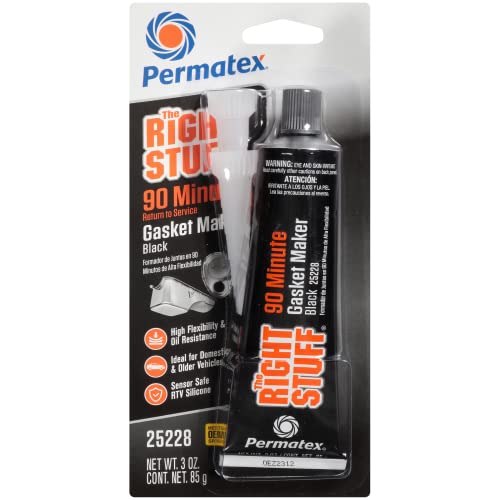 |
Permatex 81160 The Right Stuff Gray Gasket Maker Best Overall Gray rubberized RTV, sensor-safe, instant torque, 0.5 oz brush-top tube |
9.5 |
ⓘ We may earn a commission from qualifying purchases made through links on this page, at no extra cost to you.
|
 |
Permatex 82194 Ultra Black Maximum Oil Resistance Gasket Maker Best Oil Resistance Black RTV, sensor-safe, oil resistant, rated to 500F, 3.35 oz tube |
9.3 | 🛒 Check Price |
 |
Permatex 82180 Ultra Grey Rigid High-Torque RTV Silicone Gasket Maker Best for High Torque Gray rigid RTV, sensor-safe, rated to 500F, high-torque formula, 3.35 oz tube |
9.1 | 🛒 Check Price |
 |
Loctite 5920 Copper High Temp RTV Silicone Gasket Maker Best High Temp Copper RTV, high temperature to 700F intermittent, oil resistant, 2.7 oz tube |
8.9 | 🛒 Check Price |
 |
Permatex 80050 Clear RTV Silicone Adhesive Sealant Best All-Purpose Clear RTV, rated to 400F, waterproof, flexible, 3 oz tube |
8.7 | 🛒 Check Price |
 |
3M 08008 Black Super Weatherstrip and Gasket Adhesive Best for Gasket Retention Black contact adhesive, heat and oil resistant, holds gaskets in place, 5 oz tube |
8.5 | 🛒 Check Price |
|
Permatex 25223 Ultra Grey Rigid High-Torque RTV Silicone Single Use Tubes Best Single-Use Value Gray rigid RTV, sensor-safe, rated to 500F, pack of single-use 0.18 oz tubes |
8.3 | 🛒 Check Price |
1. Permatex 81160 The Right Stuff Gray Gasket Maker: Best Overall
Permatex The Right Stuff is the closest thing to a professional secret weapon in this category. The standout feature is that it reaches full seal at torque, which means you can button up a valve cover and put the car back on the road without waiting hours for a cure. For anyone who has a daily driver and one evening to do the job, that alone makes it worth keeping on the shelf. It tools out into a smooth, gap-filling bead and bonds tenaciously to clean aluminum, which is exactly where cheaper sealants tend to let go.
The honest weakness is the working time. This stuff skins over quickly, so if you’re slow at setting a cover or you stop to chase a dropped bolt, you can end up fighting a half-set bead. It also lays down a thick line from the brush-top applicator, and overapplication is the classic mistake that leads to squeeze-out inside the engine. Plan your placement, have your fasteners ready, and move with intent. Used correctly, it simply doesn’t leak.
- Forms a usable seal the moment it’s torqued, no overnight cure wait
- Stays flexible and resists oil, coolant, and shop chemicals for the long haul
- Sensor-safe low odor formula that won’t harm O2 sensors
Pros: Lets you run the engine almost immediately after assembly; Excellent bond to aluminum and cast covers; Won’t shrink or crack across heat cycles
Cons: Skins over fast, so you must work quickly; The brush-top tube delivers a generous bead that’s easy to overapply
2. Permatex 82194 Ultra Black Maximum Oil Resistance Gasket Maker: Best Oil Resistance
If your valve cover leak is purely an oil problem, and most are, Ultra Black is purpose-built for the task. Permatex tuned this formula for maximum oil resistance, so it shrugs off the constant bath of hot oil that splashes the inside of a cover. It cures into a flexible black rubber that moves with the joint instead of fighting it, which is why it holds up so well on plastic and stamped steel covers that flex under torque. For most enthusiasts, this is the default tube to grab for a gasket job.
The tradeoff compared to The Right Stuff is that you do need to respect the cure window. Permatex recommends letting it set before the joint sees oil and pressure, so this isn’t the choice if you want to drive away in ten minutes. The black color also makes it harder to spot a thin spot or a missed corner as you lay the bead, so good lighting helps. Give it time to do its thing and it delivers a durable, oil-tight seal.
- Engineered specifically to resist degradation from engine oil
- Flexible black silicone that handles high torque and joint movement
- Sensor-safe and low odor for use near O2 sensors and emissions parts
Pros: Outstanding long-term oil resistance where leaks start; Stays pliable so it follows cover flex without cracking; Trusted, widely available OEM-style black formula
Cons: Needs cure time before exposure to oil and pressure; Black color can hide a thin or skipped section during application
3. Permatex 82180 Ultra Grey Rigid High-Torque RTV Silicone Gasket Maker: Best for High Torque
Ultra Grey is the pick when your valve cover is a rigid cast or thick aluminum piece that gets torqued down hard. Permatex designed this as a high-torque formula, so it resists the squeeze-out that plagues softer sealants when you crank fasteners to spec. It bonds strongly to bare metal and resists oil and coolant, making it a reliable all-rounder for engine sealing where the surfaces stay stiff and true. Many techs keep a tube of grey and a tube of black to cover both rigid and flexible jobs.
The flip side of that rigidity is that it’s less ideal for thin stamped or plastic covers that flex noticeably as the engine heats and cools. On a flexible joint, a more pliable formula like Ultra Black follows the movement better and is less prone to micro-cracking over many heat cycles. Match the sealant to the cover: grey for rigid, black for flex. Pick the right one for your application and this is a confidence-inspiring seal.
- Rigid high-torque formula made for stiff cast and aluminum covers
- Resists oil, coolant, and most automotive shop fluids
- Sensor-safe gray silicone with strong adhesion to bare metal
Pros: Holds up under high clamping loads without squeezing out; Great adhesion on rigid cast aluminum valve covers; Resists a broad range of fluids beyond just oil
Cons: Less forgiving on covers that flex a lot; Requires a full cure before the joint is loaded
4. Loctite 5920 Copper High Temp RTV Silicone Gasket Maker: Best High Temp
Loctite 5920 Copper is the high-temperature specialist of the group. Rated for intermittent temperatures up to around 700F, it’s built for the hottest spots in an engine and is a favorite on performance and forced-induction builds where under-hood temps climb. For a valve cover near a turbo or on a hard-run track car, that extra heat headroom buys added security. It still resists oil, water, and antifreeze, so it covers the basics a gasket job demands while leaving plenty of thermal margin.
For a normal naturally aspirated street engine, this is honestly more sealant than the job requires, and the cured copper silicone is very visible if you get any squeeze-out on a finished cover. There’s nothing wrong with the overkill, but you’re paying for capability you may never use on a daily driver. If your build runs hot, this is the tube to reach for. If it doesn’t, a standard black or grey RTV will seal just as well with less drama.
- Copper high-temp formula for the hottest engine bay locations
- Withstands intermittent temperatures up to roughly 700F
- Resists oil, water, and antifreeze for multi-purpose sealing
Pros: Top tier heat tolerance for demanding builds; Reliable Loctite quality and consistency; Good general fluid resistance beyond just oil
Cons: More heat capability than a typical street valve cover needs; Copper color is highly visible if any squeezes out
5. Permatex 80050 Clear RTV Silicone Adhesive Sealant: Best All-Purpose
Permatex 80050 Clear is the flexible generalist, and its clear cure is genuinely useful when you want a seal you can’t see. It’s flexible, waterproof, and good at handling vibration, which makes it a sensible choice for light-duty valve cover sealing and a hundred other small jobs around the garage. If you want one tube that does a passable job on the cover and stays useful for trim, accessories, and weather sealing, this is a practical buy.
The honest limitation is that it isn’t a dedicated high-heat, high-oil engine formula. Its temperature ceiling sits lower than the Ultra series, and it isn’t as aggressively oil-resistant as Ultra Black. On a cooler-running engine with a light film exposure it does fine, but for a hard-working motor that bathes the cover in hot oil, a purpose-built engine RTV is the smarter call. Use it for what it’s, a flexible all-rounder, and you won’t be disappointed.
- Clear flexible silicone for a clean, invisible seal line
- Waterproof and resistant to weather and vibration
- General-purpose formula useful well beyond the valve cover
Pros: Dries clear for a tidy, unobtrusive finish; Very flexible and good at damping vibration; Handy multi-use tube for the whole garage
Cons: Lower temperature ceiling than dedicated engine formulas; Not the most oil-resistant option here
6. 3M 08008 Black Super Weatherstrip and Gasket Adhesive: Best for Gasket Retention
3M 08008 fills a different role than the gasket makers above, and it’s essential to understand the distinction. This is a contact adhesive, not a gap-filling silicone. Its job is to hold a pre-formed rubber or cork valve cover gasket firmly in its groove so it doesn’t shift or fall out while you wrestle the cover back onto the head. Anyone who has fought a floppy gasket dropping out of the channel mid-install will appreciate exactly what this solves. It’s heat and oil resistant once set, so it stays put in the engine bay.
The thing to be clear about is that you don’t use this as a standalone sealant to fill a gap or replace a gasket. It’s a retention adhesive that works alongside a physical gasket. The application is also famously stringy, so a little practice keeps it tidy. If your repair uses a molded gasket and you just need it to stay put, this 3M classic is the right tool. For sealing bare metal with no gasket, reach for an RTV instead.
- Tacky adhesive that holds a rubber or cork gasket in position
- Heat and oil resistant once cured
- Trusted 3M formula used widely in trim and gasket work
Pros: Keeps a gasket from slipping during reassembly; Strong, durable bond that resists oil and heat; Long working tack for tricky installs
Cons: This is an adhesive, not a gap-filling gasket maker; Stringy application takes some practice to control
7. Permatex 25223 Ultra Grey Rigid High-Torque RTV Silicone Single Use Tubes: Best Single-Use Value
The single-use Ultra Grey tubes solve the most annoying problem with RTV ownership: the half-used tube that hardens into a brick before your next job. Each tube holds just enough of the proven Ultra Grey rigid high-torque formula for a single valve cover or similar repair, so you get fresh, fully liquid sealant every time with no clogged nozzle to dig out. For the weekend mechanic who seals a gasket once or twice a year, this format eliminates the waste that comes with a large tube.
The obvious tradeoff is coverage and economy per ounce. A single small tube is sized for one job, so a large four-cylinder or V8 cover with a long bead may stretch it thin, and buying sealant this way costs more per ounce than a big tube if you do a lot of work. For a high-volume shop it makes little sense. For someone who values a guaranteed-fresh seal and hates throwing out dried sealant, the convenience is genuinely worth it.
- Single-use tubes mean no half-cured leftover going to waste
- Same proven Ultra Grey high-torque rigid formula
- Sensor-safe and resistant to oil and coolant
Pros: Fresh, fully liquid sealant every single time; No dried-out nozzle to deal with later; Ideal for the occasional one-job mechanic
Cons: Each small tube covers only a limited area; Pack works out less economical per ounce for big jobs
Frequently Asked Questions
Do I even need RTV if my valve cover already has a rubber gasket?
It depends on the engine. Many modern engines use a molded rubber gasket that seals on its own, and adding RTV across the whole surface can actually cause problems by introducing extra material that squeezes into the engine. However, most manufacturers call for a small dab of RTV in specific spots, typically the half-moon end seals or the corners where the timing cover meets the head. Check your service manual. If it specifies sealant in the corners, a tube of Ultra Black or Ultra Grey applied only at those points is the correct approach. If you’re sealing a bare metal cover with no gasket at all, then RTV does the entire sealing job.
How long should RTV cure before I add oil and start the engine?
For most standard RTV gasket makers like Permatex Ultra Black and Ultra Grey, plan on letting the sealant set for the time stated on the tube before exposing the joint to oil and pressure, which is commonly around an hour to skin over and up to twenty four hours for a full cure. The big exception is Permatex The Right Stuff, which forms a usable seal at torque and lets you run the engine almost immediately. When in doubt, waiting longer never hurts. Rushing a standard formula before it has set is the most common reason a fresh seal weeps oil.
What is the difference between black, grey, and copper RTV?
Color generally signals the formula and its intended use. Black RTV like Ultra Black is tuned for maximum oil resistance and flexibility, which suits flexible stamped and plastic covers. Grey RTV like Ultra Grey is a rigid high-torque formula meant for stiff cast and aluminum covers that get clamped down hard. Copper RTV like Loctite 5920 is built for the highest temperatures, which makes it a fit for performance and turbocharged builds. For a typical valve cover oil leak, black is the safe default, grey is best on rigid covers, and copper is reserved for genuinely high-heat applications.
Is sensor-safe RTV important for a valve cover gasket?
Yes, and it’s worth seeking out. As RTV cures, some older acid-based formulas release fumes that can contaminate and damage oxygen sensors and other emissions components. Sensor-safe formulas, sometimes labeled low odor or OEM specification, use a neutral cure chemistry that won’t harm these parts. The Permatex Ultra series and The Right Stuff are all sensor-safe, which is one reason they’re so widely recommended for engine work. Since your valve cover sits in an engine bay full of sensors, choosing a sensor-safe product removes a risk for no real downside.
How do I prep the surface so the RTV actually seals?
Surface prep is where most failed seals are won or lost. Scrape off every trace of the old gasket and sealant, then clean both mating surfaces thoroughly with a residue-free solvent like brake cleaner or acetone so the metal is bare, dry, and oil-free. Any film of oil left behind prevents the RTV from bonding and guarantees a future leak. Apply a continuous, even bead, route it correctly around the bolt holes as the manufacturer specifies, and torque the cover to spec in the right sequence. Avoid the temptation to lay down a thick rope of sealant, since excess squeezes inside and can break loose into the oil.
Our Verdict
For most valve cover gasket jobs, Permatex 81160 The Right Stuff is our top pick because it seals at torque and lets you get back on the road without a long cure wait, all while bonding beautifully to aluminum and staying flexible for the long haul. Our runner up is Permatex 82194 Ultra Black, the smart default for anyone chasing a pure oil leak thanks to its maximum oil resistance and forgiving, pliable cure. Match grey to rigid covers, black to flexible ones, copper to high-heat builds, and prep the surfaces properly, and any of these will give you a clean, lasting, leak-free seal.

