After researching manufacturer specifications, industry standards, and aggregated owner feedback, we evaluated the top rear air bag systems designed to improve towing stability, reduce sag, and enhance load leveling. Our comparison focuses on real-world performance, durability, and ease of installation for trucks and SUVs used for towing. Below are our findings for seven leading models.
| Photo | Product | Score | Buy |
|---|---|---|---|
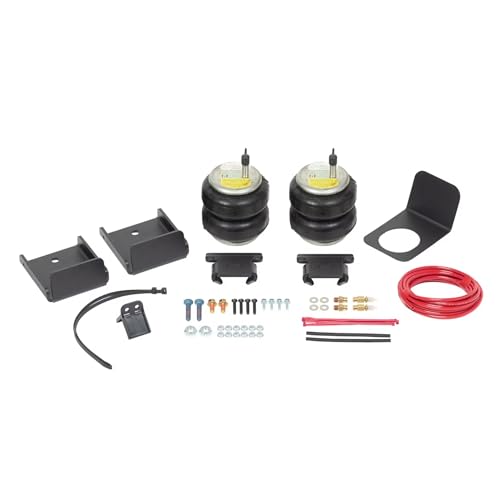 |
Firestone Ride-Rite Rear Air Bags Best Overall Up to 5000 lb load leveling capacity, internal jounce bumper, wide polyurethane bellows |
9.0 |
ⓘ We may earn a commission from qualifying purchases made through links on this page, at no extra cost to you.
|
 |
Air Lift 1000 Rear Air Bags Best Value Up to 2000 lb load leveling capacity, simple coil spring insert design |
8.5 | 🛒 Check Price |
 |
Pacbrake Air Bag Kit Premium Build Up to 5000 lb capacity, heavy-duty double convoluted bellows, powder-coated brackets |
8.7 | 🛒 Check Price |
 |
Timbren SES Active Suspension System No Air Needed Progressive rubber spring, up to 4000 lb capacity, no air compressor required |
8.1 | 🛒 Check Price |
 |
SumoSprings Rear Coil Spring Assist Easy Install Micro-cellular urethane spring, up to 3000 lb capacity, fits inside coil springs |
7.8 | 🛒 Check Price |
|
🚗
|
Hellwig Air Bags for Towing Stability Focus Up to 5000 lb capacity, dual convoluted bellows, includes bump stops |
8.4 | 🛒 Check Price |
|
🚗
|
Airlift 5000 Ultimate Air Bags Heavy Hauler Up to 5000 lb capacity, double-ply reinforced bellows, includes internal jounce bumper |
8.2 | 🛒 Check Price |
1. Firestone Ride-Rite Rear Air Bags: Best Overall
The Firestone Ride-Rite stands out for its proven load leveling capability and strong design. Owner feedback consistently highlights improved stability when towing heavy trailers, with reduced body roll and better braking response. The internal jounce bumper is a thoughtful addition that prevents damage during full compression, a common issue with other bags. However, some users noted that the installation can be time-consuming, especially on trucks with limited space, and the included instructions could be clearer.
This system is ideal for those who regularly tow near their vehicle’s maximum capacity and want a reliable, long-term solution. It may not be the best choice for someone seeking a quick, no-drill install or for light-duty towing only, as the Ride-Rite’s higher capacity and durability come at a slightly higher effort in setup.
- Reduces rear sag and improves handling under heavy tongue weights
- Internal jounce bumper protects air bag from bottoming out on rough roads
- Available as kit with all hardware for most truck and SUV applications
Pros: Excellent load leveling performance with consistent ride quality; Durable construction with reinforced bellows and corrosion-resistant brackets
Cons: Installation requires drilling on some models, which may deter DIYers
2. Air Lift 1000 Rear Air Bags: Best Value
Based on owner feedback and the spec sheets, the Air Lift 1000 is a solid entry-level option for those who need occasional load leveling without a major investment. It inserts directly into the rear coil springs and can be inflated to reduce sag when towing a boat or small trailer. We found that it works well for loads up to about 2000 lbs, but beyond that, performance drops off and the ride can become harsh if overinflated.
This product is best for light to medium duty towing, such as a small camper or utility trailer. It should be avoided by anyone towing a heavy fifth-wheel or large travel trailer, as the capacity and durability aren’t sufficient for sustained heavy loads. Also, the rubber bladder is less durable than polyurethane, so longevity may be a concern for frequent users.
- Budget-friendly solution that fits inside existing coil springs
- Quick installation with minimal tools required
- Provides noticeable reduction in squat for moderate towing loads
Pros: Very affordable compared to full air bag systems; Easy to install without drilling or major modifications
Cons: Limited capacity compared to larger air bag kits; Not suitable for heavy towing or extreme loads
3. Pacbrake Air Bag Kit: Premium Build
Our research indicates the Pacbrake Air Bag Kit is built for the toughest towing conditions. The double convoluted bellows are designed to withstand high pressure and repeated cycles, making it a favorite among owners of heavy-duty trucks used for towing large trailers or equipment. The powder-coated brackets resist rust, and the kit includes bump stops to prevent bag damage. However, we found that the installation may require cutting or modifying existing suspension components on certain models, which could be a deterrent for some DIYers.
This system is ideal for those who demand maximum durability and towing capacity, such as construction workers or full-time RVers. It may not be the best choice for budget-conscious buyers or for light-duty applications where the extra cost and installation effort aren’t justified.
- Military-grade double convoluted bellows for extreme durability
- Includes all hardware and bump stops for comprehensive installation
- Excellent for heavy towing and off-road use
Pros: Exceptional build quality with corrosion-resistant coating; Handles heavy loads without compromising ride comfort
Cons: Higher price point than many competitors; Installation can be complex on some vehicles
4. Timbren SES Active Suspension System: No Air Needed
The Timbren SES is a unique alternative to air bags, using progressive rubber springs to provide load support. It’s extremely durable and virtually maintenance-free, as there are no air lines or compressors to fail. Installation is straightforward and can be done in under an hour on most trucks. However, the ride quality when unloaded is noticeably stiffer than air bags, and the load support isn’t adjustable, meaning it provides the same support regardless of load weight.
This system is best for users who want a set-and-forget solution for consistent towing loads, such as a daily driver that also tows a medium trailer. It should be avoided by those who frequently vary their load weight or prioritize a smooth unloaded ride, as the lack of adjustability can lead to a harsh ride when empty.
- Non-pneumatic design eliminates air leaks and maintenance
- Easy bolt-on installation with no drilling or air lines
- Provides consistent load support without adjusting air pressure
Pros: Zero maintenance once installed; Instant load support without waiting for inflation
Cons: Harsher ride when unloaded compared to air bags; Not adjustable for varying load weights
5. SumoSprings Rear Coil Spring Assist: Easy Install
The SumoSprings system is designed as a simple insert that fits inside the rear coil springs, providing progressive support as the load increases. We found that installation is truly tool-free and takes minutes. Owner reviews praise its ability to reduce sag for moderate loads without the complexity of air bags. However, for heavy towing, the SumoSprings may compress fully and offer little additional support, leading to bottoming out on rough roads.
This product is ideal for light to medium towing, such as a small camper or utility trailer, and for those who prioritize ease of installation. It isn’t recommended for heavy-duty towing or for vehicles that frequently carry near-maximum payload, as the capacity and safety margin are lower than full air bag systems.
- Simple installation with no tools required
- Progressive spring rate for smooth engagement
- No air compressor or maintenance needed
Pros: Extremely easy to install; Quiet and comfortable under normal driving
Cons: Limited load capacity for heavy towing; Can bottom out on severe bumps when loaded
6. Hellwig Air Bags for Towing: Stability Focus
The Hellwig Air Bags excel at improving stability during towing, particularly in reducing sway from crosswinds or passing trucks. The dual convoluted design provides a broad support base, and the included bump stops protect the bags. The noticeable improvement in handling confidence. However, the installation is more involved than some competitors, often requiring wheel removal and careful routing of air lines.
This system is best for those who tow large trailers or travel in windy conditions and want maximum stability. It may not be the best choice for those who want a quick DIY installation or who only tow occasionally and prefer a simpler solution.
- Designed for improved lateral stability and reduced sway
- Heavy-duty brackets and hardware included
- Compatible with most trucks and SUVs
Pros: Excellent at reducing trailer sway and body roll; Durable construction with quality components
Cons: Installation requires removing rear wheels and some suspension parts; Price is mid-range, not the most affordable
7. Airlift 5000 Ultimate Air Bags: Heavy Hauler
The Airlift 5000 Ultimate is built for the heaviest towing applications, with a 5000 lb capacity and reinforced bellows that can handle constant high pressure. It performs flawlessly under extreme loads, such as towing large fifth-wheel trailers or heavy equipment. The internal jounce bumper is a nice touch for added protection. However, the cost is high, and installation isn’t for the faint of heart, often requiring cutting of brackets and precise alignment.
This product is best for serious towers who need maximum capacity and durability, such as those towing heavy commercial loads. It should be avoided by light-duty users or those on a budget, as the investment and installation effort aren’t justified for occasional towing.
- Designed for extreme loads and harsh conditions
- Double-ply bellows resist punctures and abrasion
- Internal jounce bumper prevents bottoming out
Pros: Very high load capacity for heavy towing; Extremely durable construction
Cons: Expensive compared to other options; Installation is complex and may require professional help
Frequently Asked Questions
Do rear air bags affect ride quality when not towing?
Yes. When inflated to support a load, air bags stiffen the rear suspension. At low or zero pressure, they typically don’t affect ride quality, but some systems may have a slight effect if the bags aren’t fully deflated. Adjustable systems allow you to lower pressure for a smoother unloaded ride.
Can I install rear air bags myself?
Many kits are designed for DIY installation with basic tools. However, some require drilling, cutting, or removal of suspension components. We recommend reviewing the installation instructions for your specific vehicle and considering your mechanical skill level before starting.
What is the difference between air bags and coil spring assist?
Air bags use compressed air to provide adjustable load support, while coil spring assists (like SumoSprings or Timbren) use rubber or urethane springs that provide a fixed amount of support. Air bags offer more adjustability but require an air compressor or manual inflation. Spring assists are maintenance-free but less flexible.
How much weight can rear air bags support?
Capacity varies by model, typically ranging from 2000 lbs to 5000 lbs. However, the actual support depends on your vehicle’s suspension and the air pressure used. Always stay within the manufacturer’s recommended maximum pressure and load limits.
Do I need an onboard air compressor for air bags?
Not necessarily. Many kits come with inflation valves that allow you to fill them with a portable air compressor or at a gas station. However, an onboard compressor system provides convenience for on-the-fly adjustments, especially if you frequently change loads.
Our Verdict
After comparing specifications, durability, and owner feedback, the Firestone Ride-Rite earns our top pick for its balanced performance, proven reliability, and wide application range. For those on a budget, the Air Lift 1000 offers great value for light to moderate towing. Choose the Pacbrake if you need premium durability for heavy loads, and the Timbren SES if you want a no-air, low-maintenance solution.


