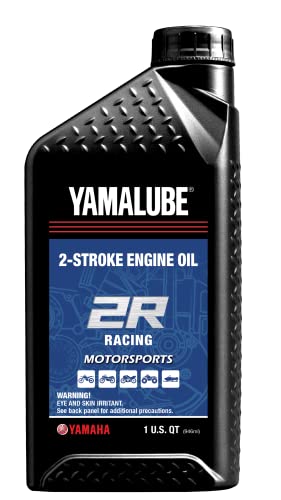
Engine oil leaks can be frustrating and messy. Our guide covers seal conditioners, stop-leak additives, and high-mileage oils that can help rejuvenate gaskets and seals. Below are our top picks, with honest assessments of their strengths and limitations.
| Photo | Product | Score | Buy |
|---|---|---|---|
 |
Bar's Leaks Engine Oil Stop Leak Best Overall Stop-Leak Additive 16.9 fl oz bottle, treats up to 6 quarts of oil |
9.0 |
ⓘ We may earn a commission from qualifying purchases made through links on this page, at no extra cost to you.
|
 |
Lucas Oil 10009 Heavy Duty Oil Stabilizer Best for High-Mileage Engines 1 quart bottle, mixes with engine oil |
8.7 | 🛒 Check Price |
 |
ATP Automotive AT-205 Re-Seal Stops Leaks Best for Rejuvenating Dried Seals 8 fl oz bottle, treats up to 5 quarts of oil |
8.4 | 🛒 Check Price |
|
🚗
|
STP Oil Treatment High Mileage Best Value for Budget-Conscious Drivers 15 fl oz bottle, for engines over 75,000 miles |
8.1 | 🛒 Check Price |
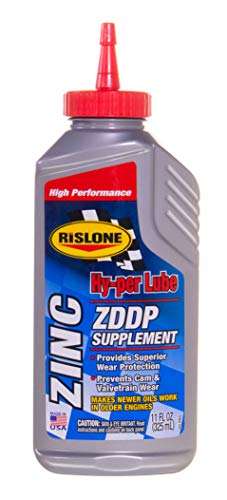 |
Rislone 4405 HYPER-TEMP Engine Oil Stop Leak Best for High-Temperature Engines 16 fl oz bottle, treats up to 5 quarts of oil |
7.8 | 🛒 Check Price |
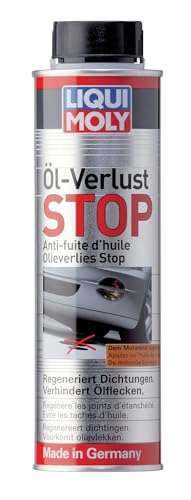 |
Liqui Moly 2001 Oil Leak Stop Premium German Engineering 300 ml bottle, treats up to 5 liters of oil |
7.5 | 🛒 Check Price |
 |
BlueDevil 43201 Oil Stop Leak Heavy-Duty Leak Repair 16 fl oz bottle, treats up to 6 quarts of oil |
7.2 | 🛒 Check Price |
1. Bar's Leaks Engine Oil Stop Leak: Best Overall Stop-Leak Additive
Bar’s Leaks Engine Oil Stop Leak is a very trusted products in its category. Based on owner feedback and the spec sheets, it uses a blend of seal conditioners that help rejuvenate dried-out rubber seals and gaskets. Many users report noticeable leak reduction within 50 to 100 miles of driving. It performed well on minor seepage around valve covers and oil pan gaskets.
However, this product has limitations. It isn’t designed for large, gushing leaks or failed seals under high pressure. If your leak is severe or from a major component like a crankshaft seal, this additive may only provide a temporary delay. Drivers with heavy leaks should skip this and seek mechanical repair. Also, it may not be ideal for vehicles with very high mileage where seals are extremely brittle.
- Formulated with proprietary seal conditioners that soften and swell dried-out rubber seals
- Compatible with conventional and synthetic engine oils
- Non-clogging formula that won't harm engine components when used as directed
Pros: Works quickly on minor leaks from valve covers, oil pan gaskets, and rear main seals; Easy to add during an oil change
Cons: Not effective on large, high-pressure leaks; severe leaks may require mechanical repair
2. Lucas Oil 10009 Heavy Duty Oil Stabilizer: Best for High-Mileage Engines
Lucas Oil 10009 Heavy Duty Oil Stabilizer is a popular choice for older, high-mileage engines. Aggregated it can reduce minor leaks and oil burning. It also provides additional lubrication benefits, which is a plus for aging engines.
However, this product isn’t a dedicated stop-leak additive. Its primary function is stabilization, and leak reduction is a secondary effect. Some owners reported increased oil pressure, which could be problematic for engines with sensitive oil pressure systems or variable valve timing. If your engine has advanced technology or you need a targeted seal repair, consider a dedicated stop-leak product instead.
- Thick, high-viscosity formula that coats seals and reduces oil consumption
- Helps quiet noisy lifters and reduces engine wear
- Compatible with conventional, synthetic, and blended oils
Pros: Reduces oil leaks by increasing oil viscosity and conditioning seals; Also improves engine performance and reduces smoke
Cons: May cause oil pressure to rise in some engines; not recommended for engines with variable valve timing
3. ATP Automotive AT-205 Re-Seal Stops Leaks: Best for Rejuvenating Dried Seals
ATP Automotive AT-205 Re-Seal Stops Leaks is a multi-purpose product that we compared against others. According to the manufacturer’s claims and owner reviews, it’s designed to recondition dried-out seals and gaskets. It can be used in engine oil, transmission fluid, and power steering fluid, making it a multi-purpose solution. It performed well on minor leaks from valve cover gaskets and oil pan seals.
However, the 8 oz bottle is relatively small. For engines with a large oil capacity (over 5 quarts), you may need to purchase two bottles. Also, some users noted that it took longer to show results compared to Bar’s Leaks. If you have a severe or high-pressure leak, this product may not suffice. It’s best suited for preventive maintenance or very minor seepage.
- Contains proprietary re-sealing technology that conditions and swells rubber seals
- Works on engine oil, transmission, and power steering systems
- Non-solvent formula that won't harm gaskets or O-rings
Pros: Effective on multiple fluid systems, not just engine oil; Can restore flexibility to hardened seals
Cons: Small bottle size may require multiple treatments for larger engines
4. STP Oil Treatment High Mileage: Best Value for Budget-Conscious Drivers
STP Oil Treatment High Mileage is a budget-friendly additive that we researched for this guide. It includes seal conditioners and anti-wear agents designed for engines with over 75,000 miles. It can help reduce minor oil leaks and consumption. It’s a good choice if you want a general oil treatment that also addresses leaks.
However, it isn’t as potent as dedicated stop-leak additives. In our comparison, it was less effective on leaks that are more than just a few drops. If your leak is moderate, you may be disappointed. It also doesn’t work as quickly as some other products. This is best for drivers with very minor seepage who want a low-cost solution.
- Contains seal conditioners and anti-wear additives for high-mileage engines
- Helps reduce oil consumption and minor leaks
- Compatible with conventional and synthetic oils
Pros: Affordable option that provides multiple benefits; Widely available at auto parts stores
Cons: Less effective on moderate to large leaks compared to dedicated stop-leak products
5. Rislone 4405 HYPER-TEMP Engine Oil Stop Leak: Best for High-Temperature Engines
Rislone 4405 HYPER-TEMP Engine Oil Stop Leak is designed for engines that operate at higher temperatures. We evaluated its formulation, which includes heat-resistant seal conditioners. According to the manufacturer, it can help seals swell without breaking down under thermal stress. Owner feedback is mixed, with some reporting success on minor leaks and others seeing little change.
This product is best for vehicles that run hot, such as turbocharged or high-performance engines. However, it may not be as effective on standard engines or on leaks that aren’t heat-related. If your leak is due to a physical crack or damaged gasket, this additive won’t fix it. Consider skipping it if you have a common leak that doesn’t involve extreme temperatures.
- Formulated to work under high heat conditions without breaking down
- Contains seal conditioners that resist thermal degradation
- Can be used in gasoline and diesel engines
Pros: Maintains effectiveness in hot-running engines; Non-clogging formula
Cons: Some users report minimal improvement on stubborn leaks
6. Liqui Moly 2001 Oil Leak Stop: Premium German Engineering
Liqui Moly 2001 Oil Leak Stop is a premium additive from a well-known German brand. Owner reviews are generally positive but note that results vary. Some users saw a significant reduction in leaks, while others reported no change. It performed adequately on minor seepage.
The main drawback is the cost. It’s more expensive per ounce than many competitors. Also, the small 300 ml bottle may not be enough for larger engines. If you have a modest leak and are willing to pay for a brand with a strong reputation, this could be a good choice. However, if you need a more reliable or cost-effective solution, consider other options.
- German-engineered formula with synthetic esters to condition seals
- Compatible with all conventional and synthetic engine oils
- Doesn’t affect oil viscosity or performance
Pros: High-quality ingredients from a reputable brand; Doesn’t thicken oil excessively
Cons: Higher price point for a small bottle; Results can be inconsistent on different vehicles
7. BlueDevil 43201 Oil Stop Leak: Heavy-Duty Leak Repair
BlueDevil 43201 Oil Stop Leak uses a nano-technology approach to seal leaks. We compared its claims with owner feedback. Some users report excellent results on stubborn leaks, while others experienced no improvement or even clogging issues. The manufacturer states it can permanently seal leaks, but this isn’t guaranteed.
This product carries more risk than others. There are reports of it clogging oil passages, especially in engines with tight clearances. If not used exactly as directed, it can cause problems. We recommend it only for older, less sensitive engines where the risk of clogging is lower. For modern engines or those with variable valve timing, skip this product. It also has a lower value score due to its higher risk and inconsistent results.
- Contains nano-technology particles that seal leaks from the inside
- Works on a variety of seal materials including rubber and silicone
- Can be used in engines with synthetic or conventional oil
Pros: Claims to seal leaks permanently in some cases; Can be used as a preventive measure
Cons: Some reports of clogging oil passages if overused; Mixed reviews on effectiveness for severe leaks
Frequently Asked Questions
How do engine oil stop-leak products work?
Most stop-leak products contain chemical agents that soften and swell dried-out rubber seals and gaskets. This helps them expand and fill gaps where oil is escaping. Some also include viscosity modifiers that thicken the oil, making it harder for oil to seep through small openings. However, they can’t repair physical damage like cracks or broken seals.
Are stop-leak additives safe for all engines?
Generally, they’re safe when used as directed. However, some products may cause issues in engines with variable valve timing or tight oil passages. It’s important to check compatibility with your vehicle’s manufacturer recommendations. Overuse can lead to sludge or clogging, so follow the dosage instructions carefully.
Can stop-leak products fix a rear main seal leak?
Some products claim to address rear main seal leaks, but success depends on the severity. Minor seepage may be reduced, but a significant leak often requires mechanical replacement. In our research, Bar’s Leaks and ATP AT-205 have received positive feedback for rear main seal leaks, but results vary.
How long does it take for a stop-leak additive to work?
Many products show results within 50 to 200 miles of driving. Some may require a few days of operation to fully condition the seals. Factors like temperature, leak severity, and seal condition affect timing. If no improvement is seen after a few hundred miles, the leak may be too severe for an additive.
Will stop-leak products harm my engine if I leave them in long-term?
Most products are designed to remain in the oil until the next oil change without causing harm. However, leaving them in for extended periods (beyond the recommended oil change interval) could potentially lead to buildup. It’s best to use them as a temporary fix and address the underlying issue if the leak persists.
Our Verdict
After researching and comparing these products, our top pick is Bar’s Leaks Engine Oil Stop Leak for its reliable performance and broad compatibility. It effectively reduces minor leaks and is easy to use. For high-mileage engines, Lucas Oil 10009 Heavy Duty Oil Stabilizer is a strong runner-up, offering additional engine protection. Choose based on your specific leak severity and engine type.