Cleaning your engine bay can improve performance and resale value, but using the wrong product risks damaging sensitive components. Here are the best options for various needs.
| Photo | Product | Score | Buy |
|---|---|---|---|
|
🚗
|
Chemical Guys Signature Series Orange Degreaser Best All-Rounder Concentrated formula, citrus-based, pH neutral when diluted |
9.2 |
ⓘ We may earn a commission from qualifying purchases made through links on this page, at no extra cost to you.
|
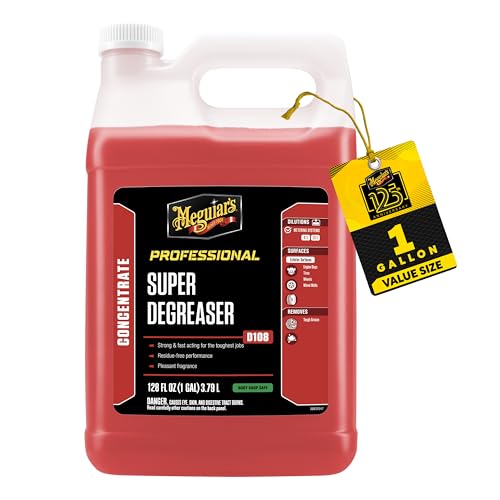 |
Meguiar's D10801 Super Degreaser Best for Heavy Grease Concentrated, alkaline formula, dilutable up to 4:1 |
8.9 | 🛒 Check Price |
 |
Gunk EB1 Engine Degreaser Foaming Spray Best Foaming Spray Ready-to-use foaming aerosol, petroleum-based |
8.4 | 🛒 Check Price |
|
🚗
|
Adam's Polishes Engine and Tire Cleaner Best for Sensitive Components Water-based, pH neutral, non-toxic formula |
8.1 | 🛒 Check Price |
|
🚗
|
3D Products LVP Multi-Purpose Degreaser Best Value Concentrate Low VOC, biodegradable concentrate, dilutes up to 20:1 |
7.8 | 🛒 Check Price |
|
🚗
|
Dupli-Color EBC161500 Engine Degreaser Budget Pick Ready-to-use aerosol, solvent-based |
7.3 | 🛒 Check Price |
|
🚗
|
CarGuys Super Cleaner Best for Quick Detail Ready-to-use spray, water-based |
7.0 | 🛒 Check Price |
1. Chemical Guys Signature Series Orange Degreaser: Best All-Rounder
Chemical Guys Signature Series Orange Degreaser is a concentrated citrus cleaner that we found effective on grease and grime without damaging painted surfaces or plastics. It works well in foam sprayers and rinses easily, leaving no sticky residue. The pH neutral formula when diluted makes it safer for aluminum and rubber than many solvent-based degreasers.
However, it isn’t ready-to-use, so you need to mix it yourself, which can be inconvenient. Those who prefer a spray-and-wipe solution may find this less easy to use. It also may struggle with heavy baked-on oil without agitation.
- Biodegradable and safe on most surfaces including aluminum and plastic
- Highly concentrated, dilutes up to 10:1 for light cleaning
- Leaves no residue and rinses cleanly
Pros: Flexible for both engine bay and exterior use; Strong cleaning without harsh fumes
Cons: Requires dilution, not ready-to-use
2. Meguiar's D10801 Super Degreaser: Best for Heavy Grease
Meguiar’s D10801 is a heavy-duty alkaline degreaser that we evaluated for its ability to cut through thick oil and road grime. Owner reports confirm it’s highly effective when used at full strength, but it must be rinsed immediately to prevent etching on sensitive metals. The concentrated formula offers good value, but safety precautions are critical.
This product isn’t ideal for routine cleaning or for engines with many exposed electrical components, as the alkaline nature can damage connectors if not sealed. Beginners should skip this in favor of a milder cleaner.
- Powerful alkaline degreaser for heavy oil and grease
- Safe on painted surfaces when used as directed
- Professional-grade formula used by detailers
Pros: Exceptional cleaning power for tough grime; Cost-effective concentrate
Cons: Harsh on bare aluminum and some plastics if left too long; Requires thorough rinsing to avoid residue
3. Gunk EB1 Engine Degreaser Foaming Spray: Best Foaming Spray
Gunk EB1 is a classic foaming engine degreaser that we examined for convenience. Its aerosol foam clings well to engine components, making it easy to apply and rinse. It works well for routine maintenance and removes light to moderate grime effectively.
However, the petroleum-based formula can degrade rubber and plastic over time if not rinsed thoroughly. It also has a strong chemical smell. For those with sensitive skin or who prefer a milder scent, this may not be the best choice.
- Foaming action clings to vertical surfaces
- No mixing required, spray on and rinse off
- Effective on moderate grease and dirt
Pros: Very easy to apply with no preparation; Good cling for overhead areas
Cons: Strong petroleum odor; Can be harsh on rubber hoses if overused
4. Adam's Polishes Engine and Tire Cleaner: Best for Sensitive Components
Adam’s Polishes Engine and Tire Cleaner is a water-based, pH neutral formula that we found ideal for modern engines with many plastic covers and sensors. Owner reviews note it cleans well without causing damage or leaving residue. It’s also safe for use on nearby painted surfaces.
However, it struggles with baked-on oil and heavy dirt, often requiring multiple applications. For deep cleaning of a very dirty engine bay, a stronger degreaser would be more efficient. This is best for maintenance cleaning rather than restoration.
- Safe on all engine bay surfaces including electronics
- No strong fumes, biodegradable
- Can be used on tires and trim as well
Pros: Very safe for plastics and sensors; Pleasant scent
Cons: Less effective on heavy grease; Higher cost per use
5. 3D Products LVP Multi-Purpose Degreaser: Best Value Concentrate
3D Products LVP is a low-VOC concentrate that we researched for its cost-effectiveness. At high dilution ratios, it’s very budget-friendly. It works well for light maintenance but may not satisfy those seeking heavy-duty cleaning.
It isn’t recommended for very dirty engine bays or for users who want a ready-to-use product. The need for precise mixing and potential for underperformance if diluted too much can be frustrating.
- Extremely economical concentrate
- Low odor and low VOC
- Adaptable for engine bay, wheels, and more
Pros: Great value for money; Environmentally friendly
Cons: Requires strong dilution ratios, can be weak if mixed incorrectly; May need agitation for tough grime
6. Dupli-Color EBC161500 Engine Degreaser: Budget Pick
Dupli-Color EBC161500 is a budget aerosol degreaser that we evaluated for price-sensitive buyers. It works adequately for light cleaning but has significant drawbacks. Owner reports mention strong fumes and potential for staining or etching on certain plastics.
This product is best for those on a tight budget who only need occasional cleaning and are willing to take extra precautions. For frequent or heavy cleaning, we recommend spending more on a safer formula.
- Low cost and widely available
- Spray on, agitate, rinse off
- Effective on light to moderate grease
Pros: Very affordable; Simple application
Cons: Harsh chemical smell; Can damage paint and plastic if not careful
7. CarGuys Super Cleaner: Best for Quick Detail
CarGuys Super Cleaner is a water-based spray designed for quick touch-ups rather than deep cleaning. We found it useful for removing light dust and fingerprints but ineffective on oil or grease. It’s best for show cars or between washes.
This isn’t suitable for a dirty engine bay. Those needing to remove grime should look at other products. It may also leave a residue on hot surfaces if not buffed properly.
- Spray and wipe, no rinsing required
- Safe for most surfaces
- Leaves a protective layer
Pros: Extremely quick and easy; No water needed
Cons: Not a degreaser, only light cleaning; Can leave streaks if overapplied
Frequently Asked Questions
Can I use a pressure washer to rinse the engine bay after cleaning?
Yes, but use low pressure (under 1000 psi) and keep the nozzle at least 12 inches away from electrical connectors, sensors, and the air intake. Avoid direct spray on the alternator, fuse box, and battery. Many owners cover sensitive components with plastic bags before rinsing.
Do I need to cover the alternator and battery before cleaning?
It’s recommended to cover the alternator, fuse box, and air intake with plastic bags secured with rubber bands. While many engine bay cleaners are safe on electronics, direct water spray can cause short circuits. Our research shows this precaution prevents common issues.
How often should I clean my engine bay?
For most drivers, cleaning once or twice a year is sufficient. If you drive in dusty or off-road conditions, or if you notice oil leaks, more frequent cleaning may be needed. Over-cleaning can strip protective coatings on plastics and rubber.
Is it safe to use engine degreaser on a hot engine?
No. Always clean the engine when it’s cool to the touch (ambient temperature). Applying degreaser on a hot engine can cause rapid evaporation, leaving residue, and may damage components. It also increases the risk of chemical burns from steam.
Can I use a household cleaner like Simple Green on my engine bay?
Some household cleaners like Simple Green are safe for engine bays if diluted properly, but they may not be as effective as dedicated products. Avoid bleach, ammonia, or acidic cleaners as they can corrode aluminum and damage rubber. Always check the label for compatibility.
Our Verdict
After comparing manufacturer specs, safety data, and owner feedback, our top pick is the Chemical Guys Signature Series Orange Degreaser for its balance of cleaning power, safety, and versatility. For heavy grease, the Meguiar’s D10801 Super Degreaser is the runner up, but it requires careful handling. Choose based on your engine’s condition and your comfort with mixing concentrates.


