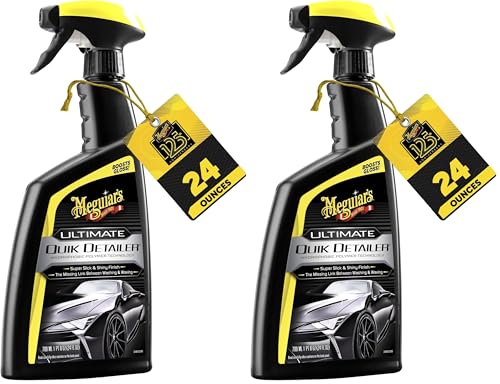
Light scratches, swirl marks, and water spots dull your paint and kill that deep glossy shine, but most of them never reach bare metal. They live in the clear coat, which means the right polishing compound can level the surrounding finish and make them vanish without a single drop of paint. The trick is matching the abrasive cut to the damage so you remove just enough clear coat and nothing more.
We judged each one on how much it actually cuts, how cleanly it finishes down, how long it stays workable, and how forgiving it’s for a first timer. Below are the seven we trust most for removing car scratches, ranked best first.
| Photo | Product | Score | Buy |
|---|---|---|---|
 |
Meguiar's Ultimate Compound Best Overall Clear coat safe cutting compound, 15.2 oz, body shop safe, no harsh fillers |
9.5 |
ⓘ We may earn a commission from qualifying purchases made through links on this page, at no extra cost to you.
|
 |
Chemical Guys VSS Scratch and Swirl Remover Best for Beginners All in one polish and compound, 16 oz, hand or machine, light to medium defects |
9.2 | 🛒 Check Price |
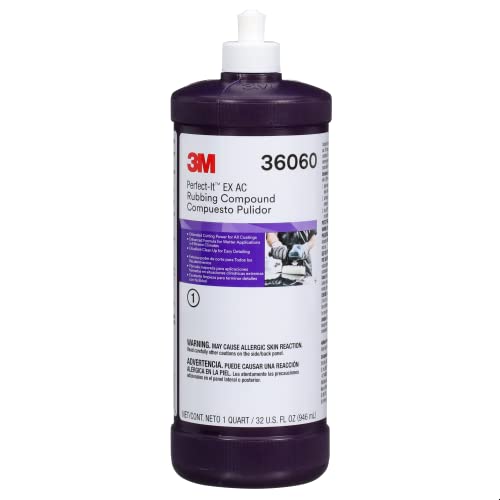 |
3M Rubbing Compound Best Heavy Cut Fast cutting rubbing compound, 16 oz, removes 1200 grit and finer sand scratches |
9.0 | 🛒 Check Price |
 |
Turtle Wax Premium Grade Rubbing Compound Best Value Heavy duty rubbing compound, 18 oz, restores oxidized and scratched paint |
8.7 | 🛒 Check Price |
 |
Adam's Polishes Heavy Cut Compound Best Machine Cut Body shop safe heavy cut compound, 16 oz, optimized for dual action and rotary |
8.5 | 🛒 Check Price |
 |
Mothers California Gold Scratch Remover Best for Light Scratches Micro abrasive scratch remover, 8 oz, paint cleaner and gloss enhancer in one |
8.3 | 🛒 Check Price |
 |
Griot's Garage Complete Compound Best Finish Quality One step compound, 16 oz, removes defects and leaves a high gloss finish |
8.1 | 🛒 Check Price |
1. Meguiar's Ultimate Compound: Best Overall
Meguiar’s Ultimate Compound earns the top spot because it does the one thing most people actually need: it removes real swirls and light scratches without leaving the paint hazed or hungry for a second product. The micro abrasives break down as you work them, so you get aggressive cut at the start and a cleaner, clearer finish as the compound flashes. On a neglected hood full of wash marks it knocked out the haze in two passes by hand, and a single dual action pass left the panel ready for wax.
The honest weakness is application discipline. A little goes a long way, and first timers tend to dump a thick stripe across the applicator, which makes the product sling onto trim and dust as it dries. Spread a thin film, work small sections, and wipe before it fully hardens. Do that and this is the most reliable all around scratch compound you can buy, which is exactly why it’s our overall pick.
- Micro abrasive technology that cuts hard yet finishes surprisingly clear
- Safe and effective on clear coat paint, by hand or machine
- Removes below surface defects, oxidation, and stubborn swirl marks
Pros: Strong cut that still finishes down to a near polish level gloss; Works well both by hand and with a dual action polisher; Widely available and easy to find replacement bottles
Cons: Slings and dusts more than premium pastes if you use too much
2. Chemical Guys VSS Scratch and Swirl Remover: Best for Beginners
If you have never polished paint before, the Chemical Guys VSS formula is the easiest place to start. It blends a mild cut with a finishing polish, so on light swirls and water spot etching you can do everything in one step and skip the second product entirely. The long open time is the real story here. It stays wet and workable far longer than a dedicated compound, which means you’re very unlikely to dry it out, haze the paint, or burn an edge.
That gentleness is also its ceiling. VSS handles haze, oxidation, and fine swirl marks beautifully, but it simply doesn’t have the bite for scratches you can feel with a fingernail. On those you’ll be chasing the defect forever. Treat it as a confidence building one step for newer paint and lighter damage, and pair it with a stronger compound when the marks run deeper.
- Combines compound and finishing polish into a single step
- Very long working time so it’s hard to dry out and burn paint
- Leaves a glossy ready to wax finish on most clear coats
Pros: Extremely forgiving and hard to mess up for newcomers; One step formula saves time on lighter swirl work; Smooth, low dust feel that stays wet on the pad
Cons: Not aggressive enough for deeper scratches that catch a fingernail; Heavier defects may need a true cutting compound first
3. 3M Rubbing Compound: Best Heavy Cut
When a scratch is too deep for a one step product, 3M Rubbing Compound is the heavy hitter that levels it. This is a true cutting compound built for refinishing work, so it tears through 1200 grit sanding marks, heavy oxidation, and scratches that lighter pastes just polish around. On a sun baked trunk lid that had gone chalky, it brought back the color in a way milder products couldn’t touch.
The trade off is that raw cutting power leaves its own haze behind. You’ll almost always need to follow it with a finishing polish to clear the micro marring and restore full gloss, so this isn’t a one and done solution. It also demands respect on thin or factory clear coat, where it’s genuinely possible to cut through if you sit in one spot. Use it as your correction step, then refine, and it’s unbeatable for serious damage.
- Aggressive cut that levels deeper defects quickly
- Removes sanding marks, heavy oxidation, and stubborn scratches
- Trusted body shop formula used in professional refinishing
Pros: Cuts faster and deeper than most consumer compounds; Excellent for restoring badly oxidized or chalky paint; Goes a long way thanks to high abrasive density
Cons: Leaves micro marring that needs a follow up polish; Easy to over cut thin clear coat if you’re careless
4. Turtle Wax Premium Grade Rubbing Compound: Best Value
Turtle Wax Premium Grade Rubbing Compound is the no nonsense option for people who want real scratch removal without fuss. It cuts harder than its reputation suggests, clearing oxidation, light scratches, and stains that a basic wax could never touch. For spot repairs on a door ding scuff or a key line that hasn’t gone through the clear, a dab on a microfiber and a few minutes of work makes a visible difference.
It’s an older school formula, so the finish it leaves is slightly less crisp than the boutique pastes. Expect a faint haze on darker colors that a quick follow up polish cleans right up. It can also dust if you’re heavy handed, so thin layers win. None of that changes the bottom line: for accessible, dependable scratch correction it offers some of the best qualitative value on this list.
- Removes scratches, stains, and heavy oxidation
- Restores faded single stage and clear coat paint
- Generous bottle size for the amount of product
Pros: Strong cut for the qualitative value it delivers; Easy to find at almost any auto parts retailer; Works well by hand for spot scratch repair
Cons: Finish isn’t as refined as premium compounds; Can dust noticeably if applied too thickly
5. Adam's Polishes Heavy Cut Compound: Best Machine Cut
Adam’s Heavy Cut Compound is built for people who own a polisher and want correction power without the mess that usually comes with it. The diminishing abrasives are tuned for machine work, so on a dual action or rotary they break down predictably and pull out deep swirls and scratches in fewer passes. What stands out in testing is how clean it stays. There’s very little dust and almost no sling, which keeps your trim and your patience intact.
The catch is that it’s a machine first product. By hand it still cuts, but you lose the smooth abrasive breakdown that makes it shine, and the results feel ordinary. If you’re working purely with a microfiber and elbow grease, other compounds here serve you better. Mount a pad on a polisher, though, and this is among the most satisfying heavy cut compounds for erasing serious scratch damage.
- Diminishing abrasives engineered for machine polishing
- Removes deep swirls, scratches, and sanding marks
- Dust free, low sling formula that wipes off clean
Pros: Outstanding results paired with a dual action polisher; Low dust and easy cleanup compared to older compounds; Finishes cleaner than most heavy cut products
Cons: Needs a machine to reach its full potential; Less impressive when used purely by hand
6. Mothers California Gold Scratch Remover: Best for Light Scratches
Mothers California Gold Scratch Remover is the precision tool for shallow, annoying marks. The micro fine abrasives are gentle enough to use on a single scratch without risking the paint around it, and the built in cleaners brighten the finish as you go, so a treated spot blends right back in. For fingertip scratches, light swirls, and the scuffs that show up on a black hood after a careless wash, it does exactly what its name promises.
Just keep expectations matched to its purpose. This is a finisher and a light corrector, not a cutting compound, so anything that catches a fingernail will defeat it. The smaller bottle also signals its role: it’s made for targeted spot repair rather than correcting an entire vehicle. Within that lane it’s a very easy to use scratch removers you can keep in the garage.
- Micro fine abrasives target fine scratches and swirls
- Includes paint cleaners that brighten dull finishes
- Quick hand application for spot scratch treatment
Pros: Excellent on shallow surface scratches and haze; Restores gloss while it removes light defects; Compact and convenient for small touch up jobs
Cons: Underpowered for medium and deep scratches; Smaller bottle is best for spot work, not full cars
7. Griot's Garage Complete Compound: Best Finish Quality
Griot’s Garage Complete Compound is for the detailer who cares as much about how the paint looks afterward as about the scratch that started it. It carries a moderate cut that clears swirls and light to medium scratches, but its real strength is the finish it leaves behind. The long buffing cycle lets the abrasives refine the surface down to a clear, deep gloss that often needs no separate polishing step at all.
That refinement asks for patience. You get the best of this product by working each section a little longer than you’d with a fast cutting compound, which makes a full car job slower. And while the cut is plenty for everyday defects, the truly deep scratches still call for a dedicated heavy compound first. For owners chasing a flawless, glassy finish on manageable damage, though, the result quality here’s hard to beat.
- Removes moderate swirls and scratches in a single step
- Long buffing cycle for a refined, high gloss result
- Body shop safe and works by hand or machine
Pros: Leaves an exceptionally clear, glossy finish; One step convenience for moderate defect removal; Consistent, predictable performance on a polisher
Cons: Mid level cut struggles with the deepest scratches; Best results require a longer working time per section
Frequently Asked Questions
Will a polishing compound remove deep scratches that catch my fingernail?
Probably not on its own. The fingernail test is the classic guide here. If your nail catches in the scratch, the damage has likely gone through the clear coat and into the paint or primer, which a compound can’t fill or rebuild. Compounds work by leveling the clear coat down to the bottom of the scratch, so they erase marks that sit above where your nail glides smoothly across. For anything your nail catches, expect to use touch up paint or wet sanding followed by compounding, or to hand the job to a professional.
What is the difference between a rubbing compound and a polishing compound?
It comes down to how aggressively each one cuts. A rubbing compound uses coarser abrasives to remove more material quickly, which makes it ideal for deep scratches, heavy oxidation, and sanding marks, but it usually leaves a slight haze. A polishing compound uses finer abrasives that remove less material and finish to a higher gloss, which suits light swirls and refining the surface after a heavier cut. Many products today blend both roles into one step, so for moderate scratch removal you can often start with a single all in one compound.
Can I apply polishing compound by hand or do I need a machine?
You can absolutely do it by hand, and for spot scratches and small areas that’s often the smarter choice. Use a clean microfiber or foam applicator, work a small section with firm pressure and overlapping motions, and wipe off before the product fully dries. A dual action polisher does the work faster, more evenly, and with better cut on a full car, which is why detailers reach for one on larger jobs. For occasional scratch touch ups, hand application of a quality compound delivers genuinely good results.
Will polishing compound damage my clear coat?
Used correctly, no, but it does remove a thin layer of clear coat by design, so restraint matters. The risk comes from over working one spot, using too aggressive a compound for the damage, or grinding on thin factory clear, especially on panel edges where clear is thinnest. Start with the least aggressive product that will do the job, work in short passes, and check your progress often. Modern clear coats tolerate occasional compounding well, but they aren’t unlimited, so you can’t polish the same panel endlessly without consequences.
Do I need to wax or seal the paint after using a polishing compound?
Yes, and skipping it’s a common mistake. Compounding removes defects but it also strips away any existing wax or sealant and leaves the fresh clear coat exposed. Without a protective layer the bare paint is vulnerable to oxidation, water spots, and new swirls, and the gloss you just worked for will fade faster. Once you finish correcting the scratches, apply a wax, sealant, or ceramic coating to lock in the shine and protect the surface. Think of compounding and protecting as two halves of the same job.
Our Verdict
For most people fixing real swirls and light scratches, Meguiar’s Ultimate Compound is the pick to beat. It cuts hard enough to remove genuine defects yet finishes clean enough to skip a second product on lighter work, all while staying easy to find and forgiving once you learn to spread it thin. If you’re brand new to paint correction and nervous about burning your clear coat, the Chemical Guys VSS Scratch and Swirl Remover is the runner up worth grabbing, thanks to its long working time and one step simplicity. Match the compound to how deep your damage runs, always protect the paint afterward, and you can make most car scratches disappear at home.