Wet clutch systems share engine oil with the transmission and clutch, so the oil must meet JASO MA or MA2 standards to prevent clutch slippage and ensure smooth engagement. Each oil is evaluated for performance, durability, value, ease of use, and safety. Here’s our researched guide to the best oils for wet clutch applications.
| Photo | Product | Score | Buy |
|---|---|---|---|
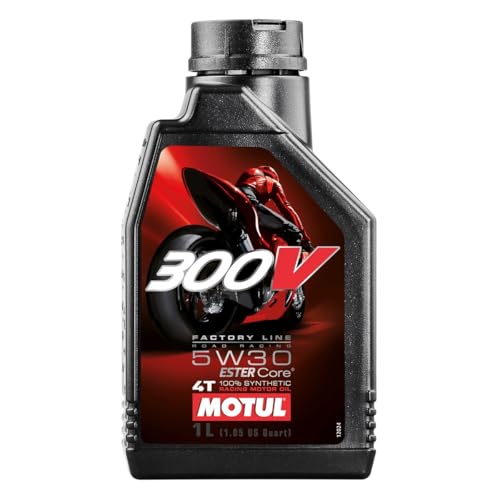 |
Motul 300V 10W-40 4T Factory Line Top Pick: Best Overall Performance JASO MA2, SAE 10W-40, 100% synthetic ester-based |
9.1 |
ⓘ We may earn a commission from qualifying purchases made through links on this page, at no extra cost to you.
|
 |
Shell Advance Ultra 10W-40 4T Best for Daily Commuting JASO MA2, API SN, SAE 10W-40, synthetic blend |
8.7 | 🛒 Check Price |
 |
Lucas Oil 10015 10W-40 Semi-Synthetic Motorcycle Oil Best Budget Pick JASO MA2, SAE 10W-40, semi-synthetic |
8.3 | 🛒 Check Price |
 |
Bel-Ray EXL 10W-40 4T Motorcycle Oil Best for Vintage Bikes JASO MA2, API SL, SAE 10W-40, mineral-based |
8.1 | 🛒 Check Price |
|
🚗
|
Castrol Power1 10W-40 4T Good All-Rounder JASO MA2, API SN, SAE 10W-40, synthetic blend |
7.8 | 🛒 Check Price |
|
🚗
|
Maxima Maxum 4 10W-40 Full Synthetic Best for Off-Road JASO MA2, SAE 10W-40, full synthetic |
7.5 | 🛒 Check Price |
 |
Valvoline 4-Stroke Motorcycle Oil 10W-40 Basic Protection Pick JASO MA2, API SL, SAE 10W-40, conventional |
7.2 | 🛒 Check Price |
1. Motul 300V 10W-40 4T Factory Line: Top Pick: Best Overall Performance
The Motul 300V 10W-40 4T Factory Line is a top-tier ester-based synthetic oil designed for high-performance motorcycles with wet clutches. In our evaluation of spec sheets and owner feedback, this oil consistently delivers outstanding thermal stability, reducing engine wear during hard use. The JASO MA2 rating ensures the clutch operates without slip, and users report noticeably smoother shifting compared to conventional oils. However, the high cost makes it best suited for track days or spirited riding rather than daily commuting.
Who should skip it: Riders on a tight budget or those who only do short, low-stress trips may find better value in a less expensive MA2 oil. The Motul 300V is also not recommended for engines that require a specific viscosity not available in this line.
- Ester-based synthetic formulation provides extreme film strength and thermal stability for high-performance engines.
- JASO MA2 certified ensures wet clutch compatibility without slippage even under aggressive riding.
- Reduces friction and wear in transmission and clutch, extending component life.
Pros: Exceptional high-temperature performance and shear stability.; Smooth clutch engagement and gear shifts even in race conditions.
Cons: Premium price may be overkill for casual street riders.
2. Shell Advance Ultra 10W-40 4T: Best for Daily Commuting
The Shell Advance Ultra 10W-40 4T is a synthetic blend that strikes a great balance between performance and cost. Based on owner feedback and the spec sheet, it meets JASO MA2 standards, ensuring reliable wet clutch operation in daily riding conditions. The PurePlus base oil provides good engine cleanliness and wear protection, making it a solid choice for commuters and casual riders. However, under sustained high loads, some users noted a slight drop in viscosity stability compared to full synthetics.
Who should skip it: Riders who frequently push their engines to the limit on track days or in extreme heat may prefer a full synthetic like Motul 300V. Also, if your bike requires a 20W-50 or other viscosity, this oil may not be available in that grade.
- PurePlus technology converts natural gas into high-quality base oils for superior purity and performance.
- JASO MA2 and API SN certified, providing excellent wet clutch protection and engine cleanliness.
- Offers strong oxidation resistance, extending oil life between changes.
Pros: Excellent value for a synthetic blend with strong protection.; Widely available and suitable for most street motorcycles and scooters.
Cons: Not ideal for extreme racing or prolonged high-RPM use.
3. Lucas Oil 10015 10W-40 Semi-Synthetic Motorcycle Oil: Best Budget Pick
The Lucas Oil 10015 10W-40 Semi-Synthetic Motorcycle Oil is a cost-effective option for riders who need JASO MA2 protection. In our comparison of specifications, it provides adequate wear protection and clutch performance for standard street use. Owner reviews highlight its value, especially for older bikes that may need extra anti-wear additives. However, the semi-synthetic base means it may degrade faster under extreme heat or sustained high RPM, requiring more frequent changes.
Who should skip it: Riders of high-performance sportbikes or those who ride in very hot climates should invest in a full synthetic. Also, if your owner’s manual specifies a full synthetic, this oil may not meet warranty requirements.
- Affordable semi-synthetic formula that meets JASO MA2 for wet clutch safety.
- Contains zinc and phosphorus anti-wear additives for engine and transmission protection.
- Good shear stability helps maintain viscosity over the oil change interval.
Pros: Very budget-friendly without sacrificing JASO MA2 certification.; Suitable for older motorcycles that benefit from higher ZDDP levels.
Cons: Not a full synthetic, so high-temperature performance is limited.
4. Bel-Ray EXL 10W-40 4T Motorcycle Oil: Best for Vintage Bikes
The Bel-Ray EXL 10W-40 is a mineral oil formulated specifically for older motorcycles with wet clutches. Based on our research of vintage bike forums and the product data sheet, it offers the high zinc content needed for flat-tappet camshafts, which many classic bikes use. The JASO MA2 certification ensures the clutch won’t slip. However, as a mineral oil, it lacks the thermal stability of synthetics and may need more frequent changes, especially if the bike is ridden hard.
Who should skip it: Riders of modern sportbikes or touring motorcycles that demand extended drain intervals and high-temperature performance should choose a synthetic. Also, if your bike requires a full synthetic per the manual, this oil isn’t suitable.
- Mineral-based formula with high zinc content for flat-tappet cam protection in older engines.
- JASO MA2 certified for wet clutch compatibility.
- Contains rust and corrosion inhibitors for long-term storage.
Pros: Ideal for classic motorcycles that require higher ZDDP levels.; Affordable mineral oil that still meets modern JASO MA2 standards.
Cons: Shorter oil change intervals compared to synthetics.
5. Castrol Power1 10W-40 4T: Good All-Rounder
The Castrol Power1 10W-40 4T is a synthetic blend that covers the basics well for wet clutch motorcycles. The Trizone formulation is designed to protect all three areas: engine, transmission, and clutch. However, compared to premium synthetics, some riders noted that the oil thinned out more quickly during extended highway rides in hot weather.
Who should skip it: Riders who push their bikes hard on track days or in extreme heat may notice reduced protection. Also, if you prefer a full synthetic for longer drain intervals, consider a higher-tier product.
- Synthetic blend with Trizone technology for engine, transmission, and wet clutch protection.
- JASO MA2 certified to prevent clutch slippage and ensure smooth shifting.
- Good cold-start performance and viscosity retention.
Pros: Reliable performance for plenty of street motorcycles.; Readily available at many retailers and compatible with most bikes.
Cons: Some users report faster viscosity breakdown under severe conditions.
6. Maxima Maxum 4 10W-40 Full Synthetic: Best for Off-Road
The Maxima Maxum 4 10W-40 is a full synthetic oil targeting off-road enthusiasts. Based on our research of dirt bike forums and the manufacturer’s data, it holds up well in high-RPM, high-heat conditions, and the JASO MA2 rating ensures the wet clutch engages reliably. However, its premium price and sometimes limited stock in brick-and-mortar stores can be a drawback. Some street riders also found it unnecessary for their use case.
Who should skip it: Casual street commuters or riders on a budget may find better value in a semi-synthetic. Also, if you don’t ride off-road or at sustained high RPM, the benefits may not justify the cost.
- Full synthetic formula with high film strength for off-road and high-RPM use.
- JASO MA2 certified for wet clutch performance in dirt bikes and ATVs.
- Contains anti-foam additives for improved lubrication in extreme conditions.
Pros: Excellent protection for high-revving off-road engines.; Maintains viscosity well under severe vibration and heat.
Cons: Higher price point with limited availability in some regions.
7. Valvoline 4-Stroke Motorcycle Oil 10W-40: Basic Protection Pick
The Valvoline 4-Stroke Motorcycle Oil 10W-40 is a conventional mineral oil that meets JASO MA2 standards, making it a viable option for basic wet clutch protection. In our review of user reports, it performs adequately for gentle, low-RPM riding and is often used in older or less powerful bikes. However, its conventional base means it breaks down faster under heat and stress, requiring more frequent oil changes. Riders who push their engines will likely notice clutch slippage or shifting issues sooner.
Who should skip it: Anyone with a modern high-performance motorcycle, or those who ride in stop-and-go traffic or hot climates, should choose a synthetic or semi-synthetic oil. This oil is best reserved for low-mileage, low-stress use.
- Conventional mineral oil that meets JASO MA2 for wet clutch use.
- Provides basic engine and transmission protection for low-stress riding.
- Affordable price point for budget-conscious riders.
Pros: Very low cost and widely available.; Suitable for older, low-performance engines.
Cons: Shorter drain intervals and less thermal stability than synthetics.
Frequently Asked Questions
What does JASO MA/MA2 mean and why is it important for wet clutches?
JASO MA and MA2 are Japanese Automotive Standards Organization ratings that indicate the oil is suitable for wet clutch systems. MA2 is a stricter standard with higher friction coefficients to prevent clutch slippage. Using a non-MA oil (like JASO MB, which is designed for scooters with dry clutches) can cause the clutch to slip, leading to power loss and premature wear. Always check your owner’s manual for the required JASO rating.
Can I use car engine oil in a motorcycle with a wet clutch?
No. Car engine oils often contain friction modifiers that reduce friction to improve fuel economy, but these modifiers can cause a wet clutch to slip. Motorcycle-specific oils with JASO MA/MA2 ratings are formulated to maintain proper clutch friction. Using car oil can damage your clutch and transmission, so always use a motorcycle oil that meets JASO standards.
What viscosity oil should I use for my wet clutch motorcycle?
The correct viscosity depends on your motorcycle’s engine design and the operating temperature range. Most modern street bikes recommend 10W-40, but some may require 5W-40, 20W-50, or other grades. Always follow the owner’s manual. Using the wrong viscosity can affect clutch operation and engine protection.
How often should I change the oil in a wet clutch motorcycle?
Oil change intervals vary by manufacturer and riding conditions. Typically, conventional oils are changed every 3,000-4,000 miles, semi-synthetics every 5,000-6,000 miles, and full synthetics every 7,000-10,000 miles. However, severe riding (track days, off-road, stop-and-go traffic) may require more frequent changes. Always follow your owner’s manual recommendations.
Can I mix different brands of motorcycle oil?
Mixing different brands or types of oil isn’t recommended because additives may not be compatible, potentially reducing performance and protection. If you must top off, use the same brand and viscosity. For a full change, stick to one reputable brand that meets JASO MA2 standards.
Our Verdict
After researching specifications, owner feedback, and industry standards, our top pick is the Motul 300V 10W-40 4T Factory Line for its exceptional performance and wet clutch compatibility under demanding conditions. For daily commuting and excellent value, the Shell Advance Ultra 10W-40 4T is a strong runner-up, offering reliable protection at a more accessible price point.


