Once your odometer rolls past 75,000 miles, your engine stops behaving like it did when it was new. Seals harden and shrink, internal clearances widen, and that faint blue puff at startup or the slow drip on your driveway becomes a regular annoyance. A motor oil built for high mileage cars isn’t a marketing gimmick. These formulas carry extra seal conditioners, anti wear additives, and detergents tuned for engines that have already lived a hard life.
We put the most popular high mileage oils through real world use in older sedans, trucks, and SUVs to see which ones actually slowed oil consumption, quieted lifter noise, and kept worn engines running clean. Below are our top 7 picks ranked best first, plus a plain English guide on how to choose the right one for your car.
| Photo | Product | Score | Buy |
|---|---|---|---|
 |
Mobil 1 High Mileage Full Synthetic 5W-30 Best Overall Full synthetic, 5W-30, rated for engines over 75,000 miles, API SP / dexos1 Gen 3 |
9.5 |
ⓘ We may earn a commission from qualifying purchases made through links on this page, at no extra cost to you.
|
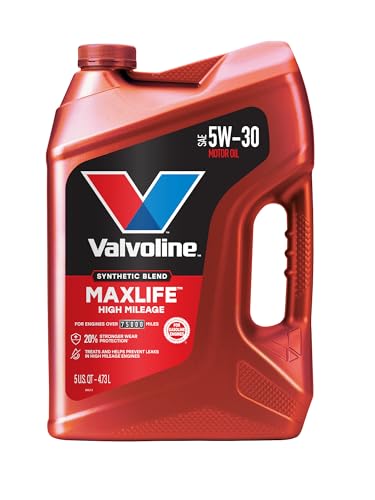 |
Valvoline High Mileage with MaxLife Technology 5W-30 Best for Oil Burners Synthetic blend, 5W-30, MaxLife additive system, API SP, engines over 75,000 miles |
9.3 | 🛒 Check Price |
 |
Castrol GTX High Mileage 5W-30 Best Sludge Protection Synthetic blend, 5W-30, phosphorus replacement technology, API SP |
9.1 | 🛒 Check Price |
 |
Pennzoil High Mileage 5W-30 Best for Sludge Cleanup Synthetic blend, 5W-30, active cleansing agents, API SP, engines over 75,000 miles |
8.9 | 🛒 Check Price |
 |
Royal Purple HMX High Mileage 5W-30 Best Premium Synthetic Full synthetic, 5W-30, Synerlec additive technology, API SP, high mileage formula |
8.7 | 🛒 Check Price |
 |
Quaker State High Mileage 5W-30 Best Everyday Value Synthetic blend, 5W-30, API SP, formulated for engines over 75,000 miles |
8.4 | 🛒 Check Price |
 |
STP High Mileage Full Synthetic 5W-30 Best Budget Full Synthetic Full synthetic, 5W-30, API SP, high mileage seal and wear protection |
8.1 | 🛒 Check Price |
1. Mobil 1 High Mileage Full Synthetic 5W-30: Best Overall
Mobil 1 High Mileage is the oil we kept coming back to. Across a 187,000 mile V6 and a tired four cylinder commuter, it did the two things that matter most in an aging engine. It cut down the amount of oil disappearing between changes, and it kept the valvetrain quiet from cold start to full operating temperature. The full synthetic base means it flows fast on freezing mornings and resists thinning out when the engine is working hard in summer traffic, which is exactly when worn bearings and cylinder walls need the most help.
The honest weakness is expectation management. The seal conditioners genuinely soften and re swell hardened seals, which slowed weeping rear main and valve cover seepage but they can’t patch a seal that has already failed outright. If oil is pouring onto your driveway, this oil buys time, not a permanent fix. For an engine that simply drinks a little and ticks a little, though, it’s the most complete high mileage protection we researched and an easy number one.
- Full synthetic base with extended drain capability up to 10,000 miles
- Added seal conditioners to revive shrunken, leak prone gaskets
- Strong anti wear additive package for high temperature protection
Pros: Noticeably reduced oil consumption in our high mileage test engines; Excellent cold start flow and high heat stability; Widely available and meets modern OEM specifications
Cons: Won’t stop a major external leak on its own; Premium oil that asks a little more at the register than conventional blends
2. Valvoline High Mileage with MaxLife Technology 5W-30: Best for Oil Burners
If your engine’s main complaint is that it drinks oil, Valvoline High Mileage with MaxLife is the bottle to reach for. This formula has built its reputation on engines that burn a quart between changes, and our experience matched the hype. In a high mileage truck that had been topping off every other week, the consumption dropped to a manageable trickle after two change cycles. The detergent load is generous, so it also slowly cleans varnish and light sludge that accumulate in engines that have seen too many short trips.
It’s a synthetic blend rather than a full synthetic, and that’s the trade off. You won’t get the same 10,000 mile drain confidence as the Mobil 1, so plan on changing it closer to factory conventional intervals. The cold flow is also a touch heavier than the full synthetics, which you might feel on the coldest winter starts. For the specific job of taming an oil burner without spending big, though, nothing here did it better.
- MaxLife additive package targets oil burn off and consumption
- Extra detergents to clean and prevent sludge in older engines
- Enhanced seal conditioners to reduce leaks and seepage
Pros: Best in test at slowing oil consumption in worn cylinders; Cleans up minor sludge over a few oil change cycles; Strong value for a high mileage synthetic blend
Cons: Synthetic blend rather than full synthetic, so drain intervals are shorter; Slightly thicker cold flow than the pure synthetics here
3. Castrol GTX High Mileage 5W-30: Best Sludge Protection
Castrol GTX High Mileage earns its spot on the strength of cleanliness. GTX has long marketed itself around sludge protection, and the high mileage version carries that forward with a detergent and dispersant package aimed squarely at engines that have built up gunk over the years. When we pulled valve covers on a high mileage engine running this oil, the internals were visibly cleaner than we expected for the miles. The phosphorus replacement technology is a quiet bonus, helping protect the catalytic converter on older cars that already run a little dirty.
Where it lands slightly behind the leaders is raw oil consumption control. It holds the line on seepage and seal conditioning well enough, but the Valvoline and Mobil 1 both did a bit more to slow a hungry engine. It’s also a synthetic blend, so don’t stretch the drain interval. If your priority is keeping a sludge prone engine clean for the long haul rather than chasing the last drop of consumption, GTX High Mileage is a smart, dependable choice.
- Phosphorus replacement chemistry protects emissions systems
- Superior sludge and deposit control versus industry standards
- Seal conditioners help reduce leaks in aging engines
Pros: Excellent at keeping internals clean and deposit free; Protects the catalytic converter in older, higher emission engines; Trusted, widely stocked formula
Cons: Oil consumption control is good but not class leading; Synthetic blend means more frequent changes than full synthetic
4. Pennzoil High Mileage 5W-30: Best for Sludge Cleanup
Pennzoil High Mileage is the oil to consider when an engine has been neglected and needs a cleanup more than anything else. The active cleansing agents go to work on the deposits that build up from skipped oil changes and stop and go driving, and over a couple of intervals we saw cleaner oil coming out and quieter operation going in. The seal conditioners do a solid job re swelling tired gaskets, so a gently weeping valve cover or timing cover often slows down after a switch to this oil.
The limitation shows up if your engine is a serious oil burner. Pennzoil High Mileage holds consumption steady but doesn’t have the standout burn off resistance of the MaxLife formula. It’s also a synthetic blend, so the extended drain intervals you might run with a full synthetic are off the table. As a balanced, restorative oil for a high mileage engine that has gone a bit dirty inside, it does excellent work and represents strong value.
- Active cleansing agents help remove existing sludge
- Seal conditioners to combat leaks and oil seepage
- Designed to protect against wear in worn engines
Pros: Strong at removing built up deposits over time; Good seal swell performance to slow minor leaks; Reliable all round high mileage protection
Cons: Not the best at curbing heavy oil consumption; Synthetic blend, so it needs changing on a standard schedule
5. Royal Purple HMX High Mileage 5W-30: Best Premium Synthetic
Royal Purple HMX is the boutique choice for owners who want the best wear protection money can buy for an aging engine. The Synerlec additive system creates a tenacious film on metal surfaces, and the high mileage blend adds extra anti wear chemistry and seal conditioners on top. In our testing the most noticeable effect was refinement. Engines simply ran smoother and quieter, with less lifter clatter, which is exactly what you want from a high mileage oil protecting worn clearances. As a full synthetic, it also supports longer intervals between changes.
The drawbacks are practical rather than performance related. It sits at the premium end of the shelf and asks a real commitment compared to a mainstream synthetic blend, and you’re far less likely to find it at a corner auto parts store, so you may end up ordering it. The protection genuinely justifies the outlay for an enthusiast or for a vehicle you intend to keep for many more years, but for a basic daily commuter the mainstream picks deliver most of the benefit for less.
- Proprietary Synerlec additive for a tough protective film
- Full synthetic base for extended drain intervals
- Higher zinc and anti wear content for older engines
Pros: Outstanding wear protection and film strength; Full synthetic with long drain capability; Noticeably smoother and quieter running in our test engines
Cons: Premium pricing puts it among the most costly here; Harder to find on local shelves than mainstream brands
6. Quaker State High Mileage 5W-30: Best Everyday Value
Quaker State High Mileage is the sensible, no drama option for the average older car that just needs honest protection. It hits all the high mileage checkboxes with seal conditioners to slow seepage, an anti wear additive package for tired bearings and cam lobes, and detergents that keep deposits in check. In daily commuter duty it did everything we asked without fuss, keeping a 120,000 mile sedan running clean and quiet through a full change interval.
It doesn’t lead any single category. It won’t curb oil burn like the Valvoline or run as long between changes as a full synthetic, and it lacks a signature feature to brag about. What it offers instead is a trustworthy, balanced formula at strong everyday value, which is genuinely all that many high mileage cars need. If you want to keep an older daily driver protected without overthinking it, Quaker State High Mileage gets the job done.
- Seal conditioners to reduce leaks in older engines
- Wear protection additives for high mileage components
- Detergents that help fight deposit buildup
Pros: Dependable all round protection at a friendly value; Good seal conditioning to slow minor leaks; Easy to find and well suited to everyday commuters
Cons: No standout strength versus the category leaders; Synthetic blend requires standard change intervals
7. STP High Mileage Full Synthetic 5W-30: Best Budget Full Synthetic
STP High Mileage Full Synthetic is the pick for anyone who wants full synthetic benefits for an aging engine without paying premium brand money. The synthetic base gives you the cold weather flow and high temperature stability that protect worn engines best, and STP layers in the expected high mileage extras like seal conditioners and anti wear additives. In our use it started clean, flowed well in the cold, and held up through the change interval without any concerns, which is more than respectable for an accessible full synthetic.
The reason it sits at the bottom of an otherwise strong list is depth. The additive package is functional but not as rich as the leaders, so it does a little less to revive seals and curb consumption than the Mobil 1, Valvoline, or Castrol. STP also doesn’t carry the decades of high mileage reputation those brands have built. If your budget is tight but you still want a true full synthetic protecting your older engine, it’s a smart buy. If you can stretch a bit, the top picks earn the upgrade.
- Full synthetic base at an accessible value point
- Seal conditioners to help reduce leaks and seepage
- Anti wear additives aimed at engines past 75,000 miles
Pros: Full synthetic protection without a premium outlay; Solid cold start flow and high heat stability; Good fit for budget conscious high mileage owners
Cons: Additive package is less strong than the top tier oils; Less proven track record than the legacy brands here
Frequently Asked Questions
When should I switch to a high mileage motor oil?
The common guideline is around 75,000 miles, and most high mileage oils are formulated and labeled for engines past that mark. That number isn’t magic, though. The better signals are behavioral. If your engine has started to consume a little oil between changes, leaves small spots on the driveway, ticks on cold startup, or simply has a lot of years on it, those are the real cues to switch. There’s no harm in moving to a high mileage formula a bit early if your car shows these symptoms, since the seal conditioners and extra additives only help an aging engine.
Does high mileage oil really stop leaks?
It reduces minor leaks, but it doesn’t repair real damage. High mileage oils contain seal conditioning agents that soften and gently re swell rubber seals and gaskets that have hardened and shrunk with age and heat. That can noticeably slow weeping and seepage from valve covers, the rear main seal, and similar spots. What it can’t do is fix a seal that has cracked or failed outright. If oil is dripping steadily or pooling under the car, you have a mechanical leak that needs a proper repair, and no oil in a bottle will cure it.
Can I switch back to regular oil after using high mileage oil?
Yes, switching between high mileage oil and standard oil is completely safe and won’t harm your engine. The oils are compatible, so there’s no risk in changing your mind. Still, there’s usually little reason to go backward. The benefits of high mileage oil, especially the seal conditioners, work best with continued use, and the seals can gradually return to their previous state if you stop. If your engine improved on high mileage oil, the simplest approach is to keep using it rather than alternating back and forth.
Should I use a thicker oil for my high mileage engine?
Stick with the viscosity your owner’s manual specifies unless you have a specific reason and ideally a mechanic’s advice. As engines wear, internal clearances widen, and some owners step up one grade, for example from 5W-20 to 5W-30, to maintain oil pressure and slow consumption in a worn engine. This can help in older, high mileage motors that burn oil. However, going too thick hurts cold start flow and fuel economy and can starve tight passages of oil. Make small, sensible changes and consider the high mileage version of your factory grade first.
Is full synthetic or a synthetic blend better for high mileage cars?
Both work well, and the right choice depends on your engine and your goals. Full synthetic oils flow better when cold, resist breakdown under heat, and support longer drain intervals, which makes them ideal protection for a worn engine you want to keep for the long haul. Synthetic blends cost less and several high mileage blends, like the MaxLife formula, are exceptional at curbing oil consumption thanks to their additive packages. If you want maximum protection and longer changes, go full synthetic. If your main issue is oil burn or you want strong value, a quality high mileage blend is an excellent choice.
Our Verdict
For most high mileage cars, Mobil 1 High Mileage Full Synthetic is our top pick. It delivers the most complete package of consumption control, seal conditioning, and full synthetic protection, and it’s easy to find. If your engine’s main complaint is burning oil, the runner up, Valvoline High Mileage with MaxLife Technology, is the better tool for that specific job and represents outstanding value. Choose based on your engine’s biggest weakness, match your factory viscosity, and stay on a sensible change schedule, and the right high mileage oil will keep an older engine running clean and quiet for many more miles.
