The right motor oil does far more than keep your engine quiet. It protects bearings during cold starts, fights sludge on stop and go commutes, and holds its viscosity when the engine is working hard on the highway. We spent time comparing full synthetic, synthetic blend, and high mileage formulas across the viscosity grades most cars actually call for, including 0W-20, 5W-20, and 5W-30.
Below are seven motor oils that consistently earn trust from owners and mechanics. We looked at wear protection, how clean each oil keeps an engine over a long drain interval, cold weather flow, and how well each holds up to heat. Always match the grade and specification in your owner manual, then pick the formula that fits how and where you drive.
| Photo | Product | Score | Buy |
|---|---|---|---|
 |
Mobil 1 Extended Performance Full Synthetic 0W-20 Best Overall Full synthetic, 0W-20, rated up to 20,000 miles between changes |
9.5 |
ⓘ We may earn a commission from qualifying purchases made through links on this page, at no extra cost to you.
|
 |
Castrol EDGE Full Synthetic 5W-30 Best for Performance Engines Full synthetic, 5W-30, fluid titanium technology |
9.3 | 🛒 Check Price |
 |
Pennzoil Platinum Full Synthetic 5W-20 Cleanest Running Full synthetic made from natural gas, 5W-20, PurePlus technology |
9.2 | 🛒 Check Price |
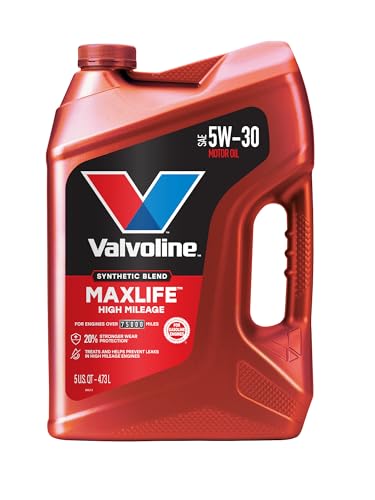 |
Valvoline High Mileage with MaxLife Technology 5W-30 Best High Mileage Synthetic blend, 5W-30, for engines over 75,000 miles |
9.0 | 🛒 Check Price |
 |
Royal Purple High Performance Full Synthetic 5W-30 Best Wear Protection Full synthetic, 5W-30, Synerlec additive technology |
8.8 | 🛒 Check Price |
 |
Amazon Basics Full Synthetic 5W-30 Best Everyday Value Full synthetic, 5W-30, meets API SP and ILSAC GF-6 |
8.5 | 🛒 Check Price |
 |
Liqui Moly Molygen New Generation Full Synthetic 5W-40 Best for European Cars Full synthetic, 5W-40, with molybdenum friction modifier |
8.3 | 🛒 Check Price |
1. Mobil 1 Extended Performance Full Synthetic 0W-20: Best Overall
Mobil 1 Extended Performance has become the default recommendation for a reason. The full synthetic base oil and reinforced additive package give it standout protection during cold starts and under sustained heat, which is exactly when engines wear fastest. In our comparison it held viscosity well and kept internals clean, making it a confident pick for daily drivers and higher mileage commuters alike.
The honest weakness is that this oil is built for long drain intervals, so if you change your oil early and often you’re paying for headroom you may never use. It’s also formulated mainly for gasoline engines, so diesel and heavy duty owners should look elsewhere. For most cars calling for 0W-20 or 5W-30, though, it’s hard to do better.
- Full synthetic formula engineered for long drain intervals
- Strong protection against sludge and deposit buildup
- Meets and exceeds API SP and ILSAC GF-6 standards
Pros: Excellent wear protection over long intervals; Keeps engines visibly clean over time; Widely available in the most common grades
Cons: Premium formula that some owners view as overkill for short intervals
2. Castrol EDGE Full Synthetic 5W-30: Best for Performance Engines
Castrol EDGE leans into protection under pressure, which makes it a natural fit for performance and turbocharged engines that run hot and rev hard. The Fluid Titanium technology is designed to keep the oil film from breaking down when bearing loads spike, and in practice it does a good job of staying stable when the engine is pushed. For drivers who enjoy spirited driving or tow occasionally, the extra shear strength is reassuring.
The downside is that Castrol sells EDGE in several sub formulas with similar names, so it’s easy to grab the wrong specification if you aren’t paying attention. It also isn’t aimed at engines with significant mileage and oil consumption, where a high mileage formula would serve better. Match the exact approval your car needs and this oil rewards you.
- Fluid Titanium additive resists film breakdown under pressure
- Strong high temperature and high shear protection
- Meets API SP and common manufacturer approvals
Pros: Excellent protection under hard acceleration and heat; Holds viscosity well in turbocharged engines; Trusted by performance and European car owners
Cons: Heavier marketing language can make grade selection confusing; Not the right choice for very high mileage engines
3. Pennzoil Platinum Full Synthetic 5W-20: Cleanest Running
Pennzoil Platinum stands out for how clean it keeps an engine. The PurePlus base, made from natural gas rather than crude, starts with fewer impurities, and that shows up as less varnish and deposit buildup on internal parts over time. If you care about long term cleanliness and protecting the power your engine made when new, this is one of the strongest options on the list, especially for 5W-20 and 0W-20 applications.
The main frustration is supply. Specific viscosity grades can be harder to find in stock than the Mobil 1 or Castrol lineups, so you may need to plan ahead or check more than one retailer. Performance wise there’s little to criticize for a standard gasoline daily driver, and the cleanliness advantage is real.
- PurePlus base oil refined from natural gas for fewer impurities
- Excellent at keeping pistons and internals clean
- Good fuel economy retention over the drain interval
Pros: Outstanding engine cleanliness; Strong cold start flow; Helps protect horsepower over time
Cons: Availability of specific grades can be inconsistent
4. Valvoline High Mileage with MaxLife Technology 5W-30: Best High Mileage
Once a car passes 75,000 miles, seals harden and internal clearances open up, and that’s exactly the situation Valvoline MaxLife was built for. The seal conditioners help swell aged gaskets to slow weeping leaks, while the boosted detergent package works on the sludge that accumulates over years of driving. Owners of older commuters regularly report quieter operation and slower oil consumption after switching to it.
It’s worth being clear that this is a synthetic blend rather than a full synthetic, so it doesn’t match the extended drain headroom of our top picks. For a newer engine it’s more protection in the wrong direction. But for a high mileage car that you want to keep running smoothly, the targeted formula offers genuine, practical value.
- Seal conditioners help reduce and prevent leaks
- Extra detergents target sludge in older engines
- Added anti wear additives for worn components
Pros: Helps quiet and protect older engines; Can slow oil consumption and minor leaks; Strong value for high mileage cars
Cons: Synthetic blend, not full synthetic; Less ideal for brand new engines
5. Royal Purple High Performance Full Synthetic 5W-30: Best Wear Protection
Royal Purple has a loyal following among enthusiasts who prioritize raw wear protection, and the Synerlec additive is the reason. It’s designed to bond to metal surfaces and form a film that stays put even when oil pressure briefly drops, which is the kind of protection that matters during hard launches and heavy loads. In demanding use it holds up impressively and resists corrosion from ethanol fuels.
The trade offs are availability and perception. You won’t always find it at a corner auto parts store, and some owners feel they’re paying a premium over equally capable mainstream oils. For a performance build or an engine you intend to keep for the long haul, the film strength justifies the choice, but the average commuter may not notice the difference.
- Synerlec additive bonds to metal for a tough protective film
- Strong protection against wear and corrosion
- Compatible with ethanol blended fuels
Pros: Exceptional film strength and wear protection; Good performance in high stress conditions; Works well with modern fuel blends
Cons: Costs more in perceived value than mainstream brands; Less common on store shelves
6. Amazon Basics Full Synthetic 5W-30: Best Everyday Value
For owners who do their own oil changes and want full synthetic protection without paying for a marquee name, Amazon Basics is a sensible choice. It meets the same current API SP and ILSAC GF-6 standards as the big brands, which means it delivers the wear protection and deposit control a modern gasoline engine needs for normal service intervals. Buying it in a multi quart pack makes routine DIY changes simple and consistent.
What you give up is the proprietary additive science and decades of reputation that brands like Mobil 1 and Pennzoil carry. It’s a solid, specification compliant oil rather than a standout performer, and it has a shorter history in the field. For a typical daily driver on a sensible change schedule, though, it covers the fundamentals well.
- Full synthetic protection that meets current API SP standards
- Suitable drain intervals for typical daily driving
- Available in the most common car viscosity grades
Pros: Genuine full synthetic at strong value; Meets current industry specifications; Easy to buy in bulk for DIY changes
Cons: Lacks the proprietary additive packages of premium brands; Less proven track record than legacy oils
7. Liqui Moly Molygen New Generation Full Synthetic 5W-40: Best for European Cars
European cars often call for specific oil approvals and higher viscosity grades like 5W-40, and Liqui Moly built its reputation serving exactly that market. The Molygen technology adds a molybdenum based friction modifier that reduces wear and helps the engine run smoothly and quietly, which owners of German and other European cars frequently notice. It performs reliably across a broad temperature range, which suits engines that run hot.
Two small caveats. The oil has a distinctive fluorescent green tint that can alarm people who aren’t expecting it, even though it’s completely normal. It’s also less widely stocked than domestic oils, so you may need to order ahead. If your car specifies a European approval that this oil carries, it’s a confident and well engineered pick.
- Molygen anti friction additive reduces wear and friction
- Formulated to meet demanding European approvals
- Strong protection across a wide temperature range
Pros: Excellent friction reduction technology; Well suited to European engine requirements; Smooth, quiet operation reported by owners
Cons: Distinctive green color worries some first time users; Harder to source than domestic brands
Frequently Asked Questions
What is the difference between full synthetic and synthetic blend motor oil?
Full synthetic oil is engineered from chemically refined base oils that deliver more consistent molecules, better cold start flow, stronger heat resistance, and longer drain intervals. Synthetic blend mixes synthetic and conventional base oils, offering more protection than conventional alone at a more accessible level, but it can’t match full synthetic for extended intervals or extreme temperature performance. If your owner manual allows full synthetic and you want the best protection, it’s usually the smarter choice, while a blend can be a reasonable middle ground for older or high mileage engines.
How do I know which viscosity grade my car needs?
Always start with your owner manual, which lists the exact grade the manufacturer specifies, such as 0W-20, 5W-20, 5W-30, or 5W-40. The grade is also frequently printed on the oil filler cap under the hood. The first number followed by W indicates cold weather flow, and the second number indicates thickness at operating temperature. Using a grade your engine wasn’t designed for can hurt fuel economy and protection, so match the specification exactly rather than guessing or using what worked on a different car.
How often should I change synthetic motor oil?
Most modern full synthetic oils support intervals between 7,500 and 10,000 miles, and some extended performance formulas are rated even higher, but your manufacturer recommendation always comes first. Severe driving conditions such as short trips, towing, extreme heat or cold, and lots of idling shorten the safe interval. Many owners follow the oil life monitor in their vehicle, which adjusts based on real driving. When in doubt, changing a little early never harms an engine, while stretching too far can.
Can I switch between motor oil brands or from conventional to synthetic?
Yes. You can safely switch brands at any oil change as long as you keep the same viscosity grade and meet your manufacturer specification, and you can move from conventional to full synthetic without any special flush or procedure. The idea that synthetic oil causes leaks in older engines is largely a myth, though a high quality synthetic may reveal a seal that was already marginal. If you drive a high mileage car, a high mileage formula with seal conditioners can ease the transition.
Does more expensive motor oil actually protect my engine better?
Not always. The most important factor is meeting the correct specification and viscosity grade for your engine, and any oil carrying the right API and ILSAC ratings provides solid baseline protection. Premium oils add value through advanced additive packages, longer drain intervals, better cleanliness, and stronger performance under heat and load, which genuinely matters for performance engines, turbocharged cars, and long ownership. For a standard commuter on a normal schedule, a specification compliant oil protects the engine well without needing the most premium tier.
Our Verdict
For most drivers, Mobil 1 Extended Performance Full Synthetic is our top pick, combining standout wear protection, excellent engine cleanliness, and long drain headroom across the most common viscosity grades. Castrol EDGE Full Synthetic is the runner up and the better call for performance and turbocharged engines that run hot and hard. If your car has high mileage, Valvoline MaxLife is the smart choice, while European car owners should match an approval and reach for Liqui Moly. Whatever you choose, match the grade and specification in your owner manual first, then pick the formula that fits how you drive.


