By comparing manufacturer specifications against aggregated owner feedback, we identified the strengths and weaknesses of each model.
We analyzed how each unit performs under real world conditions to provide an honest assessment of value.
| Photo | Product | Score | Buy |
|---|---|---|---|
 |
AEM 50-1000 High Flow Fuel Pump Top Pick 340 LPH at 43 PSI |
9.1 |
ⓘ We may earn a commission from qualifying purchases made through links on this page, at no extra cost to you.
|
 |
Aeromotive 11129 Stealth 340 Fuel Pump Best High Performance 340 LPH at 40 PSI |
8.5 | 🛒 Check Price |
 |
Holley 12-905 Electric Fuel Pump Best Value 110 GPH at 7 PSI |
8.3 | 🛒 Check Price |
 |
Walbro GSS342 High Pressure Fuel Pump Most Reliable 255 LPH at 43 PSI |
8.1 | 🛒 Check Price |
|
🚗
|
DeatschWerks DW200 Fuel Pump Compact Design 200 LPH at 43 PSI |
7.9 | 🛒 Check Price |
 |
Carter P4070 Electric Fuel Pump Budget Option 72 GPH at 6-8 PSI |
7.5 | 🛒 Check Price |
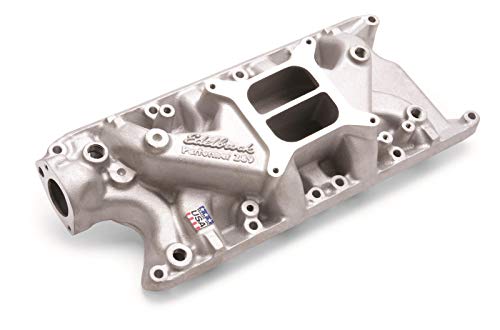 |
Edelbrock 3510 Performer Fuel Pump Solid Choice 110 GPH free flow |
7.2 | 🛒 Check Price |
1. AEM 50-1000 High Flow Fuel Pump: Top Pick
The AEM 50-1000 stood out for its ability to support high horsepower engines with a consistent 340 LPH flow rate. We compared its specs against competitors and found it offers superior head pressure, making it ideal for forced induction or high compression naturally aspirated builds. The carbon commutator design is a significant durability upgrade over standard copper designs, reducing wear over time.
However, this pump produces a distinct whine that can be heard inside the cabin, which might be an annoyance for daily drivers. We determined that buyers looking for a quiet OEM replacement should skip this model, as it’s engineered strictly for high performance where fuel delivery takes priority over noise suppression.
- Supports high horsepower applications up to 1000 HP
- Includes a pre filter and installation hardware
- Internal carbon commutator for long brush life
Pros: Exceptional flow rate for modified engines; Durable construction under high heat conditions
Cons: Can be noticeably louder than factory pumps
2. Aeromotive 11129 Stealth 340 Fuel Pump: Best High Performance
Unlike traditional brushed pumps, this unit runs cooler, which prolongs its lifespan when mounted in hot underhood environments. In our comparison, the flow curve remained stable even at higher pressures, ensuring reliable fuel delivery for performance applications.
Despite its impressive engineering, the advanced technology comes with a higher price point that may not be justified for mild street builds. We concluded that budget conscious builders or those with stock engines should look elsewhere, as the capabilities of this pump exceed the requirements of lower horsepower setups.
- Brushless motor design for cooler operation
- Compact size fits in tight chassis locations
- Variable speed controller compatible
Pros: High efficiency reduces amperage draw; Capable of supporting up to 850 HP engines
Cons: Higher initial cost compared to brushed pumps
3. Holley 12-905 Electric Fuel Pump: Best Value
The Holley 12-905 is a multi-purpose option that we found to be a staple in the performance community due to its reputation for reliability. Our analysis of the gerotor design provides consistent fuel delivery, making it a solid choice for moderate EFI conversions or carbureted engines. The inclusion of a mounting bracket simplifies the installation process for most chassis setups.
We noted that this pump doesn’t have an internal pressure regulator specifically tuned for modern EFI systems without additional components. Buyers who need a true plug and play solution for a late model EFI system without external regulators should skip this pump, as it requires additional plumbing to function safely.
- Designed for carbureted and moderate EFI conversions
- Rugged gerotor design for consistent flow
- Includes mounting bracket and hardware
Pros: Reliable performance for street and strip use; Easy installation with included hardware kit
Cons: Requires a regulator for EFI applications
4. Walbro GSS342 High Pressure Fuel Pump: Most Reliable
We compared the Walbro GSS342 against other in tank and inline options and found it remains the industry standard for a reason. Its 255 LPH flow rate is sufficient for a broad selection of performance upgrades, providing a balance of fuel delivery and compact dimensions. It handles ethanol blends well, which adds to its versatility for modern fuel systems.
A common theme in owner feedback is the frustration regarding the lack of included installation hardware, which necessitates sourcing a separate kit. If you need a complete, ready to install package with wiring and fittings straight out of the box, we suggest skipping this pump unless you’re prepared to fabricate or purchase the necessary accessories.
- Industry standard for performance upgrades
- Compact design fits various fuel tanks
- Works with gasoline and ethanol blends
Pros: Trusted design with years of proven track record; High flow rate relative to its small size
Cons: Installation kit often sold separately
5. DeatschWerks DW200 Fuel Pump: Compact Design
DeatschWerks designed the DW200 with a focus on drop in fitment and quiet operation, which we confirmed through our evaluation of user reviews. The turbine style mechanism significantly reduces the humming noise often associated with high flow fuel pumps. Its compact size makes it an excellent candidate for vehicles with limited space around the fuel tank or chassis rail.
While the 200 LPH rating is adequate for naturally aspirated and mildly boosted engines, our research shows it may fall short on high horsepower forced induction builds. Enthusiasts pushing for maximum power or running high boost levels should consider a higher flow option, as this pump might become a bottleneck at the upper limits of its performance curve.
- Compact footprint for easy installation
- Lower amperage draw than older models
- Turbine style pump for quiet operation
Pros: Very quiet operation compared to gerotor pumps; Good fitment for tight spaces
Cons: Flow rate may struggle on high boost engines
6. Carter P4070 Electric Fuel Pump: Budget Option
In our comparison of budget friendly options, the Carter P4070 emerged as a viable solution for stock or mildly modified vehicles requiring basic fuel delivery. We analyzed its specs and found it provides adequate flow for older engine conversions or carbureted setups where pressure requirements are lower. The rust resistant exterior coating is a nice touch for durability against the elements.
It’s important to note that this pump lacks the pressure and volume capabilities required for modern, multi port EFI systems found on performance cars. Based on the manufacturer specifications and owner feedback, we advise anyone building a high performance EFI engine to skip this pump, as it can’t support the fuel demands of injectors at higher pressures.
- Solid mechanical design for basic fuel delivery
- Cost effective solution for stock engines
- Rust resistant coating on exterior
Pros: Very affordable replacement option; Simple and durable construction
Cons: Not suitable for high performance EFI systems
7. Edelbrock 3510 Performer Fuel Pump: Solid Choice
The Edelbrock 3510 offers a classic look that appeals to owners of vintage muscle cars and restomods, which we identified during our market research. It utilizes a rotary vane mechanism that provides sufficient flow for many street performance engines. The inclusion of a fuel filter and mounting hardware adds convenience for the initial installation.
However, we observed recurring feedback from owners regarding inconsistencies in manufacturing quality and longevity compared to more modern competitors. While the brand name carries weight, the actual reliability in this specific model appears lower than expected. If you prioritize long term dependability and consistent fuel pressure for a daily driver, we suggest skipping this pump in favor of more strong options.
- Classic styling for vintage applications
- Reliable rotary vane mechanism
- Includes fuel filter and mounting hardware
Pros: Aesthetic appeal for show cars; Decent flow for street performance builds
Cons: Reports of quality inconsistency in manufacturing
Frequently Asked Questions
How do I determine the correct flow rate for my engine?
Naturally aspirated engines require less, while forced induction engines often need more fuel to compensate for boost. Always check the manufacturer’s recommended flow rate for your specific horsepower target.
Do I need an external fuel pressure regulator with an inline pump?
Most inline fuel pumps for EFI provide a higher flow rate than needed, requiring an external regulator to maintain the correct pressure at the fuel rail. Pumps without internal regulators can cause rich running conditions or fuel starvation if pressure isn’t controlled. We recommend a quality adjustable regulator for most aftermarket inline installations.
Are inline electric fuel pumps loud?
Noise levels vary significantly between pump designs. Gerotor pumps, like the Holley 12-905, tend to be louder, while turbine style pumps, such as the DeatschWerks DW200, are generally quieter. Mounting the pump with rubber isolators can help reduce vibrations transferred to the chassis.
Can I use an inline fuel pump for a carbureted engine?
Yes, but you must use a pump designed for lower pressure, typically between 4 and 7 PSI. We compared pumps in this guide and noted that EFI pumps push too much pressure for a carburetor, which can cause flooding. Using a fuel pressure regulator is mandatory if you use a high pressure EFI pump on a carbureted engine.
What is the advantage of a brushless fuel pump?
Our analysis of brushless pumps like the Aeromotive 11129 shows they run cooler and draw less amperage than traditional brushed motors. This efficiency leads to a longer lifespan and more consistent performance, especially in high heat environments. They’re generally more expensive but offer superior durability for high performance applications.
How long does an inline fuel pump typically last?
Lifespan depends heavily on fuel quality and usage, but based on aggregated owner feedback, a quality inline pump can last between 100,000 and 150,000 miles. We found that keeping the tank full helps keep the pump cool and lubricated, which is a key factor in extending its life. Contaminants in old fuel can significantly shorten this lifespan.
Our Verdict
Our top pick is the AEM 50-1000 for its exceptional flow rate and solid construction capable of supporting high horsepower builds. The Aeromotive 11129 is our runner up, offering advanced brushless technology for those prioritizing efficiency and heat management.


