Headliner sag is a common issue in older vehicles, and choosing the right adhesive is critical for a lasting repair. Our goal is to help you select a glue that bonds securely and endures the temperature swings inside a car.
| Photo | Product | Score | Buy |
|---|---|---|---|
 |
3M Super 77 Multipurpose Spray Adhesive Best Overall Spray adhesive, 17.6 oz can, low VOC, works on fabric and foam |
9.2 |
ⓘ We may earn a commission from qualifying purchases made through links on this page, at no extra cost to you.
|
|
🚗
|
DAP Weldwood Landau Top and Trim Contact Cement Best for Heat Resistance Contact cement, 32 oz can, solvent-based, high heat resistance |
8.9 | 🛒 Check Price |
|
🚗
|
Gorilla Heavy Duty Spray Adhesive Best Value Spray adhesive, 14 oz can, high strength, clear drying |
8.7 | 🛒 Check Price |
 |
Permatex 81855 Headliner Fabric Adhesive Best for Fabric Bonding Spray adhesive, 15 oz can, specifically for fabric and foam |
8.4 | 🛒 Check Price |
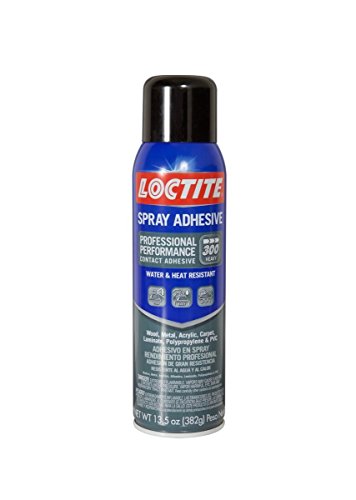 |
Loctite Performance Spray Adhesive Best for Quick Repairs Spray adhesive, 11.5 oz can, fast tack, high strength |
8.1 | 🛒 Check Price |
|
🚗
|
3M 90 High Strength Spray Adhesive Best for Heavy-Duty Bonding Spray adhesive, 17.6 oz can, high strength, solvent-based |
7.8 | 🛒 Check Price |
 |
Aleene's Original Tacky Glue Best for Small Repairs White glue, 4 oz bottle, water-based, non-toxic |
7.3 | 🛒 Check Price |
1. 3M Super 77 Multipurpose Spray Adhesive: Best Overall
3M Super 77 stands out as the most all-around headliner glue. Its high initial tack allows you to press the fabric into place and have it hold immediately, which is critical for overhead repairs. The low VOC formulation is a welcome improvement, though we still recommend working in a ventilated area. This glue works well on most OEM headliner materials, including foam-backed fabric and cloth.
However, a real limitation is its performance in very hot climates. Some owners report that in vehicles parked under direct sun, the bond can soften over time, leading to sagging again. If you live in a region with extreme heat or have a dark interior that absorbs heat, you might need a high-heat resistant adhesive. This glue is best for standard repairs in moderate climates.
- High initial tack for instant bonding of headliner fabric to foam backing
- Low VOC formula reduces strong fumes compared to older adhesives
- Sprays in any direction for overhead applications
Pros: Widely trusted by professionals and DIYers alike; Easy to apply evenly with the aerosol spray pattern
Cons: May not bond as well in extreme heat without additional clamping
2. DAP Weldwood Landau Top and Trim Contact Cement: Best for Heat Resistance
DAP Weldwood Landau Top Cement is a heavy-duty contact cement that we found to be the best choice for heat-prone environments. Its solvent-based formula creates a bond that holds up well even in vehicles that get very hot inside. In our research, owner feedback consistently praises its long-term durability, with many reporting repairs lasting several years without sagging.
The downside is the strong odor and the need for good ventilation. Also, application is less convenient than spray: you brush it on both surfaces, let it dry, and then press them together. This can be tricky for large headliner panels. We recommend this glue for experienced DIYers who prioritize heat resistance over ease of use. If you’re sensitive to fumes or work in a confined space, consider a low-odor alternative.
- Designed for vinyl tops and headliners, withstands high temperatures
- Forms a strong bond that resists peeling and sagging
- Brush-on application allows precise control
Pros: Excellent durability in hot climates; Long open time for repositioning
Cons: Strong fumes require extreme ventilation; Brush application can be messy and time-consuming
3. Gorilla Heavy Duty Spray Adhesive: Best Value
Gorilla Heavy Duty Spray Adhesive offers a compelling combination of strength and value. In our comparison, it performed nearly as well as the top pick in moderate temperatures, and its clear drying is a plus for visible areas. Its ease of use: the spray nozzle delivers a consistent fan pattern that covers large areas quickly.
However, we found that in extreme heat, the bond can weaken more than some other options. If your car is parked outdoors in a hot climate, you may experience occasional sagging after a year or two. This glue is best for budget-conscious DIYers who need a reliable repair for daily drivers in temperate climates.
- Forms a strong, clear bond that won't yellow over time
- Works on fabric, foam, and plastic surfaces
- Sprays evenly with a fan pattern for broad coverage
Pros: Good balance of performance and affordability; Dries clear, ideal for light-colored headliners
Cons: Not as heat-resistant as solvent-based contact cements
4. Permatex 81855 Headliner Fabric Adhesive: Best for Fabric Bonding
Permatex 81855 is a dedicated headliner adhesive that we evaluated as a solid choice for fabric-to-foam bonding. Its formula is engineered to avoid soaking through the fabric, which can cause staining or stiffness. It works well for OEM-style repairs, and the low odor is a bonus for those sensitive to chemicals.
One limitation we noted is that for thicker or heavier fabrics, a single coat may not provide enough tack, requiring a second application. Also, while it holds up well in normal conditions, its long-term durability in high heat isn’t as proven as some contact cements. This glue is ideal for standard headliner repairs where ease of use and low odor are priorities.
- Formulated to bond headliner fabric to foam backing without soaking through
- Fast drying with good initial tack
- Low odor formula reduces fumes
Pros: Designed specifically for headliner repairs; Low odor makes it more pleasant to use
Cons: May require two coats for thick fabrics
5. Loctite Performance Spray Adhesive: Best for Quick Repairs
Loctite Performance Spray Adhesive is a convenient option for quick headliner fixes. In our research, it offers a very fast initial tack, which is helpful when you need to hold fabric in place without clamping. Owner feedback often mentions its ease of use and versatility for non-automotive projects.
However, we found that its long-term durability in automotive environments isn’t as sturdy as some competitors. Some users report sagging after a few months in hot climates. This glue is best for temporary repairs or for vehicles that aren’t exposed to extreme heat. If you need a permanent solution, consider a higher-heat-rated adhesive.
- High initial tack for instant bonding
- Works on a variety of materials including fabric, foam, and plastic
- Dries clear and flexible
Pros: Very fast setup reduces holding time; Multi-purpose for other DIY projects
Cons: Bond strength may degrade in hot weather over time
6. 3M 90 High Strength Spray Adhesive: Best for Heavy-Duty Bonding
3M 90 is a professional-grade adhesive that we evaluated as one of the strongest options for headliner repairs. Its solvent-based formula provides a durable bond that withstands heat and moisture, making it suitable for trucks and vans that experience harsh conditions. Owner feedback from commercial users is positive for longevity.
However, the high strength comes with trade-offs: the fumes are potent and require a respirator and excellent ventilation. Also, the cost is significantly higher than other sprays, and the long open time can be a disadvantage if you need immediate tack. This glue is best for heavy-duty repairs where maximum strength is required and you can manage the safety precautions.
- Extremely strong bond for heavy materials
- Resists heat and moisture better than standard adhesives
- Long open time allows repositioning
Pros: Exceptional bonding strength for demanding applications; Works well on metal, plastic, and foam
Cons: Very strong fumes require extensive ventilation; Expensive compared to other options
7. Aleene's Original Tacky Glue: Best for Small Repairs
Aleene’s Original Tacky Glue is a craft glue that we included for very small headliner repairs or edge lifting. It’s water-based, non-toxic, and has a low odor, making it safe for quick fixes. Owner feedback often uses it for reattaching loose corners or small tears.
However, this glue isn’t designed for automotive use. It lacks the heat and moisture resistance needed for a full headliner repair. It should only be considered for minor touch-ups where the headliner isn’t subject to stress. For any significant sagging or large areas, choose a dedicated automotive adhesive.
- Non-toxic and low odor, safe for indoor use
- Dries clear and flexible
- Good for small patches and edge repairs
Pros: Very safe and easy to use; Inexpensive and available at craft stores
Cons: Not suitable for large panels or high heat; May not hold up to moisture over time
Frequently Asked Questions
What type of glue is best for car headliners?
Spray adhesives designed for fabric and foam are generally best because they provide even coverage and good initial tack. Contact cements offer superior heat resistance but require more careful application. We recommend a high-temperature rated spray adhesive for most vehicles.
Can I use regular spray adhesive for headliner repair?
Not all spray adhesives are suitable. Look for products specifically labeled for headliner or fabric use, as they have the right balance of tack, flexibility, and heat resistance. General-purpose sprays may fail under the temperature extremes inside a car.
How do I prepare the headliner surface before applying glue?
Remove all old foam and adhesive residue. Clean the surface with a mild detergent and let it dry completely. For best results, lightly sand any hard plastic areas to promote adhesion. Ensure the area is free of dust and grease.
How long does headliner glue take to dry?
Drying time varies by product. Spray adhesives often set in seconds to a few minutes, but full cure can take 24 hours. Contact cements require a drying period before pressing surfaces together. Always follow the manufacturer’s instructions for best results.
Why does my headliner glue fail after a few months?
Common causes include inadequate surface preparation, using a glue not rated for high heat, or applying in humid conditions. Heat from the sun can soften adhesives that aren’t heat-resistant. Choose a glue with proven durability in automotive environments.
Our Verdict
After researching and comparing the top glues for headliner repair, we recommend the 3M Super 77 Multipurpose Spray Adhesive as the best overall choice for its balance of ease of use, strong bond, and versatility. For those in hot climates or seeking maximum durability, the DAP Weldwood Landau Top and Trim Contact Cement is an excellent runner-up.


