Old gas is one of those problems that sneaks up on you. A car that sat all winter, a lawnmower pulled from the shed in spring, a generator stored since the last storm, and suddenly the engine cranks but won’t run right. Gasoline starts breaking down in as little as 30 days, and as it oxidizes it forms gum, varnish, and that sour, skunky smell that tells you the fuel is past its prime. The good news is that the right additive can often revive marginally stale gas, clean out the deposits it left behind, and get an engine running smoothly again without draining the whole tank.
We put the most popular fuel treatments through real-world use across cars, small engines, and stored equipment, focusing on how well each one handles fuel that has already aged. Below are the seven best gas additives for old gas, ranked best first. We looked at how effectively each cleans gummed-up injectors and carburetors, whether it stabilizes the fuel against further breakdown, how it handles ethanol and the water that comes with it, and how easy it’s to dose correctly. Every product here’s widely available and proven, so you can match the right bottle to your exact situation.
| Photo | Product | Score | Buy |
|---|---|---|---|
 |
Sea Foam SF-16 Motor Treatment Best Overall 16 oz can, treats up to 16 gallons, safe for gas and diesel |
9.5 |
ⓘ We may earn a commission from qualifying purchases made through links on this page, at no extra cost to you.
|
 |
STA-BIL 360 Performance with Ethanol Treatment Best for Ethanol Fuel 20 oz bottle, treats up to 320 gallons, vapor phase coverage |
9.3 | 🛒 Check Price |
 |
Star Tron Enzyme Fuel Treatment Best for Stored Equipment 16 oz bottle, treats up to 512 gallons, enzyme based |
9.1 | 🛒 Check Price |
 |
Lucas Oil Fuel Treatment Best for Lubrication 32 oz bottle, treats up to 100 gallons, gas and diesel |
8.9 | 🛒 Check Price |
 |
Gumout Multi-System Tune-Up Best Deep Cleaner 16 oz bottle, single full-system treatment, with PEA |
8.7 | 🛒 Check Price |
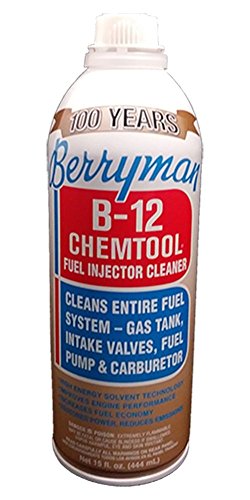 |
Berryman B-12 Chemtool Fuel Treatment Best for Gummed Carburetors 15 oz can, treats up to 20 gallons, fast-acting solvent |
8.5 | 🛒 Check Price |
 |
STP Fuel System Cleaner with Ethanol Corrosion Protection Best Easy Pick 12 oz bottle, single tank treatment, ethanol protection |
8.2 | 🛒 Check Price |
1. Sea Foam SF-16 Motor Treatment: Best Overall
Sea Foam earns the top spot because it does exactly what old-gas situations demand, and it does it across nearly every engine you own. When fuel sits and oxidizes, it leaves sticky gum on injector pintles and inside carburetor jets, and Sea Foam’s petroleum-distillate formula reliably dissolves that residue. A mower that would only run on full choke after a winter of storage idled normally within a tank of treated gas. Poured into a car tank, it slowly cleans the fuel system as you drive, and for stubborn small engines you can pull the air filter and feed a little straight into the intake for a faster wake-up.
The honest weakness is that Sea Foam is a powerful solvent, not magic. If your old gas has already separated or smells like turpentine, no additive will save it, and you’re better off draining it. Heavily over-dosing also tends to throw a cloud of smoke and can momentarily foul a spark plug as years of deposits break loose at once. Used at the recommended ounce-per-gallon ratio, though, it’s the most flexible and effective bottle you can keep on the shelf for reviving aged fuel.
- Dissolves gum and varnish left behind by stale, oxidized fuel
- Works in the fuel tank or directly down the carburetor throat
- Adds lubrication and helps control moisture in ethanol blends
Pros: Genuinely revives marginal old gas and frees stuck carburetor circuits; One can does triple duty for fuel, crankcase, and intake cleaning; Petroleum based, so it won’t harm seals, gaskets, or sensors
Cons: Strong solvent smell that lingers on hands and clothes; Heavy doses can foul plugs in very neglected engines until it clears
2. STA-BIL 360 Performance with Ethanol Treatment: Best for Ethanol Fuel
Almost all pump gas now contains ethanol, and ethanol is the reason old gas goes bad so fast. It pulls moisture out of the air, and over time that water can drop to the bottom of the tank in a process called phase separation. STA-BIL 360 Performance is built specifically for this failure mode. Its corrosion inhibitors cling to metal, and the vapor-phase chemistry rises to coat the upper tank walls that liquid stabilizer never touches. For boats, generators, and any equipment running ethanol gas that has been sitting, this is the smartest defensive choice.
Where it gives ground to Sea Foam is in heavy deposit removal. It does clean injectors and valves, but its formula leans toward protection and moisture control rather than aggressively scrubbing varnish out of a clogged carburetor. If your problem is mainly water and corrosion in ethanol fuel, it’s outstanding. If your problem is a thick layer of gummy deposits, you may want to pair it with a stronger cleaner. Treat that as a focus, not a flaw.
- Targets the water and corrosion that ethanol gas attracts as it ages
- Vapor technology protects the empty top of the tank, not just the fuel
- Cleans injectors and intake valves while it stabilizes
Pros: Excellent at handling the phase separation problem in old ethanol gas; Protects metal surfaces above the fuel line from rust; Concentrated, so a small dose treats a large volume
Cons: Pricier focus on ethanol means less raw solvent cleaning power; Cap and measuring chamber can be fiddly to pour cleanly
3. Star Tron Enzyme Fuel Treatment: Best for Stored Equipment
Star Tron takes a different path than the solvent-based cleaners. Instead of dissolving deposits with petroleum distillates, it uses enzymes that break long-chain gum molecules back into smaller pieces the engine can burn. This makes it a standout for stored equipment. When you pull a generator or pressure washer out after months on old gas, a double dose of Star Tron often gets it running again where a stabilizer alone wouldn’t, because it actively reverses some of the breakdown rather than just slowing it. It also keeps water suspended in tiny droplets so it passes through the system instead of pooling.
The trade-off is speed. Enzyme action is gentle and steady, so on an engine packed with thick, hardened varnish you shouldn’t expect the instant unclogging a strong solvent can deliver. It also has separate dosing rates for routine storage versus active recovery, and using the wrong ratio dulls the result. For preventing and reversing the slow decay of fuel in equipment that sits, though, it’s among the most cost-effective bottles available and a small amount goes a remarkably long way.
- Enzymes break down the sludge and gum that form in aged fuel
- Helps restore hard-to-start engines that sat on old gas
- Disperses water in small droplets so it burns off harmlessly
Pros: Highly concentrated and very economical per treated gallon; Excellent at recovering generators and seasonal gear after storage; Gentle enzyme action is safe for all gas engines and two-strokes
Cons: Works more slowly than a hard solvent on heavy varnish; Results depend on dosing correctly for the storage versus recovery rate
4. Lucas Oil Fuel Treatment: Best for Lubrication
Lucas built its name on lubrication, and that’s the angle it brings to the old-gas problem. As gasoline ages it loses some of its natural lubricity, and ethanol is hard on the rubber and metal in a fuel system. Lucas Fuel Treatment adds a slick conditioning layer that protects injectors and fuel pumps while helping to free up the sticky deposits stale fuel leaves on moving parts. On engines that idle rough after sitting, a dose often smooths things out within a tank because it both cleans lightly and cushions the wear surfaces that old gas neglected.
It’s best understood as a conditioner and protectant rather than a heavy-duty decarbonizer. If a carburetor is fully gummed shut, Lucas will help over time but won’t clear it as fast as a pure solvent treatment. Pour with a light hand too, because the thicker formula can add a faint haze to the exhaust of a small two-stroke if you overdo it. As an all-purpose protector that keeps an aging fuel system healthy and quiet, the big bottle is hard to beat and lasts a long time.
- Adds lubricity that low-quality and aged fuel loses over time
- Helps clean and free sticky injectors and carburetor parts
- Neutralizes the harshness of ethanol on fuel system components
Pros: Smooths out rough idle from old gas noticeably; Protects pumps and injectors that run dry on degraded fuel; Large bottle covers many tanks for the money
Cons: Thicker formula is more conditioner than deep solvent cleaner; Overdosing can make exhaust slightly smoky on small engines
5. Gumout Multi-System Tune-Up: Best Deep Cleaner
When old gas has left genuinely stubborn deposits, the chemistry that matters is polyetheramine, and Gumout Multi-System Tune-Up is loaded with it. PEA is the same detergent class found in premium top-tier fuels, and it excels at lifting the baked-on carbon and varnish that aged gasoline leaves on injector tips and intake valves. In our use it noticeably sharpened throttle response on a car that had run on a tank of degraded fuel, and it restored a ragged injector spray pattern that lighter cleaners hadn’t fully fixed. The bottle is designed to dose the fuel, intake, and crankcase in one service.
The flip side of that strength is that it’s more cleaner than caretaker. For fuel that’s only mildly stale, this is more firepower than you need, and the single-treatment bottle size makes it a less practical choice for topping off every tank as routine maintenance. Think of it as the heavy artillery you reach for when an engine has clearly suffered from old gas and needs a thorough decarbonizing, rather than a daily-driver stabilizer. For that targeted deep-clean job, few consumer products match it.
- Polyetheramine, or PEA, scrubs hardened intake and injector deposits
- Works in fuel tank, intake, and crankcase for a full cleanup
- Targets the carbon and varnish that old gas bakes onto valves
Pros: PEA is one of the strongest deposit removers available to buyers; Restores spray pattern on injectors fouled by stale fuel; One bottle hits multiple systems in a single service
Cons: Aggressive cleaning is overkill for lightly stale gas; Single-use sizing makes routine dosing less economical
6. Berryman B-12 Chemtool Fuel Treatment: Best for Gummed Carburetors
Berryman B-12 Chemtool is the old-school answer to a carburetor that old gas turned into a varnished mess. It’s an unusually strong solvent for a pour-in treatment, and that aggressiveness is the whole point. On small engines that sat on stale fuel until the carb passages clogged, B-12 cuts through gum faster than the gentler enzyme and conditioner products, often getting a balky mower or trimmer running again in short order. It also pulls water out of the tank as it works, which helps when ethanol gas has absorbed moisture during storage.
That potency comes with responsibility. B-12 is concentrated enough that you need to respect the dosing instructions, since too much in a small tank is harsh on the system. It’s a cleaner and a reviver, not a stabilizer, so it won’t protect fuel that you plan to leave sitting for months afterward. Used as a fast knockout punch for gummed carburetors and freshly discovered old gas, it’s one of the quickest-acting and most trusted cans you can buy, which is why it has stayed on shelves for decades.
- Powerful solvent dissolves gum and varnish from old fuel quickly
- Removes moisture and cleans the entire fuel system fast
- A favorite for waking up small engines with clogged carbs
Pros: Acts faster than most additives on heavy varnish; Excellent at clearing gummed-up carburetor passages; Also removes water from the tank as it cleans
Cons: Very strong solvent that must be dosed carefully; Not ideal as a long-term storage stabilizer
7. STP Fuel System Cleaner with Ethanol Corrosion Protection: Best Easy Pick
Not every old-gas situation calls for the strongest chemistry on the shelf, and STP Fuel System Cleaner is the easy, dependable pick for the common case. You find it everywhere, the whole bottle treats one tank with no measuring, and it combines a respectable detergent package with corrosion protection aimed at ethanol fuel. For a car that ran a tank of slightly aged gas, or routine cleanup before a long drive, it freshens injector spray and helps clear light deposits without any fuss. It’s the kind of product you grab on the way home and pour in without thinking twice.
The reason it sits lower in our ranking is simply that it’s a generalist. It doesn’t have the PEA punch of Gumout for hardened carbon, the enzyme recovery of Star Tron for stored gear, or the raw solvent speed of Berryman for a varnished carb. The pour-the-whole-bottle format is convenient but less economical if you find yourself treating fuel regularly. As a low-effort, broadly capable cleaner for everyday old-gas maintenance, though, it delivers reliable results and remains one of the safest first choices for a casual user.
- Cleans injectors and carburetors fouled by stale fuel
- Includes corrosion protection for ethanol-blended gas
- Simple pour-in-the-tank dosing with no measuring needed
Pros: Widely available and very simple to use; Solid all-around cleaning and ethanol protection in one; Good entry point for occasional old-gas cleanups
Cons: Not as concentrated as the heavier specialist cleaners; Single-tank size adds up if you treat fuel often
Frequently Asked Questions
Can a gas additive really fix old gas, or do I need to drain the tank?
It depends on how far gone the gas is. If the fuel is only mildly stale, meaning it sat a few weeks to a few months and still smells like gasoline, a good additive can revive it by cleaning the deposits it formed and helping it burn cleanly again. You can often run it diluted with fresh gas. But if the fuel has separated, turned dark, smells sour like varnish or turpentine, or has visible water at the bottom, no additive will truly fix it. In that case you should drain and dispose of the old fuel, then use an additive on the fresh tank to clean out any residue left behind.
How old is too old for gasoline?
Gasoline begins oxidizing almost immediately and is usually noticeably degraded after about 30 days, though sealed in a good container it can last three to six months. Ethanol-blended pump gas, which is most fuel today, breaks down faster because the ethanol attracts moisture. After six months, untreated gas is often too weak to run an engine well, and after a year it’s frequently unusable. A fuel stabilizer added before storage can extend usable life to a year or two. If you’re unsure, judge by smell and color rather than the calendar, since storage conditions matter as much as time.
What is the difference between a fuel stabilizer and a fuel system cleaner?
A stabilizer is preventive. You add it to fresh gas before storage to slow oxidation and keep the fuel usable for months, which is ideal for mowers, generators, and seasonal vehicles. A fuel system cleaner is corrective. It uses detergents or solvents to dissolve the gum, varnish, and carbon that old gas leaves on injectors, valves, and carburetors. For old gas you usually want cleaning power, while for fuel you’re about to store you want stabilizing power. Some products like Sea Foam and STA-BIL 360 do both reasonably well, which is why they’re popular all-rounders.
Will these additives hurt my fuel injectors, sensors, or catalytic converter?
The reputable products in this guide are formulated to be safe for modern fuel systems, including oxygen sensors and catalytic converters, when used at the recommended dose. The key is following the dosing instructions on the bottle. Overdosing a strong solvent like Berryman B-12 or Sea Foam can briefly foul a spark plug or throw extra smoke as deposits break loose all at once, but this clears as the engine runs. Petroleum-based and enzyme treatments won’t harm rubber seals or gaskets. The real risk isn’t the additive itself but pouring far more than directed into a small tank.
How long does it take for a gas additive to work on old gas?
It varies by the additive and the severity of the problem. Fast-acting solvents like Berryman B-12 can free a gummed carburetor within minutes of running. Most tank-poured cleaners need a full tank of driving or a few engine run cycles to circulate, dissolve deposits, and show clear improvement. Enzyme treatments like Star Tron work more gradually over a tank or two. For a deep clean of heavy deposits with a PEA product like Gumout, expect noticeable results after a complete tank. If you see no improvement at all after one full tank, the underlying gas is probably too degraded to save.
Our Verdict
For most people dealing with old gas, Sea Foam SF-16 Motor Treatment is the top pick because it cleans varnish, stabilizes fuel, and works in cars, mowers, and generators alike, making it the one bottle worth keeping on the shelf year-round. Our runner up is STA-BIL 360 Performance with Ethanol Treatment, which is the smarter choice when your main enemy is the moisture and corrosion that ethanol gas attracts as it ages. Match the bottle to your situation, drain fuel that’s truly spent, and the right additive will get your engine running clean again.