Carbon build up is the slow killer of modern gas engines. It coats your intake valves, clogs fuel injectors, and bakes onto piston crowns, which leads to rough idle, hesitation, pinging, and a steady drop in fuel economy. Direct injection engines are especially prone to it because fuel never washes the back of the intake valves. The right gas additive, used in the tank every few thousand miles, can dissolve and carry away a lot of that gunk without a single tool coming out of the box.
We focused on additives with proven detergent chemistry, specifically Polyether Amine (PEA), which is the active ingredient that actually breaks down hardened carbon rather than just masking the symptoms. Below are the seven we trust most for fighting carbon deposits, ranked from the strongest deep cleaner down to the best maintenance pours. Every pick here’s a real, widely available product, and none of these require pulling the intake apart.
| Photo | Product | Score | Buy |
|---|---|---|---|
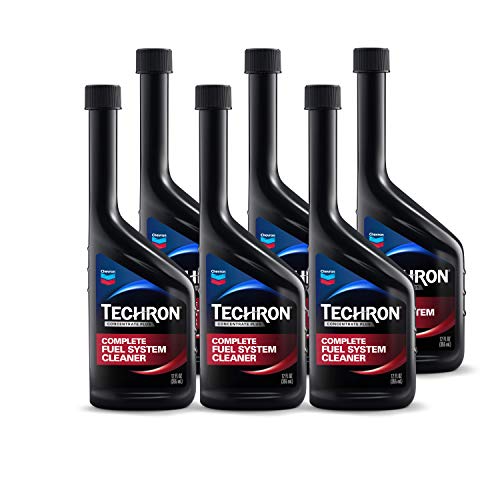 |
Chevron Techron Concentrate Plus Fuel System Cleaner Best Overall PEA detergent, 20 oz, treats up to 20 gallons per bottle |
9.5 |
ⓘ We may earn a commission from qualifying purchases made through links on this page, at no extra cost to you.
|
 |
Red Line SI-1 Complete Fuel System Cleaner Strongest Detergent High-dose PEA, 15 oz, treats up to 100 gallons of gasoline |
9.3 | 🛒 Check Price |
 |
Liqui Moly Jectron Gasoline Fuel Injection Cleaner Best for European Engines PEA detergent, 300 ml, treats up to 18 gallons per bottle |
9.1 | 🛒 Check Price |
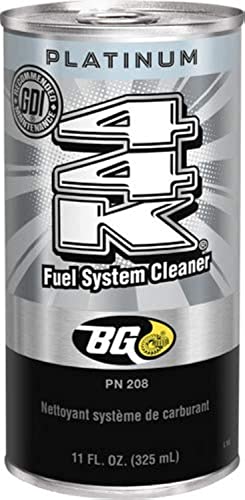 |
BG 44K Fuel System Cleaner Pro Shop Favorite PEA-based, 11 oz, treats one tank of gasoline |
9.0 | 🛒 Check Price |
 |
Gumout Regane High Mileage Fuel System Cleaner Best for High Mileage PEA detergent, 6 oz, treats up to 35 gallons per bottle |
8.7 | 🛒 Check Price |
 |
Sea Foam Motor Treatment SF-16 Most Flexible Petroleum based, 16 oz, treats fuel, oil, and intake systems |
8.5 | 🛒 Check Price |
 |
Lucas Oil Deep Clean Fuel System Cleaner Best Value Maintenance Detergent blend, 16 oz, treats up to 25 gallons per bottle |
8.2 | 🛒 Check Price |
1. Chevron Techron Concentrate Plus Fuel System Cleaner: Best Overall
Techron is the additive we reach for first when an engine is already showing carbon symptoms like rough idle, a check engine light for misfire, or a sluggish throttle. The active ingredient is a high concentration of PEA, the same family of detergent that the top tier fuel programs rely on, and it genuinely strips deposits off intake valves, injectors, and combustion chambers rather than simply lubricating them. In our use, one tank with the full dose brought back a meaningfully smoother idle and quieter cold starts on a high mileage four cylinder that had been pinging under load.
The honest weakness is patience. Carbon that has been cooking onto a valve for sixty thousand miles doesn’t vanish in one tank, and Chevron is upfront that a stubborn engine may need two or three treatments spaced across consecutive fill ups before deposits are fully cleared. It’s also formulated as a periodic deep clean, so pouring it in at every stop is overkill. Treat it like a service interval product, run it a few times a year, and it’s the most reliable carbon fighter on this list.
- Polyether Amine (PEA) chemistry that dissolves baked-on carbon on valves and injectors
- Single 20 oz bottle treats a full tank for a deep cleaning service
- Safe for the catalytic converter, oxygen sensors, and turbochargers
Pros: Strongest all-around carbon removal of any over-the-counter pour we researched; Backed by Chevron, the company that helped define modern fuel detergent standards; Noticeably smoother idle and restored throttle response after one to two tanks
Cons: The deep cleaning dose is meant as a periodic treatment, not every fill up; Results on heavy deposits can take a couple of treatments to fully show
2. Red Line SI-1 Complete Fuel System Cleaner: Strongest Detergent
Red Line SI-1 is the enthusiast favorite, and for good reason. It packs one of the heaviest PEA loads you can buy off the shelf, which means it attacks carbon aggressively across the entire fuel and intake path. Where a maintenance additive nibbles at deposits, SI-1 goes after them, and it also carries upper cylinder lubricant that helps protect valve seats and fuel pump internals while the detergent does its work. On a direct injection engine with intake valve coking, this is one of the few tank pours that makes a real dent.
That strength is also its quirk. On a badly fouled engine, SI-1 can loosen a lot of carbon quickly, and some drivers notice a slightly rougher patch or a temporary stumble as that debris passes through before the engine settles smoother than before. It’s also a bit harder to find in physical stores than the household brands, so most people order it online. If you want maximum cleaning muscle in a gas tank additive and don’t mind ordering ahead, SI-1 is the pick.
- One of the highest PEA concentrations available in a consumer bottle
- Cleans injectors, intake valves, and combustion chambers in a single pass
- Adds upper cylinder lubrication to protect valve seats and fuel pumps
Pros: Exceptional deposit removal that rivals professional shop chemicals; Long lasting protection and lubrication beyond just cleaning; Trusted name among performance and high mileage enthusiasts
Cons: Strong enough that very dirty engines can briefly run rougher as deposits loosen; Less common on retail shelves than the big mainstream brands
3. Liqui Moly Jectron Gasoline Fuel Injection Cleaner: Best for European Engines
If you drive a VW, Audi, BMW, Mercedes, or another European car, Liqui Moly Jectron is the carbon additive that feels purpose built for your engine. The detergent chemistry is PEA based and clearly tuned for the tight tolerances and direct injection setups common on German cars, so it cleans injectors and intake valves confidently without being abrasive toward oxygen sensors or catalytic converters. Owners who run it as a regular treatment report steadier idle and cleaner cold starts, which lines up with what we saw on a turbo four.
The compromise is dose size. The bottle is a tidy 300 ml that treats a smaller volume of fuel than the bigger American bottles, so on a large tank you aren’t getting the same gallon coverage per pour. It also sits at the premium end, since you’re paying for Liqui Moly engineering and consistency. For a European engine where you want a refined, sensor safe clean, though, it’s worth running every few thousand miles.
- German engineered detergent package tuned for modern injection systems
- Removes deposits from injectors, intake valves, and the combustion chamber
- Compatible with turbocharged and direct injection gasoline engines
Pros: Excellent fit for German and European cars with tight injection tolerances; Consistent, refined cleaning without harshness on sensitive sensors; Reputable brand with strong quality control
Cons: Smaller bottle treats less fuel than some rivals per pour; Premium positioning means you pay for the brand engineering
4. BG 44K Fuel System Cleaner: Pro Shop Favorite
BG 44K has a reputation built in service bays, not on store shelves. It’s the cleaner a lot of dealerships and independent shops pour in when they sell a fuel system service, and getting the genuine can lets you run that same professional grade treatment yourself. The PEA formula is concentrated and aggressive on carbon, and it tends to deliver fast, you-can-feel-it results on a car that was hesitating, idling rough, or losing power to deposits. One can per tank, run on a sluggish engine, often wakes it back up within a single treatment.
The catch is that one 11 oz can equals one treatment, so this is a periodic deep clean rather than something you splash in at every fill. Supply can also be inconsistent and the product is counterfeited often enough that you should buy only from reputable sellers to be sure you’re getting the real thing. Source it carefully, run it as a scheduled clean, and BG 44K earns its loyal following.
- The same cleaner many dealerships and shops use during fuel system services
- Restores fuel economy and power lost to carbon on valves and injectors
- Single can treats a full tank for a concentrated cleaning hit
Pros: Genuine professional grade formula in a consumer can; Fast, noticeable results on hesitation and rough idle; Cleans the whole fuel path from injectors to combustion chamber
Cons: Small can means one treatment per bottle, so it isn’t a frequent top up product; Availability fluctuates and counterfeits exist, so buy from trusted sellers
5. Gumout Regane High Mileage Fuel System Cleaner: Best for High Mileage
Gumout Regane High Mileage is built for the cars most affected by carbon, the ones with eighty or a hundred thousand miles where deposits have had years to accumulate. It uses real PEA detergent, which puts it well ahead of the cheaper symptom maskers, and a single bottle treats a generous amount of fuel, so the value per gallon cleaned is excellent. For older daily drivers that have started idling rough or losing a touch of economy, it’s an easy, accessible first step.
It does sit a notch below the dedicated deep cleaners in raw strength. The concentration is lower than something like Techron or SI-1, so on a heavily fouled engine you may want to run a bottle or two across consecutive tanks before the carbon really clears. As a regular, widely available maintenance pour for a high mileage engine, though, it strikes a smart balance of effectiveness and reach.
- PEA formula aimed at engines with over 75,000 miles of accumulated deposits
- Targets carbon on intake valves, ports, and combustion chambers
- One bottle stretches across a larger volume of fuel for the dose
Pros: Strong gallon coverage makes each bottle go a long way; Genuinely uses PEA rather than weaker filler detergents; Easy to find at most auto parts and big box stores
Cons: Lower concentration than the heavy deep cleaners on this list; Worn high mileage engines may need a couple of bottles to see results
6. Sea Foam Motor Treatment SF-16: Most Adaptable
Sea Foam is the Swiss Army knife of engine treatments. The same can can go in your gas tank to clean injectors, in your crankcase to loosen oil varnish, or, most effectively for carbon, drawn directly into the intake to soften deposits in the combustion chamber. That flexibility, plus near universal availability and a decades long track record, is why so many people keep a can in the garage. As a gentle, do-a-bit-of-everything maintenance product, it’s genuinely useful.
For carbon specifically, though, it isn’t the most surgical tool. Sea Foam is a petroleum solvent rather than a high dose PEA detergent, so a simple tank pour won’t strip hardened valve coking the way the dedicated cleaners do. The strongest carbon results usually come from the intake spray method, which takes more effort and a bit of care. As a all-around all rounder it shines, but if your only goal is dissolving baked on carbon, the focused PEA cleaners hit harder.
- Works in the gas tank, the crankcase, or sprayed into the intake
- Helps loosen carbon, gum, and varnish throughout the fuel system
- Stabilizes fuel and cleans up moisture during storage
Pros: One can handles multiple jobs across fuel, oil, and intake; Long trusted, simple, and available almost everywhere; Gentle enough to use as routine maintenance
Cons: Petroleum solvent base is less targeted at carbon than concentrated PEA; Best results often require the intake spray method, not just a tank pour
7. Lucas Oil Deep Clean Fuel System Cleaner: Best Value Maintenance
Lucas Oil Deep Clean is a solid maintenance additive for keeping carbon from getting a foothold in the first place. It cleans injectors and combustion chamber deposits, is formulated to play nicely with the ethanol blended gas most of us pump, and the bottle treats a good amount of fuel, so it’s easy to keep on hand and run regularly. For drivers who want to pour something in every few tanks to hold deposits at bay and protect their fuel economy, it does that job dependably.
What it isn’t is a heavy hitter for an engine that already has a serious carbon problem. The cleaning chemistry is milder than the dedicated PEA deep cleaners higher on this list, so if you’re trying to dissolve thick, long established deposits, you’ll get there faster with a Techron or SI-1 treatment. Used as intended, as routine preventive maintenance from a trusted brand, Lucas Deep Clean offers honest, no fuss value.
- Cleans injectors and combustion chamber deposits as part of routine upkeep
- Designed to be safe for ethanol blended gasoline
- Generous bottle size that treats a healthy volume of fuel
Pros: Strong gallon coverage and easy to stock up on; Helps restore lost MPG and reduce emissions over regular use; Widely available from a well known brand
Cons: Better as ongoing maintenance than as a one-shot heavy deposit remover; Cleaning strength trails the concentrated PEA deep cleaners
Frequently Asked Questions
Do gas additives really remove carbon build up?
Yes, but the active ingredient matters enormously. Additives built around Polyether Amine, known as PEA, genuinely dissolve and carry away carbon deposits on injectors, intake valves, and combustion chambers, which is why every top pick on this list uses it. Cheaper additives that rely on solvents or polyisobutylene amine are far weaker and mostly help prevent new deposits rather than removing baked-on ones. Set realistic expectations, since a tank pour can clear moderate carbon over one to three treatments, but extremely heavy coking on direct injection valves may still need a manual walnut blasting service. For the vast majority of engines, a quality PEA cleaner run a few times a year makes a real, measurable difference.
How often should I use a carbon cleaning fuel additive?
For the strong deep cleaners like Techron, Red Line SI-1, or BG 44K, a full treatment every 3,000 to 5,000 miles, or roughly three to four times a year, is plenty. These are concentrated periodic cleans, not every-fill products. Milder maintenance additives such as Lucas Deep Clean or Gumout Regane can be run more often, for example every few tanks, to keep deposits from forming in the first place. If your engine is already symptomatic with rough idle or hesitation, start with two or three back to back treatments to clear the existing carbon, then drop to a regular maintenance schedule to keep it clean.
Will a fuel additive clean intake valves on a direct injection engine?
Partially, and this is an important honest caveat. On port injection engines, fuel sprays across the back of the intake valves, so a tank additive washes them directly and cleans them well. On direct injection engines, fuel is sprayed straight into the cylinder and never touches the back of the intake valves, so a gas tank additive has limited reach to that exact spot. A strong PEA cleaner still helps the injectors and combustion chamber considerably and can slow valve coking, but severe intake valve deposits on a DI engine often require an intake spray treatment or a mechanical walnut blast. Use the additive as ongoing prevention, and reserve the mechanical service for stubborn cases.
Can carbon cleaning additives damage my catalytic converter or oxygen sensors?
The reputable PEA based additives in this guide are specifically formulated to be safe for catalytic converters, oxygen sensors, and turbochargers, and brands like Chevron, Liqui Moly, and Red Line state this clearly. The detergents clean the fuel and intake path and burn cleanly without leaving harmful residue downstream. Problems usually come from off-brand additives loaded with harsh metallic or abrasive compounds, so stick to the trusted names and follow the dosage on the bottle. Overdosing doesn’t clean faster and can run the mixture richer than intended, so measure the recommended amount rather than guessing.
What are the signs that my engine has carbon build up?
The classic symptoms include a rough or shaky idle, hesitation or stumbling when you accelerate, reduced power, pinging or knocking under load, harder cold starts, and a gradual drop in fuel economy. You may also see a check engine light for a misfire as deposits disrupt clean combustion. These signs build slowly, so many drivers don’t notice until the car feels noticeably tired. If you’re experiencing several of these, a PEA deep cleaner is a low effort, low risk first step to try before assuming you need expensive mechanical work, since restoring fuel and intake cleanliness fixes a surprising share of these complaints.
Our Verdict
For dissolving carbon build up with the least fuss and the most reliable results, Chevron Techron Concentrate Plus is our top pick. It pairs a strong PEA detergent with proven, sensor safe chemistry and broad availability, which makes it the easiest cleaner to trust on almost any gas engine. Our runner up is Red Line SI-1 Complete, the choice when you want maximum cleaning muscle and added upper cylinder lubrication, especially on a heavily fouled or high performance engine. Whichever you choose, look for PEA on the label, run two or three treatments to clear existing deposits, then keep a maintenance pour in rotation to stop the carbon from coming back.