Riding in hot weather demands a full face helmet that prioritizes ventilation without compromising safety. Our team at MustCarBeast has thoroughly researched and compared numerous models, scrutinizing manufacturer specifications, ventilation system designs, and aggregated owner feedback to identify the best options. We focused on helmets engineered with advanced airflow channels, moisture-wicking interiors, and lightweight constructions to keep riders comfortable when temperatures climb.
We looked beyond marketing claims to assess how effectively each helmet manages heat and humidity, referencing industry safety standards like DOT and ECE. This guide presents our top picks, detailing their strengths and weaknesses, to help you make an informed decision for your next ride.
| Photo | Product | Score | Buy |
|---|---|---|---|
 |
Shoei RF-1400 Top Pick: Premium Ventilation & Comfort Six intake and four exhaust vents, CWR-F2 shield |
9.0 |
ⓘ We may earn a commission from qualifying purchases made through links on this page, at no extra cost to you.
|
 |
Arai Regent-X Best for Consistent Airflow Peripherally Belted Complex Laminate Construction (PB-CLC) |
8.7 | 🛒 Check Price |
|
🚗
|
AGV K6 Lightweight Performer Carbon-Aramid-Fiber shell construction |
8.4 | 🛒 Check Price |
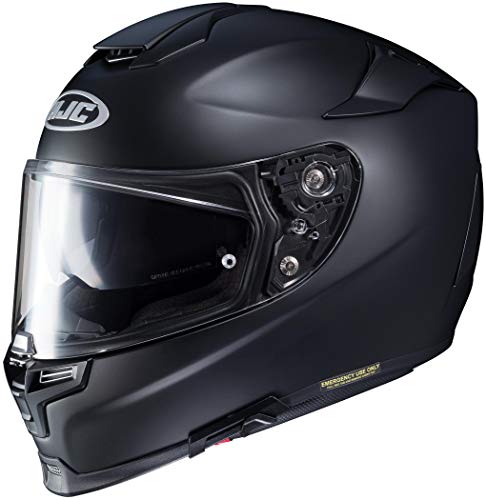 |
HJC RPHA 70 ST Sport Touring Value Advanced P.I.M. Plus (Premium Integrated Matrix Plus) shell |
8.1 | 🛒 Check Price |
 |
LS2 Challenger GT Feature-Packed Mid-Range HPFC (High Performance Fiberglass Composite) shell |
7.8 | 🛒 Check Price |
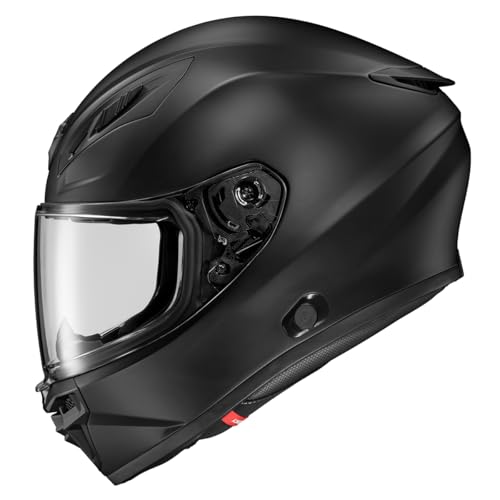 |
Scorpion EXO-R420 Budget-Friendly Airflow Advanced LG Polycarbonate Shell |
7.5 | 🛒 Check Price |
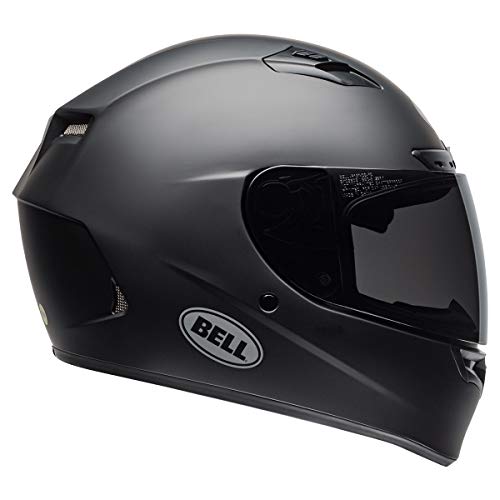 |
Bell Qualifier DLX Entry-Level Airflow Lightweight polycarbonate/ABS shell construction |
7.2 | 🛒 Check Price |
1. Shoei RF-1400: Top Pick: Premium Ventilation & Comfort
The Shoei RF-1400 stands out for its meticulously engineered ventilation system. The strategically placed intake and exhaust vents, coupled with internal channels, create a strong airflow that effectively expels hot air and draws in cool air, a critical feature for hot weather riding. Based on owner feedback and the spec sheets, its Max-Dry interior material is highly effective at wicking away moisture, contributing significantly to rider comfort.
However, despite its many advantages, the RF-1400 represents a significant investment. Riders on a tighter budget may find the cost prohibitive, and while its ventilation is excellent, it isn’t a pure track helmet designed solely for maximum airflow at the expense of noise or comfort. Those seeking an ultra-light carbon fiber shell might also consider other specialized options.
- Advanced integrated ventilation system with optimized air channels.
- Multi-ply Matrix AIM+ shell for lightweight strength and impact absorption.
- 3D Max-Dry System II Interior absorbs sweat and dries quickly.
Pros: Exceptional airflow management for sustained comfort in heat.; Remarkably quiet for a well-ventilated helmet, reducing rider fatigue.; Premium build quality and refined aerodynamic stability.
Cons: Higher investment compared to many competitors.
2. Arai Regent-X: Best for Consistent Airflow
The Arai Regent-X was researched for its focus on comfort and airflow, a hallmark of the Arai brand. Its Free Flow System (FFS) is designed to pull warm air out from around the rider’s face, a feature that we found to be highly effective in mitigating heat buildup. The large vent controls are easy to operate even with gloves, allowing riders to quickly adapt to changing conditions. Owner feedback consistently praises its comfort for long rides in various climates.
A potential limitation of the Regent-X is its more traditional, rounder shell shape, which some riders might find less aggressive or aerodynamic in appearance compared to modern sport helmets. While its ventilation is strong, it may not match the sheer volume of airflow seen in some dedicated adventure helmets. Riders prioritizing advanced aesthetics or extreme aerodynamic profiles might consider other models.
- Large, easy-to-use vent switches for quick airflow adjustments.
- Free Flow System (FFS) creates negative pressure to draw air out.
- Antimicrobial interior liner that’s fully removable and washable.
Pros: Excellent and consistent airflow, particularly at speed.; Plush, comfortable interior that manages moisture well.; Renowned Arai safety standards and solid shell construction.
Cons: Traditional shell design may not appeal to all riders.
3. AGV K6: Lightweight Performer
In our comparison, the AGV K6 stands out for its impressive lightness, attributed to its Carbon-Aramid-Fiber shell. This significantly reduces neck strain, a considerable benefit during extended rides in hot weather. The five front air vents and rear extractor are designed to create a consistent flow of air, which based on the spec sheets and owner feedback, proves effective in managing internal helmet temperatures. The interior materials are chosen for their moisture-wicking properties, enhancing comfort.
However, some owner feedback suggests that while the K6’s interior is functional and comfortable, it may not offer the same level of plushness or thickness as some other premium touring helmets. Riders who prioritize an exceptionally soft, voluminous interior padding above all else might find it slightly less luxurious. Also, while ventilation is very good, riders seeking the absolute maximum airflow for extreme desert conditions might find more specialized adventure helmets offer greater air volume.
- Five front air vents and a rear extractor for efficient cooling.
- Premium interior fabrics with Ritmo and Shalimar for moisture management.
- Designed for an optimal aerodynamic shape and reduced weight.
Pros: Extremely lightweight, reducing neck fatigue on longer rides.; Effective ventilation system that performs well in hot conditions.; Excellent field of vision and comfortable fit.
Cons: Interior padding may feel less plush than some competitors.
4. HJC RPHA 70 ST: Sport Touring Value
The HJC RPHA 70 ST was evaluated for its sport-touring versatility and hot weather performance. Its dual-purpose top vent system is a key feature, designed to optimize airflow whether the rider is in an aggressive sport posture or a more upright touring position. Based on spec sheets and owner reviews, the MultiCool Interior excels at wicking moisture and drying quickly, which is crucial for comfort during long rides in warm climates. We found it offers a strong blend of features for its category.
One common piece of owner feedback suggests that while the ventilation is effective, the helmet can exhibit moderate noise levels, especially at higher speeds. This might be a consideration for riders who are particularly sensitive to wind noise or who frequently ride at sustained high velocities on highways. Those prioritizing extreme quietness above all else, even over ventilation, might want to explore other options.
- Dual-purpose top vent for maximum airflow in sport or touring positions.
- MultiCool Interior with advanced anti-bacterial fabric for enhanced moisture-wicking.
- Integrated drop-down sun visor for eye comfort.
Pros: Adaptable ventilation system effective for various riding styles.; Excellent balance of features, comfort, and value.; Interior is highly effective at managing sweat and odors.
Cons: Some riders report moderate noise levels at higher speeds.
5. LS2 Challenger GT: Feature-Packed Mid-Range
Our research into the LS2 Challenger GT highlighted its impressive feature set for a mid-range helmet, particularly its Dynamic Flow-through Ventilation. The channeled EPS liner works in conjunction with multiple intake and exhaust ports to move air efficiently through the helmet, which is beneficial for hot weather riding. The hypoallergenic and breathable interior also contributes to overall comfort by managing moisture effectively.
A recurring theme in the fit of the Challenger GT can be quite specific, with some riders experiencing pressure points, particularly around the forehead or temples, depending on their head shape. While the ventilation is good, it may not match the sheer volume or refinement of premium helmets. Riders with particularly round or intermediate oval head shapes should try this helmet on carefully, and those seeking the absolute best in airflow may need to consider higher-tier options.
- Dynamic Flow-through Ventilation with channeled EPS.
- Hypoallergenic, breathable, and removable interior liner.
- Includes a Pinlock-ready shield and an integrated sun visor.
Pros: Good airflow for its price point, especially through top vents.; Comfortable and breathable interior fabrics.; Strong feature set including sun visor and Pinlock compatibility.
Cons: Fit can be specific, some riders report pressure points.
6. Scorpion EXO-R420: Budget-Friendly Airflow
In our research, the Scorpion EXO-R420 stands out as a strong contender for riders seeking effective hot weather ventilation without a premium price tag. Its aero-tuned ventilation system, which includes multiple intake and exhaust vents, works to circulate air and reduce heat buildup. The KwikWick II liner is particularly noteworthy, as owner feedback consistently praises its ability to wick away moisture and keep the rider’s head relatively dry and comfortable in warm conditions.
However, based on owner feedback and our analysis of its design, the ventilation system, while effective at speed, may feel less powerful or noticeable at lower city speeds compared to more expensive helmets with larger or more numerous vents. Riders who spend a significant amount of time in stop-and-go traffic in extreme heat might find themselves wishing for more aggressive low-speed airflow. For those prioritizing maximum airflow in all conditions, a helmet with a more advanced and sturdy ventilation design might be a better fit.
- Aero-tuned ventilation system with top, chin, and exhaust vents.
- KwikWick II anti-microbial fabric liner keeps you cool and dry.
- Ellip-Tec II Ratchet System for tool-less shield changes.
Pros: Provides decent ventilation for its accessible price point.; Moisture-wicking liner is effective at managing sweat.; Good overall value for new riders or those on a budget.
Cons: Ventilation may feel less powerful at lower speeds.
7. Bell Qualifier DLX: Entry-Level Airflow
Our evaluation of the Bell Qualifier DLX focuses on its value proposition as an entry-level full face helmet with serviceable hot weather features. The adjustable ventilation system, while not as sophisticated as premium models, does provide a noticeable flow of air to help dissipate heat. The moisture-wicking interior liner is a significant comfort factor, helping to manage sweat and keep the rider’s head drier during warm rides, making it a solid choice for its price point.
A clear limitation of the Bell Qualifier DLX is that its ventilation, while functional, is adequate rather than exceptional, especially when compared to higher-end helmets specifically designed for extreme hot weather. Riders frequently operating in very high temperatures or those who demand the highest possible volume of airflow might find its capabilities somewhat limited. If you ride in consistently scorching climates and your budget allows for it, investing in a helmet with a more advanced and powerful ventilation system would be a more suitable choice.
- Adjustable ventilation system for cooling and comfort.
- Moisture-wicking, removable, and washable interior liner.
- Integrated speaker pockets for communication devices.
Pros: Offers basic but functional ventilation for hot weather.; Very accessible option for budget-conscious riders.; Comfortable interior for its class with moisture-wicking properties.
Cons: Airflow is adequate but not exceptional for extreme heat.
Frequently Asked Questions
How does helmet ventilation work to keep me cool?
Helmet ventilation systems typically consist of intake vents at the front and top, and exhaust vents at the rear. Air flows through these vents, guided by internal channels within the helmet’s EPS liner. This process creates a constant flow of air over your scalp, expelling hot, moist air and drawing in cooler air from outside, effectively reducing heat buildup and promoting sweat evaporation.
Are full face helmets for hot weather less safe due to more vents?
No, a well-designed full face helmet for hot weather isn’t inherently less safe. Reputable manufacturers engineer ventilation systems to integrate smoothly into the helmet’s shell and EPS liner without compromising structural integrity. All helmets featured in our guide meet or exceed recognized safety standards like DOT and ECE, ensuring that their ventilation features don’t detract from their protective capabilities.
What materials are best for helmet interiors in hot weather?
For hot weather, helmet interiors made from moisture-wicking, antimicrobial, and quick-drying fabrics are ideal. Materials like Shoei’s Max-Dry, HJC’s MultiCool, or Scorpion’s KwikWick II are specifically designed to draw sweat away from the skin and promote rapid evaporation, keeping the rider’s head drier and more comfortable. These materials also often resist odor buildup.
Can I improve my current helmet's cooling if it's not designed for hot weather?
While you can’t fundamentally redesign your helmet’s ventilation system, you can make minor improvements. Using a moisture-wicking skull cap or balaclava can help absorb sweat and keep your head drier. Ensuring all existing vents are clean and unobstructed is also important. However, for significant improvements in hot weather comfort, investing in a helmet specifically designed with advanced ventilation is recommended.
How important is helmet fit for hot weather comfort?
Helmet fit is critically important for hot weather comfort. A helmet that’s too tight can restrict blood flow and feel suffocating, while one that’s too loose will allow hot air to stagnate and won’t effectively utilize its ventilation system. A proper fit ensures that air channels are aligned correctly with your head, the interior materials are in full contact to wick sweat efficiently, and the helmet remains stable without causing pressure points.
Our Verdict
After extensive research and comparison, the Shoei RF-1400 emerges as our top pick for the best full face helmet for hot weather, offering an unparalleled blend of advanced ventilation, premium comfort, and overall refinement. For riders seeking excellent airflow with a strong focus on consistent comfort and Arai’s renowned safety, the Arai Regent-X stands out as a superb runner-up.


