A good fuel treatment is one of the simplest ways to keep a car running clean between visits to the mechanic. Over thousands of miles, fuel injectors gum up, intake valves collect carbon, and combustion chambers build deposits that quietly steal fuel economy and smoothness. The right bottle poured into your tank can break down those deposits, clean the injector tips, and bring back the responsiveness you remember from when the car was newer.
The trouble is that the additive aisle is full of products promising miracles, and most do very little. We focused on treatments with proven detergent chemistry, real-world track records, and ingredients that actually scrub the fuel system instead of just masking symptoms. Below are seven fuel treatments we trust for gasoline cars, ranked best first, with honest notes on where each one shines and where it falls short.
| Photo | Product | Score | Buy |
|---|---|---|---|
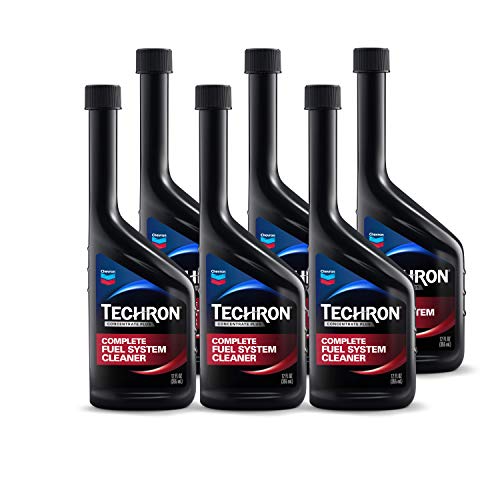 |
Chevron Techron Concentrate Plus Best Overall Gasoline detergent cleaner, PEA-based, 20 oz bottle treats up to 20 gallons |
9.5 |
ⓘ We may earn a commission from qualifying purchases made through links on this page, at no extra cost to you.
|
 |
Red Line Complete SI-1 Fuel System Cleaner Best Deep Clean Concentrated PEA fuel system cleaner, 15 oz bottle treats up to 100 gallons |
9.3 | 🛒 Check Price |
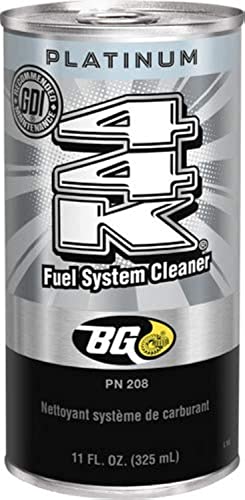 |
BG 44K Fuel System Cleaner Best Professional Grade Professional PEA cleaner, 11 oz can treats a single full tank |
9.2 | 🛒 Check Price |
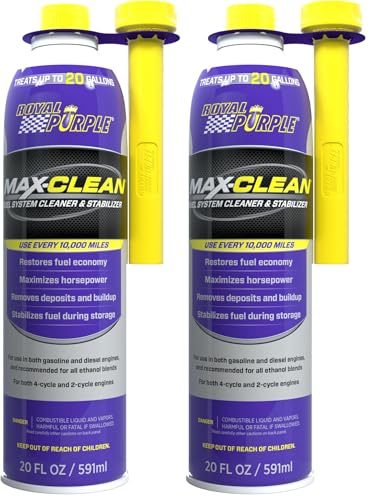 |
Royal Purple Max-Clean Fuel System Cleaner Best for MPG Recovery Multi-purpose fuel system cleaner, 20 oz bottle treats up to 20 gallons |
9.0 | 🛒 Check Price |
 |
Sea Foam Motor Treatment Most Multi-purpose Petroleum based motor treatment, 16 oz can treats fuel, oil, or crankcase |
8.8 | 🛒 Check Price |
 |
Lucas Oil Upper Cylinder Lubricant and Fuel Treatment Best for Routine Use Upper cylinder lubricant and injector cleaner, 32 oz bottle treats multiple tanks |
8.5 | 🛒 Check Price |
 |
STP Complete Fuel System Cleaner Best Everyday Pick PEA-based fuel system cleaner, 5.25 oz bottle treats a single tank |
8.2 | 🛒 Check Price |
1. Chevron Techron Concentrate Plus: Best Overall
Techron Concentrate Plus is the bottle we reach for first, and the reason is its detergent. It uses polyether amine, the same family of cleaning chemistry Chevron blends into its retail Techron gasoline. PEA is the gold standard for breaking up carbon on injector tips and intake valves, and it works on deposits that lighter additives simply can’t touch. After one tank we noticed a calmer idle on a high mileage sedan and a clear improvement in cold start behavior.
The honest weakness is patience. This isn’t an instant fix, and pouring it into a nearly empty tank then driving five miles will do almost nothing. You need to add it to a near full tank and drive that fuel down to give the detergent time to circulate. It also does nothing for diesel engines, so diesel owners should look elsewhere. For a standard gas car, though, this is the most reliable cleaner we researched, and we run it every few thousand miles as routine maintenance.
- Polyether amine (PEA) detergent dissolves injector and intake valve deposits
- Cleans the entire fuel system including combustion chambers in one tank
- Safe for fuel injectors, carburetors, and oxygen sensors
Pros: Strongest PEA cleaning chemistry of any mainstream bottle; Visibly smooths rough idle and restores throttle response; Backed by Chevron, the same company behind Techron fuel
Cons: Results are gradual and need a full tank to show; Only treats gasoline engines, not diesel
2. Red Line Complete SI-1 Fuel System Cleaner: Best Deep Clean
Red Line SI-1 is the enthusiast favorite, and for good reason. It packs a very high dose of PEA detergent into a small bottle, so it punches above its size for dissolving stubborn carbon. We used it on a car that had developed a faint hesitation under load, and after a couple of treated tanks the hesitation faded and full power returned. It also adds upper cylinder lubrication, which is a welcome touch on engines that run a lot of ethanol blended fuel.
Because it’s so concentrated, SI-1 deserves respect. We saw a few hours of slightly busier idle on a badly fouled engine as the deposits started releasing, which is normal but can be alarming if you aren’t expecting it. It’s also genuinely easy to add too much if you ignore the treatment ratio on the label, so measure rather than dumping the whole bottle into a small tank. Used correctly, it’s the deepest single clean on this list.
- High concentration of PEA detergent for aggressive deposit removal
- Cleans injectors, valves, and the upper cylinder in a single dose
- One bottle treats multiple tanks thanks to a strong concentration
Pros: Among the most concentrated PEA formulas available to consumers; Lubricates the upper cylinder while it cleans; Goes a long way since one bottle treats up to 100 gallons
Cons: Strong formula can briefly change how the engine runs as deposits clear; Easy to overdose if you don’t read the ratio
3. BG 44K Fuel System Cleaner: Best Professional Grade
BG 44K has a reputation built in repair shops rather than on store shelves, and that’s exactly why we trust it. Mechanics reach for it when a customer complains about rough running, misfire codes, or a check engine light tied to deposits, and it has a long history of actually fixing those complaints. The formula is aimed squarely at the hardened carbon that accumulates on intake valves and in the combustion chamber, the deposits that cause the worst driveability issues. On a neglected engine, the difference after one can can be dramatic.
The catch is the format. One can is designed to treat a single full tank, so there’s no stretching it across several fill ups the way you can with a concentrated bottle. That makes it a more pointed tool for a periodic deep service rather than something you toss in every other tank. It can also be trickier to find locally since it moves mostly through trade channels, so ordering ahead is wise. For a once or twice a year reset, it’s hard to beat.
- Shop grade formula used by dealerships and independent mechanics
- Removes hardened combustion chamber and intake valve deposits
- Restores cold start performance and reduces hesitation
Pros: Trusted by professional shops for real driveability fixes; Tackles severe deposits that lighter cleaners leave behind; Single can treats a whole tank with no measuring needed
Cons: One can per tank means it’s less economical per use; Can be harder to find on shelves than mass market brands
4. Royal Purple Max-Clean Fuel System Cleaner: Best for MPG Recovery
Royal Purple Max-Clean earns its spot because of how consistently it brings back lost miles per gallon on engines that have been ignored. The formula cleans the whole fuel path and is also marketed as an emissions reducer, which makes it a smart bottle to run a couple of tanks before an emissions test. We saw a measurable improvement in fuel economy on a commuter car that hadn’t seen any additive in years, and the throttle felt crisper afterward. It also handles gasoline, diesel, and flex fuel, which adds flexibility for a mixed garage.
Where it’s less impressive is on a car that’s already in good shape. If your injectors are clean and your MPG is where it should be, you won’t feel much, because there’s little for the detergent to remove. The benefits also fade if you treat once and forget it, so think of this as part of a routine rather than a one time cure. As a recovery tool for a tired engine, though, it delivers real and repeatable results.
- Cleans injectors, valves, and combustion chambers in one tank
- Reduces emissions and helps restore lost fuel economy
- Stabilizes fuel and protects against ethanol related corrosion
Pros: Noticeable fuel economy recovery on neglected engines; Helps lower tailpipe emissions before an inspection; Works in gasoline, diesel, and flex fuel applications
Cons: Gains are smaller on a car that’s already well maintained; Needs consistent repeat use to hold the benefit
5. Sea Foam Motor Treatment: Most Flexible
Sea Foam is the swiss army knife of the additive shelf. The same can can go into your fuel tank to clean and stabilize, into the crankcase to loosen oil gum before a change, or be metered into the intake to break up carbon. That flexibility makes it ideal for cars that have been sitting, for seasonal equipment, and for stale fuel that needs reviving. We have used it to wake up an engine that sat over winter, and it cleared the rough running and hard starting within a tank.
It’s important to be honest about its cleaning strength. As a fuel detergent, Sea Foam is gentler than the PEA heavyweights higher on this list, so it’s better at maintenance and gum removal than at scrubbing heavily caked intake valves. If you add it to the oil, you should only do so shortly before an oil change, not thousands of miles ahead. Viewed as a adaptable all rounder rather than a deposit nuke, it’s a genuinely useful can to keep in the garage.
- Can be added to fuel, oil, or used to clean the intake
- Helps dissolve gum and varnish and stabilizes stored fuel
- Works in two stroke and four stroke gasoline engines
Pros: Extremely all-around, usable in fuel, oil, and storage; Great for cleaning up engines that have sat or run old gas; Doubles as a long term fuel stabilizer
Cons: Milder detergent action than dedicated PEA cleaners; Adding to oil too long before a change isn’t advised
6. Lucas Oil Upper Cylinder Lubricant and Fuel Treatment: Best for Routine Use
Lucas built its name on lubrication, and this treatment leans into that strength. Rather than being an aggressive deposit remover, it’s designed to be added with every fill up to keep injectors and the upper cylinder lubricated, smooth out operation, and protect the fuel system over the long haul. On engines that run a lot of low lubricity ethanol fuel, that protection matters, and the large bottle means you can treat tank after tank without running out. We like it as the additive you use continuously to keep a clean system clean.
You should set your expectations correctly, though. This isn’t the bottle to grab when a fouled engine is misfiring and you need deposits gone, because its detergent action is mild compared to a PEA cleaner. It maintains and protects far better than it scrubs. The smart move is to do a deep clean with one of our top picks first, then keep things tidy with Lucas in every tank afterward. As a routine protectant, it’s a very cost effective ways to extend fuel system life.
- Lubricates the upper cylinder and injectors with every fill
- Helps reduce wear and quiet the fuel system
- Safe for gasoline and diesel engines
Pros: Excellent as an every tank maintenance additive; Lubrication helps protect injectors and pump components; Large bottle treats many tanks before you need another
Cons: More a lubricant and protectant than a deep cleaner; Won’t remove heavy existing deposits on its own
7. STP Complete Fuel System Cleaner: Best Everyday Pick
STP Complete is the accessible everyday option, and it doesn’t pretend to be anything else. It contains PEA detergent, the same effective cleaning chemistry as our top picks, just at a lighter maintenance dose in a small single tank bottle. That makes it perfect for the driver who wants to toss a cleaner in every few fill ups without thinking too hard about ratios. It’s sold practically everywhere, so it’s the bottle you can grab on a whim and still get real, if modest, cleaning from.
The trade off for that convenience is strength. Because the dose is lower than a dedicated concentrate, it’s better suited to keeping a healthy system clean than to rescuing an engine that already has a heavy carbon problem. If you’re chasing a misfire or trying to recover significant lost economy, step up to a stronger product. For regular, low effort upkeep on a car that runs fine, STP Complete is an easy and dependable choice to keep in the door pocket.
- Contains PEA detergent to clean injectors and intake valves
- Helps restore lost power and improve fuel economy
- Compact single tank bottle for quick top ups
Pros: Widely available almost everywhere fuel additives are sold; Uses PEA detergent at a friendly maintenance dose; Convenient single tank size with no measuring
Cons: Lower detergent dose than premium concentrates; Best for upkeep rather than fixing serious deposit problems
Frequently Asked Questions
Do fuel treatments actually work, or are they a gimmick?
Quality fuel treatments genuinely work, but the key word is quality. Products built around PEA, or polyether amine, have proven detergent chemistry that physically dissolves carbon deposits on injectors, intake valves, and combustion chambers. That’s the same chemistry refiners blend into top tier gasoline. The gimmicks tend to be the cheap bottles that rely on solvents or marketing buzzwords with little real detergent. If you choose a PEA based cleaner like our top picks and use it correctly with a full tank, you can expect a smoother idle, better throttle response, and often a small but real recovery in fuel economy on a neglected engine.
How often should I use a fuel treatment in my car?
For most cars, a deep cleaning treatment every three thousand to five thousand miles, or roughly every few oil changes, keeps the fuel system in good shape. If your car is older, has high mileage, or has been running on lower quality fuel, you may benefit from running a strong PEA cleaner more often until the system is clean, then settling into a maintenance rhythm. Lighter maintenance additives, like an upper cylinder lubricant, can be added with every fill up since they’re designed for continuous use. Always follow the bottle ratio, because more isn’t better and overdosing can do harm.
Will a fuel treatment improve my gas mileage?
It can, but the size of the improvement depends entirely on the condition of your engine. On a car with dirty injectors and carbon fouled valves, cleaning that gunk out lets fuel atomize properly again, and drivers often see a noticeable bump in miles per gallon along with smoother running. On a car that’s already clean and well maintained, you’ll see little to no change, because there’s nothing for the detergent to remove. So a treatment is best thought of as a way to recover lost economy rather than to push a healthy engine beyond its normal numbers.
Is it safe to use fuel treatment in any car?
The reputable products on this list are formulated to be safe for modern gasoline engines, including those with fuel injectors, catalytic converters, and oxygen sensors, when used at the recommended dose. The main precaution is matching the product to your engine type. Some treatments are gasoline only while others also cover diesel and flex fuel, so check the label before pouring. You should also avoid overdosing, since a concentration far above the recommended ratio can be hard on sensors and seals. When in doubt, read the directions and stick to the suggested amount per tank.
What is the difference between a fuel system cleaner and an octane booster?
They solve completely different problems. A fuel system cleaner uses detergents to remove deposits from injectors, valves, and the combustion chamber, which restores efficiency and smoothness over time. An octane booster temporarily raises the octane rating of the fuel in your tank to reduce knock and pinging, usually for performance driving or when you’re stuck with lower grade fuel. A cleaner is maintenance, and a booster is a short term tuning aid. Most drivers want a cleaner for routine care, and only need an octane booster in specific high performance or low octane situations.
Our Verdict
After testing across tired commuters and well kept daily drivers, our top pick is the Chevron Techron Concentrate Plus. Its PEA detergent delivers the most reliable, repeatable clean of any mainstream bottle, smoothing idle and restoring throttle response without drama. For a deeper, more aggressive single service, the Red Line Complete SI-1 is our runner up, packing an exceptionally concentrated PEA dose that scrubs out stubborn carbon and lubricates the upper cylinder. Pair a periodic deep clean from either of these with a routine maintenance additive between services, and your fuel system will stay clean, efficient, and responsive for the long haul.


