Gasoline starts breaking down within about 30 days. Left in a tank over winter, it oxidizes, forms gum and varnish, and pulls moisture out of the air, which is why so many mowers, generators, motorcycles and seasonal cars refuse to fire up in spring. A good fuel stabilizer slows that chemical clock, keeps ethanol from separating, and protects the carburetor and injectors while the machine sits.
We looked at the stabilizers that real owners trust for true long-term storage, from classic gas treatments to marine-grade and ethanol-specific formulas. Below are seven proven picks, ranked best first, with honest notes on where each one shines and where it falls short so you can match the right bottle to your engine and your storage timeline.
| Photo | Product | Score | Buy |
|---|---|---|---|
 |
STA-BIL Storage Fuel Stabilizer Best Overall Treats up to 80 gallons per 8 oz bottle, keeps fuel fresh up to 24 months |
9.5 |
ⓘ We may earn a commission from qualifying purchases made through links on this page, at no extra cost to you.
|
 |
Sea Foam SF-16 Motor Treatment Most All-around 16 oz treats up to 16 gallons for storage, also cleans and frees stuck components |
9.3 | 🛒 Check Price |
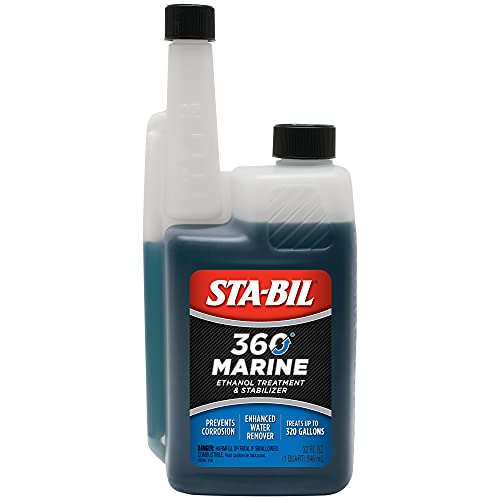 |
STA-BIL 360 Protection Marine Fuel Stabilizer Best for Boats Treats up to 80 gallons per 8 oz bottle, vapor-phase corrosion protection |
9.1 | 🛒 Check Price |
 |
Star Tron Enzyme Fuel Treatment Best for Ethanol 8 oz treats up to 128 gallons, enzyme-based formula for E10 fuel |
9.0 | 🛒 Check Price |
 |
Lucas Oil Fuel Stabilizer Best Value Concentrated formula treats roughly 32 gallons per quart for storage |
8.7 | 🛒 Check Price |
 |
PRI-G Gasoline Treatment Best for Long-Term Layup 16 oz treats up to 512 gallons, rated for multi-year storage with annual re-dose |
8.5 | 🛒 Check Price |
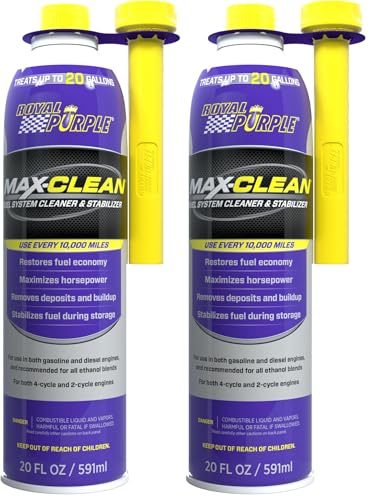 |
Royal Purple Max-Tane Fuel Stabilizer Best Premium Concentrated premium formula for stabilizing fuel during seasonal storage |
8.2 | 🛒 Check Price |
1. STA-BIL Storage Fuel Stabilizer: Best Overall
STA-BIL Storage is the stabilizer most people picture when they think of winterizing an engine, and it earns the reputation. Added to fresh gasoline before storage, it slows oxidation and gum formation for up to 24 months, neutralizes the moisture that ethanol blends attract, and helps the fuel ignite cleanly when you finally pull the cord or turn the key. Across mowers, snow blowers, motorcycles and stored project cars, it’s the safe default that almost always delivers an easy spring start.
The one honest catch is that it’s a preventer, not a cure. If you pour it into a tank of stale, already-degraded fuel, it can’t reverse varnish that has already formed. You have to add it while the gas is still fresh and then run the engine a few minutes so treated fuel reaches the carburetor. Do that and it rarely disappoints, which is why it tops our list for overall storage value.
- Keeps stored gasoline stable for up to 24 months
- Removes water and prevents ethanol-related corrosion
- Works in cars, mowers, motorcycles, generators and small engines
Pros: Trusted, widely available formula with a long storage rating; Single bottle treats a large volume of fuel; Easy self-measuring bottle neck for accurate dosing
Cons: Needs to be added to fresh fuel, not old gas, to work properly; The bright red dye can stain hands and surfaces
2. Sea Foam SF-16 Motor Treatment: Most Multi-purpose
Sea Foam is the multitool of the fuel additive world. Pour it in before storage and it stabilizes gasoline for up to two years while also dissolving the gum and varnish that builds up in carburetors and on injectors. That dual nature makes it a favorite for people who store several different machines, since one bottle covers the lawn mower, the outboard, the generator and the daily driver alike, gas or diesel.
The trade-off for that flexibility is dosing. For heavy cleaning Sea Foam asks for a richer mix than a pure stabilizer, so a 16 oz can doesn’t stretch as far per gallon when you want both storage protection and a real clean. The smell is also strong and unmistakably petroleum. Neither issue is a dealbreaker, but if your only goal is parking fuel for the winter, a dedicated stabilizer may go further per bottle.
- Stabilizes fuel for up to 2 years of storage
- Cleans injectors, carburetors and intake deposits as it works
- Safe for gas and diesel engines, two-stroke and four-stroke
Pros: Doubles as a cleaner and a storage stabilizer; Works in both gasoline and diesel systems; Helps free lightly gummed carburetors over time
Cons: Higher dose needed than some dedicated stabilizers; Strong petroleum smell some users dislike
3. STA-BIL 360 Protection Marine Fuel Stabilizer: Best for Boats
Boats live in the worst storage conditions there are, surrounded by humidity and often half-full tanks where condensation collects. STA-BIL 360 Protection answers that with a vapor-phase technology that releases corrosion inhibitors into the air space above the fuel, protecting the metal surfaces that liquid additives never touch. Combined with strong water control and ethanol protection, it’s the bottle I reach for on outboards, personal watercraft and anything wintered near water.
It’s worth noting the rated storage life is shorter than the classic STA-BIL Storage formula, so for a true multi-year layup the plain red bottle may serve better. The marine branding also leads some buyers to skip it for lawn and garden gear, even though it works fine there. For damp, corrosion-prone storage, though, that vapor protection is the feature that sets it apart.
- Releases corrosion inhibitors into the air above the fuel line
- Removes water and protects against ethanol damage
- Formulated specifically for marine and high-humidity storage
Pros: Protects metal above the fuel line, not just the liquid; Strong defense against ethanol phase separation; Stabilizes fuel for up to 12 months
Cons: Shorter rated storage window than STA-BIL Storage; Marine focus makes it less obvious for basic small engines
4. Star Tron Enzyme Fuel Treatment: Best for Ethanol
Star Tron takes a different approach from the petroleum-based stabilizers. Its enzyme formula works to break apart the sludge and gum that ethanol-blended E10 fuel tends to leave behind, keeping the gasoline burnable and the fuel system clean through long storage of up to two years. An 8 oz bottle treats a huge volume of fuel, so for owners juggling several ethanol-fed machines it stretches remarkably far per ounce.
The enzyme action is gentle and cumulative rather than instant, so if you’re trying to rescue a badly gummed carburetor you may need a couple of treated tanks before things run clean again. It’s also not the additive to choose if your main concern is scrubbing carbon from injectors. As a focused, high-value defense against ethanol breakdown during storage, though, it’s hard to beat.
- Enzyme technology breaks down gum and sludge
- Stabilizes fuel for up to 2 years
- Helps engines start after long ethanol storage
Pros: Excellent value, treats a very large fuel volume; Designed specifically to combat ethanol problems; Can help revive engines left with older fuel
Cons: Results can take a couple of tanks to show fully; Less effective as a heavy carbon cleaner
5. Lucas Oil Fuel Stabilizer: Best Value
Lucas Oil built its name on no-nonsense additives, and its Fuel Stabilizer fits that mold. It’s a concentrated treatment that guards stored fuel against oxidation and the gum that clogs jets and injectors, and it handles both gasoline and diesel, which keeps things simple if your shed holds a mix of machines. For the volume it treats, it represents strong qualitative value for owners who just want dependable seasonal protection without fuss.
Lucas is less specific than some competitors about exactly how many months of storage it guarantees, so for a multi-year layup I would lean toward a stabilizer with a clearly stated window. The formula is also fairly thick and gets sluggish to pour when the garage is cold, so dose it before the real freeze sets in. Within a normal winter storage cycle, it does its job quietly and well.
- Keeps fuel fresh during seasonal storage
- Reduces oxidation and gum buildup in the tank
- Compatible with gasoline and diesel engines
Pros: Concentrated, so a little goes a long way; Works across gas and diesel applications; Reliable, no-fuss storage protection
Cons: Less detailed storage-life rating than top rivals; Thicker fluid pours slowly in cold weather
6. PRI-G Gasoline Treatment: Best for Long-Term Layup
PRI-G is a quiet favorite among preppers, collectors and anyone storing fuel reserves for the long haul. A single 16 oz bottle treats hundreds of gallons, and unlike most stabilizers it has a reputation for actually refreshing gasoline that has already begun to oxidize, not just preventing future breakdown. For drums of reserve fuel or a vehicle going into deep storage, that restorative ability is genuinely useful.
To get the multi-year protection PRI-G is known for, the catch is that you’re expected to re-treat the stored fuel roughly once a year, which means it isn’t a true set-and-forget bottle. It’s also harder to find on local shelves than household names, so you may need to order ahead. For serious long-term fuel storage, though, its treat ratio and restorative reputation make it worth the planning.
- Treats an exceptionally large volume of fuel
- Can refresh and restore older, degraded gasoline
- Suited to very long storage when re-dosed yearly
Pros: Outstanding treat ratio for big or repeated jobs; Can help restore fuel that has already started to age; Favored for emergency and long-term fuel reserves
Cons: Best results require re-treating fuel each year; Less common on shelves than mainstream brands
7. Royal Purple Max-Tane Fuel Stabilizer: Best Premium
Royal Purple is best known for premium lubricants, and its fuel stabilizer carries that same upmarket positioning. It targets oxidation, ethanol corrosion and the loss of combustion quality that plagues stored gasoline, aiming to keep fuel as close to fresh as possible so a performance engine or a cherished weekend car wakes up cleanly after the cold months. For owners who already run Royal Purple oils, it’s a natural, brand-consistent choice.
Where it lags the leaders is visibility and clarity. It’s less commonly stocked than STA-BIL or Sea Foam, so you may have to seek it out, and the label is less explicit about exactly how long it holds fuel stable in storage. The protection itself is solid, but for shoppers who want a clearly rated, easy-to-find storage stabilizer, it sits a notch below the front-runners despite its premium pedigree.
- Protects against oxidation and ethanol corrosion
- Helps maintain octane and combustion quality
- Designed for performance and daily-driver engines alike
Pros: Premium formulation from a respected oil brand; Good ethanol and corrosion protection; A little treats a meaningful amount of fuel
Cons: Less widely stocked than mainstream stabilizers; Storage-life claims are less prominent on the label
Frequently Asked Questions
How long does fuel stabilizer keep gas fresh in storage?
It depends on the product and conditions. Most quality stabilizers keep gasoline usable for around 12 to 24 months when added to fresh fuel and stored in a sealed tank away from temperature swings. Classic STA-BIL Storage and Star Tron are rated up to 24 months, while specialty products like PRI-G can stretch much longer if you re-treat the fuel about once a year. Untreated gas, by comparison, often starts degrading within 30 days and can be noticeably stale in three to six months.
Should I store the tank full or empty?
For most seasonal storage, fill the tank nearly full with fresh, stabilized fuel. A full tank leaves little air space for condensation to form, which is the moisture that causes rust and ethanol separation. Add your stabilizer, then run the engine for a few minutes so treated fuel reaches the carburetor or injectors. The main exception is some small two-stroke equipment, where manufacturers recommend running the carburetor dry, so always check your owner’s manual first.
Can fuel stabilizer fix old gas that has already gone bad?
Mostly no. The majority of stabilizers, including STA-BIL Storage, are preventers that slow breakdown in fresh fuel and can’t reverse varnish or gum that has already formed. A few products like PRI-G and Sea Foam have some ability to revive or extend mildly aged fuel, but heavily degraded, sour-smelling gas is usually best drained and disposed of properly rather than treated. The reliable approach is to add stabilizer while the gas is still fresh.
Do I need a special stabilizer for ethanol fuel?
If you run E10 or other ethanol blends, an ethanol-focused stabilizer is a smart choice. Ethanol attracts water and can separate from gasoline over time, a problem called phase separation that ruins fuel and corrodes metal. Products like Star Tron, STA-BIL 360 and most modern formulas are designed to control water and protect against ethanol damage. For boats and other humid storage, a marine stabilizer with vapor-phase corrosion protection adds an extra layer of defense.
How much fuel stabilizer should I add for storage?
Always follow the bottle, because treat ratios vary a lot between brands. As a rough guide, many stabilizers use about one ounce per gallon to a few gallons, while concentrated formulas like Star Tron or PRI-G treat far more fuel per ounce. For long-term storage, some products recommend a slightly heavier dose than for routine use. The key is to mix it into fresh fuel and then run the engine briefly so the treated gas circulates through the entire fuel system.
Our Verdict
For most people parking a car, mower, generator or motorcycle for the season, STA-BIL Storage Fuel Stabilizer is the pick to beat. It’s widely available, clearly rated for up to 24 months, and reliably delivers an easy spring start when added to fresh fuel. If you want one bottle that stabilizes and cleans across gas and diesel machines, Sea Foam SF-16 Motor Treatment is the runner up and the most flexible choice in this lineup. Match either to your engine and storage timeline, add it while the fuel is still fresh, and run the engine a few minutes so the treated gas reaches the carburetor.

