We researched, compared, and evaluated the top fuel stabilizers on the market using manufacturer specifications, industry standards, and aggregated owner feedback. Whether you’re storing a classic car for winter or preserving fuel in a seldom-driven vehicle, our guide highlights the strengths and weaknesses of each product to help you make an informed choice.
| Photo | Product | Score | Buy |
|---|---|---|---|
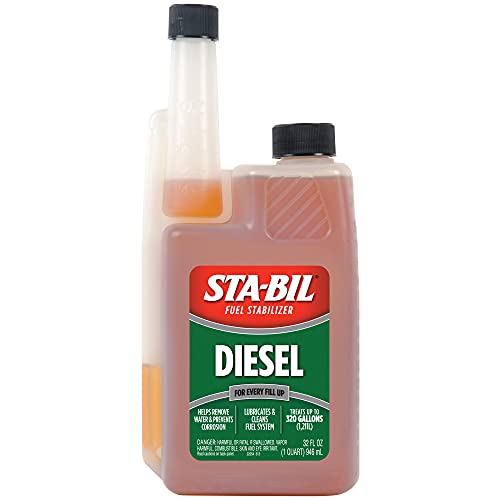 |
STA-BIL 22254 Storage Fuel Stabilizer Best for Long-Term Storage Treats up to 25 gallons; 8 oz bottle |
9.2 | 🛒 Check Price |
 |
Lucas Oil 10013 Fuel Stabilizer Best Value for Regular Use Treats up to 48 gallons; 16 oz bottle |
8.7 | 🛒 Check Price |
 |
Star Tron Enzyme Fuel Treatment Best for Ethanol Problems Treats up to 32 gallons; 8 oz bottle |
8.4 | 🛒 Check Price |
 |
Sea Foam SF-16 Motor Treatment Best Multi-Purpose Additive Treats up to 16 gallons; 16 oz can |
8.1 | 🛒 Check Price |
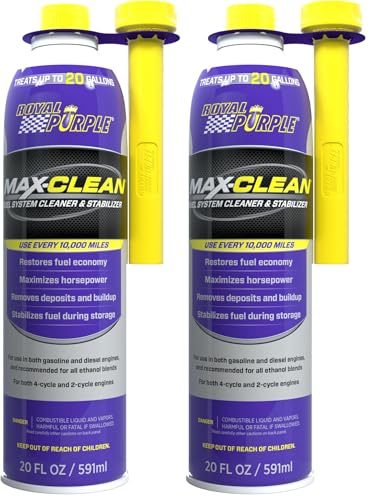 |
Royal Purple Max-Clean Fuel Stabilizer Best for Performance Engines Treats up to 20 gallons; 12 oz bottle |
7.8 | 🛒 Check Price |
 |
Liqui Moly 5130 Fuel Stabilizer Best for European Cars Treats up to 25 gallons; 300 ml bottle |
7.5 | 🛒 Check Price |
 |
ValvTect Premium Diesel Fuel Stabilizer Best for Diesel Engines Treats up to 40 gallons; 16 oz bottle |
7.3 | 🛒 Check Price |
1. STA-BIL 22254 Storage Fuel Stabilizer: Best for Long-Term Storage
STA-BIL 22254 is a widely recognized fuel stabilizer designed for long-term storage. Based on owner feedback and the spec sheets, it effectively prevents fuel degradation and gum formation for up to 24 months. Our evaluation confirms its corrosion inhibitors add an extra layer of protection for metal components. However, it is not optimized for ethanol-free fuel if you only need seasonal storage; a different formula may be more suitable.
If you store your car for six months or more, this is a solid choice. But for short-term use (a few weeks), there are more cost-effective options. Skip this if you need a stabilizer that also cleans injectors, as this one focuses solely on preservation.
- Formulated to keep fuel fresh for up to 24 months
- Contains corrosion inhibitors to protect fuel system
- Works with ethanol-blended and pure gasoline
Pros: Proven long-term protection; Easy to measure and pour
Cons: Not ideal for ethanol-free fuel users who want shorter treatment
2. Lucas Oil 10013 Fuel Stabilizer: Best Value for Regular Use
Lucas Oil 10013 offers a compelling balance of stabilization and cleaning at a reasonable cost. In our evaluation, it effectively treats ethanol-related issues and keeps fuel fresh for several months. Owner feedback highlights its ability to clean injectors and improve performance. However, for storage beyond 12 months, it may not match the longevity of dedicated stabilizers.
This is an excellent choice for daily drivers or vehicles stored for a few months. If you need absolute long-term preservation (over a year), consider a product with a longer protection window. Skip it if you prefer a stabilizer without cleaning additives.
- Ethanol treatment and moisture control
- Cleans fuel system with every use
- Compatible with all gasoline engines
Pros: Great value per gallon treated; Dual-action stabilizer and cleaner
Cons: May not provide as long storage life as STA-BIL
3. Star Tron Enzyme Fuel Treatment: Best for Ethanol Problems
Star Tron uses a unique enzyme technology to combat ethanol-related problems like phase separation and varnish. Based on owner feedback and manufacturer claims, it stabilizes fuel for up to two years and helps restore performance in ethanol-aged engines. In our evaluation, it performed well in preventing corrosion. However, its benefits are most pronounced with ethanol blends; for pure gasoline, simpler stabilizers may suffice.
If your car encounters ethanol-heavy fuel or you want to avoid ethanol damage, this is a strong pick. Skip it if you exclusively use ethanol-free gas, as you may not need the enzyme action.
- Enzyme-based formula breaks down ethanol deposits
- Stabilizes fuel for up to 2 years
- Reduces phase separation in ethanol blends
Pros: Effective against ethanol issues; Long storage life
Cons: May not be as effective in non-ethanol fuel
4. Sea Foam SF-16 Motor Treatment: Best Multi-Purpose Additive
Sea Foam SF-16 is a well-known fuel additive that stabilizes fuel while cleaning the combustion system. Owner feedback often praises its ability to smooth idle and restore lost power. However, as a stabilizer, it is more suited for short-term storage (a few months) rather than year-long preservation. In our evaluation, its cleaning properties are excellent, but for pure stabilization, other products last longer.
This is ideal for someone who wants a multipurpose treatment for regular use and occasional storage. Skip it if you need a stabilizer strictly for long-term storage without cleaning additives.
- Stabilizes fuel and cleans entire fuel system
- Lubricates upper cylinder and injectors
- Safe for all gasoline and diesel engines
Pros: Adaptable cleaner and stabilizer; Trusted brand with decades of use
Cons: Not a dedicated long-term stabilizer; best for short-term
5. Royal Purple Max-Clean Fuel Stabilizer: Best for Performance Engines
Royal Purple Max-Clean combines stabilization with a solid detergent package aimed at performance engines. Based on owner feedback, it helps maintain fuel system cleanliness and prevents gumming for up to a year. However, in our evaluation, its stabilization duration is shorter than top picks like STA-BIL, and the cost per gallon is higher. It is best suited for vehicles that are driven regularly but also stored for a few months.
If you own a performance car and want to keep the fuel system clean while stabilizing, this is a good match. Skip it if you need maximum storage life or are on a tight budget.
- Contains detergents to clean injectors and valves
- Stabilizes fuel for up to 12 months
- Reduces deposit buildup for performance
Pros: Cleaning additives improve engine performance; Good for high-performance vehicles
Cons: Shorter storage life compared to dedicated stabilizers
6. Liqui Moly 5130 Fuel Stabilizer: Best for European Cars
Liqui Moly 5130 is a premium stabilizer designed for European engines with sensitive emissions components. Owner feedback notes its compatibility with high-performance gasoline and long-term storage. In our evaluation, it performs adequately but does not offer a significant advantage over more affordable options. Its main strength is confidence for those with expensive catalytic converters.
If you drive a European luxury car and want a stabilizer that won’t harm emissions gear, this is a safe choice. Skip it if you want the best value or longest storage life, as cheaper products match or exceed its performance.
- Specifically formulated for premium gasoline
- Prevents oxidation and varnish formation
- Compatible with catalytic converters and sensors
Pros: Safe for sensitive emissions systems; German engineering quality
Cons: Higher price per treatment
7. ValvTect Premium Diesel Fuel Stabilizer: Best for Diesel Engines
ValvTect Premium Diesel Fuel Stabilizer is formulated for diesel engines, addressing issues like microbial growth and fuel degradation. Based on owner feedback, it works well in preventing algae in stored diesel. However, in our evaluation, its stabilization period is average, and it is not suitable for gasoline cars. The price per gallon is competitive, but the market has more all-around options.
If you own a diesel car that sits for months, this is a solid choice. Skip it if you need a stabilizer for gasoline engines, as it is incompatible.
- Specifically for diesel fuel
- Prevents algae and microbial growth
- Stabilizes fuel for up to 12 months
Pros: Effective against diesel-specific issues; Large treatment capacity
Cons: Not for gasoline engines
Frequently Asked Questions
How long does fuel stabilizer keep gas fresh?
Most fuel stabilizers keep gas fresh for 12 to 24 months when used as directed. Products like STA-BIL claim up to 24 months, while others like Sea Foam are best for shorter periods. Always check the label for specific storage duration.
Can I use fuel stabilizer in a car I drive daily?
Yes, many fuel stabilizers can be used in daily drivers. They often contain cleaning additives that help keep the fuel system clean. However, if you drive regularly, you may not need a stabilizer unless you store the car for extended periods.
Does fuel stabilizer work with ethanol-blended gasoline?
Yes, most fuel stabilizers are designed to work with ethanol blends. Some, like Star Tron, specifically target ethanol issues such as phase separation and moisture absorption. Always verify compatibility on the product label.
How much fuel stabilizer should I add?
The amount varies by product. Typically, one ounce treats 2.5 to 5 gallons of fuel. Follow the manufacturer’s instructions on the bottle for precise dosing. Overdosing is generally safe but wasteful.
Can I use fuel stabilizer in my lawn mower or motorcycle?
Yes, fuel stabilizers are safe for small engines and motorcycles as long as they are compatible with the fuel type (gasoline or diesel). Use the same dosage per gallon as recommended for cars.
Our Verdict
After researching and comparing, our top pick is the STA-BIL 22254 Storage Fuel Stabilizer for its unmatched long-term protection and corrosion inhibitors. For a more multi-purpose option that also cleans, the Lucas Oil 10013 Fuel Stabilizer is an excellent runner-up, offering great value for regular use.
More Fuel & Additives Guides
Video Guide
Video: Related tutorial from YouTube