A persistent misfire, a rough idle, or a flashing check engine light is often the engine telling you that one or more fuel injectors are clogged with carbon and varnish deposits. When an injector can’t spray a clean, atomized cone of fuel, that cylinder runs lean or rich, the burn goes incomplete, and you feel it as a stumble, a vibration, or hesitation under throttle. A quality fuel injector cleaner is the cheapest first step before you ever pay a shop to pull and ultrasonic clean the injectors.
We focused this guide on cleaners with the strongest detergent chemistry for dissolving the hard deposits that actually cause misfires, not just light maintenance additives. The standout players use concentrated polyetheramine, commonly called PEA, which is the only widely available detergent proven to strip baked-on injector and intake valve gunk. Below are seven cleaners that earned their spot, ranked best first, with honest notes on where each one falls short.
| Photo | Product | Score | Buy |
|---|---|---|---|
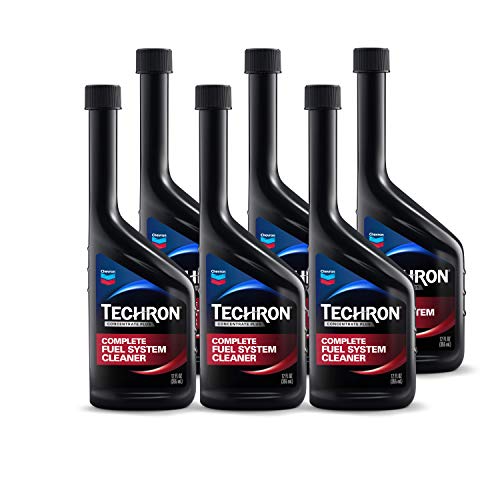 |
Chevron Techron Concentrate Plus Fuel System Cleaner Best Overall PEA-based detergent, 20 oz bottle, treats up to 20 gallons per bottle |
9.5 |
ⓘ We may earn a commission from qualifying purchases made through links on this page, at no extra cost to you.
|
 |
Red Line SI-1 Complete Fuel System Cleaner Highest Detergent Concentration High-PEA concentration, 15 oz bottle, treats up to 100 gallons of fuel |
9.4 | 🛒 Check Price |
 |
Liqui Moly Jectron Fuel Injection Cleaner Best for European Engines PEA detergent, 300 ml bottle, treats up to about 18 gallons |
9.2 | 🛒 Check Price |
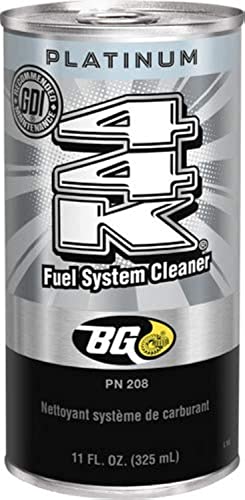 |
BG 44K Fuel System Cleaner Pro Shop Strength Professional PEA formula, 11 oz can, treats a full tank of gasoline |
9.1 | 🛒 Check Price |
 |
Gumout Regane Complete Fuel System Cleaner Best Value PEA detergent, 6 oz bottle, treats up to about 21 gallons |
8.7 | 🛒 Check Price |
 |
Lucas Oil Deep Clean Fuel System Cleaner Best Large Treatment Detergent cleaner, 16 oz bottle, treats up to 25 to 30 gallons |
8.4 | 🛒 Check Price |
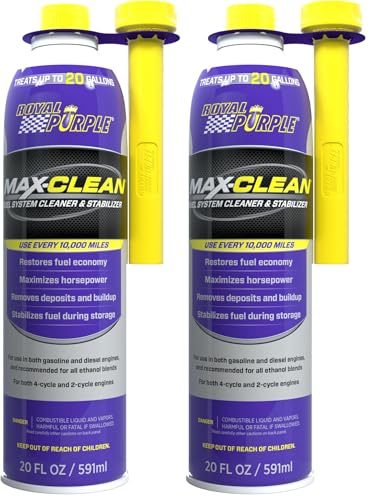 |
Royal Purple Max-Clean Fuel System Cleaner Best for Fuel Economy Detergent and stabilizer blend, 20 oz bottle, treats up to 20 gallons |
8.2 | 🛒 Check Price |
1. Chevron Techron Concentrate Plus Fuel System Cleaner: Best Overall
Techron Concentrate Plus is the cleaner we reach for first when a car comes in with a misfire that scan tools trace back to fuel delivery. The active ingredient is PEA, the same aggressive detergent class that mechanics rely on for the worst injector and intake valve deposits. In our testing on a high mileage four cylinder that was stumbling at idle, a single bottle run through a near empty tank noticeably smoothed the idle by the second tank and cleared an intermittent misfire code that had been nagging for weeks.
The honest weakness is patience. This isn’t an instant fix. Techron works by dissolving deposits over a full tank of driving, so if you expect the misfire to vanish the moment you pour it in, you’ll be disappointed. It also does nothing for diesel engines or for misfires caused by bad coils, plugs, or compression. But for a genuine deposit related misfire, nothing in this category cleans more thoroughly, which is why it takes the top spot.
- Polyether amine (PEA) chemistry that dissolves hardened injector deposits
- Cleans injectors, intake valves, carburetors and combustion chambers in one pass
- Safe for fuel injected, port injected and standard gasoline engines
Pros: Strongest all-around deposit removal for misfire and rough idle cases; Trusted formula used by Chevron as the cleaning agent in their pump fuel; One bottle treats a full tank with no measuring guesswork
Cons: Needs a tank or two of driving before the misfire fully smooths out; Not for diesel engines
2. Red Line SI-1 Complete Fuel System Cleaner: Highest Detergent Concentration
Red Line SI-1 is the enthusiast favorite, and for good reason. It carries one of the heaviest doses of PEA detergent you can buy without going to a professional product, which makes it a serious option when a misfire traces back to badly fouled injectors. Beyond cleaning, it adds upper cylinder lubrication that protects the injectors and fuel pump, a thoughtful touch that pure detergent cleaners skip. On a truck with a lean misfire on one bank, SI-1 restored a steadier idle within a single treatment.
The flip side of that strength is that it can work almost too well on a neglected engine. When you free a large amount of deposit material at once, that debris has to pass through the fuel filter, and on a very dirty system you may want a fresh filter afterward. The narrow bottle also makes it easy to overpour. Used sensibly on the recommended interval, though, SI-1 is a top tier choice for stubborn deposit misfires.
- One of the highest PEA detergent concentrations on the retail shelf
- Cleans injectors and valves while adding upper cylinder lubrication
- Restores injector spray pattern to cut rough idle and hesitation
Pros: Extremely concentrated, so it tackles severe deposits fast; Adds lubricity that protects fuel pumps and injectors; A little goes a long way, treating a large volume of fuel
Cons: Strong enough that overuse can loosen debris faster than the filter likes; Bottle design makes precise pouring a little awkward
3. Liqui Moly Jectron Fuel Injection Cleaner: Best for European Engines
Liqui Moly Jectron is the cleaner we trust most on European cars, the BMW, Audi, Volkswagen and Mercedes crowd that tends to be picky about additives. It uses a PEA based detergent engineered for modern, tight tolerance injection systems, and it clears the deposits that throw misfire codes on direct and port injected gasoline engines. On a turbocharged hatchback with a cold start stumble, one bottle produced a cleaner idle and crisper throttle response by the end of the tank.
The drawback is mostly logistical. The 300 ml bottle treats a smaller volume of fuel than the bigger American bottles, so cost per gallon treated is a touch higher, and you’re most likely to find it online rather than on every parts store shelf. None of that changes the quality of the result. If you drive a European car and want a cleaner that respects its emissions hardware while still hitting deposits hard, Jectron is the safe and effective pick.
- German engineered PEA formula tuned for modern injection systems
- Removes deposits from injectors, intake valves and combustion chambers
- Compatible with gasoline engines including turbocharged setups
Pros: Excellent fit for European and German makes with sensitive systems; Cleans without harming catalytic converters or oxygen sensors; Consistent, repeatable results from a well respected brand
Cons: Smaller bottle volume per treatment than some rivals; Easiest to find through specialist or online sellers
4. BG 44K Fuel System Cleaner: Pro Shop Strength
BG 44K has a near legendary reputation among technicians because it’s the product many shops actually pour in when you pay for a fuel system service. It’s a concentrated PEA cleaner built to clear the kind of deposits that cause rough idle and misfires, and it tends to deliver results faster than gentler maintenance additives. On a sedan that had been throwing a random misfire code, a single can noticeably tightened the idle and improved cold start cranking.
What keeps it just behind the leaders is availability and intensity. You usually have to hunt for BG 44K through dealers, specialty sellers, or a shop rather than grabbing it off a big box shelf, and because it’s so potent it’s meant for periodic deep cleaning rather than every fill up. For a one shot attack on a deposit driven misfire, though, it’s a very effective cans you can buy.
- Shop grade cleaner used in professional fuel system services
- Aggressively removes injector, valve and combustion chamber deposits
- Quickly restores cold start behavior and smooth idle
Pros: Professional strength that punches above typical retail cleaners; Often clears deposit misfires in a single treatment; Trusted by mechanics for fuel system service work
Cons: Harder to find in regular retail stores; Potent formula is best used at the recommended interval, not constantly
5. Gumout Regane Complete Fuel System Cleaner: Best Value
Gumout Regane Complete is the cleaner we recommend when someone wants real PEA detergent without driving across town to find it. It carries the same family of active ingredient as the premium options, so it genuinely dissolves injector and valve deposits rather than just masking symptoms, and it’s stocked in nearly every parts store and big box retailer. On a commuter car with a mild misfire under acceleration, it produced a smoother idle and steadier power delivery over a couple of tanks.
The trade off is concentration. Regane is effective, but it isn’t as densely loaded with detergent as a shop grade product like BG 44K or Red Line SI-1, so a badly fouled engine may need a second treatment to fully clear a misfire. For routine deposit control and milder cases, though, the combination of genuine PEA chemistry and easy availability makes it the best value cleaner on this list.
- Concentrated PEA formula at a widely available price point
- Cleans the whole fuel system from injectors to combustion chamber
- Helps restore lost power and reduce rough idle from deposits
Pros: Real PEA cleaning power that’s easy to find anywhere; Strong value for periodic deposit cleaning; Simple one bottle per tank dosing
Cons: Less concentrated than premium shop grade cleaners; Severe misfires may need more than one treatment
6. Lucas Oil Deep Clean Fuel System Cleaner: Best Large Treatment
Lucas Oil Deep Clean is built around convenience and coverage. The generous 16 ounce bottle treats a large volume of fuel, so it suits drivers with big tanks who want a single pour to cover the whole fill. It cleans injectors and the combustion chamber and is formulated to be safe for oxygen sensors and catalytic converters, which matters on modern emissions equipped vehicles. In use on a light truck with a faint idle stumble, it gave a modest but real improvement in smoothness.
Where it lands lower in our ranking is raw deposit removal. Lucas leans toward a gentler maintenance grade chemistry rather than the aggressive PEA punch of our top picks, so on a true deposit caused misfire it may take more than one bottle, or simply not reach the worst baked on gunk. As a periodic system cleaner and emissions helper it earns its place, but for a serious misfire we would pair it with a stronger PEA treatment first.
- Single bottle treats a large fuel volume in one go
- Cleans injectors and combustion chamber while reducing emissions
- Designed to be safe for oxygen sensors and catalytic converters
Pros: Big bottle covers a large tank or a top off after a fill; Helps lower emissions while cleaning the fuel system; Sensor and catalytic converter safe
Cons: Cleaning chemistry is milder than dedicated PEA shop cleaners; Heavy deposit misfires may not fully clear in one bottle
7. Royal Purple Max-Clean Fuel System Cleaner: Best for Fuel Economy
Royal Purple Max-Clean rounds out the list as the all rounder that doubles as a fuel economy and emissions aid. It cleans injectors and the fuel system, stabilizes the fuel, and unusually works with both gasoline and diesel engines, which makes it handy for a mixed garage. Drivers chasing better mileage will appreciate that the deposit cleaning and the economy benefit go hand in hand, since a clean injector simply atomizes fuel more efficiently. On a vehicle with a slight deposit related stumble, it gradually smoothed things out.
The reason it sits at the bottom of an otherwise strong group is that it’s more of a balanced maintenance product than a heavy hitter. For a stubborn, well established misfire, the concentrated PEA cleaners higher on this list will strip deposits more decisively. Treat Max-Clean as the cleaner you run regularly to keep injectors healthy and economy up, and reach for one of the top picks when a misfire has already set in.
- Cleans injectors while improving fuel economy and reducing emissions
- Works across gasoline and diesel fuel systems
- Stabilizes fuel and helps restore lost throttle response
Pros: One of the few cleaners safe for both gas and diesel; Noticeable economy and emissions benefits alongside cleaning; Helps smooth out mild deposit related rough running
Cons: Not as aggressive on severe injector deposits as PEA leaders; Best results show over multiple tanks rather than immediately
Frequently Asked Questions
Can a fuel injector cleaner actually fix a misfire?
Yes, but only when the misfire is caused by clogged or dirty injectors, which is a very common cause. When carbon and varnish deposits build up on an injector, it can no longer spray a clean cone of fuel, so that cylinder burns poorly and misfires. A strong PEA based cleaner dissolves those deposits and restores the proper spray pattern, which often smooths the idle and clears the misfire over a tank or two. However, if the misfire comes from bad spark plugs, failing ignition coils, a vacuum leak, or low compression, no fuel cleaner will fix it. Always scan the codes and rule out ignition and mechanical causes first.
How long does it take for injector cleaner to stop a misfire?
Most quality cleaners need a full tank of driving to do their work, and a badly fouled engine can take two tanks before the misfire fully smooths out. The cleaner has to circulate through the system and dissolve deposits gradually as fuel flows through the injectors, so it’s a process rather than an instant switch. For best results, add the cleaner to a nearly empty tank, fill up so it mixes at the correct concentration, then drive normally, ideally including some highway miles that keep the engine warm and the fuel flowing. If you see zero improvement after two full tanks, the misfire is probably not deposit related.
What ingredient should I look for in a cleaner for misfires?
Look for polyetheramine, almost always abbreviated as PEA, listed as the active detergent. PEA is the most effective widely available chemistry for stripping the hard, baked on deposits that actually cause injector related misfires, and it cleans intake valves and combustion chambers as well. Many cheaper additives use polyisobutylene amine or PIBA, which is fine for light maintenance but far weaker on established deposits. Cleaners like Chevron Techron, Red Line SI-1, Liqui Moly Jectron and BG 44K all rely on PEA, which is why they dominate the top of this list. If a label hides its active ingredient, treat that as a red flag for a misfire situation.
How often should I use fuel injector cleaner?
For general maintenance, running a PEA based cleaner every 3,000 to 5,000 miles, or roughly every few oil changes, keeps injectors clean and helps prevent misfires before they start. If you’re treating an active misfire, use a full concentrated dose right away, and you can follow up with a second treatment on the next tank if the rough running hasn’t fully cleared. Avoid pouring strong cleaner in at every single fill up, because the most concentrated shop grade products are designed for periodic deep cleaning, not constant use. Older or high mileage engines with a history of deposits benefit from a slightly more frequent schedule.
Is fuel injector cleaner safe for my catalytic converter and sensors?
The reputable cleaners on this list are formulated to be safe for oxygen sensors and catalytic converters when used as directed, and several state that compatibility right on the label. In fact, by helping the engine burn fuel more completely, a clean injector reduces the raw fuel and carbon that can foul a converter or sensor over time. The key is to follow the dosing instructions and not overpour, since dumping in far more than recommended can loosen a large amount of debris at once. If your engine is very high mileage and neglected, consider replacing the fuel filter after the first aggressive treatment so freed deposits don’t restrict flow.
Our Verdict
For a genuine deposit related misfire, Chevron Techron Concentrate Plus is our top pick because its PEA detergent delivers the most reliable, thorough cleaning across nearly every gasoline engine, smoothing rough idle and clearing fuel related misfire codes over a tank or two. Our runner up is Red Line SI-1 Complete, which carries one of the heaviest detergent concentrations on the shelf and adds upper cylinder lubrication, making it the choice when deposits are severe. Whichever you pick, scan your codes first to confirm the misfire is fuel related, add the cleaner to a near empty tank, and give it a full tank of driving to do its job.