The Honda Accord is among the most reliable sedans on the road, but its fuel system still collects carbon and varnish over time, especially on direct-injected 1.5T and 2.0T engines and the older port-injected K-series and J-series motors. When injectors get gummed up, you feel it as a rough idle, hesitation on acceleration, harder cold starts, and a slow creep down in fuel economy. A good fuel injector cleaner poured into the tank can dissolve those deposits and bring back the smooth, quiet running an Accord is known for.
We looked at how well each cleaner handles real Accord problems, including intake valve deposits on turbo direct-injection engines, ethanol-related issues, and long-term injector protection. Below are the seven cleaners that earned their place, ranked best first, with honest notes on what each one does well and where it falls short.
| Photo | Product | Score | Buy |
|---|---|---|---|
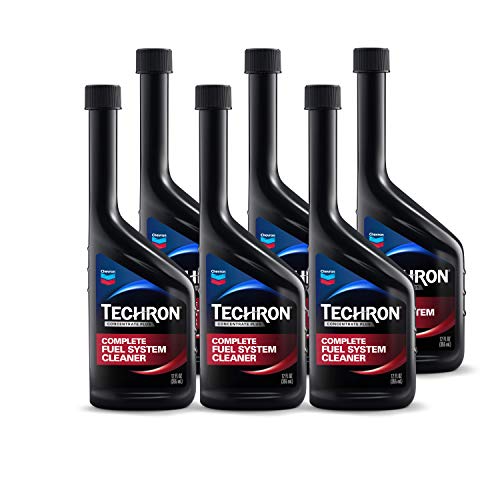 |
Chevron Techron Concentrate Plus Fuel System Cleaner Best Overall PEA-based, 20 oz bottle treats up to 20 gallons, safe for all Accord engines |
9.5 |
ⓘ We may earn a commission from qualifying purchases made through links on this page, at no extra cost to you.
|
 |
Red Line Complete SI-1 Fuel System Cleaner Most Concentrated Highest PEA concentration, 15 oz treats up to a full tank, upper cylinder lubrication |
9.3 | 🛒 Check Price |
 |
Liqui Moly Jectron Fuel Injection Cleaner Best for Direct Injection 300 ml treats up to 18 gallons, German-engineered for modern injection systems |
9.1 | 🛒 Check Price |
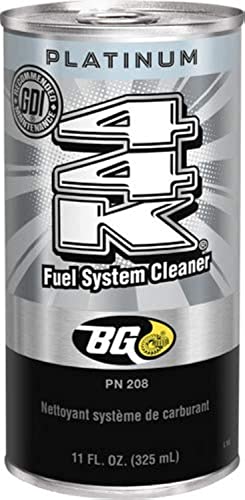 |
BG 44K Fuel System Cleaner Pro Shop Favorite 11 oz can treats up to 20 gallons, professional-grade single-tank cleaner |
8.9 | 🛒 Check Price |
 |
Gumout Regane High Mileage Fuel System Cleaner Best for High Mileage 6 oz treats up to 35 gallons, PEA formula aimed at engines over 75,000 miles |
8.6 | 🛒 Check Price |
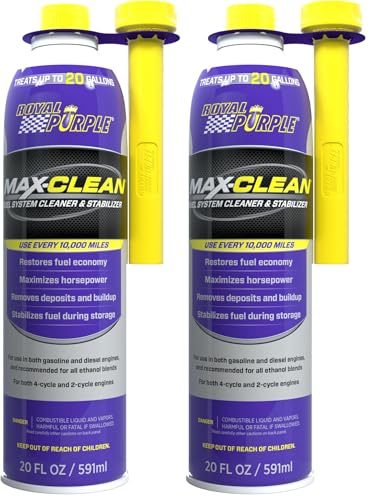 |
Royal Purple Max-Clean Fuel System Cleaner Best for Emissions 20 oz treats up to 20 gallons, stabilizes fuel and reduces emissions |
8.4 | 🛒 Check Price |
 |
Sea Foam Motor Treatment SF-16 Most All-around 16 oz treats fuel, oil, or storage, multi-use petroleum-based treatment |
8.2 | 🛒 Check Price |
1. Chevron Techron Concentrate Plus Fuel System Cleaner: Best Overall
Techron is the cleaner we reach for first on any Honda Accord, and it earns the top spot for good reason. Its PEA detergent package is genuinely aggressive on the baked-on carbon that builds up on Accord injectors and intake valves, and Honda owners consistently report a quieter idle and a noticeable MPG bump after running a bottle. Because it’s safe across the whole Accord lineup, from the older port-injected four-cylinders to the modern turbocharged direct-injection engines, you don’t have to second-guess whether it suits your specific year.
The honest weakness is patience. Techron is a true cleaner, not a quick fix, so a single tank often won’t undo years of neglect. On a heavily deposited high-mileage Accord you may need two or even three consecutive bottles before the rough idle fully clears, and it does nothing for problems that are mechanical rather than deposit-related. Used regularly, though, it keeps an Accord fuel system close to factory clean.
- Polyether amine (PEA) detergent that strips hard carbon from injectors and valves
- Safe for port-injected and direct-injected Accord engines including 1.5T and 2.0T
- Cleans the whole fuel system from tank to combustion chamber in one tank
Pros: One of the strongest PEA cleaners you can buy off the shelf; Trusted by Honda owners for restoring lost MPG and smoothing idle; Single bottle treats a full Accord tank with no measuring
Cons: Results usually take a full tank or two to fully show; Not formulated to address oil-burning or mechanical issues
2. Red Line Complete SI-1 Fuel System Cleaner: Most Concentrated
Red Line SI-1 is the cleaner for the Accord owner who wants maximum cleaning power in one bottle. Its PEA concentration is among the highest you can buy, which means it tackles severe injector fouling and combustion chamber carbon that lighter cleaners leave behind. The added upper cylinder lubrication is a real benefit on older K-series and J-series Accords, where reducing friction on injectors and valve seats helps the engine run smoother and last longer.
The flip side of all that strength is that it’s easy to over-respect. Some owners assume more is better and double up, which is unnecessary and wasteful since one bottle already treats a full tank. It’s also a smaller bottle than a few competitors, so on a strict value basis you’re paying for concentration rather than volume. For a deep clean once or twice a year, though, SI-1 is hard to beat.
- Carries one of the highest PEA concentrations of any retail cleaner
- Adds upper cylinder lubrication that protects injectors and valve seats
- Cleans injectors, carbon deposits, and the combustion chamber in one pass
Pros: Extremely strong cleaning for stubborn Accord deposits; Lubricates the upper cylinder, which helps on high-mileage motors; Compatible with ethanol blends common at most pumps
Cons: So concentrated that overuse is possible if you ignore the dosage; Smaller bottle than some rivals for the same tank coverage
3. Liqui Moly Jectron Fuel Injection Cleaner: Best for Direct Injection
Liqui Moly Jectron is our pick for the newer turbocharged Accord. The 1.5T and 2.0T engines run direct injection, which is more prone to intake valve carbon than the older port-injected motors, and Jectron is formulated specifically for these modern systems. Owners of recent Accords report that it sharpens throttle response and smooths out the slightly lumpy idle that turbo direct-injection engines can develop as miles add up. The formula works to restore the injector spray pattern so fuel atomizes cleanly again.
The catch is availability and perceived value. Liqui Moly is a premium European brand, so you usually order it online rather than grab it at a local parts store, and it doesn’t feel like a bargain compared to mainstream options. It’s also not a miracle for the intake valve coking that plagues some direct-injection engines, since the worst of that often needs a physical walnut blast. For in-tank maintenance on a modern Accord, though, it’s one of the best matched cleaners available.
- Engineered for modern direct-injection systems like the Accord 1.5T and 2.0T
- Removes deposits from injectors, intake valves, and combustion chamber
- Helps restore precise spray pattern for cleaner combustion
Pros: Excellent match for turbocharged direct-injection Accords; Smooths idle and throttle response noticeably; Trusted European formula with consistent quality
Cons: Costs more in perceived value than mainstream cleaners; Less common on store shelves, usually bought online
4. BG 44K Fuel System Cleaner: Pro Shop Favorite
BG 44K has a strong reputation among mechanics, and it backs it up on the Honda Accord. This is the cleaner shops often pour in during a service, and it works fast, frequently delivering a smoother idle and recovered fuel economy within a single tank. On an Accord that has been neglected or bought used with an unknown service history, one can of 44K is a smart first move to flush out accumulated injector and combustion chamber deposits before you start worrying about bigger problems.
The honest downside is that you pay for that professional pedigree in a fairly small can, so on a per-ounce basis it isn’t the value leader. It’s also potent enough that it’s meant as an occasional deep clean rather than an every-fill-up additive. Use it a few times a year on your Accord and it shines, but it’s overkill as a constant maintenance dose.
- Professional-grade formula used in many service shops
- Cleans injectors, valves, and combustion chambers in a single tank
- Strong restoration of power and fuel economy on neglected engines
Pros: Genuinely powerful, shop-level cleaning in one can; Fast results compared with many consumer cleaners; Works across the full Accord engine range
Cons: Smaller can for the price compared to retail bottles; Strong enough that it’s best used occasionally, not every tank
5. Gumout Regane High Mileage Fuel System Cleaner: Best for High Mileage
Gumout Regane High Mileage is built for the Accord that has racked up the miles, which describes a huge share of these durable sedans. It uses a real PEA detergent, so unlike many bargain additives it genuinely dissolves carbon rather than just masking symptoms. On an older Accord with a rough idle or a faint hesitation off the line, a bottle of Regane works steadily to clear the injector and combustion chamber deposits that come from years of stop-and-go driving, and it stretches across a generous amount of fuel.
It’s less of a match for the newest turbocharged direct-injection Accords, where a formula engineered for those systems will do more. The improvement is also gradual rather than instant, so you shouldn’t expect a transformation after one drive. For a high-mileage port-injected Accord that needs steady upkeep with solid PEA cleaning, though, Regane delivers real results for the value.
- PEA-based formula tuned for higher-mileage Accord engines
- Targets deposits that build up after years of driving
- Helps reduce rough idle, hesitation, and knock from carbon
Pros: Strong value with PEA cleaning power; Well suited to older, higher-mileage Accords; Treats a generous amount of fuel per bottle
Cons: Less specialized for modern direct-injection turbo engines; Effects are gradual rather than dramatic
6. Royal Purple Max-Clean Fuel System Cleaner: Best for Emissions
Royal Purple Max-Clean is the cleaner to grab when emissions and fuel quality are on your mind, which matters for Accord owners in states with strict smog testing. Beyond cleaning injectors and smoothing idle, it works to lower hydrocarbon and NOx emissions, and it folds in a fuel stabilizer that helps guard against the moisture and phase separation that ethanol blends can cause. Run a bottle a week or two before an emissions test and an otherwise healthy Accord often passes more comfortably.
Its cleaning is solid but not the most aggressive in this group, so on a badly fouled engine a stronger PEA cleaner like Techron or SI-1 will do more heavy lifting. It also carries a premium feel without premium-level deposit removal. As an all-in-one maintenance and stabilizer product for an Accord in decent shape, though, it covers a lot of ground in one bottle.
- Cleans the fuel system while reducing hydrocarbon and NOx emissions
- Includes fuel stabilizer that helps protect against ethanol issues
- Restores fuel economy and smooths idle across Accord engines
Pros: Cleans and stabilizes fuel in one bottle; Helps lower emissions, useful before a smog test; Generous bottle size for a full tank
Cons: Cleaning strength sits below the most aggressive PEA cleaners; Premium positioning for moderate results
7. Sea Foam Motor Treatment SF-16: Most Multi-purpose
Sea Foam is the jack-of-all-trades in this lineup, and that flexibility is exactly why it earns a spot. The same can can go into your Accord fuel tank, into the crankcase, or be used to stabilize fuel before the car sits for a while, which makes it handy for a second car or a seasonally driven Accord. As a petroleum-based treatment it gently helps free sticky deposits, cleans injectors, and clears moisture from the fuel, and it does so without the harshness of stronger chemical cleaners.
That gentleness is also its limit. For a Honda Accord with serious injector fouling or heavy combustion chamber carbon, Sea Foam simply doesn’t have the detergent muscle of a concentrated PEA product. Think of it as a maintenance and protection treatment rather than a deep-cleaning specialist. Used regularly on a reasonably healthy Accord, it keeps things tidy and is a very flexible bottles you can keep in the garage.
- Works in fuel, in the crankcase, or for storage protection
- Helps clean injectors and free up sticky deposits
- Stabilizes fuel for Accords that sit unused for stretches
Pros: Extremely adaptable across fuel, oil, and storage uses; Gentle and widely trusted for routine maintenance; Helps with moisture and stale fuel
Cons: Lighter cleaning than dedicated PEA injector cleaners; Not the best choice for severe carbon buildup
Frequently Asked Questions
How often should I use a fuel injector cleaner in my Honda Accord?
For most Honda Accords, running a quality PEA-based cleaner every 3,000 to 5,000 miles, or roughly every oil change, keeps the fuel system clean without overdoing it. If your Accord has high mileage or you bought it used with an unknown service history, start with a deeper clean using something like Techron or BG 44K for a couple of consecutive tanks, then settle into a regular maintenance schedule. There’s no benefit to adding cleaner to every single tank, since concentrated detergents only need to run periodically to keep deposits from accumulating.
Is fuel injector cleaner safe for the turbocharged Accord 1.5T and 2.0T engines?
Yes, the cleaners on this list are safe for the turbocharged direct-injection Accord engines, but matching matters. Direct-injection motors are more prone to intake valve carbon than older port-injected engines, so a cleaner formulated for modern systems, such as Liqui Moly Jectron, tends to be the better fit. Keep in mind that any in-tank cleaner has limited reach on intake valve deposits in a direct-injection engine, since fuel doesn’t wash over those valves the way it does in a port-injected setup. For severe valve coking, a physical cleaning may eventually be needed alongside chemical maintenance.
Will a fuel injector cleaner actually improve my Accord's gas mileage?
It can, but only if your fuel economy dropped because of injector or combustion chamber deposits in the first place. When clogged injectors disrupt the fuel spray pattern, the engine runs less efficiently, and a good PEA cleaner that restores that spray pattern often brings back a few lost miles per gallon. If your Accord’s mileage is down for a mechanical reason, such as worn spark plugs, a failing oxygen sensor, or low tire pressure, no cleaner will fix that. Treat improved MPG as a likely bonus of a cleaner fuel system rather than a guaranteed outcome.
What is the difference between a PEA cleaner and a regular fuel additive?
PEA, or polyether amine, is the active detergent that does the real work of dissolving hard carbon deposits on injectors, intake valves, and combustion chambers. Many inexpensive fuel additives use weaker chemistry that mostly helps with moisture or light deposits but doesn’t strip baked-on carbon. For a Honda Accord with a rough idle, hesitation, or visible performance loss, you want a true PEA cleaner like Techron, Red Line SI-1, or Gumout Regane. The cheaper non-PEA additives are fine as occasional fuel conditioners but shouldn’t be your tool for actual deposit removal.
Can I use too much fuel injector cleaner in my Accord?
You can, and it’s worth avoiding. Strong concentrated cleaners are formulated to treat a specific amount of fuel, usually a full tank per bottle, and doubling the dose doesn’t clean any faster. Over-concentrating a powerful PEA cleaner can loosen too much debris at once or run richer than ideal, neither of which helps your Accord. Always read the bottle and match the dose to your tank size, and add the cleaner just before filling up so it mixes thoroughly with fresh fuel. More isn’t better with these products, and following the label gives the best result.
Our Verdict
For most Honda Accord owners, Chevron Techron Concentrate Plus is our top pick because it combines genuinely strong PEA cleaning with broad safety across every Accord engine, from the older port-injected four-cylinders to the modern turbocharged 1.5T and 2.0T. If you want even more concentrated cleaning power for a deep service, Red Line Complete SI-1 is the runner up and adds useful upper cylinder lubrication that high-mileage Accords appreciate. Pick Techron for trusted all-around maintenance, reach for SI-1 when you want maximum strength, and choose Liqui Moly Jectron if you drive one of the newer direct-injection turbo Accords.


