Audi engines, especially the direct injection TFSI and FSI units, are known for carbon buildup and gummed up injectors that show up as a rough idle, hesitation, and a slow drop in fuel economy. The right fuel injector cleaner won’t undo years of neglect on its own, but a quality detergent additive used regularly keeps your injectors spraying a clean pattern and helps your Audi pull the way it should.
We looked at the additives Audi owners actually run through their tanks, weighed the active chemistry like PEA (polyetheramine), checked which formulas are safe for catalytic converters and oxygen sensors, and sorted out which ones suit a direct injection engine versus a port injected one. Below are seven cleaners that earn their place in an Audi owner’s glovebox.
| Photo | Product | Score | Buy |
|---|---|---|---|
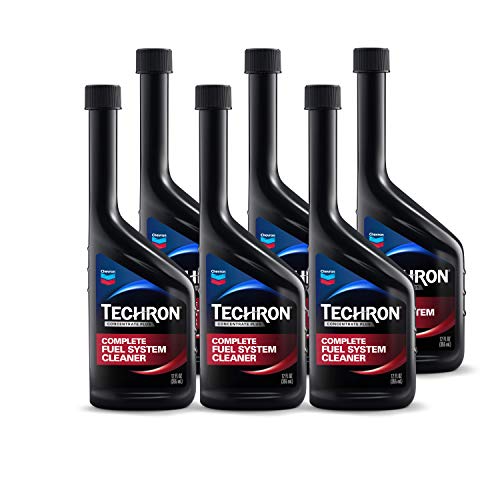 |
Chevron Techron Concentrate Plus Fuel System Cleaner Best Overall PEA-based, treats up to 20 gallons per bottle, gasoline engines |
9.5 |
ⓘ We may earn a commission from qualifying purchases made through links on this page, at no extra cost to you.
|
 |
Liqui Moly Jectron Fuel Injection Cleaner Best for German Engines 300ml bottle treats up to about 18 gallons, gasoline injection systems |
9.3 | 🛒 Check Price |
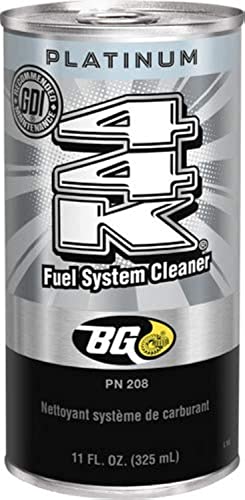 |
BG 44K Fuel System Cleaner Strongest Clean 11oz can treats one full tank, complete fuel system cleaner |
9.2 | 🛒 Check Price |
 |
Red Line SI-1 Complete Fuel System Cleaner Best High PEA 15oz bottle treats up to 100 gallons, high PEA concentration |
9.0 | 🛒 Check Price |
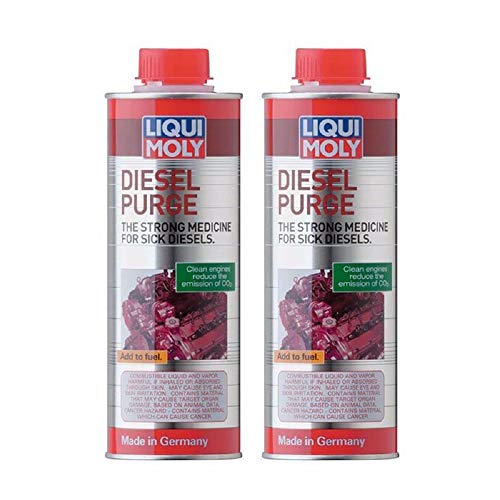 |
Liqui Moly Diesel Purge Best for TDI Diesel 500ml can, dedicated diesel injector and system cleaner |
8.8 | 🛒 Check Price |
 |
Gumout Regane Complete Fuel System Cleaner Best Everyday Value PEA-based, treats up to about 21 gallons, gasoline engines |
8.5 | 🛒 Check Price |
 |
Sea Foam Motor Treatment SF-16 Best Multi-Use 16oz can, works in fuel and oil systems, gasoline and diesel |
8.2 | 🛒 Check Price |
1. Chevron Techron Concentrate Plus Fuel System Cleaner: Best Overall
Chevron Techron is the cleaner most Audi forums circle back to, and for good reason. It uses a PEA detergent that’s aggressive on the varnish and carbon that collect on injector tips and in the combustion chamber, yet it stays gentle on the oxygen sensors and catalytic converter that an Audi relies on to run clean. Owners running 2.0T and 3.0T TFSI engines report a noticeably smoother idle and crisper throttle after a tank or two, which is exactly what you want from a maintenance additive.
The honest weakness is that fuel additives only reach what the fuel touches, so on a port injected or older FSI engine it shines, but on a modern direct injection TFSI the fuel bypasses the back of the intake valves entirely. That means Techron does little for the carbon that cakes those valves, which is the most common Audi complaint. Treat it as excellent injector and combustion chamber insurance, not a cure for valve coking.
- Polyether amine (PEA) detergent that dissolves carbon and varnish
- Safe for oxygen sensors and catalytic converters
- Works on intake valves, injectors, and the combustion chamber
Pros: Widely trusted PEA chemistry that genuinely cleans injectors; Smooths out rough idle and restores throttle response on TFSI engines; Easy single bottle dose per tank, no measuring
Cons: Limited help for the intake valve coking unique to direct injection; Best results need repeated treatments, not a one-off
2. Liqui Moly Jectron Fuel Injection Cleaner: Best for German Engines
Liqui Moly is a German brand that Audi and VW specialist shops reach for constantly, and Jectron is its dedicated injector cleaner. The formula is built around the kind of fuel and emissions hardware European cars use, so it plays nicely with the seals, sensors, and catalytic converter on your Audi. Run a bottle every few thousand miles and it keeps injector spray patterns tidy, which translates to a steadier idle and better cold start behavior on a 1.8T or 2.0T.
Where it falls a little short is coverage per bottle. A 300ml bottle treats a smaller fuel volume than some larger rivals, so the cost per treatment runs higher across a year of regular use. It’s also a true injector cleaner rather than a deep combustion chamber decoke, so pair it with Liqui Moly’s valve cleaner or a walnut blast if your direct injection engine already has heavy carbon. As ongoing maintenance for a German engine, though, it’s hard to fault.
- German formulation developed with European engines in mind
- Removes deposits from injectors and intake valves on port systems
- Compatible with turbocharged TFSI and FSI fuel systems
Pros: Brand widely used and recommended by VW and Audi independents; Cleans without harming seals, sensors, or the cat; Consistent batch quality and clear dosing
Cons: One bottle covers a smaller tank range than some rivals; Premium positioning for what is still a maintenance additive
3. BG 44K Fuel System Cleaner: Strongest Clean
BG 44K is the heavy hitter on this list, the can technicians pour in when a car comes in running rough and they want a real cleanout in one tank. It carries a concentrated detergent load that goes after injectors, intake ports, and combustion chamber deposits, and Audi owners who run it on a clogged system often describe a clear improvement in idle smoothness, hesitation, and economy. If you bought a used Audi with an unknown service history, a can of 44K early on is a smart reset.
The flip side of that strength is that it’s overkill as a per-tank additive. The formula is potent enough that most people use it every several thousand miles or as a corrective treatment rather than constant maintenance, and because it ships as single cans, keeping a year’s supply on hand is less convenient than a multi-dose bottle. It also can’t reach the back of direct injection valves, the recurring Audi limitation, so view it as a powerful periodic flush.
- Concentrated detergent package used by professional shops
- Cleans injectors, intake valves, ports, and combustion chambers
- Restores lost power and fuel economy on neglected systems
Pros: Very potent, often the go-to for a deep one-tank cleanout; Backed by dealership and shop use for results you can feel; Tackles heavier deposits other cleaners leave behind
Cons: Strong formula is best used occasionally, not every tank; Sold in single cans, so stocking up takes effort
4. Red Line SI-1 Complete Fuel System Cleaner: Best High PEA
Red Line SI-1 packs one of the highest PEA concentrations you can buy off a shelf, which makes it a serious injector cleaner for an Audi that has gone too long between treatments. Beyond detergency it adds upper cylinder lubrication, something most pure cleaners skip, and it stays safe for the oxygen sensors and catalytic converter. A single bottle treats a large volume of fuel, so for owners who like to dose regularly it works out to good value across a year.
The trade off with such a concentrated detergent is that a small minority of users prefer to run it periodically rather than every single tank, especially on an engine that already runs clean. The formula is also fairly thick and can be slow to pour when it’s cold outside. None of that changes the core result. As a high PEA fuel system cleaner for injectors and combustion deposits, SI-1 is a very capable bottles here, just remember it still can’t scrub direct injection intake valves.
- One of the highest PEA detergent concentrations available
- Lubricates upper cylinders and cleans the whole fuel system
- Safe for catalytic converters and oxygen sensors
Pros: Heavy PEA dose cleans injectors aggressively; Single bottle treats a large amount of fuel, good value over time; Adds upper cylinder lubrication that bare detergents lack
Cons: Strong enough that some prefer it occasionally over every tank; Thick formula can be slow to pour in cold weather
5. Liqui Moly Diesel Purge: Best for TDI Diesel
If you drive an Audi TDI rather than a TFSI, most gasoline cleaners are the wrong tool, and this is the one to reach for. Liqui Moly Diesel Purge is built for diesel injection systems, cleaning injector nozzles and improving combustion so a tired TDI idles more smoothly and quiets the injector chatter that comes with deposits. It can be added to the tank or used as a more thorough direct purge, giving you options depending on how dirty the system is.
The obvious limitation is that it’s diesel only, so anyone with a 2.0T or 3.0T gasoline Audi should ignore it completely. The direct purge method, where you feed the engine from the can, also takes more setup than simply pouring an additive into the filler neck, so casual users may stick to the in-tank dose and accept a milder clean. For TDI owners, though, having a diesel specific cleaner from a brand the VW group community trusts makes this an easy pick.
- Formulated specifically for diesel injection systems
- Cleans injectors and improves combustion on TDI engines
- Can be used as an in-tank dose or a direct purge
Pros: One of the few cleaners aimed squarely at Audi TDI engines; Improves diesel idle smoothness and reduces injector noise; Trusted German brand with diesel specific chemistry
Cons: Gasoline TFSI owners shouldn’t use it, diesel only; Direct purge method takes more effort than a tank pour
6. Gumout Regane Complete Fuel System Cleaner: Best Everyday Value
Gumout Regane Complete brings PEA detergency to a bottle aimed at routine upkeep, which makes it a sensible everyday option for an Audi owner who wants to dose regularly without overthinking it. The PEA helps keep injectors clean and supports a steady idle and consistent fuel economy when used every few tanks. It’s widely available and easy to keep a few bottles in the garage, so it fits naturally into a simple maintenance rhythm.
It isn’t the cleaner to reach for when an engine is already badly fouled. Compared with shop-grade options like BG 44K or a high PEA bottle like Red Line, Regane is milder and works best as prevention rather than correction. The marketing also leans hard on dramatic restoration claims that real-world use rarely matches in one tank. Keep your expectations set on steady maintenance and it’s a dependable, accessible choice for a TFSI or FSI fuel system.
- PEA detergent that cleans injectors and intake valves on port systems
- Helps remove deposits and restore lost fuel economy
- Safe for use in turbocharged and standard gasoline engines
Pros: PEA chemistry at an accessible everyday level; Good choice for routine per-tank maintenance; Widely stocked and easy to keep on hand
Cons: Milder than shop-grade cleaners on heavy buildup; Marketing claims run ahead of real-world results
7. Sea Foam Motor Treatment SF-16: Best Multi-Use
Sea Foam is the Swiss Army knife of this group. A single can can go in the fuel tank, into the crankcase to help dissolve oil varnish, or be used as a top engine treatment, and it works in both gasoline and diesel engines. That flexibility makes it a popular can to keep around for an older Audi where you might want to free a sticky lifter or clean out fuel passages without buying three separate products. DIY mechanics have trusted it for decades, which counts for something.
Because it’s a petroleum-based multipurpose treatment rather than a concentrated PEA injector cleaner, it’s gentler on the stubborn carbon and varnish that a dedicated cleaner attacks. On a newer, well-maintained TFSI the results can be subtle compared with Techron or BG 44K. Think of Sea Foam as a adaptable general cleaner and a handy can to own, not the specialist you grab when injectors are genuinely clogged and you need maximum detergency.
- Triple use in the fuel tank, crankcase, or as a top engine clean
- Helps free sticky lifters and clean fuel passages
- Compatible with both gasoline and diesel engines
Pros: All-around, one can covers several cleaning jobs; Petroleum-based and gentle on fuel system components; Long-standing reputation among DIY mechanics
Cons: Not a dedicated PEA injector cleaner, so milder on tough deposits; Effect on a healthy modern Audi can be subtle
Frequently Asked Questions
Will a fuel injector cleaner fix carbon buildup on my Audi TFSI engine?
Only partly, and it’s important to be honest about this. Audi TFSI and FSI engines use direct injection, which means fuel is sprayed straight into the cylinder and never washes the back of the intake valves. A fuel additive can only clean what the fuel actually contacts, so it does a good job on injector tips, fuel passages, and the combustion chamber, but it can’t remove the hard carbon that cakes those intake valves. That specific buildup, the most common Audi complaint, usually needs a walnut shell blasting service. Use a quality PEA cleaner to keep the parts it can reach in good shape, and budget for a manual intake clean separately if your engine already has heavy valve coking.
How often should I use a fuel injector cleaner in my Audi?
For most Audi owners, running a quality PEA cleaner like Chevron Techron or Liqui Moly Jectron every three to five thousand miles is a sensible maintenance rhythm. That’s frequent enough to keep injectors spraying cleanly and prevent deposits from establishing, without overtreating an engine that’s already healthy. Stronger shop-grade products like BG 44K are better used occasionally, perhaps every several thousand miles or as a corrective one-tank flush when you notice rough running. If you bought a used Audi with unknown service history, a deeper clean up front followed by regular lighter maintenance is the smart approach.
Are these cleaners safe for my Audi's catalytic converter and oxygen sensors?
Yes, every cleaner we recommend here’s formulated to be safe for catalytic converters and oxygen sensors, which is non-negotiable on a modern Audi. PEA-based products like Techron, Red Line SI-1, and Gumout Regane are specifically designed to clean deposits without leaving behind residue that would foul emissions hardware. German brands like Liqui Moly build their formulas around exactly the kind of emissions equipment European cars use. The key is to stick with reputable, properly formulated fuel system cleaners and follow the dosing instructions. Avoid pouring in random solvents or overdosing, since that’s where you risk harming sensors and the cat.
Can I use the same cleaner for my Audi TDI diesel and a gasoline TFSI?
No, you should match the cleaner to the fuel type. Gasoline cleaners like Chevron Techron, Liqui Moly Jectron, and Gumout Regane are formulated for petrol engines and shouldn’t be used in a TDI diesel. For an Audi TDI, choose a diesel-specific product such as Liqui Moly Diesel Purge, which is built for diesel injection chemistry and nozzle deposits. Sea Foam is one of the few products labeled safe for both gasoline and diesel, but it’s a milder multipurpose treatment rather than a dedicated injector cleaner. When in doubt, read the label and confirm it lists your fuel type before adding it to the tank.
What does PEA mean and why does it matter for an Audi?
PEA stands for polyetheramine, the detergent considered the gold standard for dissolving the carbon and varnish that build up on injectors and in the combustion chamber. Cheaper cleaners often rely on milder solvents like PIB or PIBA that mostly prevent new deposits rather than removing existing ones. PEA actively cleans, which is why products like Chevron Techron, Red Line SI-1, and Gumout Regane center their formulas on it. For an Audi, a high or quality PEA content matters because these turbocharged engines run hot and accumulate deposits readily. Choosing a PEA-based cleaner gives you the best chance of genuinely restoring a clean injector spray pattern rather than just slowing future buildup.
Our Verdict
For most Audi owners, Chevron Techron Concentrate Plus is our top pick, combining proven PEA chemistry, emissions-safe formulation, and a smoothing effect on TFSI idle and throttle that owners consistently report. Liqui Moly Jectron is the runner up and the natural choice if you prefer a German formula tuned for European fuel systems and trusted by Audi specialists. Remember the one constant across all of them: on a direct injection TFSI, these additives keep your injectors and combustion chamber clean but can’t scrub intake valve carbon, so pair regular cleaning with a walnut blast when that buildup appears. Match the cleaner to your engine, dose it consistently, and your Audi will reward you with a smoother idle and steadier economy.


