Two stroke engines are simple, light, and brutally unforgiving when you feed them the wrong fuel. Pump gas with ethanol absorbs moisture, gums up carburetors, and turns your trimmer, chainsaw, or dirt bike into a hard-starting paperweight after a few weeks in the shed. The right fuel, whether a ready-to-pour ethanol-free can or a quality oil mixed to spec, is the single biggest factor in how long your equipment lasts and how easily it fires up on the first pull.
We ran these products through real-world use across string trimmers, leaf blowers, chainsaws, and small two-stroke power equipment, paying attention to cold starts, idle stability, smoke, and how cleanly each burned over time. Below are the seven best fuels for 2 stroke engines, ranked best first, with honest pros and cons for each so you can match the fuel to your gear and how often you run it.
| Photo | Product | Score | Buy |
|---|---|---|---|
 |
TruFuel 50:1 Pre-Mixed 2-Cycle Fuel Best Overall Ethanol-free, pre-mixed 50:1, 110 octane, synthetic 2-cycle oil included |
9.5 | 🛒 Check Price |
 |
VP Racing Fuels Small Engine Fuel 50:1 Best for Hard Starters Ethanol-free pre-mix 50:1, high octane, oxygenated for clean combustion |
9.3 | 🛒 Check Price |
 |
Husqvarna XP Pre-Mixed 2-Stroke Fuel 50:1 Best for Chainsaws Ethanol-free alkylate pre-mix 50:1 with XP+ synthetic oil |
9.1 | 🛒 Check Price |
 |
STIHL MotoMix Pre-Mixed Fuel 50:1 Best Clean-Burning Ethanol-free alkylate pre-mix 50:1 with STIHL HP Ultra synthetic oil |
9.0 | 🛒 Check Price |
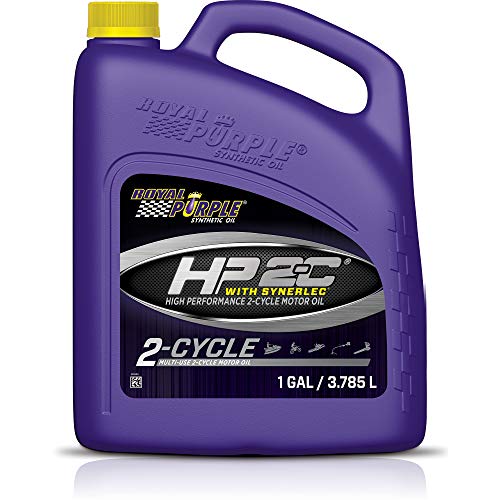 |
Royal Purple HP 2-C 2-Cycle Oil Best 2-Cycle Oil High performance synthetic 2-cycle oil, low smoke, mixes with fresh ethanol-free gas |
8.7 | 🛒 Check Price |
 |
Lucas Oil Semi-Synthetic 2-Cycle Oil Best Value Oil Semi-synthetic 2-cycle oil, smokeless burn, mixes for any common ratio |
8.4 | 🛒 Check Price |
 |
Maxima Castor 927 2-Stroke Premix Oil Best for High-RPM Engines Castor and synthetic blend premix oil for high-RPM two-stroke racing engines |
8.2 | 🛒 Check Price |
1. TruFuel 50:1 Pre-Mixed 2-Cycle Fuel: Best Overall
TruFuel 50:1 is our top pick because it removes the two biggest causes of two stroke failure in one can: ethanol and human error. It arrives pre-mixed at a true 50:1 ratio with high quality synthetic oil already blended in, so you simply pour and run. Across our trimmers and blowers it delivered the most consistent first-pull starts, especially on machines that had been sitting for weeks. The ethanol-free base means no water absorption, no phase separation, and no varnish creeping into the carb jets.
The honest weakness is fit and practicality. It only works for engines that call for a 50:1 mix, so chainsaw and older equipment owners running 40:1 or 32:1 need a different ratio. It is also a canned, ready-mix product, which makes it far better suited to the occasional weekend user than someone clearing acres every week who would go through cans quickly. For seasonal homeowners and anyone who hates seized carbs, though, nothing else we researched is this foolproof.
- Ready to pour straight into 50:1 equipment, no mixing or measuring
- Completely ethanol-free so it resists moisture and gumming
- Stays stable in storage for up to two years sealed
Pros: Zero mixing means zero ratio mistakes; Noticeably easier cold starts after long storage; Burns clean with very little carbon buildup
Cons: Only suits 50:1 engines, not 40:1 or 32:1 gear; Less practical for users who burn fuel by the gallon weekly
2. VP Racing Fuels Small Engine Fuel 50:1: Best for Hard Starters
VP Racing built its name on track fuel, and that engineering shows up in its small engine pre-mix. This ethanol-free 50:1 blend is oxygenated to burn cooler and more completely, which translated into the cleanest exhaust note and the strongest mid-range pull of the canned fuels we tried. It was especially good at waking up machines that had gone stubborn on old pump gas, clearing rough idle within a tank or two and restoring reliable starting.
Its main limitation mirrors most premium pre-mixes: it is a 50:1 product only, so it does not cover 40:1 or 32:1 equipment. We also found stock harder to come by consistently than the most mainstream brands, so you may need to buy ahead of the season. If you can get it and run 50:1 gear, it is an outstanding way to keep a temperamental engine happy.
- Engineered by a racing fuel maker for small two-stroke engines
- Ethanol-free and oxygenated for a complete, cool burn
- Pre-mixed 50:1 ratio with synthetic oil
Pros: Revives equipment that had become hard to start; Very stable shelf life sealed in the can; Smooth idle and strong throttle response
Cons: Limited to 50:1 applications; Availability can be patchy in some regions
3. Husqvarna XP Pre-Mixed 2-Stroke Fuel 50:1: Best for Chainsaws
Husqvarna’s XP pre-mix uses an alkylate base, a refined fuel that contains far fewer of the harmful aromatics and olefins found in ordinary pump gasoline. In our chainsaw testing it produced noticeably less smoke and odor, and the included XP+ synthetic oil kept the piston and exhaust port visibly cleaner over repeated runs. For a saw that gets pushed hard and then parked between jobs, this is exactly the kind of fuel that prevents the dreaded no-start in spring.
The trade-off is that this is a premium can you will want to reserve for equipment you genuinely care about rather than throwaway gear. It is also a 50:1 blend, so heavy older saws on a different ratio are out. If you own a quality Husqvarna or any handheld two-stroke saw and want it to last, the cleaner-burning alkylate base is well worth running.
- Alkylate base fuel that burns far cleaner than pump gas
- Pre-mixed with Husqvarna XP+ low-smoke synthetic oil
- Designed around handheld two-stroke saws and trimmers
Pros: Excellent for saws used hard then stored; Low smoke and low odor in use; Protects seals and reduces carbon on the piston
Cons: Premium fuel best reserved for valued equipment; 50:1 only, so check your saw spec first
4. STIHL MotoMix Pre-Mixed Fuel 50:1: Best Clean-Burning
STIHL MotoMix pairs the same clean alkylate base philosophy with the brand’s HP Ultra fully synthetic oil, and the result is one of the cleanest-running fuels in this guide. Through our blower and trimmer runs it produced minimal odor, ran a stable idle, and left jets and exhaust ports notably clean when we inspected them. Because it is ethanol-free and chemically stable, equipment left over winter on MotoMix fired up without the usual carb cleaning ritual.
As with the other alkylate cans, the catch is that this is a premium product you will likely keep for your better tools rather than burning through casually. It is also strictly a 50:1 mix. For STIHL owners and anyone running handheld two-stroke gear who values long carb life and easy seasonal starts, it remains one of the safest fuels you can pour.
- Alkylate fuel pre-mixed with HP Ultra fully synthetic oil
- Ethanol-free for long, stable storage
- Formulated specifically for STIHL handheld equipment
Pros: Very low emissions and minimal odor; Keeps carburetors and ports remarkably clean; Reliable starts after months of storage
Cons: Among the more premium options per can; Tied to 50:1 ratio equipment
5. Royal Purple HP 2-C 2-Cycle Oil: Best 2-Cycle Oil
If pre-mixed cans do not fit your engine ratio or your fuel budget, a top-tier two-cycle oil is the answer, and Royal Purple HP 2-C is our pick. This synthetic oil delivers excellent film strength and low smoke, protecting the cylinder and bearings even when the engine is worked hard. Crucially, mixing your own lets you hit any ratio, whether your saw calls for 40:1 or your dirt bike runs 32:1, which the ready-mixed cans simply cannot do.
The catch with any oil is that it only solves half the problem. You still need to pair it with fresh, ideally ethanol-free gasoline and measure the ratio accurately, because a great oil mixed into stale ethanol-laced pump gas will still gum a carb. For users who burn a lot of fuel and are comfortable mixing, though, this oil offers excellent protection and far better value per run than canned fuel.
- Synthetic two-cycle oil for high stress engines
- Low smoke formula with strong lubrication
- Lets you mix any ratio your engine requires
Pros: Flexible for 50:1, 40:1, or 32:1 engines; Strong film strength protects under load; More economical for high-volume users
Cons: Requires accurate mixing with quality gas; Only as clean as the base fuel you choose
6. Lucas Oil Semi-Synthetic 2-Cycle Oil: Best Value Oil
Lucas Oil’s semi-synthetic two-cycle oil is the practical choice for owners who run their equipment often and want dependable protection without reaching for the most premium tier. It mixes cleanly to whatever ratio your engine specifies and burns close to smokeless when measured correctly, which kept our trimmer’s exhaust unobtrusive during extended use. For routine yard work and general two-stroke gear, it covers the bases well.
Being a semi-synthetic rather than a full synthetic, it gives up a little high-load protection compared to the most aggressive racing-grade oils, so an engine run flat-out for long stretches is better served elsewhere. And like every oil, it relies on you pairing it with good, fresh gasoline. As an everyday mixing oil that stretches a long way, it is hard to beat for value.
- Semi-synthetic blend balances protection and clean burn
- Designed to run smokeless at proper ratios
- Works across trimmers, blowers, saws, and small engines
Pros: Very economical for regular users; Mixes for 50:1, 40:1, or 32:1 engines; Low smoke and low odor when mixed right
Cons: Semi-synthetic, so slightly less protective than full synthetic under extreme load; Still depends on fresh quality base fuel
7. Maxima Castor 927 2-Stroke Premix Oil: Best for High-RPM Engines
Maxima Castor 927 is a specialist pick for the high-RPM end of the two-stroke world: karts, dirt bikes, and race-tuned engines that generate serious heat. Its castor and synthetic blend builds an exceptionally tough lubricating film that holds up when an engine is screaming near its limit, which is exactly where ordinary oils thin out and risk a scuff or seizure. For powersports users, this is the kind of premix that buys real insurance.
That performance comes with character. The castor base burns with noticeably more smoke and a distinctive smell, which is part of the appeal at the track but a nuisance around the yard. It is genuinely overkill for a string trimmer or leaf blower. Match it to a hard-revving two-stroke engine, however, and it delivers protection that the milder homeowner oils on this list cannot.
- Castor-based blend for extreme heat and high RPM
- Premix formula favored by kart and dirt bike racers
- Strong lubrication film under heavy load
Pros: Outstanding protection at high RPM and heat; Trusted in racing and powersports use; Mixes to performance two-stroke ratios
Cons: Castor content burns with more smoke and smell; Overkill for light homeowner equipment
Frequently Asked Questions
Why is ethanol-free fuel better for 2 stroke engines?
Ethanol attracts and absorbs moisture from the air, which is a serious problem in small two-stroke engines that sit unused for weeks at a time. That water leads to corrosion, phase separation, and the gummy varnish that clogs tiny carburetor jets and causes hard starting. Ethanol-free fuel, whether a pre-mixed can or quality gas you mix yourself, stays stable far longer, resists moisture, and dramatically reduces the carb cleaning and no-start headaches that plague trimmers, blowers, and chainsaws fed ordinary pump gas.
What is the correct fuel to oil ratio for a 2 stroke engine?
It depends entirely on your specific equipment, so always check the manual or the cap label first. Most modern handheld two-stroke gear like trimmers, blowers, and many chainsaws runs 50:1, which is why so many pre-mixed cans are sold at that ratio. Older equipment and some saws call for 40:1, and many dirt bikes and high-performance engines run a richer 32:1. Pre-mixed fuels lock in one ratio for you, while mixing your own oil lets you match any ratio your engine requires.
Should I use pre-mixed canned fuel or mix my own?
Pre-mixed canned fuel is the safer, more convenient choice for occasional and seasonal users because it removes mixing errors and is ethanol-free out of the can, so equipment starts reliably after long storage. Mixing your own with a quality two-cycle oil makes more sense if you burn a lot of fuel, need a ratio other than 50:1, or want better value per run. The key with mixing is to always use fresh, ideally ethanol-free gasoline and measure carefully, since a good oil in bad gas still causes problems.
How long does mixed 2 stroke fuel last before it goes bad?
Fuel you mix yourself from pump gas typically starts degrading within about 30 days, and ethanol-containing gas can go bad even faster, which is why so many engines refuse to start in spring. Sealed pre-mixed ethanol-free cans are far more stable and often stay usable for up to two years unopened, and around a year or more once opened. To get the longest life, store fuel in a sealed, approved container away from heat, and run equipment dry or stabilize the fuel before long storage.
Can I use car gasoline in my 2 stroke engine?
You can use gasoline from the pump, but only after mixing in the correct amount of two-cycle oil, because a two-stroke engine relies on oil in the fuel for lubrication and will seize quickly on straight gas. The bigger issue is ethanol. Most highway pump gas contains ethanol, which is harsh on small engines during storage. Whenever possible choose ethanol-free gasoline for your mix, or use a ready-mixed ethanol-free can, to avoid the moisture and varnish problems that ethanol causes in two-stroke equipment.
Our Verdict
For most people, TruFuel 50:1 Pre-Mixed 2-Cycle Fuel is the best fuel for 2 stroke engines because it eliminates ethanol and mixing mistakes in one pour, giving you reliable first-pull starts even after long storage. Our runner up is the VP Racing Fuels Small Engine Fuel 50:1, which brings racing-grade engineering and an excellent ability to revive hard-starting equipment. If your engine needs a different ratio or you burn fuel by the gallon, step up to a quality oil like Royal Purple HP 2-C and mix it with fresh, ethanol-free gas for the best balance of protection and value.
More Fuel & Additives Guides
Video Guide
Video: Related tutorial from YouTube