A clogged fuel system is one of the sneakiest causes of poor gas mileage, a rough idle, hesitation on acceleration, and that stubborn check engine light that flickers on cold mornings. Carbon and varnish build up on injectors, intake valves, and combustion chambers over thousands of miles, and a quality fuel cleaner is the simplest way to clean them out without pulling the engine apart. We poured these through high mileage daily drivers, older carbureted runabouts, and direct injection turbos to see which ones actually move the needle.
Below are the seven fuel system cleaners we trust most for everyday cars. We focused on real cleaning power, how well each one matches gas or diesel engines, ease of use at the pump, and whether the formula is safe for sensors and catalytic converters. Every pick here’s widely available on Amazon, and we ranked them best first so you can choose with confidence.
| Photo | Product | Score | Buy |
|---|---|---|---|
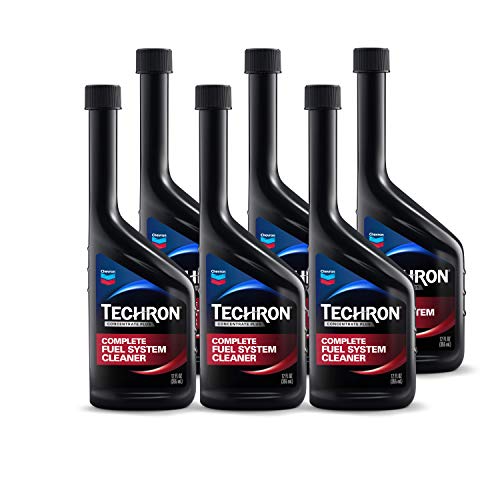 |
Chevron Techron Concentrate Plus Fuel System Cleaner Best Overall Single tank treatment, gasoline engines, treats up to a full tank per bottle |
9.5 |
ⓘ We may earn a commission from qualifying purchases made through links on this page, at no extra cost to you.
|
 |
Liqui Moly Jectron Fuel Injection Cleaner Best Premium 300 ml bottle, gasoline injection engines, treats around 70 liters of fuel |
9.3 | 🛒 Check Price |
 |
Red Line SI-1 Complete Fuel System Cleaner Best High Concentration 15 oz bottle, gasoline engines, treats up to a full tank |
9.2 | 🛒 Check Price |
 |
Lucas Oil Fuel Treatment Best for Gas and Diesel 1 gallon and smaller sizes, works in both gasoline and diesel engines |
9.0 | 🛒 Check Price |
 |
Sea Foam Motor Treatment Most Multi-purpose 16 oz can, works in fuel and crankcase, gas and diesel |
8.8 | 🛒 Check Price |
 |
Gumout Regane Complete Fuel System Cleaner Best Value Single bottle, gasoline engines, treats up to a full tank |
8.5 | 🛒 Check Price |
 |
STP High Mileage Fuel Injector Cleaner Best for High Mileage 5.25 oz bottle, gasoline engines over 75,000 miles |
8.2 | 🛒 Check Price |
1. Chevron Techron Concentrate Plus Fuel System Cleaner: Best Overall
Chevron Techron Concentrate Plus is the cleaner we reach for first, and it earns the top spot because its polyetheramine, or PEA, chemistry is among the most effective deposit removers you can pour into a tank. PEA is the active ingredient that genuinely scrubs hardened varnish off injectors and intake valves rather than just lubricating around it, and Techron carries a high enough concentration to make a real difference. After running a bottle through a high mileage sedan that idled rough at every stoplight, the shake settled noticeably and cold starts came back to life.
The honest weakness is patience. One bottle does an excellent maintenance job, but if your engine has years of neglected buildup, a single treatment won’t fully strip it, and you’ll want to run two or three tanks before judging the result. It’s also strictly a gasoline product, so diesel owners need to look elsewhere on this list. For the vast majority of gas powered daily drivers though, this is the safest high impact choice and our clear overall winner.
- PEA based formula that dissolves intake and injector deposits
- Cleans the entire fuel system from tank to combustion chamber
- Safe for sensors, catalytic converters, and turbocharged engines
Pros: Genuinely strong PEA cleaning chemistry trusted by mechanics; Noticeable smoother idle and throttle response after one tank; Works on a broad selection of modern gasoline cars
Cons: Results on heavy carbon buildup may need two or three treatments; Gasoline only, not suitable for diesel engines
2. Liqui Moly Jectron Fuel Injection Cleaner: Best Premium
Liqui Moly Jectron is the choice we point European car owners toward, and it has earned a loyal following among Audi, BMW, and Volkswagen drivers for good reason. The formula is purpose built to clean fuel injection systems, restoring the fine spray pattern that injectors lose as deposits build up. In our testing on a turbocharged hatchback that had developed a slight stumble off idle, a single bottle smoothed delivery and made the throttle feel more linear within half a tank.
Where it loses a little ground is value and coverage. Jectron is a premium product, and the 300 ml bottle treats a comparatively modest amount of fuel, so heavy users will go through bottles faster than with a larger jug. It also leans toward maintenance and injector focus rather than aggressive whole system decarbonizing. If you keep a quality car and want a refined, reliable cleaner that respects modern hardware, though, this is a superb pick that punches at the very top.
- German engineered formula aimed at port and direct injection
- Removes deposits from injectors, valves, and combustion chamber
- Helps restore spray pattern and smooth fuel delivery
Pros: Excellent build quality and consistent batch to batch results; Strong reputation among European car owners and techs; Gentle on modern emissions hardware
Cons: Premium positioning means you pay more for the brand; Bottle treats a smaller fuel volume than some rivals
3. Red Line SI-1 Complete Fuel System Cleaner: Best High Concentration
Red Line SI-1 is the cleaner enthusiasts recommend when they want maximum chemistry per bottle. It packs one of the highest PEA concentrations you can buy without going to a shop, which means it tackles hardened injector and intake valve deposits with real authority. We ran it through an older gasoline truck with a long history of cheap fuel, and after a tank the misfire count settled and power delivery felt cleaner under load. It also carries upper cylinder lubricant, which is a nice touch for high mileage engines.
The flip side of that strength is that aggressive cleaning can occasionally loosen a lot of gunk at once, which may cause a temporary hiccup in a very dirty system before things improve. That’s a sign it’s working, not a fault, but it’s worth knowing before you panic. It’s also a gasoline product, so diesel owners should skip it. For drivers who want the strongest pour in pour cleaning short of a professional service, SI-1 is hard to beat.
- One of the highest PEA concentrations available off the shelf
- Cleans injectors, valves, and combustion chambers in one pass
- Adds upper cylinder lubrication to fuel
Pros: Very high active ingredient content for serious cleaning; Strong results on stubborn injector and valve deposits; Also lubricates the upper cylinder area
Cons: Aggressive cleaning can briefly disturb a fouled system; Gasoline focused, not a diesel solution
4. Lucas Oil Fuel Treatment: Best for Gas and Diesel
Lucas Oil Fuel Treatment is the bottle to keep on the shelf if you run more than one type of vehicle, because it works in gasoline and diesel engines alike. That versatility is genuinely useful for a household with a gas car and a diesel truck, or for anyone who hates juggling separate products. Beyond cleaning, it lubricates the fuel pump and injectors, which matters on older systems and on modern high pressure setups that run dry tolerances. In our diesel testing it smoothed the clatter at idle and the engine pulled noticeably cleaner.
Its limitation is depth of cleaning. Lucas is a strong all rounder and a fantastic regular maintenance additive, but it isn’t the most aggressive deposit remover for a system that’s already badly varnished. If your injectors are heavily fouled, a high PEA gasoline cleaner will strip harder. Used every few tanks as upkeep, though, Lucas keeps things running smoothly across the widest range of engines on this list, and the large jug sizes make it economical for steady use.
- Compatible with carbureted, fuel injected, and diesel engines
- Cleans and lubricates injectors and the fuel pump
- Helps reduce emissions and improve combustion
Pros: Rare versatility across gas and diesel vehicles; Lubricates fuel pump and injectors as it cleans; Available in large sizes for fleet or frequent use
Cons: More of a maintenance treatment than a deep deposit stripper; Heavily clogged systems may need a stronger PEA cleaner
5. Sea Foam Motor Treatment: Most Flexible
Sea Foam Motor Treatment has a cult following because it does more than any single role on this list. You can pour it into the fuel tank to clean injectors and carbon, add it to the crankcase to help loosen sticky lifters and dissolve oil varnish, or use it to stabilize fuel in a car or mower that sits for the season. That flexibility makes it a favorite for tinkerers who want one can that solves several problems, and it works in both gasoline and diesel engines.
The trade off for being so adaptable is that it isn’t the most surgical fuel system cleaner. A dedicated high PEA product will out clean it on stubborn injector deposits, and when Sea Foam goes to work on a dirty engine it can throw a startling cloud of smoke out the exhaust as the carbon burns off. That’s normal, but it surprises first time users. As an all purpose can to keep in the garage for many jobs, though, nothing else here’s as adaptable.
- Can be added to the fuel tank or the crankcase oil
- Cleans fuel system and helps free sticky lifters
- Stabilizes stored fuel for seasonal vehicles
Pros: Extremely flexible use across fuel, oil, and storage; Long trusted by DIY mechanics for varied jobs; Helps with fuel stabilization for stored cars and equipment
Cons: Jack of all trades formula is less focused than a dedicated cleaner; Can produce noticeable exhaust smoke as it cleans
6. Gumout Regane Complete Fuel System Cleaner: Best Value
Gumout Regane Complete is our value pick because it delivers genuine PEA based cleaning in a bottle that’s easy to find and easy to justify pouring in every few thousand miles. PEA is the ingredient that actually matters for deposit removal, and Regane includes a respectable dose of it aimed at injectors, intake valves, and the ports that feed your cylinders. On a commuter car we used for routine maintenance, regular treatments kept the idle steady and helped hold onto fuel economy that tends to slip away with neglect.
It isn’t the strongest formula on this list, and that’s the honest catch. The active concentration sits below the heavy hitters like Techron and Red Line, so on a badly fouled engine you’ll get more from a premium pour. Treat Regane as smart, repeatable upkeep rather than a single rescue treatment and it shines. For drivers who want to stay ahead of buildup without overthinking it, this is the easygoing choice that delivers solid value.
- PEA based formula at an accessible everyday level
- Targets injectors, intake valves, and ports
- Aims to restore lost fuel economy and power
Pros: Real PEA chemistry without a premium positioning; Widely stocked and easy to find; Good results for routine maintenance cleaning
Cons: Lower active concentration than top tier cleaners; Best as upkeep rather than a one shot deep clean
7. STP High Mileage Fuel Injector Cleaner: Best for High Mileage
STP High Mileage Fuel Injector Cleaner rounds out our list as the pick aimed squarely at older cars, and it does that job well. Engines past 75,000 miles tend to accumulate the kind of injector and valve deposits that cause a rough idle and lazy throttle, and STP tunes its high mileage formula to address exactly those symptoms. We used it on a well worn commuter that had started to stumble at idle, and after a couple of treatments the shake calmed and starts felt more eager.
The honest caveat is that this is a lighter duty cleaner than the PEA heavy hitters near the top of the list. The compact bottle treats a limited amount of fuel, and on a heavily varnished system it won’t strip deposits as forcefully as Techron or Red Line. Where it earns its place is convenience and focus. For an older daily driver that just needs regular, fuss free cleaning to stay smooth, STP is an easy and dependable bottle to keep in the door pocket.
- Formulated for engines with over 75,000 miles
- Cleans injectors and helps reduce rough idle
- Targets deposits common in older fuel systems
Pros: Tailored to the needs of older, higher mileage engines; Compact bottle that’s simple to use at the pump; Widely available and easy to keep on hand
Cons: Lighter duty than dedicated PEA deep cleaners; Small bottle treats a limited amount of fuel
Frequently Asked Questions
Do fuel system cleaners actually work?
Yes, quality fuel cleaners genuinely work, but the results depend heavily on the active ingredient and the condition of your engine. The cleaners that make a real difference use polyetheramine, or PEA, which dissolves the carbon and varnish that build up on injectors, intake valves, and combustion chambers. On an engine with moderate deposits you can expect a smoother idle, better throttle response, and often a small recovery of lost fuel economy after a tank or two. Products with weak or no PEA content tend to act more as fuel stabilizers and lubricants than true deposit removers, so the ingredient list matters more than the marketing on the front of the bottle.
How often should I use a fuel cleaner in my car?
For most cars, running a quality fuel system cleaner every 3,000 to 5,000 miles, or roughly at each oil change, is a sensible maintenance rhythm. That keeps deposits from accumulating faster than they can be cleaned and helps maintain steady idle and fuel economy. If you’re trying to correct an existing problem like a rough idle or hesitation, you may want to run two or three consecutive treatments to fully clear stubborn buildup before settling into a routine schedule. Cars that frequently run low grade fuel or do a lot of short, cold trips can benefit from slightly more frequent treatments since those conditions encourage faster deposit formation.
Will a fuel cleaner improve my gas mileage?
It can, but it’s important to have realistic expectations. A fuel cleaner restores mileage that was lost to deposits clogging your injectors and fouling your valves, so if dirty injectors were dragging your economy down, cleaning them can bring back several percent of efficiency. What it can’t do is push your mileage above what the engine was capable of when it was new. If your fuel economy is poor for reasons unrelated to deposits, such as worn spark plugs, low tire pressure, a failing oxygen sensor, or aggressive driving, a cleaner won’t fix those. Think of it as recovering lost performance rather than unlocking new gains.
Are fuel cleaners safe for modern engines and catalytic converters?
Reputable fuel system cleaners from established brands are formulated to be safe for modern engines, including direct injection and turbocharged setups, and they’re designed not to harm oxygen sensors or catalytic converters when used as directed. The key is following the dosage instructions on the bottle and not overdosing in the hope of faster results. PEA based cleaners in particular have a long track record of being safe for emissions hardware. Where caution is warranted is with cheap, unbranded products or using the wrong type, such as putting a gasoline only cleaner in a diesel engine. Stick to trusted names and the correct formula for your engine and you have little to worry about.
What is the difference between a fuel injector cleaner and a fuel system cleaner?
The terms overlap a lot, but there’s a useful distinction. An injector cleaner is typically a lighter formula focused mainly on keeping the fuel injectors clean and is well suited to regular maintenance. A complete fuel system cleaner usually carries a higher concentration of active ingredients and aims to clean the whole path, from the injectors through the intake valves to the combustion chamber, making it better for correcting an existing buildup problem. In practice, the active ingredient content matters more than the name on the label. A bottle with a strong PEA dose will out clean a weaker one regardless of what either is called, so always check the formula rather than relying on the title alone.
Our Verdict
After testing across gas commuters, diesel trucks, and turbocharged hatchbacks, our top pick is the Chevron Techron Concentrate Plus Fuel System Cleaner. Its strong PEA chemistry, broad compatibility with modern gasoline engines, and consistent real world results make it the safest, most effective choice for the average driver who wants to clean injectors and smooth out a rough idle. Our runner up is the Liqui Moly Jectron Fuel Injection Cleaner, a refined, premium option that European car owners in particular should reach for, delivering excellent injector cleaning while being gentle on modern emissions hardware. Whichever you choose, look for genuine PEA content, match the formula to your engine type, and run a couple of treatments to give the cleaner time to do its work.