Older engines collect decades of varnish, carbon, and gummy deposits that no amount of normal driving will wash away. A good fuel additive is one of the few things you can pour in yourself that actually reaches the injectors, intake valves, and combustion chambers where the grime lives. The catch is that most bottles on the shelf are weak detergent packages that do very little, while a small handful contain a strong enough dose of real cleaning chemistry to make a tired engine run noticeably better.
We focused on additives that suit high-mileage and classic vehicles specifically, where the goals are different from a brand new car. That means deposit removal, upper-cylinder lubrication, moisture control, and protection for fuel systems that were never designed for today’s ethanol blends. Below are the seven we trust most, ranked best first, with an honest look at where each one falls short.
| Photo | Product | Score | Buy |
|---|---|---|---|
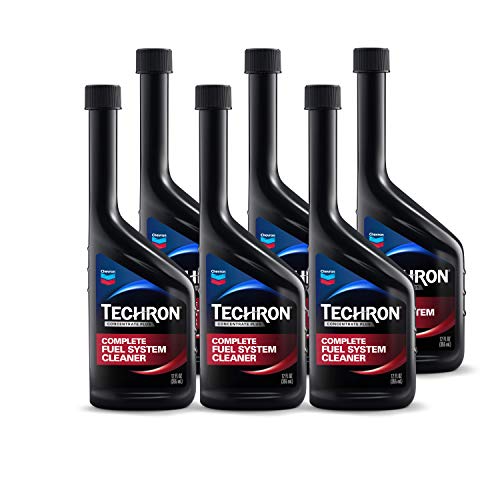 |
Chevron Techron Concentrate Plus Best Overall PEA-based detergent, treats up to 12 gallons per bottle, gasoline engines |
9.5 |
ⓘ We may earn a commission from qualifying purchases made through links on this page, at no extra cost to you.
|
 |
Liqui Moly Jectron Fuel Injection Cleaner Best for Injector Cleaning PEA detergent, 300ml treats up to 18 gallons, gasoline injectors |
9.3 | 🛒 Check Price |
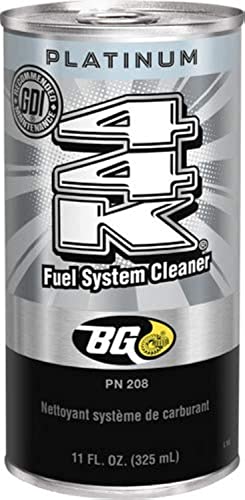 |
BG 44K Fuel System Cleaner Best Pro-Grade Concentrated PEA, 11oz can treats one tank, full fuel system |
9.2 | 🛒 Check Price |
 |
Sea Foam Motor Treatment SF-16 Best All-Rounder Petroleum-based, 16oz treats fuel or oil, gas and diesel |
9.0 | 🛒 Check Price |
 |
Lucas Oil Upper Cylinder Lubricant and Injector Cleaner Best for Upper-Cylinder Lube Lubricating fuel treatment, treats gas and diesel, per-tank dosing |
8.7 | 🛒 Check Price |
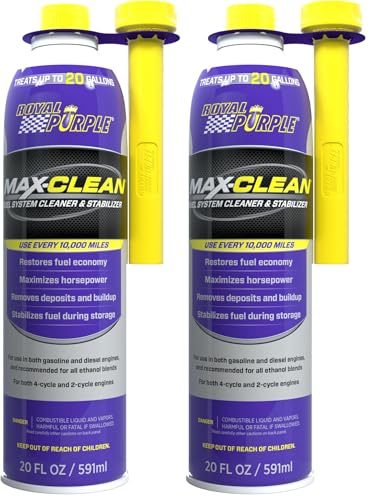 |
Royal Purple Max-Clean Fuel System Cleaner Best for Emissions and MPG Synthetic detergent, 20oz treats up to 20 gallons, gas and diesel |
8.5 | 🛒 Check Price |
 |
STA-BIL Storage Fuel Stabilizer Best for Storage and Ethanol Fuel stabilizer, 8oz treats up to 20 gallons, up to 24 months storage |
8.2 | 🛒 Check Price |
1. Chevron Techron Concentrate Plus: Best Overall
Techron is the additive we reach for first on any older gasoline car, and it earns the top spot because the active ingredient, polyether amine, is the gold standard for dissolving the hard carbon that builds up on injectors and intake valves. On a high-mileage engine that has started to idle unevenly or hesitate off the line, a single bottle run through a near-empty tank often produces a real, felt improvement by the next fill-up. It’s the rare additive that does roughly what the label promises rather than acting as a glorified fuel scent.
The honest weakness is that Techron is purely a detergent. It won’t lubricate the upper cylinder, it doesn’t target ethanol-related moisture, and it does nothing for lead-substitute needs on a genuine classic. The fixed treatment volume per bottle also catches people out, since a large tank may need two bottles to hit the correct concentration. For straightforward deposit cleaning on a modern-ish older car, though, nothing on this list does it better.
- Polyether amine (PEA) chemistry that strips baked-on injector and valve deposits
- Cleans the entire fuel system in a single tank, intake to combustion chamber
- Safe for catalytic converters, oxygen sensors, and turbochargers
Pros: Strongest mainstream PEA detergent for the money; Genuinely smooths rough idle and restores throttle response on tired engines; Widely available and trusted by mechanics
Cons: Dose is fixed per bottle, so larger tanks need more than one; Not formulated to address ethanol moisture specifically
2. Liqui Moly Jectron Fuel Injection Cleaner: Best for Injector Cleaning
Liqui Moly’s Jectron is our pick when the specific complaint is injector related, things like a stumble under load, a slightly lean misfire, or fuel economy that has quietly drifted worse. The PEA concentration is high and the formula is engineered to restore the injector spray cone so fuel atomizes properly again. On older European cars in particular, where Liqui Moly is something of a default, it tends to deliver a cleaner part-throttle response within a tank or two.
Where it’s less impressive is broad combustion-chamber and intake-valve cleaning, which isn’t really its job. If your engine’s main problem is carbon on the valves rather than the injectors, a more general cleaner or a dedicated valve treatment will serve you better. It also carries a premium feel relative to how much chemistry you’re actually getting, so for pure deposit cleaning on a budget it isn’t the obvious value choice.
- Concentrated PEA formula aimed squarely at clogged and dribbling injectors
- Restores spray pattern and atomization for a more even burn
- Compatible with direct injection and port injection systems
Pros: German engineering with consistent batch quality; Excellent at curing lean misfires from partially blocked injectors; Treats a large tank from one bottle
Cons: Pricier feel than domestic options for similar chemistry; Less effective on intake valve carbon than on injectors
3. BG 44K Fuel System Cleaner: Best Pro-Grade
BG 44K is the can mechanics quietly pour in during a service, and it’s about as aggressive a single-tank cleaner as you can buy over the counter. For an older engine that has been run on cheap fuel for years and now idles roughly or starts hard, a full can in a low tank can produce a dramatic before-and-after. It works across the whole fuel and induction path, so it tackles injector, valve, and chamber deposits together rather than just one area.
That strength is also the thing to respect. This is a concentrated treatment meant to be used occasionally, not every tank, and dumping it in too often is wasteful and unnecessary. Availability is the other drawback, since it’s more of a professional product and you’ll usually order it rather than grab it locally. Used as an occasional deep clean, though, it’s a very effective things you can run through a tired engine.
- Shop-grade concentration normally used by dealerships and mechanics
- Cleans injectors, intake valves, ports, and combustion chambers in one pass
- Quickly clears deposits that cause hesitation, rough idle, and hard starts
Pros: Extremely strong single-tank deep clean; Noticeable results on neglected high-mileage engines; A little goes a long way, one can per tank
Cons: Strong dose means you shouldn’t overuse it; Harder to find on a shelf than mass-market brands
4. Sea Foam Motor Treatment SF-16: Best All-Rounder
Sea Foam has a cult following among older-car owners for good reason, since one can does several jobs. You can pour it in the fuel for a gentle clean, add it to the crankcase to loosen sludge before an oil change, or feed it slowly into the intake to clear carbon. On a high-mileage engine it doubles as upper-cylinder lubrication, which matters on older designs, and it helps keep ethanol fuel a little more stable in cars that sit for weeks at a time.
The trade-off for that versatility is potency. Sea Foam is a petroleum solvent rather than a concentrated PEA detergent, so against thick, baked-on injector and valve deposits it’s noticeably milder than something like Techron or BG 44K. Think of it as gentle, regular maintenance and a great fit for project cars that sit, rather than the tool you grab to rescue a badly gummed engine in a single tank.
- Works in the fuel tank, crankcase oil, or directly in the intake
- Dissolves gum and varnish while adding upper-cylinder lubrication
- Helps stabilize fuel and control light moisture in the tank
Pros: Remarkably multi-purpose across fuel, oil, and intake use; Gentle enough to use regularly on old engines; Loved by the classic and project-car crowd
Cons: Milder than dedicated PEA cleaners on heavy deposits; Petroleum solvent rather than modern detergent chemistry
5. Lucas Oil Upper Cylinder Lubricant and Injector Cleaner: Best for Upper-Cylinder Lube
Older engines were designed around fuels that carried more natural lubricity than today’s ethanol-blended gasoline, and that’s exactly the gap Lucas fills. This treatment coats valves, rings, and injectors with a lubricating film on every fill, which is genuinely useful on high-mileage motors and on classics with valve seats that benefit from extra protection. Owners often report a slightly quieter top end and smoother running over time when they use it consistently.
What it isn’t is a heavy-duty cleaner. The detergent side is light, so if your engine already has stubborn carbon problems this won’t scrub them out the way a PEA product does. Its value is preventive and cumulative rather than a one-tank fix, so it works best as an ongoing additive you run regularly to protect an old engine rather than something you reach for to solve an existing rough-idle complaint.
- Adds lubrication to valves, rings, and injectors on every fill
- Helps older engines that run dry on low-lubricity modern fuels
- Safe for continuous use, tank after tank
Pros: Excellent valve and upper-cylinder protection; Gentle and safe to use in every tank; Can quiet down a slightly noisy top end
Cons: Light detergency, not a deep deposit cleaner; Benefits are protective and gradual, not dramatic
6. Royal Purple Max-Clean Fuel System Cleaner: Best for Emissions and MPG
Royal Purple’s Max-Clean is a capable do-everything bottle aimed at owners chasing two things older cars commonly lose, clean emissions and fuel economy. It carries a synthetic detergent package that works on injectors, valves, and combustion chambers together, and it covers both gasoline and diesel. People often reach for it before an emissions test because clearing deposits can nudge a borderline car back into passing range, and a tankful sometimes recovers a meaningful chunk of lost miles per gallon.
It’s a solid product, but results are a little less predictable than our top PEA picks, with some engines responding strongly and others barely changing. The single large bottle is built as a one-shot deep clean rather than an every-tank maintenance dose, so it’s something you run occasionally. For an older car that’s running rich, smelling of unburnt fuel, or facing an inspection, it’s a sensible choice, just temper expectations versus the strongest cleaners here.
- Synthetic cleaning package targeting injectors, valves, and chambers
- Aims to lower emissions and recover lost fuel economy
- Works in both gasoline and diesel fuel systems
Pros: Strong all-in-one clean for one bottle; Often helps marginal cars pass an emissions test; Treats a big tank in a single dose
Cons: Results vary more between engines than top picks; Single-bottle dose feels like a one-shot rather than maintenance
7. STA-BIL Storage Fuel Stabilizer: Best for Storage and Ethanol
Plenty of older and classic cars spend more time parked than driving, and that’s where STA-BIL belongs. Modern ethanol fuel goes stale and starts forming gum and corrosion in a matter of months, which is brutal on carburetors and older fuel systems. Adding STA-BIL before a car sits keeps the fuel usable for up to two years and guards against the ethanol-driven moisture and varnish that otherwise turns a winter layup into a spring carburetor rebuild.
The thing to understand is that this is a preventive stabilizer, not a cleaner. It protects fresh fuel and the system it sits in, but it won’t scrub deposits out of an engine that’s already dirty, and it does nothing meaningful for a daily-driven car that burns through its tank quickly. Used for what it’s, protecting a stored or seasonal classic, it’s close to essential, which is why it makes the list despite a narrower job than the cleaners above.
- Keeps fuel fresh for up to two years during storage
- Fights ethanol-related corrosion and gum formation
- Protects fuel systems on cars and classics that sit for months
Pros: Essential for seasonal and rarely driven older cars; Prevents the stale-fuel gumming that ruins carburetors; A small dose protects a full tank
Cons: Stabilizer, not a deposit cleaner for daily drivers; Does little for an engine that’s already gummed up
Frequently Asked Questions
Do fuel additives really work on older high-mileage engines?
Yes, but the type of additive matters enormously. Products built around polyether amine (PEA) detergent, such as Chevron Techron, Liqui Moly Jectron, and BG 44K, genuinely dissolve the carbon and varnish that build up on injectors and intake valves over decades, and on a tired engine you can often feel smoother idle and better throttle response within a tank or two. Weaker no-name detergents and simple fuel scents do very little, so the honest answer is that a good additive works while a cheap generic one mostly doesn’t.
How often should I use a fuel additive in an older car?
It depends on the product. Strong single-tank deep cleaners like BG 44K or Royal Purple Max-Clean are meant for occasional use, roughly every few thousand miles or before an emissions test, not every fill. Gentler maintenance products such as Sea Foam and Lucas upper-cylinder lubricant are safe to use far more regularly, even every tank in the case of Lucas. For most older daily drivers, a strong PEA clean a few times a year plus an optional light maintenance additive in between is a sensible rhythm.
What additive is best for ethanol problems in classic cars?
Ethanol causes two main headaches in older cars, moisture absorption that leads to corrosion and fuel that goes stale and gummy when the car sits. For a classic that’s stored or driven seasonally, a fuel stabilizer like STA-BIL is the right tool because it keeps fuel fresh and fights ethanol corrosion for up to two years. For a classic you drive regularly, an additive with upper-cylinder lubrication such as Sea Foam or Lucas helps compensate for the lower lubricity of ethanol-blended fuel that these engines were never designed around.
Can a fuel additive damage my old engine, seals, or catalytic converter?
Reputable additives from the brands on this list are formulated to be safe for fuel-system seals, oxygen sensors, and catalytic converters when used as directed, so the risk is low if you follow the dosing instructions. The main way people get into trouble is overuse, especially pouring strong concentrated cleaners in every single tank, which is unnecessary rather than dangerous. On a very neglected engine, a deep clean can occasionally loosen so much debris that a clogged fuel filter shows up afterward, which is actually a sign the cleaner worked, and a quick filter swap fixes it.
Will a fuel additive fix a rough idle or hesitation in an old car?
Often, yes, if the cause is deposit related. A lot of rough idle, stumbling off the line, and hesitation in high-mileage engines comes from carbon-clogged injectors and dirty intake valves, and a strong PEA cleaner like Techron or BG 44K can clear that up within a tank or two. What an additive can’t fix is a mechanical or ignition fault, so if the problem is worn spark plugs, a failing coil, a vacuum leak, or bad fuel pressure, no bottle will help. Run a quality cleaner first as a cheap, easy step, and if the symptom persists, move on to diagnosing the ignition and sensors.
Our Verdict
For most older and high-mileage cars, Chevron Techron Concentrate Plus is our top pick because its PEA detergent delivers the strongest, most reliable deposit cleaning you can buy off the shelf, and it consistently smooths out rough idle and sluggish throttle on tired engines. Our runner up is Liqui Moly Jectron, which matches that PEA chemistry with a focus on restoring clogged injectors and is the one to choose when injector symptoms are the main complaint. If your old car spends more time parked than driving, pair either cleaner with STA-BIL to protect the fuel while it sits, and you’ll have an engine that both runs cleaner and starts reliably when you come back to it.