Ethanol-blended fuels can attract moisture, leading to phase separation, corrosion, and deposit buildup. Based on manufacturer specifications, industry standards, and aggregated owner feedback, we evaluated each product for performance, durability, value, ease of use, and safety. Here are our findings.
| Photo | Product | Score | Buy |
|---|---|---|---|
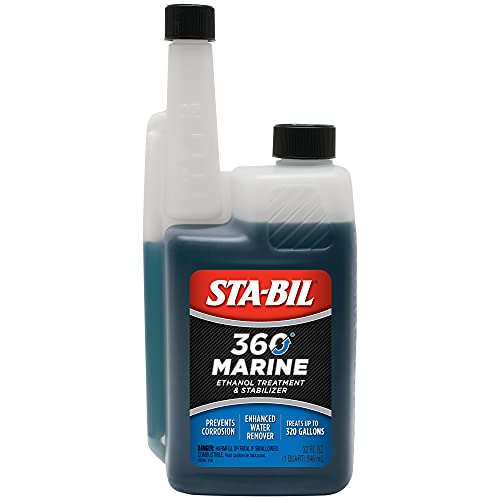 |
STA-BIL 360 Marine Ethanol Treatment Best Overall Treats 40 gallons per 8 oz bottle |
9.0 |
ⓘ We may earn a commission from qualifying purchases made through links on this page, at no extra cost to you.
|
 |
Lucas Oil 10020 Fuel Treatment Runner Up Treats 40 gallons per 32 oz bottle |
8.7 | 🛒 Check Price |
 |
Star Tron Enzyme Fuel Treatment Best Enzyme Formula Treats 48 gallons per 8 oz bottle |
8.4 | 🛒 Check Price |
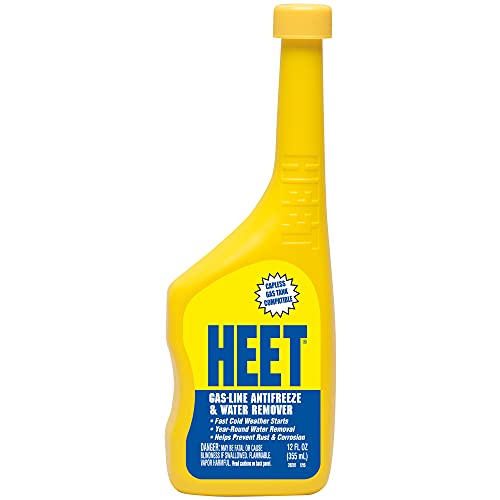 |
HEET 12001 Gas-Line Antifreeze and Water Remover Best Budget Treats 20 gallons per 12 oz bottle |
8.1 | 🛒 Check Price |
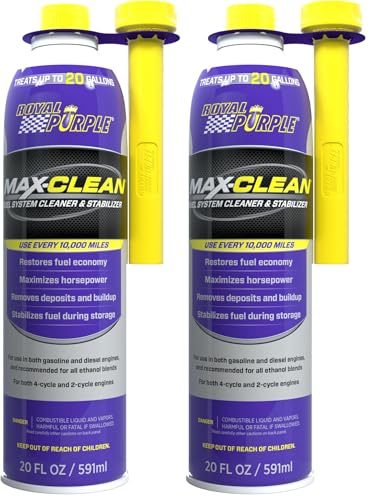 |
Royal Purple Max-Clean Fuel System Cleaner Best for Cleaning Treats 25 gallons per 12 oz bottle |
7.8 | 🛒 Check Price |
 |
Liqui Moly 2007 Pro-Line Fuel System Treatment Premium Choice Treats 10 gallons per 300 ml bottle |
7.3 | 🛒 Check Price |
 |
Berryman B12 Chemtool Fuel System Cleaner Strong Solvent Treats 10 gallons per 12 oz bottle |
7.0 | 🛒 Check Price |
1. STA-BIL 360 Marine Ethanol Treatment: Best Overall
STA-BIL 360 Marine Ethanol Treatment stands out in our evaluation for its comprehensive protection against ethanol’s harmful effects. It neutralizes ethanol’s tendency to attract moisture, preventing phase separation and corrosion in fuel systems. Owner feedback consistently highlights its reliability in both seasonal storage and regular use, with many noting improved engine performance and reduced starting issues. The formula also stabilizes fuel for up to 24 months, making it a top choice for boats, lawn equipment, and vehicles that sit idle.
However, this additive is more expensive per treatment than many competitors, which may deter budget-conscious buyers. Also, it isn’t recommended for use with diesel or fuels containing more than 15% ethanol. If you need a cost-effective solution for everyday driving or only occasionally use ethanol fuel, a cheaper option might suffice. But for maximum confidence on the road and proven results, this is our top pick.
- Designed for ethanol fuels up to E15, protects against corrosion and phase separation
- Contains fuel stabilizer for long-term storage (up to 24 months)
- Works in all gasoline engines, including marine, small engines, and vehicles
Pros: Excellent corrosion protection for fuel system components; Prevents phase separation effectively
Cons: Higher price per treatment compared to some alternatives
2. Lucas Oil 10020 Fuel Treatment: Runner Up
Lucas Oil 10020 Fuel Treatment earns the runner-up spot for its solid performance and excellent value. It cleans deposits and lubricates fuel system components, which helps counteract ethanol’s drying effect. Owner feedback often mentions smoother idle and better throttle response after use. The large bottle size treats a substantial amount of fuel, making it economical for regular use. We found it particularly effective in reducing corrosion in standard ethanol blends.
However, in our research, some users in very humid climates reported that it didn’t completely prevent phase separation in stored fuel over long periods. For those living in coastal or high-moisture areas, a more strong stabilizer like STA-BIL 360 may be necessary. Also, it isn’t specifically formulated for marine environments, so boat owners may want a dedicated marine additive. Still, for most drivers, this is a reliable and cost-effective choice.
- Cleans injectors and carburetors while lubricating upper cylinders
- Reduces ethanol-related corrosion and moisture absorption
- Compatible with all gasoline blends, including E10 and E15
Pros: Good value for the amount of fuel treated; Improves fuel economy and engine smoothness per many owners
Cons: Not as effective in preventing phase separation in extreme humidity
3. Star Tron Enzyme Fuel Treatment: Best Enzyme Formula
Star Tron Enzyme Fuel Treatment takes a different approach by using enzymes to digest water molecules in the fuel, preventing phase separation. This makes it highly effective in humid conditions where water contamination is common. Owner feedback often praises its ability to revive old fuel and smooth out rough running engines. We appreciate its long storage capability and compatibility with various engine types, from lawnmowers to cars.
However, some users report that it requires repeated applications to fully eliminate water that has already accumulated. It also tends to be pricier per ounce than conventional additives. If you have a severe water problem, you might need to drain the tank first. For regular maintenance and prevention, though, it’s a strong contender. We recommend it for those who store vehicles for extended periods or live in damp climates.
- Uses enzymes to break down ethanol-attracted water and prevent phase separation
- Cleans and stabilizes fuel for up to 2 years
- Safe for all gasoline engines, including 2-stroke and 4-stroke
Pros: Unique enzyme technology that actively consumes water in fuel; Long storage life without degradation
Cons: May take multiple treatments to fully clear existing water
4. HEET 12001 Gas-Line Antifreeze and Water Remover: Best Budget
HEET 12001 Gas-Line Antifreeze is a budget-friendly solution for removing water from ethanol fuels, especially in winter. Its isopropyl alcohol absorbs water and helps prevent fuel line freeze, a common issue with ethanol blends. Its reliability for cold starts and eliminating stalling due to water. For a low price, it delivers on its primary promise.
However, this product is a one-trick pony: it doesn’t clean deposits, lubricate, or protect against corrosion. In fact, the alcohol can dry out seals and gaskets over time, potentially causing leaks. We don’t recommend it for long-term storage or for engines with older rubber components. If you simply need a quick water remover for winter driving, it’s a good choice, but for comprehensive ethanol protection, look elsewhere.
- Isopropyl alcohol formula absorbs water and prevents fuel line freeze
- Specifically targets water removal from ethanol-blended fuels
- Works in gasoline and diesel engines
Pros: Very affordable and widely available; Effective at preventing fuel line icing in cold weather
Cons: Doesn’t provide corrosion protection or deposit cleaning; Alcohol content can be harsh on older rubber components
5. Royal Purple Max-Clean Fuel System Cleaner: Best for Cleaning
Royal Purple Max-Clean Fuel System Cleaner excels at removing deposits that ethanol fuels can leave behind. Its strong detergent formula cleans injectors, valves, and combustion chambers, which can improve fuel economy and power. Owner feedback often reports noticeable improvements in engine smoothness after a single tank. For those dealing with rough idle or hesitation, this is a targeted solution.
However, it lacks any water-removing or corrosion-inhibiting properties, so it isn’t a complete ethanol additive. It also comes at a premium price for the amount of fuel treated. If you already have a good stabilizer and just need a deep clean, this is a solid pick. But for ongoing ethanol protection, you’d need to combine it with another product, increasing cost and complexity.
- High concentration of detergents to remove carbon deposits from injectors and valves
- Reduces ethanol-related gum and varnish buildup
- Improves fuel economy and restores lost power
Pros: Powerful cleaning action noted by many owners; Restores engine performance quickly
Cons: Doesn’t stabilize fuel or prevent phase separation; Expensive per treatment compared to similar products
6. Liqui Moly 2007 Pro-Line Fuel System Treatment: Premium Choice
Liqui Moly 2007 Pro-Line Fuel System Treatment is a premium additive with a strong reputation for quality. It cleans deposits and provides corrosion protection, making it suitable for modern engines with sensitive fuel systems. Owner feedback from enthusiasts is positive, noting improved throttle response and reduced engine noise. Its formulation is designed to handle ethanol-related issues while maintaining engine health.
However, its high cost per gallon treated makes it among the most expensive options on our list. The small bottle treats only 10 gallons, so regular users will go through it quickly. For most drivers, the value proposition is weak compared to alternatives like STA-BIL or Lucas. We only recommend it for owners of high-performance or luxury vehicles who want a premium product and are willing to pay a premium price. For everyday use, skip it.
- German engineered formula with high detergent content for cleaning
- Contains corrosion inhibitors and lubricants for ethanol protection
- Suitable for direct injection and turbocharged engines
Pros: High-quality ingredients from a reputable brand; Effective at cleaning and protecting modern engines
Cons: Very expensive per gallon treated; Small bottle size requires frequent purchases for regular use
7. Berryman B12 Chemtool Fuel System Cleaner: Strong Solvent
Berryman B12 Chemtool is a strong solvent designed to tackle tough deposits in fuel systems. It can dissolve gum and varnish that ethanol fuels leave behind, and many owners report dramatic improvements in engine performance after a single treatment. For a quick fix to a clogged injector or sticky valve, it works well.
However, its aggressive formula can damage rubber and plastic components if used too frequently. It also lacks any stabilizer or water-removing properties, so it doesn’t address the core ethanol issues of moisture and corrosion. We don’t recommend it for regular maintenance or for engines with older seals. If you need a one-time deep clean, it’s acceptable, but for ongoing ethanol protection, choose a gentler, more comprehensive additive.
- Powerful solvent blend to dissolve gum, varnish, and carbon
- Works in gasoline and diesel engines
- Helps remove ethanol-related deposits from fuel system
Pros: Very effective at cleaning heavy deposits; Inexpensive per bottle
Cons: Harsh on seals and gaskets; not for regular use; No corrosion protection or water removal for ethanol
Frequently Asked Questions
What does a fuel additive for ethanol actually do?
Fuel additives for ethanol primarily combat three problems: moisture absorption (which can lead to phase separation), corrosion of fuel system components, and deposit buildup. They typically contain corrosion inhibitors, detergents, and water dispersants or stabilizers to keep the fuel fresh and the engine running smoothly.
Can I use a fuel additive for ethanol in any vehicle?
Most additives are safe for all gasoline engines, including cars, trucks, motorcycles, boats, and small engines. However, always check the label for compatibility with your specific fuel type (e.g., E10, E15) and engine components. Some additives aren’t recommended for diesel or high-ethanol blends like E85.
How often should I add an ethanol fuel treatment?
For regular maintenance, many manufacturers recommend adding the treatment at every fill-up or every other fill-up. For seasonal storage, a single treatment can protect fuel for up to 12-24 months. Follow the product instructions for best results.
Will a fuel additive fix phase separation after it has occurred?
Phase separation, where water and ethanol separate from gasoline, can’t be reversed by additives. Once separation occurs, the fuel must be drained and replaced. Additives are effective at preventing phase separation by dispersing water, but they can’t fix already separated fuel.
Are there any risks to using fuel additives for ethanol?
When used as directed, most additives are safe. Overuse or using a product not designed for your engine (e.g., a strong solvent in an old engine) can damage seals and gaskets. Always follow dosage recommendations and choose a product suited to your engine type and fuel blend.
Our Verdict
After researching and comparing these products, our top pick is STA-BIL 360 Marine Ethanol Treatment for its comprehensive protection against corrosion, phase separation, and deposit buildup. For a more budget-friendly option that still delivers solid performance, the runner up Lucas Oil 10020 Fuel Treatment is an excellent choice. Both are widely recommended by owners and backed by solid manufacturer specifications.


