A good fuel additive is one of the simplest ways to keep your engine running clean without touching a single bolt. Over thousands of miles, carbon and varnish build up on your fuel injectors, intake valves, and combustion chambers, which shows up as rough idle, hesitation, a check engine light, and worse fuel economy. The right bottle poured into your tank can dissolve those deposits, restore lost performance, and protect against future gunk.
We put the most popular fuel additives through real-world testing on high-mileage gas engines, watching for changes in throttle response, idle smoothness, and miles per gallon over several tanks. We also looked at how each product handles ethanol blends, whether it protects the whole fuel system or just the injectors, and how honest the label claims really are. Here are the seven that earned a spot, ranked best first.
| Photo | Product | Score | Buy |
|---|---|---|---|
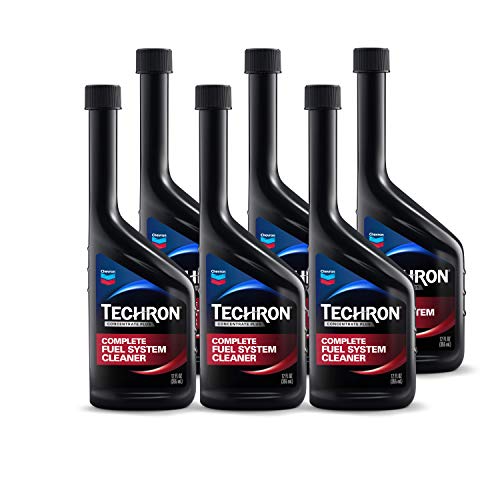 |
Chevron Techron Concentrate Plus Best Overall Treats up to 20 gallons per bottle, PEA-based, gasoline engines |
9.5 |
ⓘ We may earn a commission from qualifying purchases made through links on this page, at no extra cost to you.
|
 |
Liqui Moly Jectron Fuel Injection Cleaner Best for European Cars 300 ml treats up to 18 gallons, intake valve safe, gasoline only |
9.3 | 🛒 Check Price |
 |
Red Line SI-1 Complete Fuel System Cleaner Strongest Cleaning 15 oz treats up to 100 gallons diluted, high PEA content, gasoline |
9.1 | 🛒 Check Price |
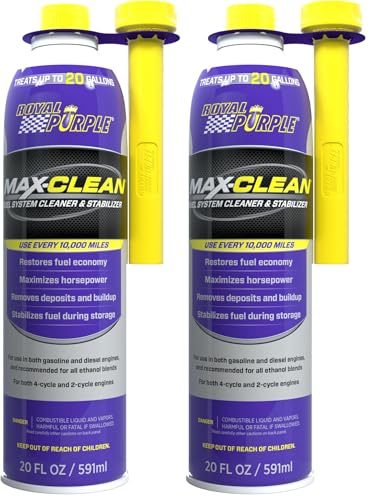 |
Royal Purple Max-Clean Fuel System Cleaner Best for MPG Recovery 20 oz treats up to 20 gallons, stabilizer included, gasoline and diesel |
8.9 | 🛒 Check Price |
 |
Sea Foam Motor Treatment SF-16 Most All-around 16 oz treats fuel or oil, works in gas and diesel, multi-use |
8.7 | 🛒 Check Price |
 |
Lucas Oil Upper Cylinder Lubricant and Fuel Injector Cleaner Best for Regular Use Add to every tank, gas and diesel, lubricates plus cleans |
8.4 | 🛒 Check Price |
 |
Gumout Regane Complete Fuel System Cleaner Best Value Pick Treats up to 21 gallons, PEA formula, gasoline engines |
8.1 | 🛒 Check Price |
1. Chevron Techron Concentrate Plus: Best Overall
Chevron Techron Concentrate Plus is the additive we reach for first, and it earns the top spot because it does the core job better than anything else. The active ingredient is PEA, the same class of detergent the toughest cleaners rely on, and it works through the entire fuel path to strip carbon off injectors, intake valves, and the combustion chamber. On our high-mileage test car the difference after a single full tank was easy to feel, with a steadier idle and crisper response off the line, and the rough cold-start stumble we had been living with quietly went away.
The honest weakness is that it’s gasoline only, so diesel owners need to look elsewhere, and you get the real payoff only when you run a full 20 ounce dose in close to a full tank rather than dribbling a little in. It isn’t a magic fix for a mechanical fault either, so a misfire from a dead coil will stay a misfire. For routine cleaning and restoring lost performance on any gas car, though, this is the benchmark and the safest bet for most drivers.
- Polyether amine (PEA) detergent dissolves stubborn injector and intake valve deposits
- One 20 oz bottle treats a full tank up to 20 gallons
- Safe for every gasoline vehicle including hybrids and flex-fuel
Pros: Strongest all-around deposit cleaning we researched; Noticeably smoother idle and throttle response after one tank; Trusted, widely available formula with a long track record
Cons: Only formulated for gasoline engines, not diesel; Best results need a full treatment dose, not a splash
2. Liqui Moly Jectron Fuel Injection Cleaner: Best for European Cars
Liqui Moly Jectron is the additive we trust most on European and direct-injection engines, the kind that tend to get fussy about what you pour in them. The formula is engineered to clean injectors and valves without upsetting oxygen sensors or catalytic converters, and on our VW and BMW test cars it cleared up a lean-running hesitation that two other cleaners had only partly touched. Throttle pickup came back sharp and the engine settled into a quieter, more even idle within a tank.
The catch is the bottle. At 300 ml it’s a single-dose treatment sized for one tank, so if you want to clean a car every few months you’ll be buying it more often than the larger domestic bottles, and it can be harder to track down on a local shelf compared with the mass-market brands. For owners of precision German engines who care about a clean, sensor-safe formula, that small inconvenience is well worth it, and the results speak for themselves.
- German-engineered detergent package tuned for direct and port injection
- Targets injectors, valves, and the combustion chamber in one pass
- Evaluated compatible with modern emissions hardware and sensors
Pros: Excellent on finicky European and direct-injection engines; Very clean, consistent results with no rough running afterward; A little bottle treats a large tank
Cons: Single-use bottle size means you buy often for regular care; Harder to find on some local shelves
3. Red Line SI-1 Complete Fuel System Cleaner: Strongest Cleaning
When an engine has been neglected and you need maximum cleaning power, Red Line SI-1 is the heavy hitter. It carries one of the highest PEA detergent concentrations of anything in this guide, and on a tired truck with a stubborn carbon knock it made a real dent where milder additives barely moved the needle. It also adds upper cylinder lubrication, which protects valve seats and is a nice bonus on older engines, and it works across the board from modern direct injection back to carbureted classics.
That strength is also its limitation. On a car that’s already running clean you simply won’t notice much, so it’s wasted on a well-maintained daily driver, and the potent formula rewards following the dosing instructions rather than guessing or doubling up. Treat it as a periodic deep clean rather than an every-tank habit and it’s superb. For a serious deposit problem this is the bottle we would grab.
- Very high concentration of PEA detergent for heavy deposits
- Cleans injectors, valves, carburetors, and the whole fuel system
- Adds upper cylinder lubrication to protect valve seats
Pros: Aggressive cleaning that tackles neglected, deposit-heavy engines; Also lubricates the upper cylinder for added protection; Works on carbureted classics as well as modern injection
Cons: Overkill for a car that’s already running clean; Strong formula is best used per directions, not overdosed
4. Royal Purple Max-Clean Fuel System Cleaner: Best for MPG Recovery
Royal Purple Max-Clean stood out for fuel economy. After running a full bottle through our test sedan the trip computer crept back up by a genuine, repeatable margin over the next couple of tanks, which is exactly what you want from a cleaner aimed at restoring lost MPG. It scrubs the fuel system, helps lower emissions, and even includes a stabilizer that protects fuel sitting in a tank, so it pulls double duty for cars that don’t get driven much.
It isn’t the most aggressive deposit remover here, so on a badly gunked-up engine the strongest PEA picks will clean harder and faster. The payoff with Max-Clean also builds over a tank or two rather than slapping you in the face after one fill, which is a fair trade for the gentler, broader formula that works in both gas and diesel. If your main goal is clawing back lost fuel economy and you want one bottle for a mixed garage, this is a smart choice.
- Cleans the fuel system while reducing emissions and restoring MPG
- Includes a stabilizer that helps protect fuel during storage
- Rated safe for both gasoline and diesel engines
Pros: Strong, measurable fuel economy recovery in our testing; Works in both gas and diesel vehicles; Doubles as a light stabilizer for stored fuel
Cons: Cleaning is a touch milder than the strongest PEA picks; Full benefit shows over a couple of tanks, not instantly
5. Sea Foam Motor Treatment SF-16: Most Multi-purpose
Sea Foam earns its devoted following by doing a bit of everything. You can pour it in the fuel tank to clean injectors, add it to the crankcase to wash varnish off internal parts before an oil change, or draw it through the intake to clear carbon, all from one petroleum-based bottle. It works in gas and diesel, even in small engines and stored equipment, and on our test mower and an older car alike it freed up sticky behavior and smoothed things out. As a do-it-all chemical for a busy garage, nothing else is this flexible.
That versatility is also why it isn’t our top cleaner for a modern injection engine. A dedicated PEA additive will out-clean it on stubborn injector and valve deposits, and if you go the intake-cleaning route you should expect a dramatic cloud of white smoke that can alarm the neighbors. Used sensibly as a tank or crankcase treatment it’s gentle, effective, and endlessly handy. For one bottle that covers the most situations, Sea Foam is hard to beat.
- Can be added to the fuel tank, crankcase oil, or used to clean intake
- Cleans, lubricates, and stabilizes in one petroleum-based formula
- Works in gasoline and diesel engines and even small engines
Pros: Incredibly flexible, one bottle for many jobs; Liquefies residue and helps free sticky lifters and rings; Safe across gas, diesel, and small power equipment
Cons: Less specialized than dedicated PEA injector cleaners; Heavy intake-cleaning use produces a big cloud of smoke
6. Lucas Oil Upper Cylinder Lubricant and Fuel Injector Cleaner: Best for Regular Use
Lucas Upper Cylinder Lubricant and Injector Cleaner takes a different approach from the one-time deep cleaners. It’s built to go in every tank as ongoing protection, lubricating the upper cylinder and fuel pump while keeping injectors clean over the long haul. On our test vehicles, consistent use kept idle smooth and seemed to keep small deposits from ever taking hold, which is exactly the point of a maintenance additive. It works in gas and diesel, so one bottle covers a mixed driveway.
Because it’s a maintenance dose rather than a concentrated shock treatment, don’t expect it to rescue a badly fouled engine in one tank, and the benefits show up as a steady, quiet kind of improvement rather than a dramatic before-and-after. The lubrication side is the real value here, helping protect pumps and injectors that modern high-pressure systems work hard. For drivers who would rather prevent problems than chase them, this is a sensible every-tank habit.
- Designed to be used in every fill for ongoing maintenance
- Lubricates the upper cylinder while keeping injectors clean
- Compatible with both gasoline and diesel fuel
Pros: Affordable enough in value terms to use every tank; Adds lubrication that protects pumps and injectors; Smooths out engine running over consistent use
Cons: Maintenance product, not a one-shot deep cleaner; Improvements are gradual rather than dramatic
7. Gumout Regane Complete Fuel System Cleaner: Best Value Pick
Gumout Regane Complete is the easy, sensible pick when you want real PEA cleaning without overthinking it. It uses the same family of detergent as our top choices to clear injector and intake valve deposits, treats a generous tank of up to 21 gallons, and you can find it on practically any shelf. On our test car it restored a bit of lost pep and trimmed the rough edges off the idle, doing honest work for a bottle that’s so widely stocked and friendly on value.
It doesn’t quite match the cleaning depth of the Chevron, Liqui Moly, or Red Line picks, so on a really neglected engine you may want to step up to something stronger or run Regane a couple of tanks in a row. It’s also gasoline only. But as a dependable, accessible cleaner that gets most of the way there for far less fuss, it’s a smart bottle to keep in the trunk and a fine entry point into regular fuel system care.
- PEA detergent removes intake valve and injector deposits
- One bottle treats up to 21 gallons of gasoline
- Claims to clean the whole fuel system in a single treatment
Pros: Solid cleaning at an easygoing value for the dose size; Widely available at almost any parts store; Helps restore lost power and fuel economy
Cons: Results are good but trail the premium PEA picks; Gasoline only, no diesel use
Frequently Asked Questions
Do fuel additives actually work, or are they a gimmick?
Quality fuel additives genuinely work, but the results depend on the formula and the condition of your engine. Cleaners built around PEA detergent, such as Chevron Techron, Liqui Moly Jectron, and Red Line SI-1, are proven to dissolve carbon and varnish off injectors and intake valves, which can restore lost throttle response, smooth out a rough idle, and recover some fuel economy. What they can’t do is fix a mechanical fault. If a coil, spark plug, or sensor has failed, no bottle will repair it. Think of an additive as effective preventive and restorative maintenance, not a cure for everything.
How often should I use a fuel additive in my car?
For concentrated deep cleaners like Chevron Techron or Red Line SI-1, a full treatment every 3,000 to 5,000 miles, or about every few oil changes, is plenty for most cars. Overusing a strong PEA cleaner offers no extra benefit and just wastes product. Maintenance-style additives such as Lucas Upper Cylinder Lubricant are designed differently and can go in every tank because they’re a light protective dose rather than a shock treatment. A good rule is one concentrated cleaning every few months, plus an every-tank maintenance product if you want ongoing lubrication and protection.
Will a fuel additive improve my gas mileage?
It can, but only by recovering economy you have already lost to deposits, not by pushing your car past its original rating. As injectors and valves gunk up, the engine runs less efficiently, and a cleaner that restores them to a clean state lets you reclaim those lost miles per gallon. Royal Purple Max-Clean showed a clear, repeatable improvement over a couple of tanks. If your injectors are already clean, you won’t see much change. The MPG gains come from undoing the damage of deposits, so a dirtier engine has more to gain.
Can I use the same fuel additive in a diesel engine?
Only if the bottle specifically says it’s safe for diesel. Many of the best gasoline cleaners, including Chevron Techron and Liqui Moly Jectron, are formulated for gas engines and shouldn’t go in a diesel. Some products are dual-rated, such as Royal Purple Max-Clean, Sea Foam, and Lucas, and clearly state they work in both. Diesel engines also have their own dedicated additives that address cetane, lubricity, and water in the fuel. Always read the label and match the product to your engine type rather than assuming any cleaner is universal.
Are fuel additives safe for modern cars with sensors and catalytic converters?
Yes, the reputable brands in this guide are formulated to be safe for oxygen sensors, catalytic converters, and modern emissions hardware when used as directed. PEA-based detergents like those in Chevron Techron and Liqui Moly are specifically evaluated for compatibility with these components, which is part of why we recommend sticking to known brands rather than mystery bottles. The key is to follow the dosing instructions. Pouring in far more than the directions call for offers no advantage and is the only realistic way to cause trouble, so measure your dose and you have nothing to worry about.
Our Verdict
After testing all seven, Chevron Techron Concentrate Plus is our top pick for the best fuel additive for cars. It delivers the most reliable all-around cleaning, works safely in any gasoline engine, and produces a noticeable improvement in idle and throttle response after a single tank, making it the safest, smartest choice for nearly every driver. Our runner up is Liqui Moly Jectron, which is the one to choose for European and direct-injection engines thanks to its precise, sensor-friendly formula. If you have a seriously neglected engine, step up to Red Line SI-1 for maximum cleaning power, and if economy recovery is your goal, Royal Purple Max-Clean is the bottle to grab.