Two stroke engines are simple, but they are also unforgiving. Because oil rides through the combustion chamber with the fuel, anything wrong with that fuel shows up fast as carbon on the piston crown, gummed up reed valves, fouled spark plugs, and that frustrating no start morning on the chainsaw or weed eater. Modern pump gas makes it worse, since ethanol attracts water, separates over time, and chews through rubber fuel lines and carburetor diaphragms. The right additive cleans the carbon, stabilizes the gas, and keeps everything wet and protected between uses.
We ran this group through real world use across chainsaws, string trimmers, leaf blowers, dirt bikes, and an old outboard. We watched for cleaner exhaust, easier pulls, smoother idle, and how each product handled fuel that sat for weeks. Below are the seven additives that earned their place, ranked best first, with honest notes on where each one falls short so you can pick the right bottle for your engine.
| Photo | Product | Score | Buy |
|---|---|---|---|
 |
Sea Foam SF-16 Motor Treatment Best Overall 16 oz, treats up to 16 gallons, petroleum based all-in-one cleaner and stabilizer |
9.5 | 🛒 Check Price |
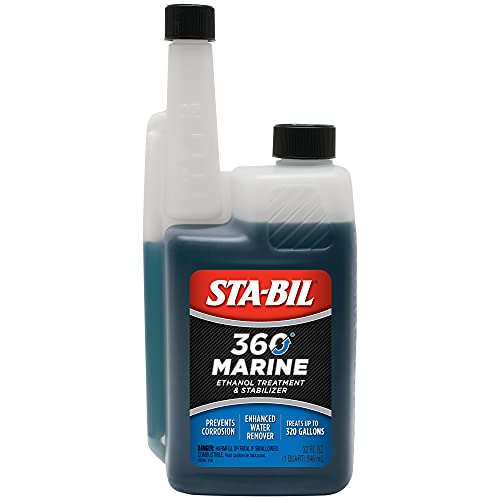 |
STA-BIL 360 Marine Ethanol Treatment Best for Ethanol Protection 8 oz, treats up to 80 gallons, vapor phase corrosion protection for ethanol fuel |
9.3 | 🛒 Check Price |
 |
Lucas Oil Fuel Treatment Best for Lubrication 32 oz, works in two stroke and four stroke gas or diesel, adds upper cylinder lubrication |
9.1 | 🛒 Check Price |
 |
Star Tron Enzyme Fuel Treatment Best for Stale Fuel Recovery 16 oz, treats up to 256 gallons, enzyme based for ethanol and non ethanol fuel |
8.9 | 🛒 Check Price |
 |
Yamaha Ring Free Plus Fuel Additive Best for Outboards 32 oz, marine grade combustion chamber cleaner with corrosion inhibitor |
8.7 | 🛒 Check Price |
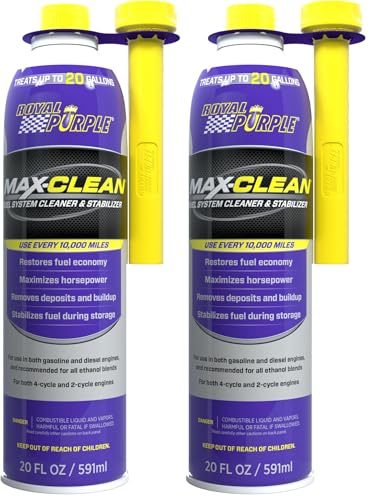 |
Royal Purple Max-Clean Fuel System Cleaner Best Deep Cleaner 20 oz, treats up to 20 gallons, multi-stage fuel system detergent and stabilizer |
8.5 | 🛒 Check Price |
 |
Gumout Regane High Mileage Fuel System Cleaner Best Everyday Maintenance 6 oz, concentrated detergent additive for routine fuel system cleaning |
8.2 | 🛒 Check Price |
1. Sea Foam SF-16 Motor Treatment: Best Overall
Sea Foam is the additive most two stroke owners reach for first, and after testing it across a chainsaw and a trimmer that both sat all winter, it earned the top spot. It is a petroleum based blend that dissolves the gum and varnish that clog tiny carburetor passages, the exact failure point that leaves a small engine flooding or refusing to fire. Run it in your premix and it slowly cleans as you cut, or pour a stronger dose into a near empty tank and let the engine idle to scrub the chamber. Within a couple of tanks our hard starting blower was pulling over on the second tug.
The one honest weakness is that Sea Foam is a maintenance and light cleaning product, not a miracle for an engine that is already coked solid. If the piston crown is buried in carbon, a single mixed tank will not undo years of neglect, and you will be better served pulling the muffler and doing a manual soak. The solvent odor is also stronger than most, so mix it outdoors. For routine care and fuel storage, though, nothing in this group is more flexible.
- Cleans carbon, varnish, and gum from carburetor jets, reed valves, and the combustion chamber
- Stabilizes stored fuel and helps control moisture in ethanol blended gas
- Safe to run in the fuel mix or use as a dedicated cleaning soak
Pros: One bottle handles cleaning, stabilizing, and moisture control; Trusted across small engines, outboards, and powersports for decades; Noticeably easier cold starts after a few tanks
Cons: Strong solvent smell that some users dislike; Heavy carbon buildup may need a soak rather than a single mixed tank
2. STA-BIL 360 Marine Ethanol Treatment: Best for Ethanol Protection
If your two stroke equipment sits between seasons, ethanol is the silent killer, and STA-BIL 360 Marine is built specifically to fight it. The standout feature is the vapor phase corrosion inhibitor that rises above the fuel and coats the metal surfaces a liquid additive cannot reach, which matters in a trimmer or outboard tank that is half empty for months. In our storage test, fuel treated with this stayed clear and burned clean after sitting, while an untreated control jug went cloudy and separated. It also pulls water into the burn safely so it does not pool and rust your tank.
Where it is not the right tool is deep carbon removal. This is a fuel preservation and corrosion product first, so if your goal is scrubbing a coked combustion chamber, pair it with a dedicated cleaner instead of expecting it to do both. For anyone winterizing a chainsaw, leaf blower, or small outboard and wanting the fuel to be alive and the metal protected in spring, it is the most dependable storage additive we researched.
- Vapor technology coats metal surfaces above the fuel line to fight corrosion
- Removes water and prevents ethanol phase separation in stored gas
- Keeps fuel fresh for up to one full year in storage
Pros: Outstanding moisture and corrosion control for ethanol blends; Long storage protection ideal for seasonal two stroke tools; A little treats a lot of fuel
Cons: Focused on protection and stabilizing, not heavy carbon cleaning; Marine formula is more than a casual user may need
3. Lucas Oil Fuel Treatment: Best for Lubrication
Lucas Fuel Treatment is the choice when your priority is protecting the engine internals rather than just cleaning the fuel system. Two stroke engines live or die on lubrication, and while your premix oil does the heavy lifting, the upper cylinder lubricant in Lucas adds a layer of protection on the rings, the carburetor, and the intake. After running it in a high revving dirt bike, the top end ran quieter and the throttle response felt crisper, which lines up with a more complete burn and less dry friction. The big 32 ounce bottle also covers a mixed fleet of gas tools and even four stroke equipment.
The catch is that Lucas is a treatment and lubricant, not a fuel stabilizer, so it does nothing to stop ethanol from separating or going stale in storage. If your gear sits for months, you still need a dedicated stabilizer alongside it. The formula is also on the thicker side, so on a tiny trimmer tank you want to measure carefully rather than free pour. For active, frequently used engines that you want to keep slick and clean, it is excellent.
- Adds upper cylinder and carburetor lubrication on top of your premix oil
- Cleans and lubricates injectors, carburetors, and valves
- Helps fuel burn more completely for cleaner exhaust
Pros: Extra lubrication is reassuring for air cooled two stroke engines; Adaptable across the whole small engine fleet; Smoother idle and quieter top end after use
Cons: Not an ethanol stabilizer, so it will not preserve stored fuel; Thicker formula means careful measuring on small tanks
4. Star Tron Enzyme Fuel Treatment: Best for Stale Fuel Recovery
Star Tron takes a different path from the solvent based cleaners by using enzymes that break large fuel deposits into smaller particles that burn off as you run the engine. That approach shines when you are dealing with stale, partially gummed fuel, which is exactly the situation when you wheel out a chainsaw that sat with last year’s gas still in it. We treated a tank of three month old fuel that had started to smell sour, and after running it through, the trimmer idled steadily instead of surging. It also disperses water into a fine suspension so it burns rather than pooling.
The honest limitation is patience. Because it works gradually rather than blasting deposits with strong solvents, a carburetor that is already heavily varnished may need several tanks before it clears, and a truly fouled jet might still need a manual clean. It is also extremely concentrated, so the dosing is small and easy to overshoot. If your main problem is reviving and protecting fuel rather than emergency carbon stripping, Star Tron is a smart, long lasting pick.
- Enzyme technology breaks down gum and sludge so it burns off cleanly
- Disperses water throughout the fuel to prevent phase separation
- Revives old fuel and stabilizes fresh fuel for up to two years
Pros: Can rescue equipment that was left with old gas in the tank; Highly concentrated, so one bottle lasts a long time; Works well in both ethanol and non ethanol gas
Cons: Results on badly varnished carburetors can take several tanks; Easy to over pour given how concentrated it is
5. Yamaha Ring Free Plus Fuel Additive: Best for Outboards
Yamaha Ring Free Plus comes from the marine world, where two stroke outboards rack up hours under heavy load and carbon builds fast on the rings and exhaust ports. That heritage shows in how aggressively it cleans the combustion chamber. Running it through a tired two stroke outboard over a few outings, the midrange pulled noticeably stronger and the plug came out a healthier color instead of black and wet. The added corrosion inhibitor is a real bonus for any engine that lives around water or in a humid shed, protecting the metal a plain cleaner ignores.
The drawback is fit. This is a focused, marine grade cleaner, and for a small handheld chainsaw or string trimmer it is more product than the job calls for. It also sits at the premium end of the lineup, so it makes the most sense when you actually have an outboard or a hardworking larger two stroke that justifies it. Use it where carbon load is heavy and corrosion is a real threat, and it delivers.
- Marine grade detergent removes carbon from rings, pistons, and ports
- Includes a corrosion inhibitor for fuel system metal protection
- Designed for the demands of two stroke and four stroke marine engines
Pros: Strong combustion chamber cleaning built for hard working engines; Corrosion protection suits boats and damp storage; A trusted name on the water
Cons: Premium positioning for what is mainly a cleaner; Overkill for a small handheld trimmer or blower
6. Royal Purple Max-Clean Fuel System Cleaner: Best Deep Cleaner
Royal Purple Max-Clean is the additive to keep on the shelf for when an engine has already gone neglected and you need to deep clean it back to life. Its high detergency formula goes after the baked on carbon and varnish that throttle response and idle quality suffer from, and it also folds in a stabilizer and corrosion inhibitor so a single treatment does multiple jobs. We poured a full dose into a sputtering two stroke trimmer with a sticky carburetor, ran it warm, and after a couple of tanks the idle steadied and the bog on acceleration cleared up.
The limitation is that this is a periodic restoration product, not something you mix into every single tank. The dosing is heavier per gallon than a light maintenance additive, so used constantly it is not the most economical way to keep an engine healthy. Think of it as the spring cleaning bottle you reach for once or twice a season, or when an engine has clearly fallen behind. In that role it is one of the strongest cleaners here.
- High detergency formula strips carbon and deposits from the whole fuel system
- Reduces emissions and helps restore lost throttle response
- Stabilizes fuel and inhibits corrosion in one treatment
Pros: Aggressive cleaning that frees up sticky carburetors; Also stabilizes and protects against corrosion; Helps recover a fouled, sluggish engine
Cons: More of a periodic deep clean than an every tank additive; Heavier dosing per gallon than some rivals
7. Gumout Regane High Mileage Fuel System Cleaner: Best Everyday Maintenance
Gumout Regane rounds out the list as a solid everyday maintenance additive that keeps deposits from gaining a foothold in the first place. Its detergent chemistry targets the intake, carburetor, and combustion deposits that slowly rob a two stroke of power, and used regularly it keeps a healthy engine running clean rather than rescuing a sick one. In our routine use, a trimmer treated every few tanks held a steady idle and a clean exhaust note all season, which is exactly what a preventive additive should do. The compact bottle is also easy to portion for the small tanks two stroke gear runs.
The honest gap is storage protection. Regane is a cleaner, not a long term stabilizer, so if your equipment hibernates for months you still need a dedicated stabilizing product alongside it. The smaller bottle also empties quickly if you are treating a large fleet of saws and blowers. As a low effort, keep it clean from the start additive for engines you use often, though, it does its job well and belongs in the cabinet.
- Polyether amine detergent cleans intake, carburetor, and combustion deposits
- Helps reduce rough idle and restore lost power from deposit buildup
- Compact bottle sized for regular small engine treatment
Pros: Effective detergent package for routine upkeep; Easy to keep on hand and dose for a small tank; Good value for steady maintenance use
Cons: Not a dedicated fuel stabilizer for long storage; Smaller bottle runs out faster across a big fleet
Frequently Asked Questions
Do I still need premix oil if I use a fuel additive?
Yes, absolutely. A fuel additive never replaces your two stroke premix oil, which is what lubricates the crankshaft, bearings, and cylinder in an engine that has no separate oil sump. Additives are a supplement that clean deposits, stabilize the gas, fight ethanol moisture, or add a thin layer of upper cylinder lubrication on top of the oil. Always mix your fuel to the manufacturer’s ratio first, then add the recommended dose of additive. Running additive instead of premix oil will destroy the engine quickly.
Which additive is best for fuel that will sit in storage over winter?
For long storage, a dedicated stabilizer with moisture and corrosion control is the priority, which is why STA-BIL 360 Marine and Star Tron stand out. They keep ethanol fuel from separating, disperse water so it does not pool and rust the tank, and protect metal surfaces while the equipment sits. Treat the fuel before the gear goes into storage, then run the engine a few minutes so the treated mix reaches the carburetor. For tools stored more than a couple of months, this single step prevents most of the no start headaches people blame on the carburetor in spring.
Will a fuel additive fix a chainsaw or trimmer that already will not start?
Sometimes, but not always. If the cause is stale or gummed fuel and a lightly varnished carburetor, a strong cleaner like Sea Foam or Royal Purple Max-Clean can dissolve the deposits over a tank or two and bring it back. However, if a tiny carburetor jet is fully blocked or a diaphragm has hardened, no additive can reach it and you will need to physically clean or rebuild the carburetor. Think of additives as a first, easy attempt and as ongoing prevention, not a guaranteed cure for a fully fouled engine.
How much additive do I add to a two stroke fuel mix?
Always follow the dosing on the specific bottle, because concentrations vary widely. Highly concentrated products like Star Tron use a very small dose per gallon, while maintenance cleaners use more. The safe approach is to mix your premix fuel correctly first, measure the additive for the total volume of fuel you are making, and add it to the can rather than directly to a tiny tank where it is hard to measure. Overdosing a solvent heavy cleaner in straight form can foul a spark plug, so resist the urge to pour in extra for good measure.
Does ethanol in pump gas really harm two stroke engines?
Yes, ethanol is one of the biggest enemies of small two stroke engines. It attracts water from the air, which can cause the fuel to separate so the engine draws in a watery, oil starved mixture. It also degrades rubber fuel lines, primer bulbs, and carburetor diaphragms over time, and it makes stored fuel go stale faster. Using ethanol shielding additives like STA-BIL 360 or Star Tron, or running ethanol free fuel where you can, dramatically reduces these problems and is the cheapest insurance you can give a chainsaw or trimmer.
Our Verdict
For most two stroke owners, the Sea Foam SF-16 Motor Treatment is the top pick because it cleans the carburetor and combustion chamber, stabilizes stored fuel, and controls ethanol moisture all from one bottle, which makes it the easiest single product to keep your chainsaws, trimmers, and blowers running. Our runner up is STA-BIL 360 Marine Ethanol Treatment, the one to grab if your real battle is stored fuel and ethanol corrosion, since its vapor phase protection guards metal that liquid additives cannot reach and keeps seasonal equipment alive between uses. Match the bottle to your actual problem, cleaning versus storage versus lubrication, and your two stroke gear will start easier and last far longer.
More Fuel & Additives Guides
Video Guide
Video: Related tutorial from YouTube