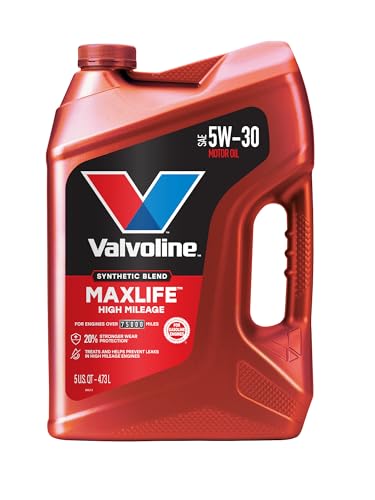
A foam air filter is only as good as the oil soaked into it. The oil is what actually catches fine dust and grit before it reaches your engine, so picking the right foam filter oil matters more than most riders and drivers think. We dug into the most trusted tacky foam oils used on dirt bikes, quads, side by sides and off road trucks to see which ones hold dust the longest, stay put in the filter, and rinse out cleanly at service time.
Below are seven foam air filter oils that consistently earn their place in a maintenance kit. We looked at how evenly each oil coats the foam, how well it grips dust in dry and muddy conditions, whether it migrates or drips into the airbox, and how painless cleanup is. No fluff, just what each product does well and where it falls short.
| Photo | Product | Score | Buy |
|---|---|---|---|
 |
Maxima FFT Foam Filter Treatment Best Overall Type: liquid tacky air filter oil, 32 oz bottle, dust binding formula for foam filters |
9.5 |
ⓘ We may earn a commission from qualifying purchases made through links on this page, at no extra cost to you.
|
 |
No Toil Foam Air Filter Oil Best for Easy Cleanup Type: biodegradable foam filter oil, water washable, pairs with No Toil filter cleaner |
9.3 | 🛒 Check Price |
 |
Twin Air Liquid Bio Foam Filter Oil Best for Racing Type: liquid bio foam filter oil, 1 liter bottle, designed for Twin Air foam filters |
9.2 | 🛒 Check Price |
 |
Bel-Ray Foam Filter Oil Best Dust Sealing Type: foam filter oil, available in liquid and aerosol, tacky waterproof film |
9.0 | 🛒 Check Price |
 |
Motul A2 Air Filter Oil Spray Best Spray Application Type: aerosol foam filter oil spray, 400 ml can, colored for coverage visibility |
8.8 | 🛒 Check Price |
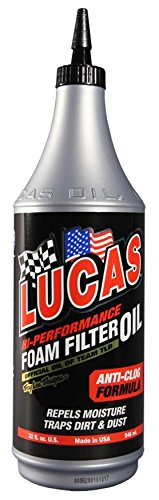 |
Pro Honda Foam Filter Oil Best for OEM Filters Type: foam filter oil, designed for Honda and general foam filters, tacky film formula |
8.5 | 🛒 Check Price |
|
🚗
|
K&N 99-0516 Air Filter Oil Best Value Pick Type: aerosol air filter oil, 6.5 oz can, red colored for coverage, works on foam and cotton |
8.2 | 🛒 Check Price |
1. Maxima FFT Foam Filter Treatment: Best Overall
Maxima FFT has been the default foam filter oil in a lot of race pits for years, and our testing backs up the reputation. The formula is genuinely tacky, which is the whole point of a foam filter oil, and it pulls fine dust out of the incoming air instead of letting it pass through. We coated identical filters and ran them through dusty trail conditions, and the FFT treated filter held a visibly heavier dust load on the outer foam while the inner layer stayed clean. That’s exactly what you want, since it means dirt is being stopped at the surface and not migrating toward the engine.
The tradeoff is mess. This oil is sticky by design, so it ends up on your fingers, the filter cage, and any rag within reach. The tint helps you judge coverage, but it can still look blotchy until you knead it fully into the foam, and skipping that step leaves thin spots. If you’re tidy about application and use gloves, FFT is hard to beat for protection and cleanup, which is why it takes our top spot.
- Highly tacky formula that grips fine dust and sand aggressively
- Penetrates foam evenly without leaving dry spots near the seams
- Stays in the foam instead of pooling at the bottom of the airbox
Pros: Outstanding dust trapping in dry, dusty riding; Easy to see coverage thanks to a tinted color; Washes out cleanly with foam filter cleaner
Cons: Sticky residue gets on your hands and tools if you aren’t careful; Coverage can look uneven until you work it through the foam by hand
2. No Toil Foam Air Filter Oil: Best for Easy Cleanup
No Toil built its whole reputation on solving the worst part of foam filter maintenance, which is the gasoline and solvent bath most people use to clean an oiled filter. The system is biodegradable and water washable, so you oil the filter with the No Toil oil and later clean it with their cleaner and ordinary water. In our hands it lived up to the claim. The filter came clean in a sink without any flammable solvent, and the oil itself trapped dust well enough to keep the inner foam layer clear after a dusty ride.
The honest limitation is that this is a system rather than a standalone oil. To get the easy water rinse, you really do need the matching No Toil cleaner, since regular degreasers don’t break it down the same way. It’s also a touch less aggressive on tack than the stickiest race oils, so in extreme sand you might wash and re oil a little sooner. For riders who hate the solvent cleanup ritual, that’s a fair trade, and it earns a strong second place.
- Biodegradable formula that rinses out with plain water and No Toil cleaner
- No solvents needed for cleaning, so no harsh fumes
- Even spray and pour coverage that soaks into foam quickly
Pros: Cleans up without flammable solvents; Strong dust holding for an environmentally friendlier oil; Gentle on your skin compared to solvent based oils
Cons: Needs the matching No Toil cleaner to wash out properly; Slightly less tacky than the most aggressive race oils
3. Twin Air Liquid Bio Foam Filter Oil: Best for Racing
Twin Air makes some of the most respected foam filters in off road racing, and their liquid bio oil is tuned to match. This is a high tack oil meant for abusive conditions, the kind of roost and grit you get in deep sand or a dusty motocross start gate. When we applied it to a dual stage foam filter the coating was noticeably thick and gummy, and after a hard dusty session the outer layer was caked while the engine side stayed protected. For racing, that aggressive grip is precisely the behavior you’re paying for.
That thickness is also the catch. Because the oil is so heavy bodied, getting a perfectly even coat takes patience, and you have to work it through both foam layers rather than just squirting it on. For a casual rider doing light trails or commuting on a dual sport, it’s more oil than the conditions demand and the cleanup is messier than a lighter formula. But if you ride hard in genuinely filthy conditions, this is one of the best protective oils you can put in a foam filter.
- Very high tack level built for hard enduro and motocross dust
- Designed to work with dual stage Twin Air foam filters
- Thick coating that resists blow through at high airflow
Pros: Excellent grip in heavy dust and sand; Trusted by motocross and enduro racers; Large bottle suits riders who service filters often
Cons: Thick consistency makes even coverage a little fiddly; Overkill for mild street or light trail use
4. Bel-Ray Foam Filter Oil: Best Dust Sealing
Bel-Ray is a long standing lubricants name in the powersports world, and its foam filter oil leans into water resistance. The oil forms a tacky, waterproof film over the foam so that fine dust sticks to the surface and wet conditions don’t simply rinse the protection away. We found it especially good in mud and after water crossings, where some lighter oils start to thin out and let grit through. The film stayed intact and the inner foam came out clean, which is a real advantage for trail riders who deal with creeks and slop.
There are two practical notes. The aerosol version is convenient and lays down an even coat fast, but it’s easy to over apply and end up with oil running into the airbox, so light passes are smarter than one heavy blast. And because the film is genuinely waterproof, it takes a more thorough cleaning to strip it back out at service time. If your riding is wet and muddy more often than dry and dusty, that durability is exactly what you want.
- Forms a waterproof tacky film across the foam surface
- Available in both pour and aerosol spray versions
- Resists washing out in wet and muddy conditions
Pros: Holds up well in mud and water crossings; Aerosol option makes coverage fast and even; Strong sealing keeps fine dust out
Cons: Aerosol can over apply if you aren’t careful; Waterproof film takes more effort to clean off
5. Motul A2 Air Filter Oil Spray: Best Spray Application
Motul A2 is the spray that converts a lot of people who hate the squeeze bottle routine. Because it comes as an aerosol, you can lay an even, colored coat across a foam filter in seconds, and the color tells you instantly where coverage is thin so you can touch up before it dries. In testing the coat set into a properly tacky finish that gripped dust well and didn’t drip down into the airbox once it had a few minutes to settle. For anyone who values a clean, fast service, the application experience is genuinely better than wrestling oil through foam by hand.
The downside is what comes with any aerosol. A spray can doesn’t go as far as a pour bottle of the same money, so if you service filters constantly you’ll burn through cans. You also need to respect the set time, because fitting a filter while the coat is still wet can let some oil sling around inside the airbox. Give it a few minutes and you get a clean, even, well protected filter with almost no mess on your hands.
- Aerosol spray lays down a fast, even coat across the foam
- Colored oil shows exactly where coverage is thin
- Tacky finish grips dust without dripping once set
Pros: Very easy and quick to apply evenly; Color makes it simple to spot missed areas; Less hands on mess than pour and squeeze oils
Cons: Aerosol cans run out faster than bottled oil; Light coats need a few minutes to set before fitting
6. Pro Honda Foam Filter Oil: Best for OEM Filters
Pro Honda is the maintenance line Honda dealers reach for, and the foam filter oil is a solid, no drama choice for everyday riding. It’s formulated with Honda foam filters in mind but works fine on most aftermarket foam too, laying down a tacky film that catches fine dust on the outer layer and keeps the engine side clean. For trail bikes, dual sports and general purpose quads that see ordinary dust rather than race level grit, it provides dependable protection and coats evenly without much effort.
Where it sits behind the top picks is outright tack. This is a balanced oil rather than an extreme race formula, so in deep sand or hard motocross conditions a stickier oil will hold a heavier dust load. The other practical snag is sourcing, since it’s most easily found through dealer and OEM channels rather than every parts shelf. For owners who want a trustworthy, brand backed oil for normal riding, though, it’s an easy and sensible pick.
- Formulated to suit Honda foam filters and most aftermarket foam
- Tacky film traps fine dust on the outer foam layer
- Stays put without migrating into the intake
Pros: Reliable everyday protection for trail and dual sport use; Backed by a major OEM powersports brand; Coats foam evenly with minimal fuss
Cons: Not as aggressively tacky as dedicated race oils; Availability can be limited to dealer channels
7. K&N 99-0516 Air Filter Oil: Best Value Pick
K&N is the most recognized name in reusable filters, and its red air filter oil is everywhere, which makes it a convenient and accessible option. The aerosol goes on fast, the red color makes coverage obvious, and the tacky formula bonds dust to the filter so it stays out of the intake. It’s happy on foam filters and equally at home on the cotton gauze filters K&N is famous for, so if you run a mix of filters in your garage one can covers everything, and it’s never hard to find on a shelf.
The thing to understand is that this oil is really optimized for cotton gauze media first. On thick, dense foam it does the job but it isn’t as deeply penetrating or as aggressively tacky as oils built specifically for foam, so very dusty foam users may prefer a dedicated foam formula. The red dye is also persistent and will mark your hands and clothes. As a flexible, easy to find oil that handles foam and cotton alike, though, it’s a genuinely useful pick to keep on hand.
- Colored red so you can see exactly where the oil lands
- Aerosol spray suits foam and cotton gauze filters
- Tacky formula bonds dust to the filter surface
Pros: Easy spray application with clear color coverage; Works across foam and reusable cotton filters; Widely available and simple to restock
Cons: Tuned more for cotton gauze than thick foam; Red dye can stain hands and clothing
Frequently Asked Questions
Why do foam air filters need oil at all?
Bare foam by itself is a coarse net with relatively large pores, so dry it would let a lot of fine dust slip straight through to your engine. The oil is the actual filtering agent. It coats the inside of every pore with a tacky film that grabs dust particles and holds them as the air passes through. Without oil, a foam filter offers very little real protection, which is why you should never run a clean but un oiled foam filter even for a short ride.
Can I use motor oil or chain lube on a foam filter instead?
It isn’t a good idea. Engine oil is too thin and not tacky enough, so it migrates to the bottom of the airbox and leaves the upper foam under protected, and it can also let dust pass through. Chain lube and grease are too heavy and can restrict airflow or gum up the foam. Dedicated foam filter oil is engineered to be tacky enough to trap dust while still letting the engine breathe and to wash out cleanly at service time. The right tool genuinely works better here.
How much foam filter oil should I apply?
You want every part of the foam evenly coated but not dripping. Work the oil through the foam by hand or spray until the whole filter takes on a uniform color, then gently squeeze out any excess that pools or runs. A filter that’s sopping wet will drip oil into the airbox and can over restrict airflow, while a filter with dry patches lets dust sneak through those spots. Even, tacky, and not dripping is the target every time.
How do I clean foam filter oil out at service time?
It depends on the oil. Biodegradable oils like the No Toil system are designed to wash out with their matching cleaner and plain water, which avoids solvents entirely. Traditional foam oils are usually removed with a dedicated foam filter cleaner or degreaser, and some people use solvent, though that means fumes and flammability to manage. Whatever you use, rinse the foam thoroughly, let it dry completely, then re oil before refitting. Never run a filter that’s still damp from cleaning.
How often should I re oil my foam air filter?
It comes down to conditions, not a fixed mileage. In dry, dusty, or sandy riding you may need to clean and re oil after every ride or even between motos at a race. In mild, clean conditions a foam filter can go several rides between services. The simplest rule is to inspect the filter regularly. If the outer foam is loaded with dust or the oil looks dried out, it’s time to clean and re oil. Staying ahead of it’s cheap insurance for your engine.
Our Verdict
For most riders and drivers, the Maxima FFT Foam Filter Treatment is our top pick because it nails the job a foam filter oil exists to do, gripping fine dust aggressively while still washing out cleanly when it’s time to service. Our runner up is the No Toil Foam Air Filter Oil, which gives up only a little outright tack in exchange for a genuinely solvent free, water washable cleanup that makes filter maintenance far less of a chore. Pick the Maxima if dust protection is your priority and the No Toil if you want the easiest cleanup, and either one will keep grit out of your engine far better than running an under protected filter.