A dead phone and a pitch-black shoulder of the highway is a bad place to learn that your glovebox flashlight died two summers ago. The right emergency flashlight lives in your car for years, survives heat soak in July and freezing nights in January, and turns on the instant you press it. For a car kit that means more than raw lumens. You want reliable power, a beam that throws far enough to flag down traffic or inspect an engine bay, and ideally bonus tools like a seatbelt cutter, a glass breaker tip, or a red blinking signal mode.
We focused on flashlights people actually keep in their vehicles, not delicate everyday-carry lights that hate being left in a hot console. The picks below balance run time, ruggedness, and roadside usefulness. Some run on swappable AA or AAA cells so you’re never stranded by a flat internal battery, while others pack rechargeable cells and a built-in power bank. Here are the seven we trust most for a car emergency kit.
| Photo | Product | Score | Buy |
|---|---|---|---|
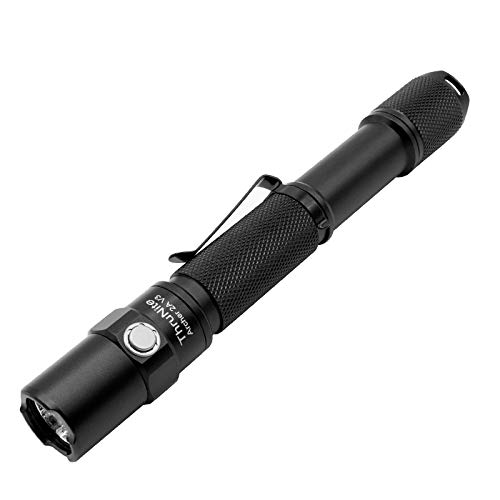 |
ThruNite Archer 2A V3 Best Overall 500 lumens, 2x AA, IPX8 waterproof, dual side switches |
9.5 |
ⓘ We may earn a commission from qualifying purchases made through links on this page, at no extra cost to you.
|
 |
Olight Warrior 3S Brightest Beam 2300 lumens, rechargeable 21700, magnetic charging, IPX8 |
9.3 | 🛒 Check Price |
 |
Streamlight ProTac 2L-X Most Durable 500 lumens, dual fuel CR123A or rechargeable, IPX7, aircraft aluminum |
9.2 | 🛒 Check Price |
 |
Energizer Tactical LED Flashlight Best Value 1200 lumens, 4x AA, IPX4 water resistant, impact resistant |
9.0 | 🛒 Check Price |
 |
Anker Bolder LC90 Best Rechargeable 900 lumens, USB rechargeable 18650, IP65, zoomable beam |
8.7 | 🛒 Check Price |
 |
GearLight S1000 LED Flashlight Best Two-Pack Compact zoomable, 3x AAA or 18650, water resistant, sold in pairs |
8.4 | 🛒 Check Price |
|
🚗
|
LE LED Flashlight Rechargeable with Power Bank Most Flexible 1000 lumens, rechargeable, USB power bank output, zoomable, IPX4 |
8.2 | 🛒 Check Price |
1. ThruNite Archer 2A V3: Best Overall
The ThruNite Archer 2A V3 earns the top spot because it does the one thing a car flashlight must do above all else: it turns on when you need it. Running on two standard AA batteries, it sidesteps the biggest weakness of rechargeable lights left in a vehicle, the slowly self-discharging internal cell. If the batteries are flat you swap in a fresh pair from a gas station, a drawer, or your remote control, and you’re back in business. The 500 lumen high beam throws far enough to flag traffic or inspect under the hood, while the firefly and low modes stretch run time for hours of close work.
The honest weakness is that it’s a pure flashlight, with no glass breaker tip, seatbelt cutter, or red signal mode, so it doesn’t double as a rescue tool the way some kit-specific lights do. Output also tapers on alkaline cells as they drain, and for sustained brightness you’ll want to feed it lithium or NiMH AAs. For most drivers, though, the simplicity and AA reliability are exactly what an emergency light should be, which is why it’s our overall winner.
- Runs on two common AA batteries you can buy anywhere
- Four output levels plus firefly, strobe, and a memory mode
- Dual side switches for quick mode and on or off control
Pros: AA power means you’re never stuck with a dead internal cell; Genuinely tough aluminum body that shrugs off glovebox abuse; Long, usable run time on the lower outputs
Cons: No built-in glass breaker or seatbelt cutter; Top output drops as alkaline AAs drain
2. Olight Warrior 3S: Brightest Beam
If you want a flashlight that lights up the whole scene, the Olight Warrior 3S is the brightest pick on this list. Its 2300 lumen turbo mode floods a dark roadside or a wide stretch of highway, which is exactly what you want when you need oncoming drivers to see you from a distance. The magnetic charging cable snaps to the tail with no fragile USB port to corrode in a humid trunk, and the built-in magnet lets you stick the light to the underside of a raised hood for hands-free work. The dual switch layout is fast and intuitive even in a panic.
The trade-off, and the reason it sits just behind our AA-powered winner, is the rechargeable battery. A light left untouched in a car for several months can lose meaningful charge, so this is a flashlight you need to top up on a schedule rather than ignore for a year. Turbo also heats up and steps down to protect the LED, which is normal for this output class but worth knowing. Keep it charged and it’s a phenomenal roadside beam.
- 2300 lumen turbo throws a long, wide beam down the road
- Magnetic tail cap charging with no exposed port to corrode
- Tactical tail switch with proximity sensor to prevent overheating
Pros: Enormous output for signaling and long-range visibility; Convenient magnetic charging dock and a strong tail magnet; Rugged, well-built body rated for drops and water
Cons: Rechargeable cell can self-drain if stored unused for months; Turbo output generates real heat and steps down over time
3. Streamlight ProTac 2L-X: Most Durable
Streamlight builds lights for police and first responders, and the ProTac 2L-X brings that reputation to your glovebox. The standout feature for a car kit is the dual fuel design: it runs on long shelf life CR123A lithium cells, which hold their charge for years and laugh at temperature swings, or on the included rechargeable USB battery when you want the convenience of topping it up. The 500 lumen output is plenty for roadside work, and the programmable switch lets you set up the exact mode sequence you want so you aren’t strobing when you meant to go bright.
The catch is the battery format. CR123A cells deliver fantastic shelf life, which is ideal for an emergency light, but they’re harder to find on short notice than AA batteries if you ever run dry away from home. There’s also no glass breaker or cutter built in, so this is a serious flashlight rather than a multi-tool. For drivers who value military-grade toughness and shelf-stable power, it’s hard to beat.
- Dual fuel design runs on CR123A cells or a rechargeable USB battery
- Programmable interface with high, low, and strobe combinations
- Anodized aircraft aluminum body built to professional standards
Pros: Extremely durable, proven on duty belts and in tough conditions; Dual fuel flexibility for long shelf life or rechargeable convenience; Pocket clip and compact size are easy to stash in a console
Cons: CR123A spare cells are less common than AA batteries; No dedicated emergency tools like a glass breaker
4. Energizer Tactical LED Flashlight: Best Value
For drivers who want bright, dependable light without overthinking it, the Energizer Tactical LED is the smart value pick. It pushes a strong 1200 lumen output yet runs on four standard AA batteries, the single most available cell type on the planet, which means you can refuel it almost anywhere. The mode set is well chosen for a car, with high and low for general use plus a true SOS signal pattern that can flash for help if you’re stranded. It comes from a battery company that has been making reliable power for generations, and that shows in the easy, no-drama operation.
The compromise that keeps it out of the top tier is weather sealing. At IPX4 it handles rain and splashes fine, but it isn’t built to be dropped in a flooded ditch the way the IPX7 and IPX8 lights above are. The beam is also more functional than refined, with a less polished hotspot than premium options. None of that matters much for a glovebox light you grab a few times a year, and the combination of brightness, AA convenience, and value is excellent.
- High output that runs on four widely available AA batteries
- Five light modes including high, low, strobe, and SOS signal
- Impact resistant housing designed to survive drops and rough handling
Pros: Strong brightness from a trusted battery brand at great value; AA cells are easy to find and replace anywhere; Built-in SOS mode adds a genuine emergency signal
Cons: Only IPX4, so it resists splashes but not full submersion; Beam quality isn’t as refined as premium enthusiast lights
5. Anker Bolder LC90: Best Rechargeable
The Anker Bolder LC90 makes the most sense for people who keep their car gear charged and want to skip buying batteries. Its 18650 cell recharges over a standard USB cable, so you can top it off from the same car charger that powers your phone, and a single charge delivers a long run time at the everyday brightness levels. The zoomable head is the headline feature for a vehicle kit: spread the beam wide to light up a whole engine bay or cabin, then twist it to a tight column to spot a road sign or signal far down the highway. Five modes, including strobe and SOS, round out a genuinely useful tool.
The familiar rechargeable caveat applies, and it’s the reason this sits in the middle of the pack rather than the top. An internal battery left in a hot or cold car for months will lose charge, so this light rewards drivers who actually maintain their kit. The zoom mechanism, while handy, also has a sliding head that can gradually admit dust over years of glovebox life. Keep it charged and clean and it’s a flexible, wallet-friendly performer.
- USB rechargeable so you can top it up from any car charger
- Zoomable head adjusts from a wide flood to a focused long throw
- IP65 rating shields against dust and water jets
Pros: Recharges easily from a phone cable or car USB port; Adjustable zoom covers both close work and distance; Bright, even beam with five practical modes
Cons: Internal cell needs periodic recharging during storage; Zoom mechanism can let in dust over years of use
6. GearLight S1000 LED Flashlight: Best Two-Pack
The GearLight S1000 is the practical choice when you have more than one vehicle, or you want a backup that lives in a backpack or kitchen drawer. It ships as a two-pack, so you can stash one in each car and never be the person who borrowed the only flashlight and forgot to return it. Each light is compact and zoomable, sliding from a broad flood to a focused beam, and runs on three easy-to-find AAA batteries, with the option to step up to an 18650 cell for longer run time. Five modes cover general use plus a strobe for signaling.
It’s the most modest performer on this list in terms of raw output and build quality, and that’s the honest trade for getting two lights. The peak brightness doesn’t match the premium single lights, and the housing, while water resistant and drop tolerant, feels more budget than bombproof in the hand. But for sheer practicality, having a capable, AAA-powered flashlight in every vehicle you own is a genuinely smart way to build out an emergency kit.
- Comes as a pair so you can keep one in each vehicle
- Zoomable beam and five modes including a strobe signal
- Runs on three AAA batteries or an optional 18650 cell
Pros: Two lights mean a spare for a second car or a friend; Compact and light enough to clip almost anywhere; Flexible power using common AAA batteries
Cons: Lower peak output than the brighter single lights here; Plastic and alloy build feels less premium up close
7. LE LED Flashlight Rechargeable with Power Bank: Most Adaptable
The LE Rechargeable Flashlight stands out because it tackles the other emergency that strands drivers: a dead phone. Built around a rechargeable cell with a USB output port, it can pour some of its charge back into your phone, which can be the difference between calling for help and waiting in the dark. As a flashlight it’s no slouch either, with a 1000 lumen zoomable beam that flexes from wide flood to focused throw, plus an SOS mode for signaling. You recharge the whole thing over USB from your car or any wall adapter, so it slots easily into a modern kit.
The versatility comes with an obvious tension, and it’s why this is a complement rather than your only light. Every bit of charge you send to your phone is charge the flashlight no longer has, so in a long emergency you have to choose between light and a phone call. The IPX4 rating also means it shrugs off rain but not a soaking, and the beam is good rather than class-leading. As a do-it-all backup that can rescue a dead phone, though, it adds real confidence on the road to any car.
- Doubles as a power bank to recharge a dead phone in an emergency
- Zoomable head and multiple brightness modes plus SOS
- USB recharging from any car or wall adapter
Pros: Phone-charging power bank function is a real roadside lifesaver; Bright zoomable beam handles both flood and throw; Easy USB recharging with no special cradle needed
Cons: Using it as a power bank drains its own light run time; IPX4 sealing handles splashes but not submersion
Frequently Asked Questions
Should a car emergency flashlight use rechargeable or replaceable batteries?
For a flashlight that lives in your car and may sit untouched for months, replaceable batteries like AA or CR123A are the safer bet, because a rechargeable internal cell slowly self-discharges and can be flat the moment you need it. Standard AA cells are available almost everywhere, and CR123A lithium cells hold their charge for years and tolerate heat and cold well. Rechargeable lights are brighter and cheaper to run over time, but only if you actually remember to top them up on a schedule. Many drivers keep a replaceable-battery light as their primary and a rechargeable one as a brighter backup.
How many lumens do I need for a car emergency flashlight?
For most roadside tasks, a flashlight in the 300 to 1000 lumen range is the sweet spot. Around 300 to 500 lumens is plenty for changing a tire, reading a map, or inspecting an engine bay, and it gives you longer run time. If you want to flag down traffic from a distance or light up a wide, dark stretch of road, a higher output of 1000 lumens or more helps you be seen. More lumens aren’t always better, because high output drains batteries faster and runs hotter, so look for a light with multiple modes that lets you choose brightness based on the task.
Can a flashlight survive being left in a hot or freezing car?
Quality LED flashlights with aluminum bodies handle temperature extremes well, but the battery inside is the weak link. Heat accelerates the self-discharge of rechargeable lithium cells and can shorten their lifespan, while extreme cold temporarily reduces the output of any battery. This is another reason many people choose CR123A lithium or AA-powered lights for a car, since those chemistries cope better with a baking trunk or a frozen winter night. Whatever you choose, check it a couple of times a year, and avoid leaving loose lithium batteries rattling around in direct sunlight.
Do I need a flashlight with a glass breaker and seatbelt cutter?
A built-in glass breaker and seatbelt cutter can be genuinely lifesaving if you’re ever trapped after an accident or submerged in water, so many drivers like having that capability in their kit. Still, the best dedicated escape tools are usually separate, purpose-built devices kept within arm’s reach of the driver, not buried in a glovebox flashlight you can’t reach in a crash. A practical approach is to carry a strong, reliable flashlight for everyday roadside needs and a dedicated escape tool mounted near your seat, rather than expecting one product to do both jobs perfectly.
What features make a flashlight best for a car kit specifically?
Beyond brightness, the features that matter most in a car are reliable power that won’t be dead when you need it, a rugged water-resistant body, and a tail or side magnet so you can stick the light to metal and work hands-free. An SOS or strobe signal mode helps you be seen by passing traffic, and a beam you can adjust from wide flood to focused throw covers both close repairs and long-distance signaling. A pocket clip or compact size keeps it from rolling around the cabin, and easy one-button operation matters when you’re stressed on a dark shoulder.
Our Verdict
Our top pick is the ThruNite Archer 2A V3, because the most important quality in an emergency light is that it works the instant you need it, and AA power plus a tough body delivers exactly that with no charging schedule to forget. If you want maximum brightness to light up a whole roadside and signal traffic from a distance, the Olight Warrior 3S is our runner up, as long as you keep its rechargeable cell topped up. Whichever you choose, store fresh batteries with it and test it twice a year so it’s ready when it matters most.