Engine sludge is the thick, tar-like gunk that builds up when oil oxidizes and stops draining properly. Left alone it blocks oil passages, sticks piston rings and starves your top end of lubrication. A good engine sludge cleaner, usually a crankcase flush you pour in before an oil change, loosens that deposit so it drains out with the old oil instead of baking onto your bearings.
We worked through the most popular flushes and cleaners car owners actually buy, judging them on how aggressively they dissolve varnish, how gentle they’re on seals, and whether the maker is honest about run time and risk. High-mileage engines need a milder touch, while neglected motors need real solvency. Below are the seven we trust most, ranked best first, with the honest weak spots for each.
| Photo | Product | Score | Buy |
|---|---|---|---|
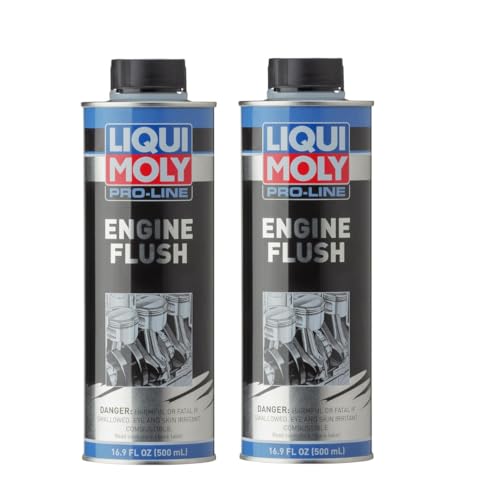 |
Liqui Moly Pro-Line Engine Flush Best Overall Type: Pour-in crankcase flush, treats roughly 5 liters of oil, 10 to 15 minute idle run |
9.5 |
ⓘ We may earn a commission from qualifying purchases made through links on this page, at no extra cost to you.
|
 |
Sea Foam Motor Treatment SF-16 Most Multi-purpose Type: Multi-use treatment for crankcase, fuel and intake, petroleum-based, safe to leave in oil |
9.3 | 🛒 Check Price |
 |
BG EPR Engine Performance Restoration 109 Best for Stuck Rings Type: Pre-oil-change crankcase cleaner, 11 oz can, short idle then drain |
9.2 | 🛒 Check Price |
 |
Lucas Oil Engine Oil Stop Leak and Flush 10638 Best for High Mileage Type: Pour-in flush, 1 quart bottle, run before draining old oil |
9.0 | 🛒 Check Price |
 |
Archoil AR9100 Friction Modifier and Cleaner Best Long-Term Treatment Type: Oil additive treatment, 16 oz bottle, stays in the oil rather than drained out |
8.8 | 🛒 Check Price |
 |
Gunk Motor Flush MF3 Best Value Type: Pour-in flush, treats a standard oil change, short idle then drain |
8.5 | 🛒 Check Price |
 |
Marvel Mystery Oil MM13R Best Gentle Soak Type: Oil and fuel additive, 32 oz bottle, added to crankcase or fuel for slow cleaning |
8.2 | 🛒 Check Price |
1. Liqui Moly Pro-Line Engine Flush: Best Overall
Liqui Moly Pro-Line is the flush we reach for first because it actually does the hard job: dissolving baked-on varnish and sludge from inside the engine rather than just thinning the surface oil. You add it to warm oil, idle for ten to fifteen minutes, then drain and change the oil and filter. On a moderately dirty motor the difference on the dipstick and inside the oil cap is obvious, and the loosened gunk leaves with the old oil instead of redepositing.
The honest weakness is the flip side of its strength. Because it works hard, using it on an engine that has been badly neglected for years can free large chunks of deposit at once, and that material has to go somewhere. On a high-mileage motor with weak seals or a partially blocked pickup, an aggressive flush can occasionally reveal a leak or clog a fine screen. Use it as a maintenance step on a reasonably cared-for engine and it’s superb. On a true horror case, go slower with multiple gentler treatments first.
- Professional-grade active solvents dissolve sludge and varnish from oil galleries
- Designed to keep loosened deposits suspended so they drain with the old oil
- Compatible with both gasoline and diesel engines
Pros: Strong, genuinely effective cleaning that mechanics actually use in shops; Cleans hidden passages and lifters, not just visible surfaces; Trusted German formulation with consistent batch quality
Cons: Aggressive enough that a very neglected engine can shed debris and clog a screen; One bottle treats a single oil change, so cost per use adds up on big sumps
2. Sea Foam Motor Treatment SF-16: Most Flexible
Sea Foam is the Swiss Army knife of the group and our pick when you want cleaning without drama. Pour a portion into the crankcase before an oil change to slowly dissolve oil deposits, put the rest in the fuel tank to clean injectors, and you have covered two jobs with one bottle. Because it’s a straight petroleum product rather than a harsh detergent cocktail, it’s gentle on gaskets and seals, which makes it a sensible choice for tired older engines that a strong flush might upset.
That gentleness is also the catch. On a thickly sludged engine, Sea Foam works more like a slow soak than a power wash, so one treatment won’t strip years of varnish in fifteen minutes. The realistic approach is to run it over the last few hundred miles of an oil interval, change the oil, and repeat over a couple of cycles. Patient owners get great results. Anyone expecting a single bottle to transform a neglected motor overnight will be disappointed.
- Works in the crankcase to clean oil, and in the fuel tank to clean injectors
- Gentle enough to add before an oil change or run for the last part of an oil cycle
- Pure petroleum formula with no harsh detergents that attack seals
Pros: One bottle covers oil, fuel and intake cleaning duties; Mild and seal-friendly, well suited to older high-mileage engines; Easy to find and widely trusted by long-time owners
Cons: Slower and less dramatic than a dedicated aggressive flush on heavy sludge; Needs repeat use to fully clear a badly varnished engine
3. BG EPR Engine Performance Restoration 109: Best for Stuck Rings
BG EPR earns its place because it targets a specific, frustrating problem: oil consumption caused by stuck or gummed piston rings. When carbon deposits glue the rings into their grooves, the engine burns oil and loses compression, and EPR is formulated to clean those ring lands so the rings can seal again. It’s a fixture in many independent shops for exactly this reason, used as a short pre-change treatment before draining the dirty oil.
Its honest limitation is availability and intensity. EPR isn’t sitting on every parts-store shelf, so you often have to seek it out, and it’s a strong product. If an engine is burning oil because of genuinely worn rings or cylinder walls rather than deposits, no chemical will fix that, and a potent cleaner on a mechanically tired motor can simply expose how worn it really is. Match it to the right problem, deposit-caused consumption, and it’s a very effective products here.
- Targets stuck piston rings and lifters to help restore compression and reduce oil burning
- Frequently used in professional shops as part of an oil service
- Cleans ring lands and oil control rings where deposits cause consumption
Pros: Excellent at freeing stuck rings and cutting oil consumption when deposits are the cause; Shop-grade reputation backed by real technician use; Fast acting with a short idle time
Cons: Harder to find at retail than mass-market brands; Very potent, so it isn’t the right choice for a fragile worn-out engine
4. Lucas Oil Engine Oil Stop Leak and Flush 10638: Best for High Mileage
Lucas built its name on thick protective additives, and this flush carries that DNA: it cleans sludge while trying not to strip seals or leave the engine running dry of film during the process. The quart bottle is handy for larger gas engines and light trucks where a small can doesn’t feel like enough, and the formula leans toward the gentler end of the scale, which is reassuring on an older motor you don’t want to shock.
The trade-off is predictable. A milder, film-leaving flush isn’t going to chew through years of rock-hard varnish the way a dedicated solvent will, so on a severely sludged engine you should temper expectations. The thicker consistency also means you need to let the engine drain fully and ideally warm so you aren’t leaving heavy residue behind to mix with your fresh oil. As a routine, gentle clean for a high-mileage daily driver, it does the job well.
- Cleans sludge and deposits while being formulated to stay gentle on seals
- Larger quart bottle suits bigger engines and trucks
- Designed to leave a light protective film as it cleans
Pros: Milder action that suits older, higher-mileage engines; Generous bottle size for larger sumps; Widely stocked and easy to pick up locally
Cons: Less aggressive on hardened varnish than a pro-grade solvent flush; Thick formula means you must drain thoroughly to avoid leftover residue
5. Archoil AR9100 Friction Modifier and Cleaner: Best Long-Term Treatment
Archoil AR9100 takes a different path from the rest of this list. Instead of a fast pour-in-and-drain flush, it’s an additive you leave in the oil so it cleans deposits gradually while also cutting friction throughout the oil interval. Diesel owners in particular swear by it for keeping injectors and oil-side systems clean, and because it works slowly and gently it’s well suited to engines where a harsh solvent flush would be a risk.
That patience is the honest catch. If you’re staring at a sludge-caked valve cover and want it clean by tomorrow, AR9100 is the wrong tool, because it’s a long-game treatment rather than a one-shot flush. You commit to running it across oil changes and let the improvement build over time, which also means you keep buying it. As preventive maintenance and steady cleaning it’s excellent. As an emergency sludge buster it isn’t designed for that fight.
- Cleans deposits gradually while reducing friction across the oil cycle
- Especially popular for diesel engines and HEUI injection systems
- Stays in the oil to keep working between changes rather than flushing out fast
Pros: Gentle, continuous cleaning that suits sensitive and high-mileage engines; Adds friction reduction benefits beyond just cleaning; Strong following among diesel owners for injector and deposit issues
Cons: Not a fast flush, so it won’t clear heavy sludge before a single oil change; Works best as an ongoing program, which means repeat purchases
6. Gunk Motor Flush MF3: Best Value
Gunk Motor Flush has been a parts-store staple for decades, and it remains a sensible no-frills choice. You add it to warm oil, idle for the stated short period, then drain and change the oil and filter. For routine cleaning on a reasonably healthy engine it loosens gum and varnish effectively, and its wide availability means you can grab a bottle on the way to an oil change without hunting around.
Being a more solvent-forward, basic formula is its main weakness. It doesn’t have the seal-friendly refinement of the gentler premium options, so on a worn high-mileage engine with marginal gaskets you should be cautious and stick strictly to the recommended idle time rather than letting it run long. Treat it as a straightforward maintenance flush on a sound engine and it delivers solid results. Use it carelessly on a fragile motor and the same strength that cleans well can cause trouble.
- Dissolves sludge, gum and varnish from internal engine surfaces
- Simple add-before-oil-change routine with a brief idle
- Long-standing budget-friendly formula stocked almost everywhere
Pros: Strong cleaning value for a simple maintenance flush; Available in nearly every parts store; Easy, no-fuss procedure
Cons: Solvent-heavy formula is on the harsher side for fragile engines; Less refined than premium flushes, so follow the timing closely
7. Marvel Mystery Oil MM13R: Best Gentle Soak
Marvel Mystery Oil is the old-school gentle option, and that’s precisely why it still has a loyal following. Added to the crankcase ahead of an oil change, it slowly loosens light deposits and is famous for quieting a ticking lifter caused by gummed-up oil passages. It’s also handy as a penetrating soak for stuck components and as a mild fuel-system cleaner, so a single bottle earns its keep in a lot of different ways.
The honest reality is that mildness has a ceiling. Marvel isn’t going to power-strip a heavily sludged engine, and anyone expecting a dramatic before-and-after from one dose will be let down. It rewards patience: run it over an oil interval, change the oil, and repeat. For older engines where you specifically want to avoid the shock of an aggressive flush, that gentleness is the whole point, but for a serious sludge problem it’s a supporting player rather than the main fix.
- Slowly dissolves deposits and frees sticky valves and lifters
- Can be used in the crankcase, fuel tank or for soaking stuck components
- Time-evaluated mild formula that has been used for generations
Pros: Very gentle, making it safe for old and delicate engines; Multi-purpose across oil, fuel and component soaking; Quietens lifter tick caused by light deposits
Cons: Too mild to clear heavy sludge on its own; Results take time and repeated use to show
Frequently Asked Questions
Will an engine sludge cleaner harm my engine?
Used correctly, a quality flush is safe for a mechanically sound engine, but there’s a real caveat. On an engine that has been badly neglected for years, an aggressive flush can free large chunks of deposit that were partly sealing a worn gasket or sitting harmlessly in a corner of the sump. That freed material can then reveal a leak or, rarely, clog a fine oil screen. The safe approach is to use gentler products on high-mileage or fragile engines, follow the idle time exactly, and always drain the old oil and change the filter immediately after flushing.
How often should I use an engine flush?
For most drivers, using a flush once a year or at every second oil change is plenty as preventive maintenance. If your engine is generally clean and you change your oil on schedule, you don’t need to flush every time. Engines that run short trips, get extended oil intervals, or have a known sludge history benefit from more regular but still moderate cleaning. Continuous additive treatments like Archoil or Marvel are the exception, since they’re designed to stay in the oil and work across the whole interval rather than being used as a one-off.
What is the difference between a flush and an oil additive cleaner?
A flush is a fast-acting solvent you pour into warm oil, idle for ten to fifteen minutes, then drain out with the dirty oil before refilling. It cleans quickly and aggressively. An additive cleaner is left in the oil to work gradually over hundreds of miles, cleaning gently while you drive. Flushes are better for shifting established sludge before a change, while additives are better for slow, ongoing maintenance on engines where you want to avoid a sudden, harsh clean. Many owners use both at different times.
Can a sludge cleaner fix an engine that burns oil?
Sometimes, but only if the cause is deposits rather than wear. When carbon gums up the piston rings and sticks them in their grooves, the engine burns oil because the rings can’t seal, and a ring-focused product like BG EPR can clean those deposits and restore the seal. However, if the rings, cylinder walls or valve guides are genuinely worn out, no chemical will rebuild them. A cleaner is worth trying first because it’s simple, but manage expectations: it addresses deposits, not mechanical wear.
Do I need to change the oil filter after using a flush?
Yes, always. The whole point of a flush is to loosen sludge and varnish so they suspend in the oil and drain out, which means the old oil and the filter are now carrying that dislodged debris. If you leave the old filter on, you trap contaminated material right next to your fresh oil. After any flush, drain the oil completely while warm, fit a new filter, and refill with fresh oil. Skipping the filter change defeats most of the benefit and can recirculate the gunk you just freed.
Our Verdict
For most people the Liqui Moly Pro-Line Engine Flush is the best engine sludge cleaner you can buy. It cleans hard, reaches the hidden passages and lifters, and carries genuine shop credibility, just respect its strength on neglected motors. Our runner up is Sea Foam Motor Treatment SF-16, the most adaptable and seal-friendly choice, ideal when you want gentle cleaning across oil, fuel and intake without the risk of an aggressive flush. Match the product to your engine’s condition and you’ll keep that sludge moving out the drain plug instead of baking onto your bearings.

