A good engine additive cleaner is the cheapest insurance you can pour into your car. Over thousands of miles, carbon bakes onto intake valves, varnish glues piston rings into their grooves, and sludge slowly chokes oil passages. The result is rough idle, hesitation, lost economy, and eventually expensive repairs. The right cleaner attacks those deposits chemically so your engine breathes and burns the way it did when it was new.
We looked at fuel system cleaners, oil-side flushes, and intake treatments, then judged them on how aggressively they dissolve deposits, how safe they’re for catalytic converters and modern direct-injection engines, and how easy they’re to dose correctly. Below are the seven engine additive cleaners we trust most, ranked best first, with honest notes on where each one falls short.
| Photo | Product | Score | Buy |
|---|---|---|---|
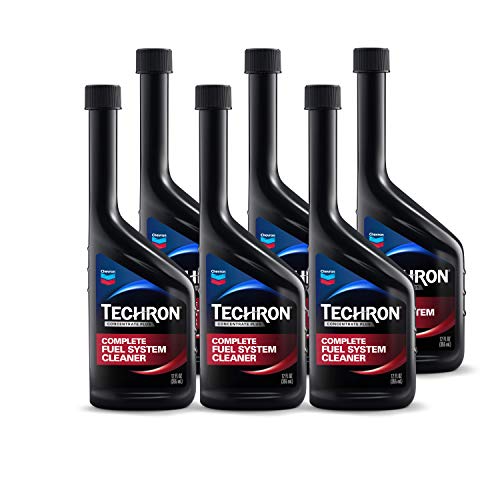 |
Chevron Techron Concentrate Plus Fuel System Cleaner Best Overall 20 oz fuel additive, PEA-based, treats up to 20 gallons |
9.5 |
ⓘ We may earn a commission from qualifying purchases made through links on this page, at no extra cost to you.
|
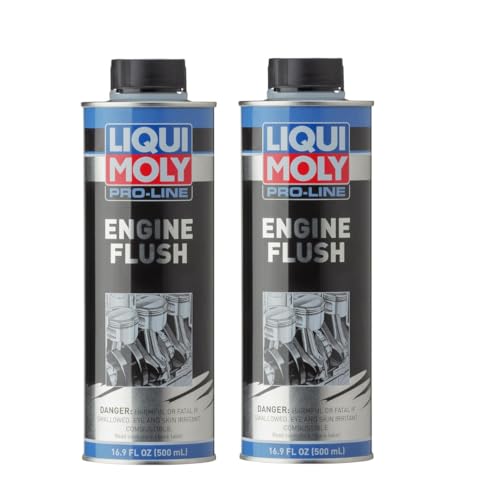 |
Liqui Moly Pro-Line Engine Flush Best Oil-Side Flush 500 ml oil additive, added before oil change, treats up to 5L oil |
9.3 | 🛒 Check Price |
 |
Sea Foam SF-16 Motor Treatment Most Flexible 16 oz, works in fuel, oil, and crankcase, petroleum based |
9.1 | 🛒 Check Price |
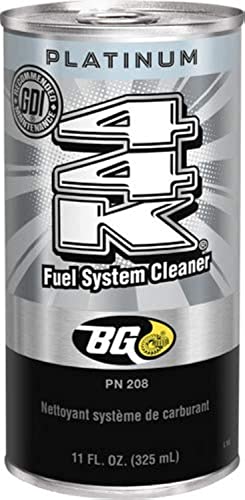 |
BG 44K Fuel System Cleaner Strongest Carbon Cleaner 11 oz can, professional-grade PEA, treats one full tank |
9.0 | 🛒 Check Price |
 |
Red Line SI-1 Complete Fuel System Cleaner Best for Upper Cylinders 15 oz, high PEA content, adds upper-cylinder lubrication |
8.8 | 🛒 Check Price |
 |
Gumout Regane High Mileage Fuel System Cleaner Best for High Mileage 6 oz bottle, PEA formula tuned for engines over 75,000 miles |
8.5 | 🛒 Check Price |
 |
Lucas Oil Fuel Treatment Best Budget Pick 5.25 oz, gas and diesel, lubricates and cleans fuel system |
8.0 | 🛒 Check Price |
1. Chevron Techron Concentrate Plus Fuel System Cleaner: Best Overall
Techron Concentrate Plus is the cleaner we reach for first because its polyether amine package is genuinely effective, not just marketing. PEA is one of the few detergents that keeps cleaning as it passes through the hottest parts of the combustion chamber, so it scrubs injector tips, intake valves, and piston crowns rather than just the fuel rail. Pour one bottle into a low tank, drive normally, and on most cars with rough idle or a lazy throttle you feel the difference by the time the tank is empty.
The honest limitation is scope. Techron is a fuel-system product, so it does nothing for oil sludge, sticky lifters, or varnish on the oil side of the engine. It also isn’t a miracle for a severely neglected motor. One bottle helps, but a car with 100,000 miles of skipped maintenance may need two or three back-to-back treatments before deposits fully clear. Used every few thousand miles as maintenance, though, it’s the most reliable all-round engine cleaner you can buy.
- Polyether amine (PEA) chemistry dissolves intake and injector deposits
- Safe for catalytic converters and oxygen sensors
- Single 20 oz bottle treats a full tank of gas
Pros: Industry-leading PEA cleaning strength; Restores idle quality and economy in one tank; Trusted by mechanics for carbon buildup
Cons: Works on the fuel side only, not oil sludge; Needs repeated use on badly fouled engines
2. Liqui Moly Pro-Line Engine Flush: Best Oil-Side Flush
Where Techron handles the fuel side, Liqui Moly Pro-Line Engine Flush handles the part most people forget: the inside of the lubrication system. You pour it into the warm old oil, let the engine idle for about ten minutes, then drain everything and fit a fresh filter and new oil. In that short window the detergents loosen the brown varnish and black sludge clinging to galleries, the pickup screen, and lifters, so it leaves with the waste oil instead of recirculating. Engines that ticked from a stuck lifter often quiet down noticeably after a flush.
The catch is timing and judgment. This is strictly a pre-oil-change product, never something you drive on, and you have to commit to draining straight afterward. There’s also a real caution with high-mileage engines: if heavy sludge is the only thing sealing a tired seal or bearing, dissolving it can expose a leak that was already there. On a reasonably maintained engine it’s excellent, but on a 200,000-mile mystery motor, use it knowing it may reveal problems rather than hide them.
- Dissolves sludge and varnish inside the oil galleries
- Added to old oil and idled for 10 minutes before draining
- Frees sticky hydraulic lifters and oil control rings
Pros: Cleans the oil side most fuel additives ignore; German formulation that’s gentle on seals; One can treats a typical passenger car sump
Cons: Must be drained out with the old oil, not driven on; Not for engines with severe mechanical wear
3. Sea Foam SF-16 Motor Treatment: Most Adaptable
Sea Foam is the Swiss Army knife of engine additives, and that flexibility is why it stays in so many garages. A single can of SF-16 can be split: part in the fuel tank to clean injectors and stabilize gas, part in the crankcase before an oil change to loosen sludge, and a portion drawn through a vacuum line to clean the intake. It’s gentle, petroleum-based, and works in both gas and diesel, which makes it a sensible single bottle to keep on the shelf for whatever needs cleaning.
Versatility comes at the price of raw strength. Sea Foam isn’t as concentrated as a dedicated PEA fuel cleaner like Techron, so on heavy intake-valve carbon it’s more of a maintenance helper than a deep cleaner. The intake-fogging trick also deserves respect: pour too much through the intake too fast and the smoke and dislodged carbon can overwhelm a catalytic converter. Used in sensible doses, though, it’s among the most useful and forgiving products in this list.
- One bottle can be split between fuel tank and crankcase
- Stabilizes fuel and frees stuck rings and lifters
- Safe for gas and diesel engines
Pros: Three-in-one use across fuel, oil, and storage; Decades-long reputation with DIY mechanics; Helps revive engines after long sitting
Cons: Less concentrated than dedicated PEA cleaners; Heavy fogging through intake can clog a catalytic converter if overdone
4. BG 44K Fuel System Cleaner: Strongest Carbon Cleaner
BG 44K is the cleaner the service department uses when a customer complains about a misfire or hesitation that a cheap bottle didn’t fix. It’s a professional-grade product with a heavy PEA detergent load aimed squarely at the worst carbon: baked-on intake valve deposits, gummed injectors, and combustion-chamber buildup that hurts compression. On engines that have been run on bargain fuel for years, one can in the tank often produces a smoother idle and a sharper throttle that lighter products simply can’t match.
That power is also the thing to watch. Because BG 44K dislodges deposits so effectively, on a genuinely filthy fuel system it can free debris that then loads the fuel filter, so following up with a fresh filter is smart. It’s also less of a grocery-store impulse buy and more something you seek out from a parts counter or online, which makes it slightly less convenient. For deep cleaning rather than routine maintenance, it’s the most aggressive bottle here.
- Shop-grade detergent package used by dealerships
- Targets stubborn intake valve and combustion chamber carbon
- Restores injector spray pattern and compression balance
Pros: Among the most powerful in-tank cleaners available; Noticeable results on neglected high-carbon engines; A little goes a long way per tank
Cons: Harder to find than retail-shelf brands; Strength can dislodge debris in very dirty fuel systems
5. Red Line SI-1 Complete Fuel System Cleaner: Best for Upper Cylinders
Red Line SI-1 stands out because it does two jobs at once. It carries a high dose of PEA to scour injectors, intake valves, and combustion chambers, and it adds genuine upper-cylinder lubrication that many pure detergents skip. That lube matters most on older engines and on cars running ethanol-blended fuel, where dry valve seats and guides wear faster. The combination means SI-1 cleans hard while also cushioning the very parts the cleaning exposes.
The trade-off is coverage per bottle. A 15 oz bottle of SI-1 is rated to treat a typical tank, but you go through it faster than a more dilute product, so for routine upkeep the running use adds up. It also sits at the premium end of the shelf, which is easy to justify for a periodic deep clean but harder if you want to dose every single fill. For drivers who value lubrication alongside cleaning, especially in classic or high-mileage engines, it earns its place.
- High concentration of polyether amine detergent
- Lubricates upper cylinders and valve seats
- Cleans injectors, carburetors, and valves in one pass
Pros: Strong PEA cleaning plus lubrication in one bottle; Helps protect older engines and ethanol-fed valve seats; Works on both injected and carbureted engines
Cons: One bottle treats a smaller fuel volume than some rivals; Premium positioning for occasional maintenance use
6. Gumout Regane High Mileage Fuel System Cleaner: Best for High Mileage
Gumout Regane High Mileage is built for the most common situation on the road: a car well past 75,000 miles that runs a little rough, hesitates on tip-in, and isn’t quite returning the economy it used to. Its PEA-based formula clears injector and valve deposits while specifically addressing the symptoms older engines develop, and the wide treat rate means one small bottle covers a lot of fuel, so dosing every few fills is simple and inexpensive in effort.
It’s honest about what it’s, which is a maintenance cleaner rather than a heavy hitter. If your engine has years of severe carbon, Regane will chip away at it over several tanks but won’t match the one-pass punch of a professional product like BG 44K. Think of it as the bottle you keep using to stop deposits coming back, not the one you use to rescue a badly fouled motor. For steady upkeep on an aging daily driver, it’s a very practical choices here.
- Formulated specifically for higher-mileage engines
- Removes deposits while reducing rough idle and hesitation
- Compact bottle treats up to 35 gallons of fuel
Pros: Tailored to older engines that need regular cleaning; Wide treat rate makes it easy to dose; Easy to find on most retail shelves
Cons: Lighter cleaning strength than shop-grade options; Best as maintenance rather than a one-time deep clean
7. Lucas Oil Fuel Treatment: Best Budget Pick
Lucas Oil Fuel Treatment is the bottle to keep in the door pocket for routine, every-tank care. It blends cleaning detergents with lubricants, so as it passes through it keeps injectors and the fuel pump slick while gently discouraging deposits from forming. It runs happily in gas or diesel, doses simply, and delivers real value for drivers who would rather prevent problems than cure them, which is exactly how a maintenance additive should work.
What it isn’t is a deposit-blasting deep cleaner. The same mild, lubrication-forward formula that makes it safe for constant use means it won’t strip years of baked carbon off an intake valve the way a concentrated PEA shot can. If your engine already misfires from heavy fouling, start with a stronger product and then switch to Lucas to keep things clean. Judged as the steady-state maintenance and value pick it’s meant to be, it does its job well.
- Cleans and lubricates the entire fuel system
- Works in both gasoline and diesel engines
- Helps reduce emissions and smooth fuel delivery
Pros: Strong value for routine fuel system upkeep; Adds lubrication that protects pumps and injectors; Widely available and easy to dose every tank
Cons: More of a maintenance treatment than a deep deposit cleaner; Not designed to remove heavy intake valve carbon
Frequently Asked Questions
Do engine additive cleaners actually work?
Yes, the good ones do, within limits. Cleaners built on polyether amine (PEA), such as Techron, BG 44K, and Red Line SI-1, are proven to dissolve injector, intake valve, and combustion chamber carbon, and you can often feel a smoother idle and crisper throttle within a tank or two. Oil-side flushes like Liqui Moly genuinely loosen sludge before an oil change. What no bottle can do is undo mechanical wear or fix a fault that isn’t deposit related, so they’re maintenance and cleaning tools, not repairs in a can.
What is the difference between a fuel system cleaner and an engine oil flush?
They clean two completely different sides of the engine. A fuel system cleaner goes in your gas tank and travels with the fuel to scrub injectors, intake valves, and the combustion chamber, attacking carbon and gum. An oil flush goes into the crankcase before an oil change and cleans the lubrication side, dissolving sludge and varnish in the oil galleries and freeing sticky lifters, after which you drain it out with the old oil. For a full clean, many people use one of each rather than expecting a single product to do both.
Are engine additive cleaners safe for direct-injection and modern engines?
Fuel-tank cleaners are safe for the fuel system and catalytic converter on modern engines, but be aware of one quirk of gasoline direct injection (GDI). On GDI engines, fuel never washes the back of the intake valves, so an in-tank cleaner can’t reach carbon that builds up there. For those engines, a fuel additive still cleans injectors and the combustion chamber, but heavy intake-valve carbon usually needs an intake-specific treatment or a manual walnut-blast cleaning. Always confirm a product lists catalytic converter and oxygen sensor safety, which all seven picks here do.
How often should I use an engine cleaner?
For maintenance, a fuel system cleaner every 3,000 to 5,000 miles, or roughly every few oil changes, keeps deposits from accumulating. If your engine is already rough or high mileage, you can run a stronger cleaner like BG 44K for a few consecutive tanks to clear built-up carbon, then drop back to a maintenance product such as Gumout Regane or Lucas. An oil flush should only be used right before an oil change, and once or twice a year at most is plenty for a well-kept engine.
Can an engine flush damage a high-mileage engine?
It can expose problems rather than create them. In a neglected high-mileage engine, thick sludge sometimes ends up sealing a worn seal or gasket. A strong flush dissolves that sludge, and once it’s gone an old leak can start weeping. The flush didn’t wear the part out, it simply uncovered existing damage. If your engine has unknown history or visible sludge, use a gentle flush, change the oil immediately after, and watch for new leaks. On a reasonably maintained engine, a quality flush is low risk.
Our Verdict
Our top pick is the Chevron Techron Concentrate Plus Fuel System Cleaner, because its PEA chemistry delivers the most reliable real-world cleaning across injectors, valves, and combustion chambers, and it’s safe to use as routine maintenance on almost any engine. If your concern is the oil side rather than the fuel side, the runner up is the Liqui Moly Pro-Line Engine Flush, which dissolves sludge and varnish in the crankcase before an oil change in a way no fuel additive can. For most drivers, keeping a bottle of each on the shelf covers both ends of the engine and keeps it running clean for the long haul.