If you drive for Uber or Lyft, a single front-facing camera only tells half the story. A dual dash cam records the road ahead and the cabin at the same time, so you have evidence of what happened both outside and inside the car. That interior view is the difference between a he-said-she-said dispute and a clip that ends the argument for you, whether it’s a fare complaint, a damaged seat, or an aggressive passenger.
We focused on cameras built for the realities of rideshare work, namely infrared interior recording that sees faces in a pitch-black cabin, dependable loop recording, parking mode for when the car sits between trips, and footage sharp enough to read a plate. Here are the seven dual dash cams we trust most for Uber and Lyft drivers, ranked best first.
| Photo | Product | Score | Buy |
|---|---|---|---|
 |
Vantrue N2 Pro Dual Dash Cam Best Overall for Rideshare 1080P front + 1080P interior, 4 IR night-vision LEDs, 1.5-inch screen |
9.5 |
ⓘ We may earn a commission from qualifying purchases made through links on this page, at no extra cost to you.
|
 |
Vantrue N4 3-Channel Dash Cam Best Triple Coverage Front 1440P + interior 1080P IR + rear 1080P, three channels recording together |
9.3 | 🛒 Check Price |
|
🚗
|
Nexar Pro GPS Dual Dash Cam Best App and Cloud Front 1080P + interior cabin cam, built-in GPS, automatic cloud backup over the app |
9.1 | 🛒 Check Price |
 |
REDTIGER F7N Front and Rear Dash Cam Best Value Dual Front 4K + rear 1080P, 3.18-inch touchscreen, built-in GPS and WiFi |
8.9 | 🛒 Check Price |
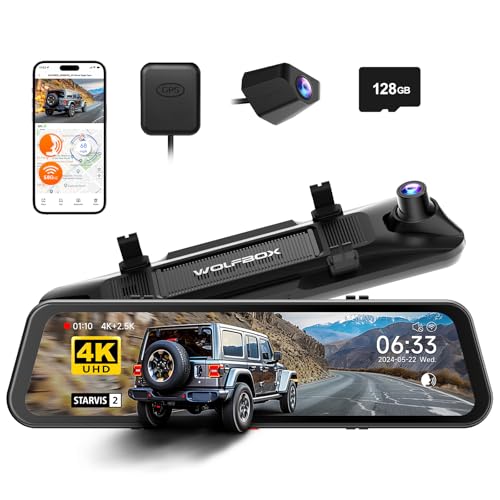 |
WOLFBOX G900 Mirror Dash Cam Best Mirror Style Front 4K + rear 1080P, 12-inch mirror touchscreen, voice control |
8.7 | 🛒 Check Price |
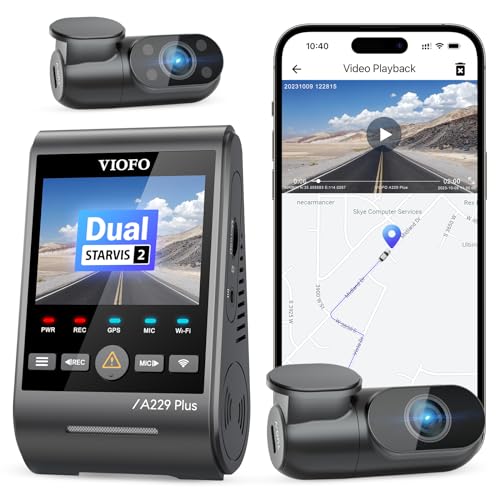 |
VIOFO A139 3-Channel Dash Cam Best Night Performance Front + interior IR + rear, Sony STARVIS sensors, built-in GPS, 5GHz WiFi |
8.5 | 🛒 Check Price |
 |
BlackVue DR770X-2CH Dash Cam Best Premium Build Front 1080P 60fps + rear 1080P, built-in GPS, cloud connectivity, 5GHz WiFi |
8.2 | 🛒 Check Price |
1. Vantrue N2 Pro Dual Dash Cam: Best Overall for Rideshare
The Vantrue N2 Pro has become the unofficial standard among Uber and Lyft drivers, and after using it the reputation makes sense. The front camera covers the road clearly while the interior lens, backed by four infrared LEDs, captures the cabin even when the dome light is off and the streets are dark. That’s the exact scenario where most passenger disputes happen, and this is the camera that handles it best.
Its real weakness is the lack of GPS in the base package. If you want speed and location stamped on your footage, which can matter for an insurance claim, you need to buy the GPS mount separately. The single small screen also makes on-camera review a bit fiddly, so most drivers pull the card or use the app instead. Neither issue undermines the core job, and for pure front-plus-cabin rideshare coverage this is the one to beat.
- Front and infrared interior cameras record at the same time
- Four IR lights light up the cabin in total darkness
- Capacitor build handles hot and cold parked cars
Pros: Interior IR footage is genuinely usable at night; Trusted by a huge number of rideshare drivers; Reliable loop recording and time-lapse parking mode
Cons: No built-in GPS unless you buy the optional mount; Single 1.5-inch screen feels small for review
2. Vantrue N4 3-Channel Dash Cam: Best Triple Coverage
The Vantrue N4 takes the proven N2 Pro formula and adds a third rear camera, so you record the road ahead, the cabin, and the traffic behind you all at once. For Uber drivers that rear channel is valuable, since rear-end incidents at pickups and drop-offs are common and a front-and-cabin setup leaves that angle blind. The interior lens keeps the same infrared night vision that makes Vantrue cabin footage so dependable.
The trade-off is storage and bulk. Three high-resolution streams fill a memory card fast, so you’ll want a large high-endurance card and you should expect shorter loop windows before overwrite. The unit is also physically larger and the install is more involved with a third camera to route. If you can live with that, the extra coverage is well worth it, and only the slimmer two-channel value of the N2 Pro keeps this from the top spot.
- Three cameras cover front, cabin, and rear at once
- Infrared interior lens for clear night cabin footage
- 24-hour parking mode with optional hardwire kit
Pros: Adds rear-road coverage that two-channel cams miss; Strong night performance across all three lenses; Sharp 1440P front sensor reads plates well
Cons: Three streams eat card space quickly; Bulkier setup takes longer to install
3. Nexar Pro GPS Dual Dash Cam: Best App and Cloud
Nexar built the Pro around the rideshare use case, and its standout feature is automatic cloud backup. Every clip syncs to the Nexar app, so even if your camera is damaged or stolen in an incident, the footage already lives off the device. For a driver who needs to send proof to Uber support or an insurer fast, pulling a clip from your phone in seconds is a genuine workflow advantage. Built-in GPS rounds out the evidence with location and speed data.
The honest weakness is that the experience depends on your phone. The app connection drives a lot of the value, and if your phone storage or Bluetooth link is flaky the syncing can frustrate. Interior night vision is decent but not as crisp as the best dedicated infrared cabin cams here. If you value cloud reassurance over raw cabin image quality, the Nexar Pro is an excellent pick.
- Footage backs up automatically to the Nexar app and cloud
- Built-in GPS stamps location and speed on clips
- Separate front and interior modules for flexible placement
Pros: Cloud backup protects clips even if the camera is stolen; Marketed and tuned specifically for rideshare drivers; Easy clip sharing straight from your phone
Cons: Cloud features lean heavily on the phone connection; Interior night vision trails the best IR rivals
4. REDTIGER F7N Front and Rear Dash Cam: Best Value Dual
The REDTIGER F7N delivers a lot of dash cam for the money, with a genuinely sharp 4K front sensor, a large 3.18-inch touchscreen, and built-in GPS and WiFi that many pricier units leave out. For drivers who want front-and-rear road coverage plus easy app access, it’s among the most well-rounded packages available, and the touchscreen makes day-to-day operation far simpler than the tiny buttons on cheaper cams.
The key caveat for Uber drivers is that the rear camera is designed to film the road behind the car, not the cabin. If your priority is recording passengers, this isn’t the layout you want, and you’d need a different unit or an interior add-on. But if you mainly want strong dual road coverage with the option to mount the rear cam toward the cabin, the F7N is a smart, capable choice that punches above its class.
- 4K front sensor captures sharp plates and signs
- Large touchscreen makes setup and review easy
- Built-in GPS and WiFi with app control
Pros: Excellent image quality for the value; Big responsive touchscreen; GPS and WiFi included as standard
Cons: Rear camera faces out the back, not the cabin; Night cabin coverage isn’t its focus
5. WOLFBOX G900 Mirror Dash Cam: Best Mirror Style
The WOLFBOX G900 swaps your factory rear mirror for a 12-inch touchscreen that streams the front and rear cameras live, which keeps your windshield clean and your setup discreet. For Uber drivers who don’t want an obvious camera box drawing passenger attention, the mirror form factor is a real plus, and the 4K front footage holds up well for reading plates and capturing road incidents.
As with other mirror units, the rear camera is aimed at the road behind rather than the cabin, so it isn’t a true interior solution out of the box. Some drivers also find the bright mirror display causes glare during night shifts, which can be distracting. If discretion and a big, clear front-and-rear view matter more to you than dedicated cabin recording, the G900 is a compact and capable option.
- Replaces your rear mirror with a wide touchscreen display
- 4K front and 1080P rear recording together
- Voice commands and a large 12-inch view
Pros: Huge mirror display doubles as a clear live view; Discreet install that doesn’t clutter the windshield; Strong 4K front image
Cons: Rear lens films the road, not passengers; Mirror glare can bother some drivers at night
6. VIOFO A139 3-Channel Dash Cam: Best Night Performance
VIOFO has a strong reputation for low-light performance, and the A139 lives up to it with Sony STARVIS sensors that produce clean, usable footage on dark streets. The three-channel setup pairs a front and rear road view with an infrared interior camera, so night-shift rideshare drivers get the cabin coverage they need without the noisy, blurry interior footage that plagues cheaper cams. Built-in GPS and fast 5GHz WiFi make pulling clips painless.
The downside is that VIOFO leans toward enthusiasts, so the app and on-camera menus are less beginner-friendly than something like the Nexar or REDTIGER. The three-camera install also takes patience and careful cable routing. For a driver who prioritizes the best possible night footage and doesn’t mind a steeper setup, the A139 is hard to beat in this group.
- Sony STARVIS sensors deliver clean low-light footage
- Infrared interior camera for dark-cabin recording
- Built-in GPS and fast 5GHz WiFi transfer
Pros: Outstanding night image quality from STARVIS sensors; Three-channel coverage including IR cabin; Reliable hardwire parking mode
Cons: App and menus have a learning curve; Install with three cameras is time consuming
7. BlackVue DR770X-2CH Dash Cam: Best Premium Build
BlackVue is the polished, premium name in dash cams, and the DR770X-2CH shows why. The low-profile tube design sits flush against the windshield for one of the cleanest installs you can get, the firmware is mature and stable, and the optional cloud connectivity lets you check your car remotely, a nice touch for drivers who park in unfamiliar areas between trips. The 1080P 60fps front footage is smooth and reads plates well.
For rideshare specifically, the limitation is that the second channel is a rear road camera rather than a cabin lens, so out of the box it doesn’t record passengers. The 1080P sensor is also modest given the premium positioning, when rivals push 4K. If you want a refined, discreet two-channel system with cloud features and you plan to add a separate interior cam, BlackVue is a quality long-term choice.
- Slim low-profile design sits flush to the windshield
- Cloud connectivity for remote viewing and alerts
- Built-in GPS and smooth 60fps front recording
Pros: Premium build quality and reliable firmware; Cloud features for remote monitoring; Very discreet, low-profile install
Cons: Rear camera is road-facing, not interior; Premium positioning for a 1080P sensor
Frequently Asked Questions
Do Uber drivers really need an interior camera, not just a front one?
Yes, an interior camera is the single most important feature for rideshare work. A front camera protects you in traffic incidents, but most driver disputes happen inside the car, including fare complaints, accusations, damage to your seats, and unsafe passenger behavior. An interior lens, especially one with infrared night vision, gives you a clear record of who was in the car and what they did. For Uber and Lyft drivers, front plus cabin coverage is far more useful than front plus rear road coverage alone.
Is it legal to record passengers in my car for Uber?
In most places you can record video inside your own vehicle, but audio recording and notification rules vary by state and country. Many regions require you to inform passengers that recording is taking place, and some have specific two-party consent laws for audio. The safe approach is to check your local laws and place a small visible sticker stating that the vehicle is recorded. Uber’s own guidelines also expect riders to be notified, so a clear notice protects both your footage and your account.
What is infrared night vision and why does it matter for rideshare?
Infrared, or IR, night vision uses invisible LEDs to light up the cabin so the interior camera can see in complete darkness without blinding your passengers with visible light. This matters because most rideshare driving happens in the evening and at night, when a normal camera would just record a black frame. Cameras like the Vantrue N2 Pro and N4 use four IR LEDs to capture clear faces in a pitch-dark car, which is exactly the footage you need if a late-night dispute ever arises.
Should I hardwire my dash cam for parking mode?
If you want parking mode protection while your car sits between trips or overnight, hardwiring is the best option. A hardwire kit draws power from your fuse box so the camera can keep watching even when the engine is off, usually with low battery cutoff to protect your starter battery. Plugging into the 12V socket only powers the camera while you drive. For Uber drivers who park in varied locations, a hardwired parking mode adds a useful layer of protection against hit-and-runs and break-ins.
What memory card size do I need for a dual or triple dash cam?
Dual and especially triple-channel cameras record multiple high-resolution streams at once, so they fill cards quickly. For a full shift, a high-endurance card of at least 128GB is a sensible minimum, and 256GB is better for three-channel units like the Vantrue N4 or VIOFO A139. Always use a high-endurance or dash cam rated card, since standard cards wear out fast under constant loop recording. Check your camera’s maximum supported capacity before buying.
Our Verdict
For most Uber and Lyft drivers, the Vantrue N2 Pro is the top pick, thanks to its dependable infrared interior recording, proven reliability on the road, and an ideal front-plus-cabin layout that rideshare work demands. If you also want to cover the traffic behind you, the Vantrue N4 is our runner up, adding a third rear channel without giving up the night-vision cabin footage that makes Vantrue the favorite of drivers everywhere.
