A digital signal processor is the single biggest upgrade most car audio systems are missing. No matter how good your speakers and amps are, a factory head unit and a cabin full of reflective glass and odd seating positions will smear your sound. A DSP fixes that by giving you precise time alignment, parametric EQ, and adjustable crossovers, so every driver arrives at your ears in sync and balanced. The result is a wider, more focused soundstage and far cleaner output, even from modest components.
We compared the most popular DSP units real buyers actually install, ranging from amplified all in one processors that replace a separate amp to standalone tuning units built for serious sound quality competitors. Below are seven we trust, ranked best first, with honest weaknesses noted so you can match the right processor to your build, your tuning patience, and your vehicle.
| Photo | Product | Score | Buy |
|---|---|---|---|
 |
Helix DSP.3S Best Overall 8-channel input, 8-channel output, 64-bit processing, optical and high-level inputs |
9.5 |
ⓘ We may earn a commission from qualifying purchases made through links on this page, at no extra cost to you.
|
 |
Audison Bit One HD Virtuoso Best Sound Quality High resolution 24-bit/192kHz processing, automatic de-equalization, 13 output channels |
9.3 | 🛒 Check Price |
 |
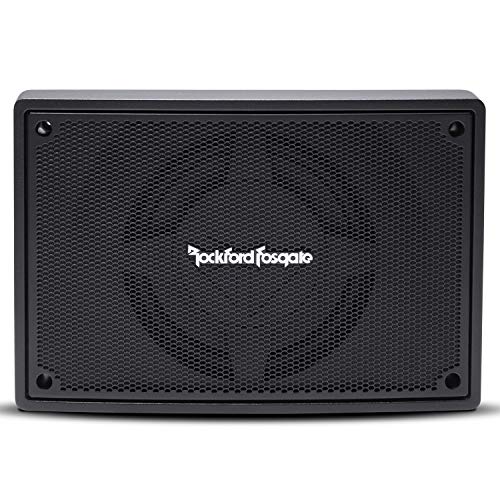
Rockford Fosgate DSR1 Best OEM Integration 8-to-8 channel processor with iDatalink Maestro integration and signal summing |
9.1 | 🛒 Check Price |
 |
DSP Bit Ten Best Value Tuner 5-channel input, 5-channel output processor with de-equalization and time alignment |
8.9 | 🛒 Check Price |
 |
DS18 DSP8.8AB Best Amplified All-in-One 8-channel DSP combined with a built-in multichannel amplifier in one chassis |
8.6 | 🛒 Check Price |
 |
AudioControl DM-810 Best for Complex Systems 8-input, 10-output matrix DSP with AccuBASS and analog plus optical inputs |
8.4 | 🛒 Check Price |
 |
SoundShield Pioneer DEQ-S1000A2 Easiest Setup Compact add-on DSP with auto time alignment, auto EQ, and app control |
8.0 | 🛒 Check Price |
1. Helix DSP.3S: Best Overall
The Helix DSP.3S sits at the top because it nails the things that matter most in a car audio processor: a genuinely quiet signal path, generous channel count, and software that makes complex tuning approachable. With eight inputs and eight outputs, plus 30 bands of EQ on every output, you can fully time align a multi way active front stage, integrate a sub, and still have headroom for rear fill. The 64-bit processing keeps the noise floor low enough that even sensitive horn loaded systems stay silent at idle.
The honest weakness is that it’s a standalone processor, so you still need amplification, and the DSP.3S really rewards patience. Out of the box it does nothing useful until you sit down with the DSP PC Tool and dial it in, and the sheer number of parameters can overwhelm beginners. Pair it with the optional director remote or a Bluetooth dongle and budget an afternoon for tuning, and it’ll outclass nearly anything else here.
- Eight fully configurable output channels with 30-band EQ per channel
- High resolution 64-bit processing with very low noise floor
- Optical, analog high-level, and analog low-level inputs with auto signal detection
Pros: Reference grade sound quality and tuning flexibility; Clean, intuitive DSP PC Tool software; Excellent input options for factory or aftermarket sources
Cons: Requires a wired connection or optional remote for live adjustments; Deep feature set has a learning curve for first time tuners
2. Audison Bit One HD Virtuoso: Best Sound Quality
Audison built the Bit One HD Virtuoso for people chasing the most accurate reproduction possible from a car. Its standout trick is automatic de-equalization, which measures and reverses the EQ curve a factory system bakes in, giving you a flat canvas to tune from. Combined with a high resolution 24-bit/192kHz path and a deep channel count, it can drive a fully active front stage with the kind of low level detail that lesser processors simply lose.
The catch is that this processor assumes you know what you’re doing, or are willing to learn. The interface is dense, and to extract its full potential you really want a calibrated microphone and an understanding of target curves. For a casual upgrade it’s more than most people need, but for a sound quality build it’s a very rewarding DSPs you can buy.
- Automatic de-equalization that flattens factory tuning curves
- High resolution 24-bit/192kHz signal path for audiophile detail
- Extensive input and output channel count for complex active systems
Pros: Stunning clarity and realism with quality components; Smart factory integration tools save setup time; Solid build and reliable long term performance
Cons: Software is powerful but less beginner friendly; Best results need a measurement microphone and care
3. Rockford Fosgate DSR1: Best OEM Integration
If you want to keep your factory radio and its steering wheel controls but escape its mangled, band limited output, the Rockford Fosgate DSR1 is the smart choice. Its headline feature is iDatalink Maestro compatibility, which lets it read the vehicle bus and integrate cleanly, while its signal summing recombines the chopped up outputs many modern cars send to their door and dash speakers back into a full range signal you can actually tune.
The honest downside is that getting the most from OEM integration often means buying a Maestro module and the correct vehicle harness, which adds parts and complexity to the install. The tuning app is capable but feels more utilitarian than the polished PC software from Helix or Audison. Still, for factory radio retention this is among the most practical processors on the market.
- IDatalink Maestro support for clean factory radio integration
- Automatic signal summing to recombine factory crossed over outputs
- Eight input and eight output channels with full EQ and time alignment
Pros: Outstanding for keeping a factory head unit; Restores full range signal from complex OEM systems; Reliable Rockford build and support
Cons: Maestro module and harness add to total setup; App tuning interface is functional rather than polished
4. DSP Bit Ten: Best Value Tuner
The Audison Bit Ten brings much of the brand’s tuning pedigree to systems that don’t need a dozen channels. With five inputs and five outputs it comfortably handles a tuned front stage and a subwoofer, and it keeps the de-equalization feature that makes integrating a factory source so much easier. For a clean, focused two way plus sub setup it offers a lot of the sonic benefit of pricier units in a smaller box.
Its limitation is right there in the channel count. If you plan a fully active three way front stage, you’ll run out of outputs and want a larger processor. It also leans on the optional DRC remote for day to day volume and preset control, so factor that into your plan. Within its intended scope, though, the Bit Ten is one of the easiest DSPs to recommend.
- Five in, five out configuration ideal for a front stage plus sub
- De-equalization corrects factory source tuning
- Time alignment and EQ in a compact, install friendly chassis
Pros: Audison sound quality in an accessible package; Strong factory and aftermarket integration; Compact footprint fits tight installs
Cons: Fewer channels limit fully active multi way builds; Requires the wired DRC remote for convenient control
5. DS18 DSP8.8AB: Best Amplified All-in-One
The DS18 DSP8.8AB answers a very common question: can one box do the processing and the amplifying? It combines an eight channel DSP with an onboard multichannel amplifier, so a clean front stage and sub can run without a separate amp cluttering your install. You get crossovers, time alignment, EQ, and Bluetooth, all controlled from an app, which makes it a tidy upgrade for a daily driver where space and simplicity matter.
The trade off is power and precision. The integrated amplifier is sized for moderate systems, so if you’re chasing high output or driving thirsty components you’ll outgrow it and want dedicated amplification. The app based tuning, while convenient, doesn’t give you the fine grained control of a real PC interface. For a clean, compact build it’s genuinely useful.
- Integrated amplifier and DSP eliminate a separate amp
- Eight channels of processing with EQ, crossover, and time alignment
- Bluetooth streaming and app based tuning
Pros: Space saving single box solution; Strong feature set for an all in one; Bluetooth audio and tuning convenience
Cons: Built-in amp power suits moderate systems, not big SPL builds; App tuning is less precise than PC software
6. AudioControl DM-810: Best for Complex Systems
The AudioControl DM-810 is aimed squarely at ambitious systems with multiple amplifiers and many channels. Its eight by ten matrix lets you route any input to any output, which is exactly what you want when you’re blending a factory source, an auxiliary input, and several amps. The AccuBASS feature is a standout, intelligently restoring the deep bass that factory systems roll off as volume climbs, so your subs stay full even when the head unit tries to choke them.
That power is also its weakness for the average installer. If your system is a simple front stage and a sub, the DM-810 is more router than you need, and the routing flexibility means more decisions and more careful planning during setup. For a multi amp, multi source build, though, few processors give you this much control.
- Eight inputs and ten outputs for elaborate multi amp systems
- AccuBASS circuit restores low end lost by factory bass rolloff
- Analog and optical inputs with flexible routing matrix
Pros: Huge routing flexibility for big builds; AccuBASS recovers factory limited bass well; Solid AudioControl reputation and support
Cons: Overkill and pricey complexity for simple systems; Setup demands real planning of input and output routing
7. SoundShield Pioneer DEQ-S1000A2: Easiest Setup
The Pioneer DEQ-S1000A2 exists for people who want the soundstage benefits of a DSP without learning the craft of manual tuning. It ships with a measurement microphone and will automatically set time alignment and EQ for your seating position, giving an immediate and often dramatic improvement over a stock setup. The compact chassis slips into existing systems easily, and the app lets you tweak settings without diving into complicated software.
Its honest limitation is depth. The channel count and manual control are modest compared with the heavyweights above, and the automatic tuning, while impressive for the effort involved, is best treated as a strong starting point rather than a final calibration. For a first DSP or a no fuss upgrade, it’s the friendliest unit here.
- Automatic time alignment and EQ using the included microphone
- Compact add-on design that integrates with existing systems
- App based control for quick adjustments on the go
Pros: Genuinely beginner friendly auto tuning; Small footprint fits almost anywhere; Affordable entry into DSP without deep tuning knowledge
Cons: Limited channels and manual control depth; Auto tuning is a starting point, not a final result
Frequently Asked Questions
Do I really need a DSP if I already have good speakers and an amp?
Yes, in most cars a DSP makes a bigger audible difference than another speaker upgrade. The problem in a vehicle isn’t usually the components, it’s the environment. You sit off center, sound bounces off glass and hard surfaces, and factory head units often apply their own EQ and crossovers. A DSP corrects all of that with time alignment, parametric EQ, and proper crossovers, so your existing speakers and amp finally perform to their potential. Many people are shocked at how much wider and clearer their system sounds after a careful DSP tune, with no new drivers at all.
What is the difference between a standalone DSP and an amplified DSP?
A standalone DSP only processes the signal, so you still need separate amplifiers to power your speakers and subwoofer. Units like the Helix DSP.3S and Audison Bit One HD fall into this group and are favored for sound quality builds because you can pair them with exactly the amps you want. An amplified DSP, such as the DS18 DSP8.8AB, combines processing and amplification in one chassis, which saves space and simplifies the install. The trade off is that the built in amplifier sets a ceiling on power, so heavy hitting systems usually outgrow an all in one and move to a standalone processor with dedicated amps.
Can I use a DSP while keeping my factory radio?
Absolutely, and that’s a very popular reasons to install one. Many DSPs accept high level speaker inputs and can sum the chopped up, band limited signals a factory radio sends out back into a full range signal you can tune. The Rockford Fosgate DSR1 is built specifically for this, with signal summing and iDatalink Maestro integration so you keep your steering wheel controls and factory display. Audison processors with de-equalization go a step further by flattening the radio’s baked in tuning curve, giving you a clean foundation to work from.
How hard is it to tune a car audio DSP myself?
It ranges from nearly automatic to a genuine hobby, depending on the unit. Processors like the Pioneer DEQ-S1000A2 include a microphone and set time alignment and EQ automatically, so a beginner can get strong results in minutes. Higher end units like the Helix and Audison reward manual tuning with PC software, which has a learning curve but gives you total control. If you want to tune by hand, a calibrated measurement microphone and free room measurement software help enormously. Plan an unhurried afternoon, work on one driver at a time, and you’ll be surprised how much you can achieve without a professional installer.
How many channels does my DSP need?
Count the speakers you want to control independently and add your subwoofer. A simple component front stage plus a sub works fine on a five output processor like the Audison Bit Ten. A fully active two way front, where the tweeter and woofer each get their own amplified channel, plus a sub and rear fill, pushes you toward an eight output unit like the Helix DSP.3S. If you’re running multiple amplifiers from several sources, a matrix processor such as the AudioControl DM-810 gives you the routing flexibility you need. It’s always wise to buy a little more channel count than your current plan so you have room to grow.
Our Verdict
For most enthusiasts the Helix DSP.3S is the best DSP for car audio, combining a quiet signal path, eight tunable channels, and software that turns serious tuning into something you can actually enjoy. If reference level sound quality and easy factory integration are your priorities, the Audison Bit One HD Virtuoso is an outstanding runner up, and the Rockford Fosgate DSR1 deserves a look if keeping your factory radio is non negotiable. Match the channel count and tuning depth to your build, and any of our seven picks will transform how your system sounds.