A good rubbing compound is the fastest way to erase light scratches, swirl marks, water spots, and oxidation without repainting a single panel. The trick is matching the cut of the compound to the depth of the defect, because too aggressive and you haze the clear coat, too gentle and the scratch laughs at you. We spent real time working these compounds across faded daily drivers, fresh repaints, and well kept garage queens to see which ones actually pull scratches and which just smear filler around.
Below are the seven compounds we trust most for scratch removal, ranked best first. Some are built for dual action or rotary machines, a couple work beautifully by hand, and all of them earned their spot by leaving paint clearer than we found it. We flag the honest weaknesses too, so you know exactly what you’re buying before you reach for the applicator pad.
| Photo | Product | Score | Buy |
|---|---|---|---|
 |
Meguiar's Ultimate Compound Best Overall Cut level: Medium | Use: Hand or machine | Volume: 15.2 oz |
9.5 |
ⓘ We may earn a commission from qualifying purchases made through links on this page, at no extra cost to you.
|
 |
Chemical Guys VSS Scratch and Swirl Remover Best for Swirl Marks Cut level: Light to medium | Use: Hand or machine | Finish: One step polish |
9.2 | 🛒 Check Price |
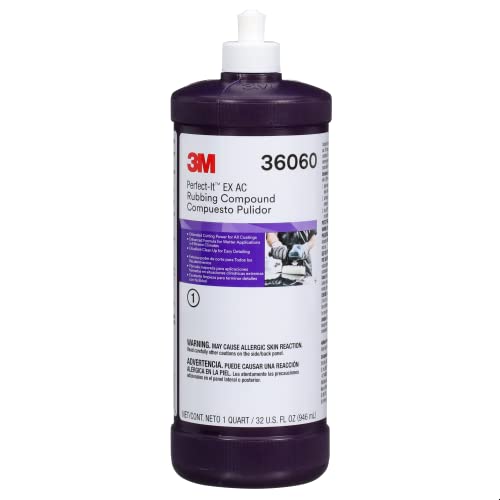 |
3M Perfect-It Rubbing Compound Best for Pros Cut level: Heavy | Use: Rotary or DA machine | Volume: 32 oz |
9.0 | 🛒 Check Price |
 |
Turtle Wax Premium Grade Rubbing Compound Best Value Cut level: Medium to heavy | Use: Hand or machine | Volume: 18 oz |
8.8 | 🛒 Check Price |
 |
Mothers California Gold Scratch Remover Best for Hand Use Cut level: Light | Use: Hand application | Volume: 8 oz |
8.6 | 🛒 Check Price |
 |
Griot's Garage Complete Compound Best Finish Clarity Cut level: Medium | Use: Machine preferred | Volume: 16 oz |
8.4 | 🛒 Check Price |
 |
Sonax Cut and Finish Compound Best One Step Correction Cut level: Medium | Use: DA machine | Finish: Cut and finish in one |
8.2 | 🛒 Check Price |
1. Meguiar's Ultimate Compound: Best Overall
Meguiar’s Ultimate Compound is the one we hand to anyone who asks where to start, because it does the rare thing of cutting hard and finishing fine at the same time. The micro abrasives shear off the damaged top layer of clear coat to lift swirls, water spots, and light scratches, then they continue to break down so the surface is left clear rather than hazed. By hand it takes some honest elbow grease, but on a dual action polisher it transforms a tired panel in minutes.
The honest limitation is depth. This is a medium cut compound, so anything that grabs your fingernail is likely too deep to fully erase, and you’ll only reduce its visibility. It can also sling product if you’re heavy handed on a machine, so a pea sized amount per section goes a long way. For the vast majority of everyday paint defects, though, this is the most reliable all rounder we researched.
- Micro abrasive technology cuts fast then breaks down to a fine finish
- Body shop safe and clear coat safe for modern paints
- Works equally well by hand or with a dual action polisher
Pros: Removes light to medium scratches in a few passes; Leaves a genuinely glossy, ready to wax finish; Forgiving enough for first time users
Cons: Won’t fully remove deeper scratches that catch a fingernail; Can sling if you apply too much on a machine
2. Chemical Guys VSS Scratch and Swirl Remover: Best for Swirl Marks
Chemical Guys built VSS to be a one and done correction polish, and on light swirl marks and spider webbing it delivers exactly that. The abrasives start with enough bite to clear the holograms left by careless wash habits, then they refine down so you can often skip a separate finishing polish. On a dual action polisher it pulls swirls out of darker paint where every defect normally shows, which is the toughest test there’s.
Where it asks for honesty is on heavier damage. This leans toward the lighter end of the cut scale, so a single deep scratch in the middle of an otherwise clean panel isn’t its strength, and you’d want a dedicated heavy cut for that. It also rewards a machine more than hand work, so by hand you’ll fight it a little. For maintenance correction and swirl removal, though, it’s a beautifully balanced product.
- Combines cutting and finishing in a single product
- Optical grade finishing abrasives reduce the need to follow up
- Safe on clear coat, single stage, and gloss paints
Pros: Excellent at clearing fine swirls and spider webbing; Acts as a one step correction and polish; Pleasant to work and easy to wipe off
Cons: Not aggressive enough for deeper isolated scratches; Needs a machine to get the most from it
3. 3M Perfect-It Rubbing Compound: Best for Pros
3M Perfect-It’s what professional body shops reach for after wet sanding, and that pedigree shows the moment you put it to work. It has the heavy cut needed to level sanding marks, knock down stubborn oxidation, and tackle scratches that lighter compounds only soften. Used with a rotary or a strong dual action machine and a quality cutting pad, it removes defects fast and stays workable long enough to flow product evenly across a panel.
This is genuinely pro grade, which is also its catch. Because it cuts so hard, it can leave its own faint haze that you really should chase with a finishing polish to reach a true high gloss. It’s also not the product to learn on by hand, since the power that helps an experienced detailer can burn paint edges for a beginner. If you correct paint regularly and respect it, it’s outstanding.
- Body shop grade cut for sanding scratches and heavy oxidation
- Quick cutting formula with a clean finish for the cut level
- Designed to integrate with the 3M Perfect-It system
Pros: Serious cutting power on heavy defects and sand scratches; Trusted body shop reputation behind it; Large bottle lasts through big jobs
Cons: Really wants a machine and some experience to use safely; Often needs a finishing polish afterward to remove its own haze
4. Turtle Wax Premium Grade Rubbing Compound: Best Value
Turtle Wax Premium Grade earns its place by punching above its station. It has enough cut to revive chalky, oxidized paint and to reduce moderate scratches, and the bottle is generous, so you aren’t rationing product on a full vehicle. We used it to bring a sun baked older hood back to a usable shine and came away impressed at how much weathering it lifted in a single session.
The trade off is refinement. The abrasives are on the coarser side, so on dark paint you can see faint micro marring left behind, and you really want to follow with a finishing polish to seal up that high gloss. It’s also a little less consistent to wipe off than the premium options. For restoring neglected paint and getting a lot done without fuss, though, it’s a smart choice.
- Restores faded, oxidized, and scratched paint quickly
- Generous bottle size for the value it offers
- Works on paint, fiberglass, and metal surfaces
Pros: Strong cutting ability for the value; Tackles oxidation and weathered paint well; Widely available and easy to find
Cons: Coarser finish that benefits from a follow up polish; Less refined than premium one step compounds
5. Mothers California Gold Scratch Remover: Best for Hand Use
Mothers California Gold Scratch Remover is the one we recommend when someone doesn’t own a polisher and just wants to fix a few marks by hand. It’s formulated for fingertip and applicator pad use, with a light micro abrasive blend that clears fine scratches, light swirls, and the marks that show up around door handles. For touching up an isolated scratch before it bothers you, it’s precise and controllable.
Its honesty point is the same as its strength, which is the light cut. Deeper scratches or heavy oxidation are beyond what it can level, and you’ll only see partial improvement on older damage. Spot correcting a whole vehicle by hand also gets tiring quickly, so this is best kept for targeted repairs. Within that lane, it’s among the most easy to use compounds you can buy.
- Formulated specifically for fingertip and pad hand correction
- Micro abrasive blend targets fine scratches and swirls
- Clear coat safe and easy to control on small areas
Pros: Genuinely effective by hand with no machine needed; Great for spot fixing small scratches; Easy to control and forgiving
Cons: Light cut struggles with deeper or older damage; Spot work over a full car becomes tiring
6. Griot's Garage Complete Compound: Best Finish Clarity
Griot’s Garage Complete Compound stood out for how clear it leaves paint once you’re done. It carries a medium cut that handles swirls and light to moderate scratches, but the part that impressed us is the finish, which comes off notably glossy and free of the faint haze some compounds leave. The low dust formula is a quiet bonus that keeps your applicator and the surrounding panels cleaner during the job.
The catch is that it really wants a machine to shine. By hand the cut feels modest, and you’ll work harder for a lesser result than you’d on a dual action polisher. The cut level is also moderate rather than aggressive, so deeper scratches need a heavier product first. If your goal is a clean, clear, machine corrected finish, this is a lovely compound to finish strong with.
- Cuts defects while leaving a notably clear, glossy surface
- Low dust formula keeps the work area cleaner
- Long working time for spreading across larger sections
Pros: Leaves a very clear, swirl free finish; Low dusting keeps things tidy; Stays workable for slower detailers
Cons: Best results really need a machine; Cut level is moderate for its asking position
7. Sonax Cut and Finish Compound: Best One Step Correction
Sonax Cut and Finish is built around one promise that detailers respect, which is that it contains no silicone fillers. That means whatever improvement you see is real correction, not a temporary masking that washes out in a few weeks. On a dual action polisher it cuts light to medium scratches and swirls and then refines down to a clean finish in a single pass, which makes quick work of maintenance correction.
That filler free honesty is also its catch. Where a filler heavy product can visually hide a deeper scratch for a while, Sonax shows you the true result, so a scratch too deep to remove will still be faintly visible afterward. It’s also a little harder to find than the household names. If you value genuine, lasting correction over a flattering first impression, it’s a compound worth seeking out.
- Engineered to cut defects and refine in a single product
- Silicone and filler free for honest correction results
- Strong performance on dual action polishers
Pros: True correction with no fillers hiding defects; Efficient one step on light to medium damage; Refines to a clean finish on softer paints
Cons: Filler free means deeper scratches show their real state; Less available than mainstream brands
Frequently Asked Questions
Will a compound remove deep scratches that catch my fingernail?
If a scratch is deep enough to catch your fingernail, it has likely gone through the clear coat and into the color or primer, and no compound can fully erase it. Compounds work by removing a thin layer of clear coat to level out defects, so they excel at swirls, water spots, oxidation, and light scratches that sit within the clear. A fingernail catching scratch can usually be reduced in visibility, but full repair needs touch up paint or a respray. Always start with the least aggressive compound that does the job to protect your clear coat.
Can I use rubbing compound by hand or do I need a machine?
You can absolutely use most compounds by hand, and several picks here are formulated for it, but a dual action polisher does the work faster, more evenly, and with less effort. By hand you apply with a foam applicator pad in tight overlapping circles and use firm pressure, which is fine for spot fixing a scratch or two. For correcting a whole vehicle, a machine saves your arms and gives a more consistent finish. If you’re buying your first compound for hand use, look for one that specifically says it’s designed for hand application.
What is the difference between a compound and a polish?
A compound has larger, more aggressive abrasives that cut faster to remove scratches, swirls, and oxidation, while a polish has finer abrasives that refine the surface to a high gloss and remove the fine haze a compound can leave behind. Think of it as a two step process where the compound does the heavy correction and the polish perfects the clarity. Many products on this list are one step formulas that try to do both, which works well for light to medium defects but a separate polish still gives the cleanest result on dark paint.
Do I need to wax or seal the paint after using a compound?
Yes, you should always apply a wax, sealant, or ceramic coating after compounding. A compound removes a thin layer of clear coat along with the defects, which strips away any existing wax protection and leaves the fresh paint exposed. Sealing it afterward protects that clean surface, locks in the gloss you just created, and helps prevent new swirls and water spots from forming as quickly. Skipping this step means your hard work is left unprotected against the elements and washing.
Can compound damage my car's clear coat if I use too much?
It can, because every pass of compound removes a small amount of clear coat, and the clear coat is a finite layer. The risk comes from being too aggressive, working one spot for too long, especially on edges where paint is thinnest, or using a heavy rotary machine without experience. To stay safe, start with the mildest compound that handles your defect, use light to moderate pressure, work in small sections, and stop as soon as the scratch is gone. On thin or older paint, do a small test area first before committing to a full panel.
Our Verdict
For most people the clear winner is Meguiar’s Ultimate Compound, because it cuts scratches and swirls quickly yet finishes glossy enough to wax over, and it’s forgiving whether you work by hand or by machine. Our runner up is the Chemical Guys VSS Scratch and Swirl Remover, which is the one to grab if your main battle is swirl marks and spider webbing on darker paint. Pick a heavier cutter like 3M Perfect-It only if you’re correcting deep damage with a machine, and always seal the paint afterward to protect the finish you worked for.

