A cold air intake is the first bolt-on most Dodge Challenger owners reach for, and for good reason. The factory airbox on the V6, 5.7 HEMI, 392, and Hellcat is built for quiet and cost, not maximum airflow. Swapping it for a freer-flowing intake feeds the engine cooler, denser air, wakes up the throttle response, and finally lets that HEMI growl the way it should. The catch is that the intake market is full of shiny chrome tubes that add noise and nothing else, so picking the right one matters.
We pulled together seven cold air intakes that genuinely move the needle on a Challenger, spanning fitments from the 3.6 Pentastar all the way to the supercharged Hellcat. Each one here has real airflow data behind it, a filter you can actually service, and a fit that matches the factory mounting points without a fight. Below you’ll find honest write-ups, including where each system falls short, so you can match an intake to your specific engine and goals.
| Photo | Product | Score | Buy |
|---|---|---|---|
 |
K&N 63 Series AirCharger Cold Air Intake (63-1564) Best Overall Fitment: 5.7L HEMI and 6.4L 392 | Filter: washable cotton-gauze | Tube: roto-molded HDPE |
9.5 |
ⓘ We may earn a commission from qualifying purchases made through links on this page, at no extra cost to you.
|
 |
AEM Cold Air Intake System (21-8413DC) Best Airflow Engineering Fitment: 5.7L and 6.4L HEMI | Filter: Dryflow synthetic, no oil | Tube: mandrel-bent aluminum |
9.3 | 🛒 Check Price |
 |
Spectre Performance Cold Air Intake (9985) Best Value Fitment: 5.7L HEMI | Filter: washable cotton-gauze cone | Tube: powder-coated steel |
9.0 | 🛒 Check Price |
 |
Mishimoto Performance Air Intake (MMAI-CHAL-15) Best for the 392 Scat Pack Fitment: 6.4L 392 HEMI | Filter: oiled cotton or dry option | Tube: roto-molded with sealed airbox |
9.1 | 🛒 Check Price |
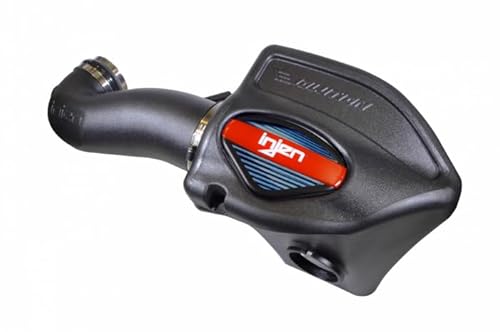 |
Injen Power-Flow Cold Air Intake (PF5070WB) Best for the 3.6 Pentastar V6 Fitment: 3.6L Pentastar V6 | Filter: oiled cotton SuperNano-Web | Tube: aluminum with heat shield |
8.7 | 🛒 Check Price |
 |
S&B Filters Cold Air Intake (75-5106) Best for Hellcat Builds Fitment: 6.2L supercharged Hellcat | Filter: cotton or dry, large surface area | Tube: fully sealed airbox |
9.2 | 🛒 Check Price |
 |
Volant Closed Box Cold Air Intake (16861) Best Sealed Airbox Fitment: 5.7L and 6.4L HEMI | Filter: Pro 5 or PowerCore dry | Tube: cross-link polyethylene |
8.5 | 🛒 Check Price |
1. K&N 63 Series AirCharger Cold Air Intake (63-1564): Best Overall
The K&N 63 Series AirCharger is the intake we keep coming back to for the naturally aspirated HEMI Challengers because it balances every priority a daily-driven SRT or R/T owner cares about. The enclosed airbox with its molded heat shield is the standout feature. Instead of leaving the filter exposed to radiator heat like a cheap open cone, it seals the filter off and pulls air from the cooler edge of the engine bay. That translates to a charge temperature that stays lower in stop-and-go traffic, which is exactly when most open intakes lose their edge. The roto-molded tube is dimensionally accurate, so the MAF housing sits where the ECU expects it and you avoid the lean trims that plague generic eBay tubes.
The honest weakness here’s the cotton-gauze filter maintenance. It’s a lifetime filter and that’s genuinely great for value, but it must be re-oiled correctly after every cleaning. Owners who get heavy-handed with the oil can foul the mass air flow sensor and throw a code, so this intake rewards people who follow the instructions and punishes those who don’t. If you’re comfortable with a careful clean-and-oil cycle once a year, nothing else in this list delivers a better all-around package.
- Heat-shielded enclosed airbox keeps intake charge cooler under the hood
- Million Mile washable cotton-gauze filter that reuses with the Recharger kit
- 50-state legal CARB EO number for emissions compliance
Pros: Strong, measurable airflow gains backed by K&N dyno data; Heat shield does a real job of isolating hot engine bay air; Filter lasts the life of the car with cleaning
Cons: Confirm the exact part number for your year, the 63 series spans several fitments; Cotton-gauze filter needs careful oiling to avoid over-oiling the MAF sensor
2. AEM Cold Air Intake System (21-8413DC): Best Airflow Engineering
AEM built the 21-8413DC for the owner who wants serious airflow without the maintenance ritual of an oiled filter. The Dryflow filter is the headline here. It’s a synthetic media that you simply rinse with water and let dry, with no oil to apply and therefore zero chance of contaminating the MAF sensor. For Challenger owners who have heard the horror stories about over-oiled cone filters, this alone makes the AEM worth a hard look. The mandrel-bent aluminum tube is genuinely well engineered, with smooth internal bends that keep air velocity high and turbulence low, and the sealed airbox keeps the filter fed with cooler outside air rather than radiator heat.
The trade-off comes from that same aluminum tube. Metal conducts and radiates underhood heat more readily than a roto-molded plastic tube, so on a long highway pull in summer the intake charge can warm up a touch more than a fully insulated plastic system. AEM mitigates this with the sealed box, but it’s a real physics difference worth knowing. If you value the no-oil filter and a polished engine bay look, the AEM is an outstanding choice and competes directly with our top pick.
- Dryflow synthetic filter that washes with water and never needs oil
- Mandrel-bent aluminum tube for smooth, high-velocity airflow
- Sealed airbox design with factory-style cold air feed
Pros: Oil-free filter removes all MAF over-oiling risk; Aluminum tube looks sharp and resists heat soak well; Backed by AEM lifetime warranty on the system
Cons: Aluminum tube transfers more underhood heat than a plastic tube; Slightly louder intake roar may be too much for some daily drivers
3. Spectre Performance Cold Air Intake (9985): Best Value
Spectre is owned by the same parent company as K&N, and the 9985 shows that pedigree where it counts. This is the intake we point budget-conscious 5.7 HEMI owners toward when they want a real airflow gain and a lifetime filter without stretching the wallet. The cotton-gauze cone filter cleans and reuses just like the pricier systems, the powder-coated steel tube is strong, and the included heat shield does block a meaningful amount of radiator heat from reaching the filter. Installation is refreshingly simple because it reuses the factory mounting points, so most owners have it bolted up in under an hour with hand tools.
Where the Spectre gives ground is in the heat shield design. It’s an open-style shield rather than a fully sealed airbox, so on the hottest days it can’t match the charge-temperature isolation of a K&N AirCharger or AEM sealed box. The steel tube also adds a bit of weight up front. Neither is a dealbreaker for a street car, and for the value on offer this is one of the smartest first mods a 5.7 owner can make.
- Conical cotton-gauze filter that cleans and reuses for the life of the car
- Powder-coated steel tube with a heat shield to block engine bay air
- Bolts to factory mounting points for a no-cut installation
Pros: Excellent value with washable filter included; Simple install using existing mounting hardware; Noticeable throttle and sound improvement on the 5.7
Cons: Heat shield is less enclosed than premium sealed airboxes; Steel tube is heavier than aluminum or plastic alternatives
4. Mishimoto Performance Air Intake (MMAI-CHAL-15): Best for the 392 Scat Pack
The Mishimoto MMAI system is purpose-built for the 6.4L 392 Scat Pack, and that focus shows. The sealed airbox uses a hood seal that mates against the underside of the hood, creating a closed path that pulls genuinely cold air from the grille opening rather than scavenging hot air off the radiator. On a big-displacement naturally aspirated engine like the 392, that consistent cold feed matters because the motor is moving a lot of air and is sensitive to charge temperature. The roto-molded tube is sized to the 392 throttle body, and the result is a deep, hungry intake note under wide-open throttle that 392 owners consistently rave about.
The limitation is that this system is designed around the 392 first, so 5.7 owners need to verify the specific application before buying rather than assuming it drops in. It also sits toward the premium end of the lineup, though the quality of the airbox and the hood seal justify the positioning. If you own a Scat Pack and want the cleanest cold air path money can buy, this is the intake to target.
- Sealed airbox with hood seal that draws cold air from the grille
- High-flow filter with both oiled and dry media options offered
- Roto-molded tube engineered specifically for the 392 throttle body
Pros: Hood-sealed airbox isolates the filter from underhood heat extremely well; Tube is tuned to the 6.4 for a deep, aggressive intake note; Mishimoto lifetime warranty and strong fit and finish
Cons: Engineered primarily for the 392, so confirm fit on a 5.7; Premium positioning means it sits at the upper end of the range
5. Injen Power-Flow Cold Air Intake (PF5070WB): Best for the 3.6 Pentastar V6
V6 Challenger owners are too often overlooked by the intake market, which is exactly why the Injen Power-Flow earns its spot. This system is engineered around the 3.6 Pentastar rather than being a HEMI part forced to fit, and that matters because the Pentastar responds well to reduced intake restriction. Injen’s MR Technology, which refers to the air horn and tube geometry they tune for each application, helps smooth the airflow and keep response crisp. The aluminum tube and heat shield are well made, and on the V6 the improvement in throttle eagerness and intake sound is genuinely satisfying for a car that came from the factory fairly muted.
The honest framing is that a V6 simply doesn’t move as much air as a HEMI, so the absolute horsepower gain is modest compared to what an SRT owner would see. This is an intake about responsiveness and character more than big peak numbers. The oiled cotton filter also carries the usual re-oiling discipline, so plan to clean and oil it carefully. For a Pentastar owner who wants the right part rather than a compromise, this is the one to get.
- Tuned for the 3.6 Pentastar V6 where airflow gains are most noticeable
- Aluminum tube with bolt-on heat shield to manage intake temps
- Injen MR Technology design for refined airflow tuning
Pros: One of the few quality intakes built specifically for the V6 Challenger; Meaningful throttle response improvement on the smaller engine; Solid aluminum construction and clean appearance
Cons: V6 gains are smaller in absolute terms than a HEMI sees; Oiled filter requires careful re-oiling to protect the MAF
6. S&B Filters Cold Air Intake (75-5106): Best for Hellcat Builds
When you’re feeding a supercharged 6.2L Hellcat, airflow demand goes through the roof, and the S&B 75-5106 is built for exactly that job. The defining feature is filter surface area. S&B uses an oversized filter inside a fully enclosed airbox, which means the blower has a huge, unrestricted source of cool air even at the top of the rev range where a smaller filter would start to choke. The airbox seals tightly against the hood and surrounding panels, so the cold air path stays cold and the filter never sees radiator heat. S&B also backs all of this with independently published airflow and filtration efficiency data, which is rare and appreciated in a market full of marketing claims.
The obvious limitation is that this is a Hellcat-specific system. It isn’t a part you adapt to a 5.7 or a V6, and it physically takes up more engine bay real estate because of that big airbox. For a Hellcat owner, especially one running a smaller pulley or other supporting mods, those are exactly the right trade-offs. If you have a blown Challenger and want an intake that won’t be the bottleneck, this is the system built for your engine.
- Oversized filter surface area to feed the supercharged 6.2 Hellcat
- Fully enclosed airbox with a tight seal against the hood and fenders
- Independently evaluated airflow and efficiency data published by S&B
Pros: Massive filter area suits the high demand of a blown HEMI; Sealed box delivers some of the lowest charge temps in testing; S&B publishes real efficiency and airflow lab data
Cons: Built for the Hellcat platform, not a fit for V6 or 5.7 cars; Larger footprint takes up more of the engine bay
7. Volant Closed Box Cold Air Intake (16861): Best Sealed Airbox
Volant takes a different philosophy from the open cone crowd, and the 16861 closed box system is all about keeping intake temperatures as low and stable as possible. The airbox is molded from cross-link polyethylene, a thick plastic that doesn’t conduct or radiate heat the way an aluminum tube does, so the filter sits in a genuinely insulated environment. You get a choice of filter media too, with the Pro 5 cotton-gauze for those who like the traditional washable filter and the PowerCore dry element for owners who want to skip oiling entirely. On a daily-driven HEMI that spends time in traffic, this resistance to heat soak is a real and underrated advantage.
The flip side of a sealed plastic box is character. Volant prioritizes function over drama, so the intake note is noticeably more subdued than an open AEM or Spectre system, and the utilitarian plastic styling won’t win an engine bay beauty contest. If you want your Challenger to bark loudly every time you open the throttle, look elsewhere. But if your priority is the coldest, most consistent charge temperature with the least maintenance, the Volant is a quietly excellent and durable pick.
- Fully sealed cross-link polyethylene airbox for low heat soak
- Choice of Pro 5 cotton or PowerCore dry filter media
- Plastic box stays cooler than metal in a hot engine bay
Pros: Sealed plastic box resists heat soak better than metal tubes; PowerCore dry filter option needs no oiling; Durable cross-link polyethylene construction
Cons: Intake sound is more subdued than open-style systems; Tube styling is more utilitarian than polished aluminum kits
Frequently Asked Questions
Will a cold air intake actually add horsepower to my Dodge Challenger?
Yes, but be realistic about the numbers. On a 5.7 HEMI or 392, a quality cold air intake typically frees up a modest but measurable gain, usually in the single-digit to low double-digit horsepower range at the wheels, and the improvement is often most noticeable as crisper throttle response and a stronger top end rather than a dramatic seat-of-the-pants kick. On a supercharged Hellcat, removing intake restriction matters more because the blower demands so much air. The V6 sees the smallest absolute gain. Across every engine the biggest real-world benefit owners report is the improved sound and the more eager throttle, with the dyno gain being the bonus on top.
Do I need a tune after installing a cold air intake on my Challenger?
For most of the 50-state-legal intakes on this list, no tune is strictly required because they’re designed to work with the factory MAF housing and keep air metering within the stock ECU’s adaptive range. The car’s computer adjusts fuel trims to compensate. Still, you’ll get the most out of any intake by pairing it with a tune, because a tuner can take advantage of the extra airflow and dial in the fuel and timing tables. If you’re stacking mods like a throttle body, headers, or a pulley on a Hellcat, a tune moves from optional to strongly recommended to keep everything safe and optimized.
Oiled cotton filter or dry synthetic filter, which is better for a Challenger?
Both work well and the right answer depends on your habits. Oiled cotton-gauze filters, like those from K&N and Spectre, flow excellently and are washable for the life of the car, but they must be re-oiled correctly after cleaning, and over-oiling can foul the mass air flow sensor and trigger a check engine light. Dry synthetic filters, like AEM Dryflow and the PowerCore dry option, rinse clean with water and never need oil, which removes all MAF contamination risk and is more foolproof. If you want maximum confidence on the road and easy maintenance, go dry. If you’re disciplined about following oiling instructions, a cotton filter is a proven choice.
Is a sealed airbox really worth it over an open cone filter?
In most cases, yes, especially for a daily driver. The whole point of a cold air intake is to feed the engine cooler, denser air. An open cone filter sitting in the engine bay can scavenge hot air radiating off the engine and radiator, which is called heat soak and it hurts performance precisely when you sit in traffic on a hot day. A sealed or heat-shielded airbox, like the K&N AirCharger, Mishimoto hood-sealed box, S&B, or Volant closed box, isolates the filter and keeps the charge temperature lower and more consistent. Open systems are usually louder and look flashier, but a sealed box almost always delivers better real-world intake temperatures.
Are these cold air intakes legal for street use and emissions in my state?
It depends on the specific part number and your state. Many of the intakes here, including the K&N 63 series, carry a CARB Executive Order number, which makes them legal even in California and other states that follow CARB emissions rules. Others are sold as 49-state legal or for off-road use only. Before you buy, always check that the exact part number for your engine and year lists a CARB EO number if you live in a state with strict emissions testing. Installing a non-exempt intake in a CARB state can cause you to fail a visual or smog inspection, so verify the compliance status for your application rather than assuming.
Our Verdict
For most Dodge Challenger owners, the K&N 63 Series AirCharger is our top pick because it nails the balance that matters: a sealed, heat-shielded airbox, a lifetime washable filter, 50-state legality on the right part numbers, and dyno-backed airflow across the 5.7 and 392 HEMI. It’s the safest all-around bet for a street-driven Challenger. Our runner up is the AEM 21-8413DC, which earns its place with the no-oil Dryflow filter and beautifully engineered mandrel-bent tube, making it the smarter pick for owners who never want to touch a bottle of filter oil. Hellcat owners should jump straight to the S&B 75-5106, V6 drivers to the Injen Power-Flow, and bargain hunters to the Spectre 9985, but for the broadest mix of performance, value, and confidence on the road, the K&N leads the pack.
More Performance Guides
- Turbocharger vs Supercharger: Choose Your Boost
- Cat-Back or Axle-Back: Which Exhaust Fits Your Goals
- Signs It’s Time to Clean Your Engine Throttle Body
- Cold Air Intake: What It Does and Real Horsepower Gains
- Catalytic Converter Failure: Signs and What It Does
- Best Aluminum Intakes for Small Block Chevy Engines


