If your paint still feels rough after a thorough wash, soap and water aren’t the problem. Bonded contaminants like industrial fallout, rail dust, tree sap mist, and overspray sit below the surface and lock onto the clear coat. A clay bar is the tool that physically shears those particles off, leaving paint so smooth your fingertips glide across it. That slick feel is the whole point, and it’s also what lets wax, sealant, or ceramic coating bond properly afterward.
We worked through the most popular clay bars on Amazon across daily-driver sedans, a neglected work truck, and a show-ready coupe to see which ones cut contamination fastest, marred the least, and held up longest before crumbling. Below are the seven that earned their place, ranked best first, with honest notes on where each one falls short.
| Photo | Product | Score | Buy |
|---|---|---|---|
 |
Mothers California Gold Clay Bar System Best Overall Two clay bars plus Instant Detailer lubricant, medium grade |
9.5 |
ⓘ We may earn a commission from qualifying purchases made through links on this page, at no extra cost to you.
|
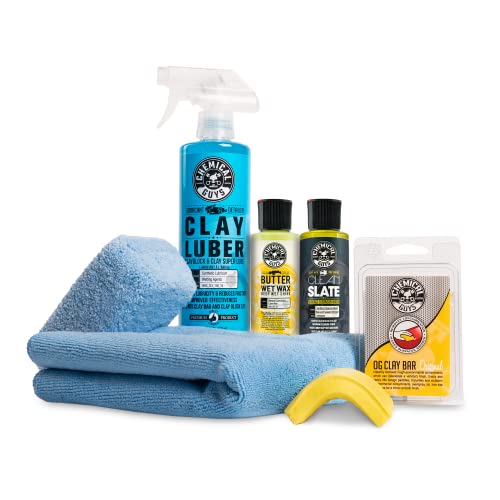 |
Chemical Guys Clay Bar and Luber Synthetic Lubricant Kit (Light/Medium Duty) Best Kit Two 100g bars with 16 oz synthetic clay luber, light to medium grade |
9.3 | 🛒 Check Price |
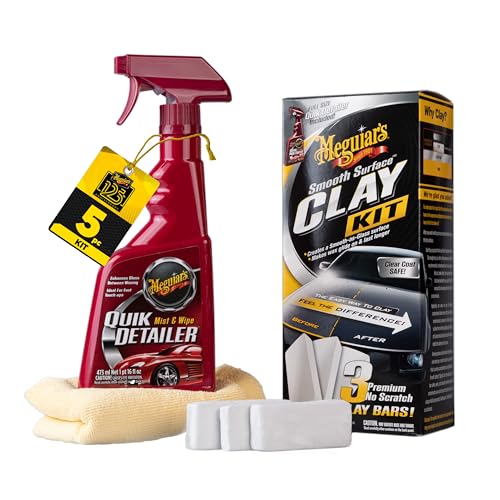 |
Meguiar's Smooth Surface Clay Kit (G1016) Most Trusted Two 80g bars plus Quik Detailer and microfiber towel, mild grade |
9.1 | 🛒 Check Price |
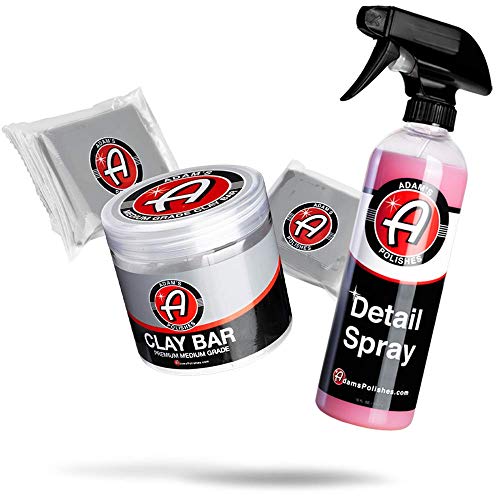 |
Adam's Polishes Detailing Clay Bar Best for Beginners Single fine-grade clay bar, sold as bar only |
8.9 | 🛒 Check Price |
 |
Griot's Garage Paint Cleaning Clay (10220) Most Durable Single 8 oz heavy clay bar, can be split into smaller pieces |
8.7 | 🛒 Check Price |
 |
TAKAVU Car Clay Bar (Pack of 4, 100g each) Best Value Multipack Four 100g medium-grade bars, bars only |
8.4 | 🛒 Check Price |
 |
SurfacePrep Auto Detailing Clay Bar (Pack of 3, 100g each) Best Heavy Duty Three 100g bars, fine and heavy grades available, bars only |
8.1 | 🛒 Check Price |
1. Mothers California Gold Clay Bar System: Best Overall
The Mothers California Gold system is the clay bar we hand to anyone claying for the first time, and it stays in the bag for veterans too. The medium-grade bar is aggressive enough to drag overspray and rail dust off a contaminated panel, yet soft and forgiving enough that it doesn’t haze the clear coat when you keep it flooded with the included Instant Detailer. Because the kit bundles two bars, a quality lubricant, and a microfiber towel, you aren’t stranded mid-job hunting for a spray bottle of quick detailer.
The honest weakness is value over the long haul. You burn through two smaller bars and a finite detailer bottle faster than you’d a single large block paired with your own gallon of lubricant. For one or two cars it’s perfect, but a high-volume detailer will refill on lubricant well before the second bar is gone. Drop a bar on the garage floor and it’s done, which is true of all clay, but stings a little more when the kit gives you only two.
- Complete kit with two bars and a dedicated spray lubricant
- Medium-grade clay safe for regular maintenance claying
- Microfiber towel included for wipe-off and inspection
Pros: Everything you need in one box, no guessing on lubricant; Forgiving on paint with very little marring when used wet; Pliable bar that warms and folds easily in the hand
Cons: Two bars get used up faster than a single large block; Included detailer spray runs out before the clay does
2. Chemical Guys Clay Bar and Luber Synthetic Lubricant Kit (Light/Medium Duty): Best Kit
Chemical Guys built this kit for people who want to clay more than a single weekend project. You get two full 100-gram bars and a 16-ounce bottle of their synthetic clay luber, which together carry you through several full vehicles before you’re reaching for refills. The light-to-medium grade is the sweet spot for most enthusiasts: it pulls bonded fallout and light overspray without the aggressive bite that demands a polish step afterward, so it works equally well as a once-a-season decon or a pre-coating prep.
The trade-off is the luber. It glides well but runs on the thin side, so on a hot panel it flashes off and you find yourself respraying more often than with a slicker formula. Let the lube dry and the bar starts grabbing, which is exactly when marring happens. As long as you keep the surface genuinely wet, the kit performs above its station, but it punishes impatience more than the Mothers system does.
- Two large 100-gram bars for plenty of working life
- Dedicated synthetic clay luber that adds extra glide
- Light-to-medium grade balances cutting power and safety
Pros: Generous bar size and matching luber lasts through several cars; Synthetic luber reduces grabbing and skipping on paint; Light-to-medium grade is a safe all-rounder
Cons: Luber is thinner than some rivals and needs frequent reapplication; Bars can feel firm until warmed in the hands
3. Meguiar's Smooth Surface Clay Kit (G1016): Most Trusted
Meguiar’s G1016 is the kit you reach for when the paint is already in decent shape and you want to keep it that way without risk. The two 80-gram bars are mild grade, which means they glide through light to moderate contamination and are very hard to mar with, even on soft black clear coats that show every mistake. The bundled Quik Detailer is a genuinely good lubricant and a useful spray to keep around afterward, so nothing in the box goes to waste.
That gentleness is also the catch. If your truck has years of baked-on fallout, tar specks, or paint overspray, the mild bar simply takes longer and may not fully clear the worst spots. It’s a maintenance and finishing clay, not a heavy-decontamination workhorse. The bars are also slightly smaller than the 100-gram blocks in some rival kits, so frequent users will restock a touch sooner.
- Two mild-grade bars ideal for maintenance decontamination
- Includes Quik Detailer as the working lubricant
- Microfiber towel bundled for clean wipe-off
Pros: Mild grade is extremely safe on soft and dark paint; Quik Detailer doubles as a standalone spray product; Trusted brand with consistent, predictable results
Cons: Mild grade struggles with heavy overspray or tar; Smaller 80-gram bars than some competing kits
4. Adam's Polishes Detailing Clay Bar: Best for Beginners
Adam’s earns its beginner-friendly reputation with a fine-grade bar that’s genuinely difficult to go wrong with. It stays soft and pliable, folds easily to reveal a clean face, and gives clear tactile feedback as it grabs and then releases bonded particles, so first-timers actually learn what proper claying feels like. Paired with a quality detail spray it leaves glass-smooth paint with minimal risk of the swirl-like marring that aggressive bars can leave behind.
The honest limitation is that you buy the bar on its own, with no lubricant in the package, so you need a detail spray or rinseless wash ready before you start. The fine grade that makes it so safe also means heavily contaminated or neglected panels take extra passes and patience compared with a medium or heavy bar. For a careful enthusiast keeping a clean car clean, that’s a fair trade, but a body shop tackling overspray will want something with more bite.
- Fine-grade formula engineered to minimize marring
- Soft and pliable for easy folding and reshaping
- Pairs cleanly with detail spray or rinseless wash
Pros: Very forgiving fine grade is hard to damage paint with; Stays soft and workable even in cooler garages; Excellent feedback so you feel contamination releasing
Cons: Sold as a bar only, so you supply your own lubricant; Fine grade needs more passes on heavy contamination
5. Griot's Garage Paint Cleaning Clay (10220): Most Durable
Griot’s Garage clay is the choice when contamination is bad and you have real work ahead. The full 8-ounce bar is large enough to split into several pieces, so a single purchase covers many details and stretches further than the two-bar kits. The heavier formula bites into stubborn bonded fallout, overspray, and rail dust that a mild maintenance bar would skate over, and the dense composition resists tearing and crumbling through a long, gritty session.
That extra cut comes with a caveat. On soft or dark clear coats the more aggressive grade can leave faint marring if you let the lubricant dry or apply too much pressure, so it often pairs best with a follow-up light polish. There’s also no lubricant in the box, meaning you supply your own clay lube or rinseless solution. Used with respect on genuinely contaminated paint, it’s a durable workhorse, but it isn’t the bar to hand a nervous first-timer.
- Large 8-ounce bar you can split for multiple jobs
- Heavier formula tackles stubborn bonded fallout
- Dense bar resists tearing during long sessions
Pros: Big bar splits into several reusable pieces for great longevity; Stronger cut handles overspray and heavy decon; Dense and durable, slow to crumble
Cons: More aggressive grade can mar soft paint if rushed; No lubricant included in the package
6. TAKAVU Car Clay Bar (Pack of 4, 100g each): Best Value Multipack
If you maintain a household full of cars or just hate running out, the TAKAVU four-pack gives you an enormous amount of clay in one purchase. Four individually wrapped 100-gram medium-grade bars mean you can drop one, dedicate one to wheels, and still have plenty left for paint. The medium grade is a sensible all-rounder that pulls everyday bonded contamination off without demanding a mandatory polish afterward, making it a practical pick for routine decon work.
The honest gap is refinement. The clay doesn’t feel quite as plush or consistent as the premium-brand bars, and you can occasionally hit a firmer batch that needs more warming before it works smoothly. There’s no lubricant in the box either, so factor in a clay lube or rinseless wash. None of that ruins the result on normal paint, but enthusiasts chasing the absolute lowest marring on show finishes will notice the difference against the top picks.
- Four 100-gram bars for high-volume or shared use
- Medium grade suits general decontamination duty
- Each bar is individually wrapped to stay clean
Pros: Huge amount of clay makes it ideal for multiple vehicles; Individually sealed bars store well between jobs; Medium grade handles typical contamination well
Cons: Build quality is less refined than premium-brand clay; No lubricant included, you must supply your own
7. SurfacePrep Auto Detailing Clay Bar (Pack of 3, 100g each): Best Heavy Duty
SurfacePrep rounds out the list as the bar for the worst contamination you’re likely to face. The three-bar pack in a heavier grade is built to attack paint overspray, industrial fallout, and stubborn rail dust that lighter clays merely skim. With three full bars you have enough material to dedicate one to a filthy panel and keep the others clean, which matters on a decontamination job where a single drop on the ground ends a bar’s life.
Because it cuts hard, it demands respect. The heavier grade is the most likely on this list to leave marring on soft or dark clear coats, so plan on a follow-up polish for show finishes, and keep the surface drenched in lubricant at all times. The bars also arrive fairly firm and need real warming and kneading before that first pass. As a targeted heavy-duty tool it delivers, but it’s overkill, and a risk, on paint that only needs a gentle maintenance clay.
- Three large bars for serious decontamination projects
- Available in heavier grades for stubborn overspray
- Reusable as long as the bar stays clean and pliable
Pros: Strong cut clears heavy overspray and industrial fallout; Three-bar count covers big or messy jobs; Good pick for body-shop style decon work
Cons: Heavier grade is more likely to mar delicate paint; Firmer bars need thorough warming before first use
Frequently Asked Questions
How often should I clay my car?
For most daily drivers, claying once or twice a year is plenty. The simplest test is the bag test: slip your hand into a thin plastic bag and glide your fingertips across freshly washed, dry paint. If it feels rough, gritty, or bumpy, it’s time to clay. If it feels glass-smooth, your paint is clean and claying would only remove a tiny bit of clear coat for no benefit. Cars parked outdoors, near rail lines, or in industrial areas pick up contamination faster and may need it more often, while a garaged car that’s washed regularly can go longer between sessions.
Does a clay bar remove scratches and swirl marks?
No, and this is the most common misunderstanding. A clay bar removes bonded contamination that sits on top of or just into the clear coat, things like overspray, rail dust, sap mist, and industrial fallout. Scratches and swirl marks are gouges cut into the clear coat itself, and the only way to reduce those is machine or hand polishing with an abrasive compound. Claying actually comes before polishing in the detailing order, because it leaves a clean surface so your polish and pads don’t drag trapped grit across the paint.
Can I reuse a clay bar, and when should I throw it away?
You can reuse a clay bar many times as long as it stays clean and pliable. As you work, fold and knead the bar to bury the contaminated face and expose fresh clay. Replace it the moment it stops folding into a clean surface, or immediately if you drop it on the ground. Even a single dropped bar is finished, because the embedded dirt and grit will scratch your paint on the very next pass. There’s no rinsing it clean once it hits the floor, so keep it in your hand and over a panel at all times.
Do I really need a special clay lubricant, or can I use soapy water?
You absolutely need lubrication, and what you use matters. A dedicated clay lube or quick detailer spray gives the most glide and the lowest risk of marring, which is why the better kits include one. In a pinch, a generous mix of car wash soap and water can work because it provides slickness, but never clay on a dry panel or with plain water alone. The clay must hydroplane across a flooded surface; the instant the lube dries out, the bar grabs and starts scrubbing contamination back into the paint, which is exactly how marring happens.
Should I wax or coat my car after claying?
Yes, always. Claying strips away bonded contaminants and any old wax or sealant along with them, leaving the clear coat bare and unprotected. Bare paint is more vulnerable to fresh contamination and the elements, so you should follow up with a wax, sealant, or ceramic coating to lock in that newly smooth finish. This is actually the ideal time to apply protection, because the surface is at its cleanest and smoothest, so your chosen product bonds better and lasts longer than it would over contaminated paint.
Our Verdict
For the best blend of cutting power, safety, and a complete ready-to-go kit, the Mothers California Gold Clay Bar System is our top pick and the easiest one to recommend to almost anyone. If you clay more often or want larger bars with their own dedicated luber, the Chemical Guys Clay Bar and Luber Kit is the runner up and offers more working life per purchase. Whichever you choose, keep the surface flooded with lubricant, fold to a clean face often, and follow up with wax or a sealant to protect that glass-smooth finish.