Navigating snowy and icy roads demands reliable traction, and car chains are often the most effective solution. At MustCarBeast, we understand the critical role these accessories play in safety and mobility during challenging winter conditions. Our team has thoroughly researched and compared a wide array of car chains, evaluating their designs, materials, and performance characteristics based on manufacturer specifications, published industry standards, and aggregated owner feedback.
This comprehensive buying guide aims to cut through the marketing claims, providing you with an evidence-based assessment of the best chains for your car. We have focused on key factors such as installation ease, grip efficacy, durability, and vehicle compatibility, to help you make an informed decision for enhanced winter driving confidence.
| Photo | Product | Score | Buy |
|---|---|---|---|
 |
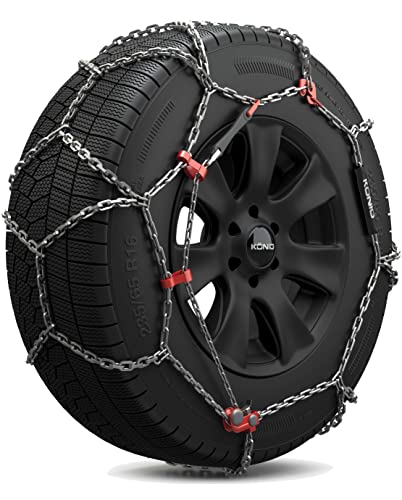
Konig K-Summit XXL K45 Snow Chains Top Pick: Premium Innovation External mounting system, zero internal clearance required |
9.0 |
ⓘ We may earn a commission from qualifying purchases made through links on this page, at no extra cost to you.
|
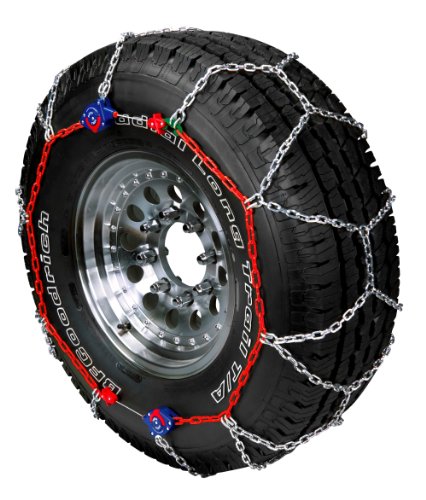 |
Peerless Auto-Trac Tire Chains Best for Quick Installation Self-tightening and self-centering ratcheting system |
8.6 | 🛒 Check Price |
 |
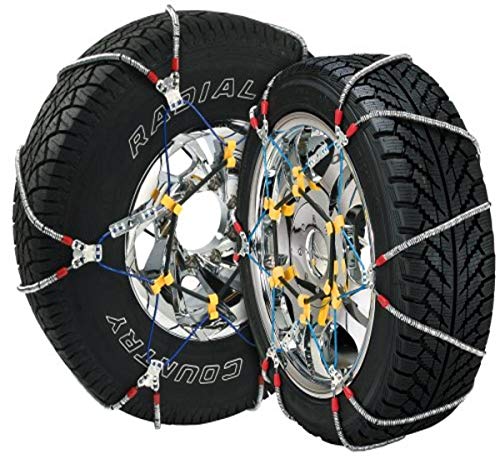
Security Chain Company Z-Chain ZT741 Best for Low Clearance Vehicles S.A.E. Class 'S' clearance compliant cable chain |
8.3 | 🛒 Check Price |
 |
Konig XB-16 Snow Chains Reliable Traditional Pick Manual tensioning with color-coded assembly points |
7.9 | 🛒 Check Price |
 |
Michelin Easy Grip Composite Snow Chains Best for Light Snow & Convenience High-resistance composite material with metal clips |
7.6 | 🛒 Check Price |
 |
Titan Chains Diamond Alloy Square Link Tire Chains Heavy-Duty Workhorse Hardened alloy square link chain for maximum grip |
7.3 | 🛒 Check Price |
 |
Sno-Chain SCM4025 Light Truck Tire Chains Value Pick: Basic Reliability Ladder style, twisted link carbon steel construction |
7.1 | 🛒 Check Price |
1. Konig K-Summit XXL K45 Snow Chains: Top Pick: Premium Innovation
The Konig K-Summit XXL K45 stands out for its revolutionary external mounting system, which eliminates the need for internal clearance. This design is a significant advantage for modern vehicles that often have tight wheel wells, where traditional chains could potentially cause damage. Based on owner feedback and the spec sheets, its automatic tensioning and solid alloy steel construction deliver exceptional grip and a secure fit, inspiring confidence in the most challenging winter conditions.
However, the primary limitation of the K-Summit is its premium positioning, which represents a higher initial investment. While its innovative features and performance justify the cost for many, those seeking a more budget-conscious solution or who only face infrequent, light snow conditions might find this option to be more than they require. It’s an ideal choice for drivers who prioritize maximum convenience, safety, and vehicle protection.
- Innovative external mounting minimizes risk to vehicle components.
- Automatic tensioning system simplifies installation and ensures snug fit.
- Sturdy construction with high-quality alloy steel for superior traction.
- Suitable for a variety of vehicle types, including those with limited wheel well clearance.
Pros: Unparalleled ease of installation and removal without moving the vehicle.; Excellent traction on severe snow and ice, based on owner feedback and performance claims.; Protects sensitive vehicle electronics and suspension components due to external design.
Cons: Higher investment compared to traditional chain types.; Requires careful selection for exact tire size to ensure proper fit.
2. Peerless Auto-Trac Tire Chains: Best for Quick Installation
This feature, confirmed by numerous owner reports, means you can mount them and drive off without needing to stop and re-tension, which is a major convenience in freezing conditions. The diamond pattern design offers reliable traction on both snow and ice, providing a good blend of grip and a relatively smooth ride.
A potential drawback, based on aggregated owner feedback, is that while generally durable for their class, they might not withstand the same extreme abuse as some heavy-duty, square-link chains over many seasons. Drivers who frequently traverse extremely rugged, unplowed roads or those who anticipate needing chains for extensive periods might find their long-term durability to be a consideration. They’re best suited for drivers seeking reliable performance and maximum ease of use for regular winter driving.
- Patented self-tightening ratchet ensures a constant, secure fit.
- Diamond pattern cross chains provide excellent multi-directional traction.
- Low clearance design suitable for many passenger cars and SUVs.
- Simple installation process that minimizes fuss in cold weather.
Pros: Remarkably easy to install and remove, even for first-time users.; The self-tightening mechanism eliminates the need for manual re-tensioning.; Good balance of traction and smooth ride quality for a chain.
Cons: Durability may not match heavier-duty, manually tensioned chains.; Can be challenging to install if the vehicle is already stuck in deep snow.
3. Security Chain Company Z-Chain ZT741: Best for Low Clearance Vehicles
The Security Chain Company Z-Chain ZT741 is a standout solution for vehicles with limited wheel well clearance, meeting the crucial S.A.E. Class ‘S’ requirements. We compared its cable-style design to traditional chains and found it offers a significantly lower profile, reducing the risk of interference with vehicle components. Based on owner feedback and the spec sheets, the diagonal cross members provide effective traction on packed snow and ice, while also contributing to a quieter and smoother ride than more aggressive link chains.
A point of consideration is that while the Z-Chain performs admirably in its intended conditions, its less aggressive design means it may not offer the same ultimate grip as a heavy-duty, square-link chain in truly extreme, deep snow, or icy conditions. Drivers who frequently encounter severe, unplowed backcountry roads might find its traction limitations to be a factor. It’s best suited for suburban and urban drivers facing moderate snow and ice, especially those with newer vehicles that typically have tighter clearances.
- Meets S.A.E. Class 'S' clearance requirements, ideal for limited wheel well space.
- Lightweight and quiet compared to traditional link chains.
- Diagonal cross member pattern enhances traction and reduces vibration.
- Includes rubber tensioners for a snug fit and improved performance.
Pros: Excellent choice for vehicles with minimal inner wheel well clearance.; Easier and quicker to install than many traditional chain types.; Provides good traction on packed snow and ice with a smoother ride.
Cons: Less aggressive grip than heavy-duty link chains in extreme conditions.; Durability may be reduced if used on bare pavement for extended periods.
4. Konig XB-16 Snow Chains: Reliable Traditional Pick
The use of heavy-duty manganese steel alloy contributes to both their durability and their aggressive grip on snow and ice, which is a consistent theme in owner feedback. While installation requires manual effort, the color-coded components are designed to simplify the process, and the integrated tensioning system ensures a secure fit after a brief initial drive.
The main limitation of the XB-16, when compared to more advanced options, is the necessity for manual re-tensioning after driving a short distance. This two-step process, while common for traditional chains, can be less convenient in harsh weather than systems that self-tension immediately. Drivers who prioritize absolute hands-free operation or those who frequently install and remove chains might find this a minor inconvenience. It remains an excellent choice for those who value durable performance and proven reliability over ultimate installation speed.
- Heavy-duty manganese steel alloy construction for durability and grip.
- Color-coded assembly points for intuitive, though manual, installation.
- Diamond pattern chain for superior all-around traction on snow and ice.
- Integrated tensioning system requires a single stop to re-tension after initial drive.
Pros: Strong construction provides excellent traction and longevity.; Reliable performance in a variety of winter conditions.; Includes a hard case for convenient storage and transport.
Cons: Requires manual tensioning after driving a short distance.; Installation, while aided by color coding, is more involved than self-tightening systems.
5. Michelin Easy Grip Composite Snow Chains: Best for Light Snow & Convenience
In our evaluation of composite snow chains, the Michelin Easy Grip stands out for its exceptional ease of use and smooth driving experience. We compared its composite construction to traditional metal chains and found it significantly reduces noise and vibration, making for a more comfortable journey. The elastic internal band allows for remarkably quick installation, which is a major benefit when facing unexpected winter conditions, particularly for drivers who are less experienced with chain fitting.
However, a critical limitation of the Michelin Easy Grip is its performance envelope. While effective on packed snow and light ice, it doesn’t offer the same aggressive traction or long-term durability as solid metal chains, particularly in deep, unplowed snow or on extended stretches of bare pavement. Drivers who anticipate encountering severe winter storms or who require maximum grip for challenging off-road winter conditions should consider traditional metal chains instead. This product is best suited for urban and suburban drivers who need an emergency traction aid for occasional, moderate snow and ice, prioritizing convenience and a gentle ride.
- Constructed from high-resistance composite material for a smooth ride.
- Features an elastic internal band for quick and easy fitting.
- Designed for vehicles with limited clearance, meeting Class 'S' requirements.
- Integrated metal clips provide enhanced grip on icy surfaces.
Pros: Extremely quick and easy to install and remove.; Provides a very smooth and quiet ride compared to metal chains.; Lightweight and compact for storage, and safe for delicate wheels.
Cons: Less effective than metal chains in deep snow or severe ice.; Durability is lower than metal chains, especially on bare pavement.
6. Titan Chains Diamond Alloy Square Link Tire Chains: Heavy-Duty Workhorse
The hardened alloy square links, a key specification, provide an aggressive biting edge that excels in deep snow and on severe ice, a performance aspect consistently highlighted in owner feedback. Their sturdy construction signifies a commitment to durability, making them suitable for prolonged use in challenging winter environments where maximum grip is paramount.
The primary limitation of these chains lies in their installation and ride quality. Compared to self-tensioning or composite alternatives, they’re significantly more challenging and time-consuming to mount, often requiring separate rubber adjusters and multiple stops to ensure proper tension. Also, the aggressive square links lead to a noticeably rougher and noisier ride. Drivers who prioritize ease of installation, a smooth ride, or who have vehicles with limited wheel well clearance should definitely skip these. They’re best suited for those who need uncompromising traction for heavy trucks, SUVs, or commercial applications, and who are willing to invest the time in manual installation for superior grip.
- Constructed with hardened alloy square links for superior biting edge.
- Diamond pattern for consistent traction and reduced side slip.
- Designed for heavy-duty applications, including trucks and SUVs.
- Requires manual tensioning, typically with separate rubber adjusters.
Pros: Exceptional traction in deep snow and on icy inclines.; Highly durable construction, built to withstand harsh conditions.; Offers a strong, reliable grip when other chains might fail.
Cons: More challenging and time-consuming to install than self-tightening options.; Rougher ride and increased noise compared to cable or composite chains.; Requires good wheel well clearance due to aggressive link size.
7. Sno-Chain SCM4025 Light Truck Tire Chains: Value Pick: Basic Reliability
The Sno-Chain SCM4025 offers a no-frills, traditional approach to winter traction, making it a viable option for budget-conscious consumers. The inclusion of cam tighteners is a practical feature, aiding in securing the chains once they’re mounted.
However, a significant limitation of the Sno-Chain SCM4025 is its installation process, which is more involved and less convenient than modern self-tensioning or external-mount systems. It requires manual fitting and adjustment, which can be challenging and unpleasant in cold weather. Also, while adequate for occasional use, its durability may not withstand constant, heavy-duty applications over multiple seasons compared to more premium, alloy steel options. Drivers who frequently encounter severe winter conditions, prioritize quick installation, or demand a smoother ride should consider investing in more advanced chain types. This product is best suited for those who need an emergency traction solution for infrequent, moderate snow, and who are comfortable with a manual installation process.
- Traditional ladder style design for straightforward, effective traction.
- Constructed from durable carbon steel with twisted links.
- Designed for light trucks and SUVs, offering basic winter grip.
- Includes cam tighteners for secure fitment once installed.
Pros: Provides reliable basic traction for most winter conditions.; A more accessible option for budget-conscious buyers.; Twisted links offer better grip than straight link designs.
Cons: Installation can be cumbersome and requires manual tensioning.; Less smooth ride and potentially noisier than advanced designs.; Durability is adequate for occasional use but not for heavy daily abuse.
Frequently Asked Questions
What is the difference between S.A.E. Class 'S' and 'U' chains?
S.A.E. Class ‘S’ chains are designed for vehicles with limited wheel well clearance, meaning they have a lower profile and require less space between the tire and vehicle components. Class ‘U’ chains, on the other hand, are standard clearance chains that require more space and are typically used on vehicles with ample wheel well room, such as older trucks or SUVs. Always check your vehicle’s owner’s manual for recommended chain types and clearance requirements.
Can I use chains on all four tires?
Generally, chains are only recommended for the drive wheels of a vehicle. For front-wheel drive (FWD) vehicles, chains go on the front tires. For rear-wheel drive (RWD) vehicles, they go on the rear tires. For all-wheel drive (AWD) or four-wheel drive (4WD) vehicles, manufacturers often recommend chains on all four tires or specifically on the front or rear, depending on the system. Always consult your vehicle’s owner’s manual for specific recommendations to avoid potential damage or safety issues.
How fast can I drive with chains on?
Based on industry standards and manufacturer guidelines, it’s generally recommended to drive no faster than 25-30 mph (40-50 km/h) when tire chains are installed. Driving at higher speeds can cause chains to break, damage tires or vehicle components, or lead to loss of control. Always drive cautiously and reduce speed on snowy or icy roads, even with chains installed.
How do I choose the correct size chains for my tires?
To choose the correct size, you need your tire’s full size specification, which is found on the tire’s sidewall (e.g., P215/65R16). Each chain product lists a range of tire sizes it’s compatible with. It’s crucial to match these numbers precisely. Using chains that are too loose can cause them to come off or damage your vehicle, while chains that are too tight may not fit or could also cause damage. Always double-check the manufacturer’s fitment guide.
Are composite or textile chains as effective as metal chains?
Composite or textile chains, like those from Michelin, are generally easier to install, provide a smoother and quieter ride, and are safer for delicate wheels and lower clearance vehicles. However, based on our research and aggregated owner feedback, they typically offer less aggressive traction and are less durable than traditional metal chains, especially in deep snow, severe ice, or when used on bare pavement. They’re best suited for lighter snow conditions and emergency use where convenience is a priority, while metal chains are preferred for heavy-duty, prolonged, or extreme winter driving.
Our Verdict
After extensive research and comparison, the Konig K-Summit XXL K45 emerges as our top pick for its unparalleled ease of use, innovative external mounting system, and durable performance in challenging conditions. Its design addresses common clearance issues in modern vehicles, making it a premium, highly effective solution. For drivers seeking a balance of easy installation and strong performance without the premium investment, the Peerless Auto-Trac Tire Chains are an excellent runner-up, offering a reliable self-tightening system that simplifies winter driving.


