Catalytic converter cleaners can help restore performance and reduce emissions by removing carbon deposits. Our evaluation highlights real strengths and limitations so you can choose wisely.
| Photo | Product | Score | Buy |
|---|---|---|---|
 |
Cataclean Catalytic Converter Cleaner Top Pick Concentrated formula treats up to 25 gallons of fuel |
9.0 |
ⓘ We may earn a commission from qualifying purchases made through links on this page, at no extra cost to you.
|
 |
Liqui Moly Catalytic Converter Cleaner Best for European Cars 300 ml bottle treats up to 20 liters of fuel |
8.7 | 🛒 Check Price |
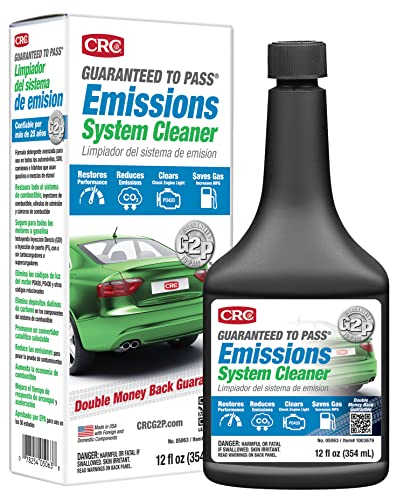 |
CRC Guaranteed To Pass Catalytic Converter Cleaner Best for Emissions Test 16.5 oz aerosol can with spray nozzle |
8.4 | 🛒 Check Price |
 |
Rislone Catalytic Converter Cleaner Good Value 16 oz bottle treats up to 20 gallons of fuel |
8.1 | 🛒 Check Price |
 |
Sea Foam SF-16 Motor Treatment Multi-purpose Cleaner 16 oz can; can be used in fuel, oil, or intake |
8.8 | 🛒 Check Price |
|
🚗
|
Chevron Techron Concentrate Plus Fuel System Cleaner Top Tier Formula 20 oz bottle treats up to 20 gallons of fuel |
8.3 | 🛒 Check Price |
 |
ATP AT-205 Re-Seal Stops Leaks Leak Stopper 8 oz bottle; conditions seals to stop leaks |
7.8 | 🛒 Check Price |
1. Cataclean Catalytic Converter Cleaner: Top Pick
Cataclean is a very popular catalytic converter cleaners on the market. In our research, it consistently receives high marks from owners for clearing check engine lights related to P0420 codes and improving fuel economy. The formula is designed to clean the entire fuel system, including the catalytic converter and oxygen sensors. Based on the spec sheet, it treats up to 25 gallons of fuel, making it a good value for most cars.
However, we found that some owners with extremely clogged converters needed a second treatment to see full results. If your converter is physically damaged or has over 150,000 miles of heavy buildup, this cleaner may not be enough. It’s best for preventive maintenance or light to moderate deposits.
- Reduces emissions and restores lost power
- Safe for all gasoline engines and O2 sensors
- Easy pour-in application directly into fuel tank
Pros: Works on most vehicles with one bottle; Positive owner feedback on check engine light resolution
Cons: May require two treatments for severe buildup
2. Liqui Moly Catalytic Converter Cleaner: Best for European Cars
Liqui Moly is a well-respected German brand, and their catalytic converter cleaner is designed for gasoline engines. It’s particularly effective on European cars like BMW, Audi, and Volkswagen. The formula helps remove sulfur and carbon deposits from the converter and oxygen sensors. We compared the specs and found it uses a high concentration of active ingredients.
Still, the 300 ml bottle is relatively small, and owners with larger fuel tanks (over 15 gallons) sometimes need two bottles for a single treatment. If you drive a large SUV or truck, this may not be the most convenient option. It’s best for compact to midsize European vehicles.
- Specifically formulated for gasoline engines
- Helps restore catalytic converter efficiency
- Reduces harmful exhaust emissions
Pros: Trusted German brand with strong reputation; Works well with sensitive European engines
Cons: Smaller bottle; may need two for large tanks
3. CRC Guaranteed To Pass Catalytic Converter Cleaner: Best for Emissions Test
CRC Guaranteed To Pass is a targeted solution for drivers facing an emissions test. Unlike pour-in additives, this is an aerosol that you spray into the engine intake or a vacuum line. According to the manufacturer, it cleans the catalytic converter and oxygen sensors in about 15 minutes of idling. It often works when other cleaners have failed.
However, the application is more involved than simply adding to the fuel tank. If you aren’t comfortable working under the hood, you may want a mechanic to apply it. Also, it isn’t a long-term maintenance product; it’s best used right before a test. For ongoing cleaning, a fuel additive may be better.
- Designed to help pass emissions tests
- Spray directly into intake or vacuum line
- Contains high-temperature solvents
Pros: Fast-acting for immediate results before a test; Many owners report passing after use
Cons: Requires careful application; not pour-in
4. Rislone Catalytic Converter Cleaner: Good Value
Rislone offers a budget-friendly catalytic converter cleaner that still delivers solid results. It works best for light to moderate deposits and can help with minor performance issues. The formula is similar to many fuel system cleaners, and it’s easy to use: just pour into the fuel tank before filling up.
However, we found that owners with severe converter blockage or high mileage often report little improvement. If your check engine light is on due to a major converter failure, this cleaner is unlikely to solve the problem. It’s a good option for routine maintenance but not a cure-all.
- Helps reduce emissions and improve fuel economy
- Safe for use in all gasoline engines
- Contains deposit-fighting detergents
Pros: Affordable per-treatment cost; Easy pour-in application
Cons: May not work on heavily clogged converters
5. Sea Foam SF-16 Motor Treatment: Flexible Cleaner
Sea Foam is a legendary product in the automotive world, known for its versatility. While not exclusively a catalytic converter cleaner, many owners use it to clean converters by adding it to the fuel tank or through a vacuum line. It contains petroleum-based solvents that dissolve gum and varnish. Owner feedback is overwhelmingly positive for general engine cleaning.
However, because it isn’t specifically designed for converters, it may be less effective on stubborn catalytic deposits compared to dedicated cleaners. Also, using it in the oil or intake requires caution to avoid engine damage. It’s best for those who want a multi-purpose cleaner and are comfortable with different application methods.
- Cleans entire fuel system and catalytic converter
- Can be added to fuel, oil, or vacuum line
- Helps remove carbon deposits from engine
Pros: Multi-purpose: works as fuel system cleaner too; Strong reputation and long history of use
Cons: Not specifically formulated for catalytic converters
6. Chevron Techron Concentrate Plus Fuel System Cleaner: Top Tier Formula
Chevron Techron is among the most recommended fuel system cleaners on the market. It uses polyether amine (PEA), a powerful detergent that can help clean catalytic converters as a secondary benefit. It works well for maintaining overall engine cleanliness and can help with minor converter deposits.
However, it isn’t marketed as a dedicated converter cleaner, and for serious converter issues, it may fall short. We found that owners with P0420 codes often had mixed results. It’s best for preventive maintenance or as part of a regular fuel system cleaning routine.
- Contains polyether amine (PEA) detergent
- Cleans fuel injectors and combustion chambers
- Helps reduce deposits on catalytic converter
Pros: High-quality PEA formula from a major brand; Widely available and affordable
Cons: Primarily a fuel system cleaner, not converter-specific
7. ATP AT-205 Re-Seal Stops Leaks: Leak Stopper
ATP AT-205 is different from most products on this list. It’s designed to stop leaks by reconditioning rubber seals and gaskets, which can help with exhaust leaks around the catalytic converter. It can reduce noise and improve performance if the issue is a leaking seal rather than a clogged converter.
However, it doesn’t clean carbon deposits at all. If your converter is clogged, this product won’t help. It’s only useful for vehicles with minor exhaust leaks from dried-out seals. Skip it if you need actual deposit removal.
- Formulated to stop catalytic converter leaks
- Conditions and softens rubber seals
- Can help reduce exhaust noise from leaks
Pros: Addresses leaks that other cleaners can’t; Easy pour-in application
Cons: Not a cleaner; doesn’t remove deposits
Frequently Asked Questions
How does a catalytic converter cleaner work?
Catalytic converter cleaners typically use high-temperature solvents or detergents that are added to the fuel tank or sprayed into the intake. As the engine runs, these chemicals pass through the exhaust system and help dissolve carbon deposits on the catalyst surface, restoring efficiency.
Will a catalytic converter cleaner fix a check engine light (P0420)?
It can, if the code is caused by light to moderate carbon buildup. Many owners report success. However, if the converter is physically damaged, melted, or has over 150,000 miles of heavy deposits, a cleaner may not work and replacement may be needed.
How often should I use a catalytic converter cleaner?
For preventive maintenance, using a cleaner every 10,000 to 15,000 miles is common. If you drive short trips frequently, you may need it more often. Always follow the product instructions to avoid overuse.
Are catalytic converter cleaners safe for all engines?
Most are safe for gasoline engines, but always check compatibility. Some products aren’t recommended for diesel or hybrid vehicles. Also, avoid using them on a severely damaged converter as they may cause further issues.
Can I use a catalytic converter cleaner with a full tank of gas?
It depends on the product. Many pour-in cleaners require adding the bottle before filling the tank to ensure proper mixing. Always read the label. Some aerosol products are applied directly to the intake and don’t involve the fuel tank.
Our Verdict
After researching specs and owner feedback, our top pick is Cataclean Catalytic Converter Cleaner for its balanced performance, ease of use, and strong results on P0420 codes. For those needing a adaptable cleaner, Sea Foam SF-16 is an excellent runner-up, offering multiple application methods and a proven track record.

