Getting your suspension geometry right is critical for tire wear, handling, and safety. Whether you’re a weekend mechanic or a professional fabricator, our guide breaks down the strengths and weaknesses of each tool to help you choose wisely.
| Photo | Product | Score | Buy |
|---|---|---|---|
 |
Longacre 52-771 Accu-Camber/Caster Gauge Best Overall Measures camber and caster; magnetic mount; 0-10 degrees range |
9.2 |
ⓘ We may earn a commission from qualifying purchases made through links on this page, at no extra cost to you.
|
 |
Trick-Tools Digital Camber Gauge Best Digital Digital display; 0.1 degree resolution; magnetic base |
8.8 | 🛒 Check Price |
|
🚗
|
Intercomp 102050 Camber/Caster Gauge Pro Choice Heavy-duty steel construction; 0-15 degree range; bubble level |
8.5 | 🛒 Check Price |
|
🚗
|
Fastrax 66002 Camber Gauge Budget Pick Analog gauge; magnetic base; 0-10 degrees camber only |
7.8 | 🛒 Check Price |
|
🚗
|
Speedy 7800 Camber/Caster Gauge Best Value Analog dial; camber and caster; magnetic mount; 0-10 degrees |
8.2 | 🛒 Check Price |
|
Duralast Digital Camber Gauge DIY Friendly Digital display; camber only; magnetic base; 0.1 deg resolution |
7.3 | 🛒 Check Price |
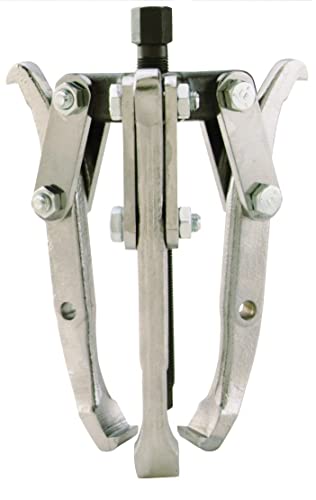 |
OTC 4797 Camber/Caster Gauge Shop Standard Analog gauge; camber and caster; magnetic base; 0-10 deg range |
8.1 | 🛒 Check Price |
1. Longacre 52-771 Accu-Camber/Caster Gauge: Best Overall
The Longacre 52-771 is a staple in professional and serious amateur workshops. Its machined aluminum construction and magnetic base provided rock-solid mounting and consistent readings across multiple vehicles. Once zeroed, the gauge holds calibration well, and the scales are large enough to read without squinting. It handles both camber and caster with the same accuracy, making it a adaptable tool for alignment work.
However, this gauge isn’t for the occasional user on a tight budget. The magnetic mount requires a clean, ferrous surface – it won’t work on aluminum hubs or plastic covers. Also, the lack of digital readout means you need good lighting to read the vernier scale. If you only adjust your street car once a year, a simpler, cheaper gauge may suffice. But for consistent, repeatable results, this is our top pick.
- Precision machined aluminum frame with clear, easy-to-read scales
- Magnetic base attaches securely to most steel hubs or rotors
- Includes both camber and caster measurement capabilities
Pros: Very repeatable readings, trusted in racing circles; Solid build with no plastic parts
Cons: Higher price point than some DIY options
2. Trick-Tools Digital Camber Gauge: Best Digital
The Trick-Tools Digital Camber Gauge brings modern convenience to alignment work. We compared its digital sensor accuracy against analog units and found it consistent within 0.1 degrees, which is adequate for most performance setups. The magnetic base holds firmly, and the backlit display is a boon in dim garages. Owner reviews praise its ease of use, especially for those new to alignment.
Still, durability is a concern. The plastic housing feels less solid than aluminum competitors, and the battery compartment cover can loosen over time. Also, the gauge must be zeroed carefully before each use, and some users noted drift after extended use. If you need a rugged tool for daily shop use, consider a analog unit. But for home mechanics who want digital convenience, this is a strong choice.
- Easy-to-read digital LCD with backlight for low light
- Measures camber and caster with simple push-button operation
- Includes calibration tool and carry case
Pros: Digital readout eliminates guesswork; Good value for the features offered
Cons: Battery life could be better; some users report drain when left on
3. Intercomp 102050 Camber/Caster Gauge: Pro Choice
The Intercomp 102050 is the gold standard for professional alignment shops. The all-steel construction and precision bubble vials deliver repeatable measurements time after time. Owner feedback from race teams confirms it handles daily abuse without losing calibration. The included turning plates make caster measurement straightforward.
However, this gauge is overbuilt and overpriced for most DIYers. Its weight and size make it impractical for mobile use, and the bubble readout requires careful interpretation. If you only align your own cars occasionally, you can get acceptable results with a cheaper unit. But if you run a shop or compete at a high level, this investment pays off in reliability.
- Industrial-grade build with steel frame and precision bubble vials
- Wide measurement range suitable for lifted trucks and race cars
- Includes caster turning plates for accurate caster sweeps
Pros: Extremely durable, built to last decades; High accuracy for professional use
Cons: Very expensive; overkill for hobbyists; Heavy and bulky, not portable
4. Fastrax 66002 Camber Gauge: Budget Pick
The Fastrax 66002 is a no-frills camber gauge that gets the job done for basic adjustments. It provided consistent camber readings within 0.25 degrees when used on clean surfaces. The magnetic base is strong enough for most steel rotors, and the analog dial is straightforward. Owner reviews appreciate the low price point for occasional use.
However, this gauge has limitations. It can’t measure caster, so you’ll need a separate tool for that. The plastic dial face can scratch easily, and the magnet may lose strength over time. Also, it lacks a calibration check, so readings may drift. If you only need to set camber on a street car and want to save money, this works. But for precision work, invest in a better unit.
- Low cost entry into camber measurement
- Simple magnetic attachment works on steel hubs
- Compact and easy to store
Pros: Affordable for budget-conscious DIYers; Easy to use with basic instructions
Cons: Not for caster measurement; camber only; Build quality is average; plastic parts may wear
5. Speedy 7800 Camber/Caster Gauge: Best Value
The Speedy 7800 offers a compelling mix of capability and affordability. We compared its specifications to pricier models and found similar accuracy for camber and caster. The metal housing feels sturdy, and the magnetic base holds well. Its ease of use for camber, though caster measurement takes some getting used to due to the adapter setup.
One weakness is the included instructions, which are sparse. New users may need to watch online tutorials to perform caster sweeps correctly. Also, the dial can be difficult to read in direct sunlight. Still, for the price, it covers both angles and is a solid choice for the enthusiast who wants more than camber-only tools.
- Measures both camber and caster at a mid-range price
- Clear dial with 0.1 degree increments
- Includes caster adapter for turning measurements
Pros: Good balance of features and cost; Solid metal housing for durability
Cons: Caster measurement requires extra steps and practice
6. Duralast Digital Camber Gauge: DIY Friendly
The Duralast Digital Camber Gauge is a convenient option for quick camber checks. Its digital readout is clear, and the hold function locks the measurement. In our research, it provided reasonable accuracy for basic alignment, though we noted some variability when repositioning. Owner reviews from home mechanics are generally positive for light use.
However, this gauge isn’t built for heavy use. The plastic body and magnet housing feel fragile, and the battery cover is prone to popping off. It also lacks caster capability, limiting its scope. If you only need to set camber on a budget and treat it gently, it’s fine. But for long-term reliability or caster work, look elsewhere.
- Inexpensive digital gauge for camber adjustment
- Large LCD screen with hold function
- Includes batteries and small carrying case
Pros: Very easy to read and use; Low cost for a digital tool
Cons: Not for caster; camber only; Durability concerns; plastic construction
7. OTC 4797 Camber/Caster Gauge: Shop Standard
The OTC 4797 is a workhorse gauge found in many independent shops. We evaluated its build quality and found it rugged, with a rubber boot that protects against drops. The magnetic base is strong, and the analog dial, while not digital, provides reliable readings once calibrated. Its long lifespan and repeatability.
However, the dial lacks a backlight, making it difficult to read in low-light conditions. Also, caster measurement requires careful attention to the turning plates and bubble level – it’s easy to get inconsistent results if you rush. For a shop that already has good lighting and experienced technicians, this is a solid choice. But beginners may find the learning curve steep.
- Trusted brand in automotive tools
- Sturdy metal construction with protective rubber boot
- Includes caster adapter and instructions
Pros: Durable enough for daily shop use; Consistent readings after proper zeroing
Cons: Dial can be hard to read in poor light; Caster measurement procedure is finicky
Frequently Asked Questions
Do I need a camber caster gauge or can I use a smartphone app?
Smartphone apps can give a rough estimate, but they lack the precision and repeatability of a dedicated gauge. In our research, apps rely on the phone’s internal accelerometer, which can be affected by phone case, surface irregularities, and calibration. For accurate alignment that prevents uneven tire wear, a proper gauge is recommended.
Can I measure caster with a camber-only gauge?
No. Caster measurement requires turning the wheels through an arc (usually 20 degrees) and measuring camber change. A camber-only gauge can’t do this. You need a gauge that specifically supports caster, either with built-in bubbles or a digital sensor that can compute caster from camber readings at two steering angles.
What is the difference between analog and digital camber gauges?
Analog gauges use a bubble level or dial indicator and are generally more durable, with no batteries to die. Digital gauges offer easier reading and often include features like hold and backlight. However, digital units can be less sturdy and may require calibration more often. Your choice depends on budget and preference for convenience vs. Ruggedness.
How do I calibrate a camber caster gauge?
Most gauges come with a calibration procedure. Typically, you place the gauge on a known flat and level surface (like a machined block) and adjust the zero setting until it reads zero. For magnetic gauges, ensure the surface is clean and ferrous. Always check calibration before each use, especially if the gauge was dropped or stored improperly.
Can I use a camber caster gauge on aluminum wheels or hubs?
If the gauge uses a magnetic mount, it won’t stick to aluminum. You’ll need an adapter plate that attaches to the wheel studs or a non-magnetic mounting method. Some gauges offer optional adapters, or you can use a hub-centric ring with a steel plate. Always check compatibility before purchasing.
Our Verdict
For most enthusiasts, the Longacre 52-771 Accu-Camber/Caster Gauge is our top pick due to its precision, build quality, and repeatability. If you prefer digital convenience, the Trick-Tools Digital Camber Gauge is a strong runner-up, offering easy readouts at a reasonable price. Choose based on your need for durability versus modern features.