A heavy Harley demands brake pads that bite hard, stay consistent when they get hot, and do not chew through your rotors. Whether you ride a loaded Street Glide two-up through the mountains or commute on a Sportster, the pad compound you choose changes how the bike feels at the lever and how confident you are coming into a corner.
We looked at the pads riders actually buy and run for thousands of miles, focusing on real stopping power, fade resistance under repeated hard braking, noise, dust, and how kind each pad is to your discs. Below are seven proven options that fit the most common Harley front and rear calipers, ranked best first so you can match the right compound to how you ride.
| Photo | Product | Score | Buy |
|---|---|---|---|
 |
EBC Brakes FA Series Double-H Sintered Brake Pads Best Overall Fully sintered HH-rated compound, front and rear fitments for most Harley models |
9.5 | 🛒 Check Price |
 |
Lyndall Brakes Z-Plus Organic Brake Pads Easiest on Rotors Kevlar-based organic Z-Plus compound engineered for OEM and aftermarket Harley rotors |
9.3 | 🛒 Check Price |
 |
EBC Brakes FA Series Organic Brake Pads Best Value Organic Aramid-fiber organic compound, broad FA-number fitment for Harley front and rear |
9.1 | 🛒 Check Price |
 |
Drag Specialties Premium Organic Brake Pads Best for Daily Riders Premium organic friction material, direct OEM-style replacement for Harley calipers |
8.9 | 🛒 Check Price |
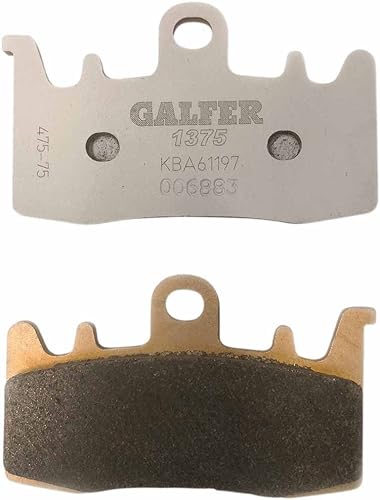 |
Galfer 1375 Semi-Metallic Brake Pads Best Wet-Weather Grip 1375 semi-metallic compound, strong wet and dry performance for Harley fitments |
8.8 | 🛒 Check Price |
 |
SBS 838H.HF Sintered Brake Pads Best Fade Resistance Sintered HF-rated compound built for high-heat, high-load braking |
8.6 | 🛒 Check Price |
 |
Harley-Davidson OEM Brake Pads Best Factory Match Genuine factory friction compound matched to Harley caliper and rotor specs |
8.3 | 🛒 Check Price |
1. EBC Brakes FA Series Double-H Sintered Brake Pads: Best Overall
The EBC Double-H is the pad we hand most Harley riders who just want their bike to stop with authority and not fade when things get serious. The HH rating is EBC’s highest street friction grade, and you feel it the moment you grab the lever. On a fully loaded touring bike dropping off a pass, these pads held their bite where softer compounds would start going long and mushy. The sintered construction sheds heat well and shrugs off water, so wet morning rides do not give you that nervous first-pull delay.
The honest trade-off is rotor wear. A sintered HH pad is aggressive by nature, and over many tens of thousands of miles it will wear your discs faster than an organic pad would. They can also feel slightly abrupt at crawling speeds, which takes a ride or two to modulate smoothly. For most riders that grip is exactly what they want, but if you baby the bike and keep rotors forever, weigh that in.
- HH friction rating for the strongest initial bite in the EBC street range
- Sintered copper-alloy backing resists fade on long downhill descents
- Wide application coverage across Touring, Softail, Dyna, and Sportster calipers
Pros: Excellent cold and hot bite, grabs hard from the first pull; Holds up to repeated heavy braking on heavy baggers; Huge fitment range so you can match front and rear easily
Cons: Sintered compound is harder on rotors than organic pads over the long haul; Can feel a touch grabby in low-speed parking-lot maneuvers
2. Lyndall Brakes Z-Plus Organic Brake Pads: Easiest on Rotors
Lyndall built the Z-Plus around a Kevlar-rich organic compound, and the result is a pad that stops strong while treating your rotors gently. This is the set we reach for on bikes with premium floating or aftermarket discs that you do not want to grind down. The feel is the standout: braking builds progressively rather than snapping on, so trail-braking into a corner or feathering the rear in traffic is smooth and intuitive. Dust output is low, which keeps polished wheels looking clean.
The compromise is at the very top of the bite range. A sintered pad will out-grab the Z-Plus in raw initial stopping force, so riders who haul heavy loads and want the most aggressive grab may find these a little gentle by comparison. Under hard repeated use the organic material also wears faster than sintered. For sport-touring and spirited street riders who value rotor life and feel, though, it is a superb balance.
- Non-metallic Kevlar matrix designed to protect both stock and floating rotors
- Strong progressive feel that builds smoothly through the lever stroke
- Low-dust formula keeps wheels and calipers cleaner between washes
Pros: Far gentler on rotors than sintered pads; Smooth, predictable modulation that builds rider confidence; Noticeably less brake dust on the wheels
Cons: Softer initial bite than a sintered HH pad; Pad life can be shorter under very aggressive riding
3. EBC Brakes FA Series Organic Brake Pads: Best Value Organic
If you want EBC reliability and fitment coverage but prefer an organic feel, the FA-series organic pads are the sensible pick. They engage quietly and smoothly, with the kind of progressive, no-drama braking that suits everyday street and commuter riding. Rotor wear is light and squeal is rare, so this is an easy upgrade for a rider who found their stock pads noisy or harsh. EBC’s part numbering makes finding the right front and rear set straightforward.
Where they show their limits is heat. Push a heavy bike through repeated hard stops or a long descent and the organic compound will start to fade before a sintered pad would. That is the nature of the material, not a defect. For relaxed touring, commuting, and general street duty they deliver clean, confident braking, but riders who routinely brake hard from speed should step up to the Double-H instead.
- Quiet aramid organic compound for low noise and smooth engagement
- Gentle on rotors with minimal disc scoring over the pad life
- Extensive FA part-number range covers nearly every Harley caliper
Pros: Quiet and smooth with very little squeal; Kind to rotors and produces moderate dust; Easy to find the correct fitment for almost any model
Cons: Will fade sooner than sintered pads under sustained hard braking; Less outright bite for heavy two-up touring loads
4. Drag Specialties Premium Organic Brake Pads: Best for Daily Riders
Drag Specialties organic pads are the no-fuss choice for riders who just want to restore worn brakes to a healthy, stock-like feel. They go in as a direct replacement, behave exactly the way you expect Harley brakes to behave, and stay quiet around town. For commuters and weekend cruisers who are not chasing maximum performance, this is a dependable set that does its job without surprises and is easy to find when it is time to swap.
Because they are tuned for OEM-style behavior rather than upgraded grip, do not expect a dramatic increase in stopping power over a fresh factory pad. Under long, hard braking they will fade like any organic compound. That said, for the rider who values predictability, quiet running, and easy installation over outright bite, these hit the mark and represent solid everyday value.
- OEM-style organic compound for a familiar stock-like brake feel
- Direct bolt-in fitment with no caliper modification needed
- Consistent everyday performance with quiet operation
Pros: Drop-in replacement that feels like factory pads; Quiet and comfortable for daily and around-town riding; Reliable, widely stocked, and easy to source
Cons: Not a performance upgrade over stock bite; Heat fade appears under sustained aggressive braking
5. Galfer 1375 Semi-Metallic Brake Pads: Best Wet-Weather Grip
Galfer’s 1375 semi-metallic compound is the pad we recommend to riders who deal with a lot of rain. The semi-metallic mix gives you much of the bite of a sintered pad while keeping the smoother, more linear feel of an organic, and it performs notably well when the roads are wet. First-pull response stays sharp even after riding through standing water, which is a genuine confidence boost on a heavy bike in bad weather. Temperature stability is good, so the feel does not change much from a cold morning start to a hot afternoon.
The cost of that metal content is dust and a bit of extra rotor wear. You will see more grime on the wheels than with an organic pad, and discs will wear somewhat faster than a pure organic set, though not as quickly as with a full sintered HH compound. For all-weather riders who want one pad that does everything competently, the 1375 is a smart middle-ground choice.
- Semi-metallic formula bridges organic smoothness and sintered bite
- Strong, consistent grip in wet conditions and standing water
- Stable friction across a wide operating temperature range
Pros: Excellent wet-weather stopping confidence; Good balance of bite and modulation; Holds performance well across temperature swings
Cons: Produces more dust than a pure organic pad; Slightly more rotor wear than organic compounds
6. SBS 838H.HF Sintered Brake Pads: Best Fade Resistance
SBS is a respected European brake maker, and the sintered 838 set is about one thing above all: staying consistent when the brakes get hot. On long mountain descents and repeated hard stops where lesser pads start to go long, these hold their bite remarkably well. The cold-to-hot consistency is excellent too, so you do not get that vague first-stop feeling before the pads come up to temperature. For riders who load their bikes heavy and ride terrain that punishes brakes, the fade resistance here is the headline.
As a sintered pad it carries the usual trade-off of faster rotor wear, so plan disc replacement accordingly over the long term. The other practical limit is fitment: SBS coverage for Harley is good but not as exhaustive as EBC, so confirm the correct part number for your exact model and year before ordering. If your fitment is covered and you brake hard for a living, these are hard to beat on heat management.
- Sintered construction engineered for sustained high-temperature use
- Strong fade resistance on long descents and heavy braking
- Consistent friction whether the pad is cold or fully heat-soaked
Pros: Outstanding resistance to brake fade under heat; Very consistent bite from cold to hot; Durable pad life under demanding use
Cons: Aggressive on rotors like all sintered pads; Fitment range is narrower than EBC across some Harley models
7. Harley-Davidson OEM Brake Pads: Best Factory Match
Sometimes the safest answer is the factory part. Genuine Harley-Davidson pads are matched to your bike’s calipers and rotors and validated by the manufacturer, so you get guaranteed fitment and exactly the braking character the bike was designed around. For riders who want zero ambiguity about compatibility and prefer to keep everything on the bike to factory spec, OEM pads remove all the guesswork and behave predictably right out of the box.
The honest weakness is that you pay a premium for a pad that does not out-perform the better aftermarket options on this list. Performance-focused riders will get more bite from EBC Double-H or SBS sintered pads, and more rotor-friendly behavior from Lyndall organics. OEM pads earn their place for guaranteed fitment and a known, balanced feel rather than for being the strongest stopper in the group.
- Engineered and validated for your exact Harley caliper and rotor
- Guaranteed correct fitment with no guesswork on part numbers
- Balanced, predictable feel that matches the original ride
Pros: Exact factory fitment and known compatibility; Predictable, balanced braking with no break-in surprises; Backed by genuine Harley quality control
Cons: Less outright bite than aftermarket performance pads; Generally the priciest route for the performance you get
Frequently Asked Questions
Are sintered or organic brake pads better for a Harley?
It depends on how you ride. Sintered pads like the EBC Double-H or SBS 838 give the strongest bite and the best resistance to fade, which makes them ideal for heavy touring bikes, two-up riding, and long descents. Organic pads like the Lyndall Z-Plus or EBC FA organic are smoother, quieter, kinder to your rotors, and produce less dust, which suits commuters and riders who value disc life and a progressive lever feel. A semi-metallic pad such as the Galfer 1375 splits the difference. If you brake hard from speed, go sintered; if you prioritize smoothness and rotor longevity, go organic.
Will aftermarket pads damage my Harley rotors?
Quality aftermarket pads will not damage rotors when matched correctly, but the compound does affect wear rate. Sintered pads are more aggressive and will wear discs faster than organic pads over many miles, which is simply the nature of the material rather than a defect. Organic and Kevlar-based pads like the Lyndall Z-Plus are specifically formulated to be gentle on both stock and floating rotors. Whatever you choose, always confirm the pad is rated for your rotor type, bed the pads in properly, and replace them before they wear down to the backing plate to avoid scoring the disc.
How do I know which brake pads fit my Harley?
Fitment depends on your exact model, year, and which caliper you have, since front and rear calipers usually take different pads and some years changed designs mid-run. Brands like EBC and SBS publish part-number lookups by model and year, so match the listing to your specific bike rather than assuming all Harleys share one pad. If you want zero guesswork, genuine Harley-Davidson OEM pads are guaranteed to fit. When in doubt, pull your current pads and compare the shape and mounting, or give your VIN to the seller to confirm the correct front and rear sets.
How long do Harley brake pads last?
Pad life varies widely with compound, riding style, bike weight, and conditions, so mileage figures are only a rough guide. Sintered pads generally last longer under hard use because the harder material resists wear, while organic pads can wear faster when ridden aggressively but often run quieter and cleaner. Heavy touring bikes ridden two-up wear pads faster than a light commuter. The reliable approach is to inspect pad thickness regularly rather than chase a mileage number, and replace any pad approaching the minimum thickness or showing uneven wear well before it reaches the backing plate.
Do new Harley brake pads need to be broken in?
Yes, bedding in new pads matters and skipping it is a common reason riders feel disappointed with a fresh set. Bedding transfers an even layer of friction material onto the rotor and brings the pads to full bite, especially with sintered compounds. The usual method is a series of progressively firmer stops from moderate speed without coming to a complete halt or dragging the brakes, then letting everything cool. Follow the specific bed-in instructions on the pad packaging. Until the pads are bedded, expect slightly reduced bite and possibly some initial noise, both of which settle after the process.
Our Verdict
For most Harley riders the EBC Brakes Double-H sintered pads are the top pick, delivering the hardest bite, the best fade resistance, and the widest fitment coverage for everything from baggers to Sportsters. If you ride premium or floating rotors and want smoother, low-dust braking that treats your discs gently, the Lyndall Z-Plus organic pads are the runner up and a superb choice for sport-touring and spirited street use. Match the compound to how you actually ride and confirm fitment for your exact model and year, and either set will transform how confidently your Harley stops.
More Brakes Guides
Video Guide
Video: Related tutorial from YouTube