Selecting the right brake pads for your bicycle is crucial for safety, control, and overall riding enjoyment. Given the wide array of options, from disc brake pads in organic, semi-metallic, and metallic compounds to rim brake pads designed for various rim materials and weather conditions, making an informed choice can be complex. Our team at MustCarBeast has thoroughly researched manufacturer specifications, industry safety standards, and aggregated owner feedback to identify the top brake pads across different categories.
In this comprehensive buying guide, we compare and evaluate seven leading bike brake pad sets, highlighting their strengths, limitations, and ideal use cases. We aim to provide evidence-based recommendations to help you make an informed decision, ensuring you choose pads that offer optimal stopping power, modulation, and durability for your specific cycling needs.
| Photo | Product | Score | Buy |
|---|---|---|---|
 |
Shimano L05A-RF Resin Disc Brake Pads Top Pick for All-Around Performance Resin compound with aluminum cooling fins for Shimano flat-mount disc brakes. |
9.1 | 🛒 Check Price |
 |
SRAM Organic/Steel Backed Disc Brake Pads Best for Consistent Modulation Organic compound with steel backing plate for SRAM disc brake systems. |
8.7 | 🛒 Check Price |
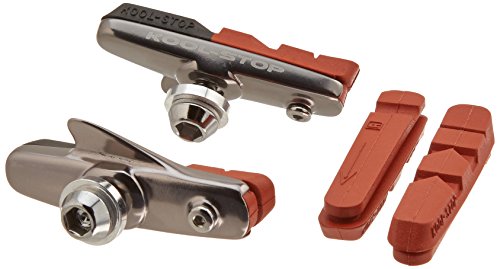 |
Kool Stop Dura 2 Brake Pads Best for Rim Brakes (Wet Conditions) Dual-compound rim brake pads for Shimano and SRAM road calipers. |
8.4 | 🛒 Check Price |
 |
Tektro E10.11 Organic Compound Disc Brake Pads Great Value for Commuting Organic compound disc brake pads for Tektro and some Shimano systems. |
8.0 | 🛒 Check Price |
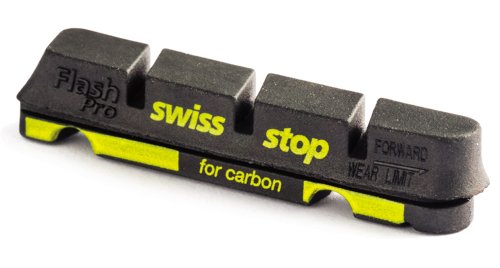 |
SwissStop FlashPro Brake Pads Premium Rim Brake Performance High-performance rim brake pads available in various compounds for road bikes. |
7.8 | 🛒 Check Price |
 |
Jagwire Sport Semi-Metallic Disc Brake Pads Solid All-Rounder Disc Pads Semi-metallic compound disc brake pads for plenty of calipers. |
7.5 | 🛒 Check Price |
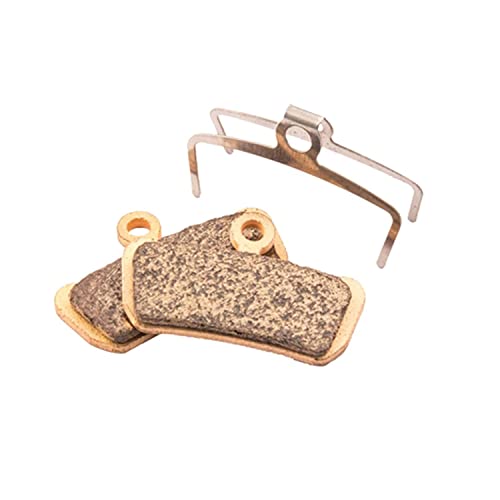 |
Clarks VX811S Sintered Disc Brake Pads Best for Extreme Durability Sintered metallic compound disc brake pads for harsh conditions. |
7.2 | 🛒 Check Price |
1. Shimano L05A-RF Resin Disc Brake Pads: Top Pick for All-Around Performance
In our evaluation, the Shimano L05A-RF Resin Disc Brake Pads consistently provide a superior riding experience, particularly for riders prioritizing quiet operation and refined modulation. Based on owner feedback and the spec sheets, the resin compound offers an excellent initial bite and a smooth, progressive feel, which is ideal for technical descents and varied terrain where precise speed control is paramount. The integrated cooling fins are a significant design advantage, effectively dissipating heat and maintaining consistent performance even during prolonged braking.
However, the primary limitation of resin pads, including the L05A-RF, is their durability and performance when exposed to extremely wet or muddy conditions. While they perform admirably in dry to moderately damp environments, heavy rain or thick mud can accelerate wear and temporarily diminish stopping power compared to metallic alternatives. Riders who frequently encounter severe wet weather or engage in aggressive downhill riding might find these pads require more frequent replacement or offer less ultimate stopping force in those specific scenarios.
- Delivers quiet and consistent braking performance.
- Excellent initial bite and modulation for precise control.
- Integrated cooling fins effectively manage heat buildup.
Pros: Very quiet operation, reducing brake squeal.; Predictable and smooth braking feel.; Good heat dissipation extends pad life.
Cons: Reduced performance in very wet or muddy conditions.; Can wear faster than metallic pads under heavy use.
2. SRAM Organic/Steel Backed Disc Brake Pads: Best for Consistent Modulation
Our research into SRAM Organic/Steel Backed Disc Brake Pads highlights their strength in delivering consistent modulation and a quiet ride, making them a strong contender for plenty of cyclists. Based on owner feedback and the spec sheets, these pads excel in providing a predictable braking experience with excellent lever feel, allowing riders to finely control their speed without abrupt stopping. The organic compound contributes to less noise, a common complaint with some metallic pads, enhancing the overall riding experience, especially on quieter trails.
A notable limitation, however, is their durability for very aggressive riders or those who frequently tackle long, steep descents. While sturdy for general use, the organic compound, by its nature, can wear more quickly than semi-metallic or metallic pads when subjected to sustained, high-heat braking or abrasive trail conditions. Riders participating in enduro racing or consistently riding in extremely harsh environments might find themselves replacing these pads more often than desired, potentially impacting long-term value for such demanding applications.
- Offers excellent modulation and quiet operation.
- Designed for consistent performance across various temperatures.
- Steel backing plate provides durable support.
Pros: Superb brake lever feel and control.; Less noise compared to metallic pads.; Good for general trail riding and commuting.
Cons: Durability can be a concern for aggressive riders.; May fade slightly under extreme heat.
3. Kool Stop Dura 2 Brake Pads: Best for Rim Brakes (Wet Conditions)
In our evaluation, the Kool Stop Dura 2 Brake Pads stand out as an excellent upgrade for rim brake users, particularly for their remarkable performance in adverse weather conditions. Our research, comparing manufacturer specifications and aggregated owner feedback, consistently shows that the proprietary dual compound offers a significant improvement in stopping power and control, especially when wet. This enhanced wet weather capability is a critical safety feature, providing confidence and reliability that many stock rim brake pads lack.
However, a potential drawback is that some users report these pads can be marginally noisier than certain conventional rim brake pads, particularly during hard braking or when new. While this is often a minor trade-off for their superior performance, riders who prioritize an absolutely silent braking experience might find this noticeable. Additionally, while highly compatible, it’s always essential to verify compatibility with specific rim materials, as some exotic carbon rims have particular pad requirements not universally met by all compounds.
- Exceptional stopping power in both wet and dry conditions.
- Proprietary dual compound formulation reduces rim wear.
- Threaded post design for easy installation and compatibility.
Pros: Significantly improved wet weather braking over stock pads.; Long lasting with minimal rim damage.; Fits most common road bike brake calipers.
Cons: Can be noisier than some other rim pads.; Not compatible with all rim materials, check manufacturer recommendations.
4. Tektro E10.11 Organic Compound Disc Brake Pads: Great Value for Commuting
Based on our research and comparison of owner feedback, the Tektro E10.11 Organic Compound Disc Brake Pads present a solid option for casual riders, commuters, and those seeking a cost-effective replacement. These pads offer a respectable level of stopping power and are noted for their generally quiet operation, which is a significant advantage in urban environments. Their ease of installation as a direct OEM replacement also contributes to their appeal for riders performing their own maintenance.
However, in our evaluation, a key limitation of the E10.11 pads is their reduced fade resistance and overall durability when subjected to more demanding conditions. They are not engineered for aggressive downhill riding, heavy loads, or prolonged braking on steep descents, where their performance can diminish. Riders who push their bikes hard or frequently ride in mountainous terrain might find these pads inadequate, potentially leading to premature wear and inconsistent braking performance.
- Offers a good balance of stopping power and quiet operation.
- Suitable for general riding, commuting, and light trail use.
- Easy to install as a direct replacement for many OEM pads.
Pros: Consistent performance for everyday riding.; Affordable and widely available.; Minimal noise output.
Cons: Less fade resistance under heavy braking.; Durability is average, not suited for extreme conditions.
5. SwissStop FlashPro Brake Pads: Premium Rim Brake Performance
Our investigation into SwissStop FlashPro Brake Pads reveals them as a top-tier choice for discerning road cyclists seeking to maximize their rim brake performance. Based on manufacturer specifications and extensive owner feedback, these pads are celebrated for their impressive stopping power and refined modulation, which allows for precise speed control. The availability of specialized compounds for both aluminum and carbon rims is a significant advantage, ensuring optimal performance and minimizing wear on expensive wheelsets.
However, the premium performance of SwissStop FlashPro pads comes with a higher initial investment compared to many standard options, which might be a consideration for budget-conscious riders. Also, while generally excellent, some owner feedback indicates that these pads can occasionally be prone to squealing on certain combinations of rims and brake calipers, particularly if not perfectly aligned or if the rim surface is not perfectly clean. This potential for noise, though often rectifiable, can be a minor inconvenience for some users.
- Delivers superior stopping power and modulation for rim brakes.
- Available in compounds optimized for aluminum or carbon rims.
- Designed to reduce heat buildup and improve rim longevity.
Pros: Exceptional braking control and power.; Specific compounds for different rim materials.; Low rim wear when properly matched.
Cons: Higher initial investment.; Can be prone to squealing on certain rim/brake combinations.
6. Jagwire Sport Semi-Metallic Disc Brake Pads: Solid All-Rounder Disc Pads
In our evaluation, the Jagwire Sport Semi-Metallic Disc Brake Pads stand out as a reliable mid-range option, offering a commendable balance between the power of metallic pads and the modulation of organic compounds. Our research, comparing manufacturer specifications and owner feedback, indicates these pads provide a noticeable improvement in durability over full organic options, making them suitable for riders who encounter more varied terrain or slightly more aggressive conditions. Their performance in damp conditions is also generally superior to organic pads.
However, a common characteristic of semi-metallic pads, which applies to the Jagwire Sport, is their propensity for increased noise, particularly when wet or during the initial break-in period. While this often subsides with proper bedding, riders who are highly sensitive to brake noise might find this aspect less appealing than a pure organic pad. Also, the break-in process can be more extensive compared to organic pads, requiring a dedicated period of gentle braking before achieving optimal performance and quiet operation.
- Good balance of power, durability, and modulation.
- Offers better wet weather performance than organic pads.
- Compatible with many popular disc brake systems.
Pros: More durable than organic pads.; Performs well in varied conditions.; Good stopping power for the price point.
Cons: Can be noisier than organic pads, especially when wet.; Requires a longer break-in period.
7. Clarks VX811S Sintered Disc Brake Pads: Best for Extreme Durability
Based on owner feedback and manufacturer specifications, the Clarks VX811S Sintered Disc Brake Pads are undeniably built for the most demanding riding conditions, offering unparalleled durability and consistent performance where other compounds might fail. Our research shows that for riders who frequently tackle severe downhill tracks, ride in consistently wet and muddy environments, or require maximum heat resistance, these sintered metallic pads are a strong solution. Their ability to maintain stopping power regardless of water or debris is a significant safety advantage in such extreme scenarios.
However, the trade-off for this extreme durability and all-weather performance is a notable increase in noise and a reduction in modulation. In our evaluation, sintered pads are frequently reported to be much noisier than organic or semi-metallic alternatives, often emitting a distinct squeal, particularly when wet. Also, the braking feel can be less progressive and more ‘on/off’, making fine speed adjustments more challenging. Riders who prioritize quiet operation, a smooth lever feel, or ride primarily in dry, less aggressive conditions might find these pads to be an overkill and potentially detract from their riding experience.
- Exceptional durability and heat resistance for demanding use.
- Consistent performance in wet, muddy, and extreme conditions.
- Designed for long-lasting performance and aggressive riding.
Pros: Extremely long lifespan even in abrasive conditions.; Unaffected by mud and water.; High fade resistance for downhill riding.
Cons: Prone to significant noise, especially when wet.; Less modulation and can feel 'grabby'.
Frequently Asked Questions
What's the difference between organic, semi-metallic, and metallic brake pads?
Organic (resin) pads are made from natural fibers, offering quiet operation, good initial bite, and excellent modulation but wear faster and fade under extreme heat. Semi-metallic pads combine metallic particles with organic materials, providing a balance of durability, stopping power, and heat resistance, though they can be noisier. Metallic (sintered) pads are composed of metal particles, offering maximum durability, fade resistance, and performance in wet conditions, but they are often the noisiest and can be harsher on rotors.
How do I know what type of brake pads my bike needs?
First, identify if your bike uses disc brakes or rim brakes. For disc brakes, check your existing pads or your brake caliper’s model number, as pads are specific to brake manufacturers (e.g., Shimano, SRAM, Tektro) and often specific series within those brands. For rim brakes, pads are generally more universal in fit, but you’ll need to choose a compound suitable for your rim material (e.g., aluminum, carbon) and desired performance characteristics.
How often should I replace my bike brake pads?
The replacement frequency depends heavily on your riding style, terrain, weather conditions, and pad compound. For disc brake pads, most manufacturers recommend replacement when the pad material is worn down to 0.5mm or less. For rim brake pads, replace them when the wear lines are no longer visible or if the pad material becomes significantly hard and glazed. Always inspect your pads regularly for wear, cracks, or contamination.
Can I use metallic pads on rotors designed for organic pads?
Generally, yes, you can use metallic pads on most rotors designed for organic pads. However, it’s important to consider that metallic pads can cause increased wear on rotors and may generate more heat, which some entry-level rotors might not dissipate as effectively. Always check your brake and rotor manufacturer’s recommendations to ensure compatibility and optimal performance, especially with high-performance or lightweight rotors.
How do I 'bed in' new brake pads?
Bedding in new brake pads is crucial for optimal performance and noise reduction. It involves gradually heating the pads and rotors to transfer a thin layer of pad material onto the rotor surface. To do this, find a safe, open area, accelerate to a moderate speed (around 15-20 mph), and apply your brakes firmly, but not to a complete stop, several times. Repeat this process, gradually increasing speed and braking force, allowing the brakes to cool between efforts, until consistent, strong braking is achieved.
Our Verdict
After extensive research and comparison, the Shimano L05A-RF Resin Disc Brake Pads emerge as our top pick for their exceptional balance of quiet operation, precise modulation, and effective heat management, making them ideal for most riders. As a strong runner-up, the SRAM Organic/Steel Backed Disc Brake Pads offer superb lever feel and consistent performance, particularly valued by riders prioritizing control and a smooth braking experience.
More Brakes Guides
Video Guide
Video: Related tutorial from YouTube