DOT 4 brake fluid is the sweet spot for most modern cars. It boils hotter than DOT 3, plays nicely with ABS and traction control systems, and shrugs off the heat that builds when you brake hard down a long grade or drag a trailer. The catch is that not every bottle labeled DOT 4 performs the same. Wet boiling points, water tolerance, and how quickly the fluid degrades all vary, and the wrong choice can leave you with a soft, sinking pedal when you need it most.
We compared seven DOT 4 fluids that real owners and shops actually trust, judging them on dry and wet boiling point, corrosion protection, seal compatibility, and how confident the pedal felt after a few heat cycles. Whether you drive a daily commuter, a German sedan that demands a low-viscosity LV fluid, or a weekend track car, there’s a bottle here that fits.
| Photo | Product | Score | Buy |
|---|---|---|---|
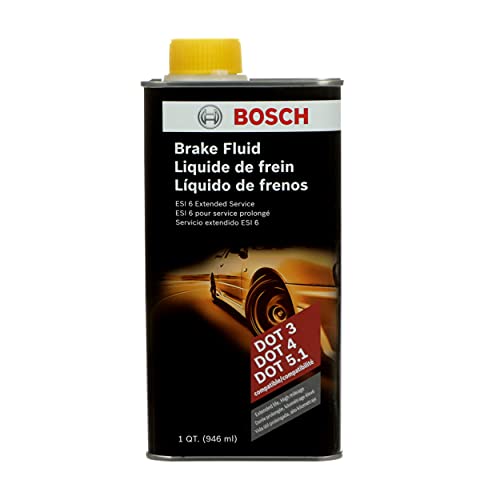 |
Bosch ESI6-32N DOT 4 Low Viscosity Brake Fluid Best Overall Type: DOT 4 LV (ESI6) | Dry BP approx 260C | Container: 1 liter |
9.5 |
ⓘ We may earn a commission from qualifying purchases made through links on this page, at no extra cost to you.
|
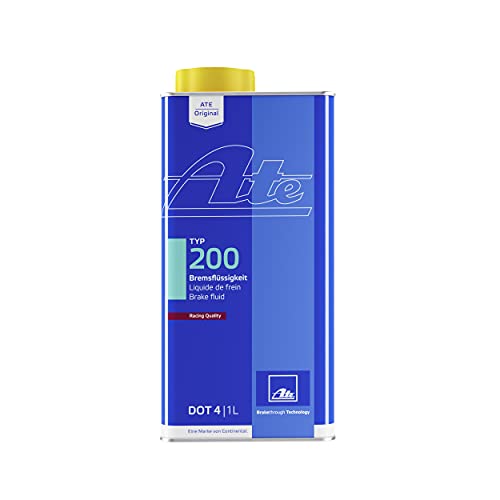 |
ATE TYP 200 DOT 4 Brake Fluid Best for Performance Type: DOT 4 | Dry BP approx 280C | Wet BP approx 198C |
9.4 | 🛒 Check Price |
 |
Castrol React Performance DOT 4 Brake Fluid Best Premium Type: DOT 4 | Dry BP approx 265C | Wet BP approx 175C |
9.2 | 🛒 Check Price |
 |
Motul DOT 5.1 Brake Fluid Best High Temp Upgrade Type: DOT 5.1 (DOT 4 compatible) | Dry BP approx 270C | Wet BP approx 185C |
9.1 | 🛒 Check Price |
 |
Prestone DOT 4 Synthetic Brake Fluid Best Value Type: DOT 4 synthetic | Meets FMVSS 116 DOT 4 | Container: 32 oz |
8.8 | 🛒 Check Price |
 |
Valvoline DOT 3 and DOT 4 Brake Fluid Best for Daily Drivers Type: DOT 3 and DOT 4 | Meets FMVSS 116 | Container: 12 oz |
8.5 | 🛒 Check Price |
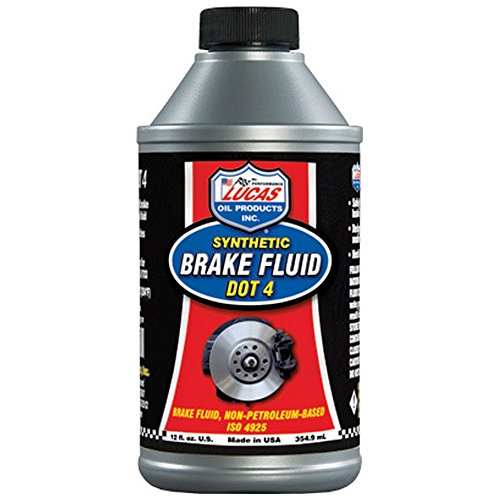 |
Lucas Oil DOT 4 Brake Fluid Most Available Type: DOT 4 | Meets FMVSS 116 DOT 4 | Container: 12 oz |
8.2 | 🛒 Check Price |
1. Bosch ESI6-32N DOT 4 Low Viscosity Brake Fluid: Best Overall
The Bosch ESI6 earns the top spot because it covers nearly every modern car without forcing you to hunt for a brand specific fluid. It’s a true low viscosity DOT 4 LV product, which means it flows correctly through the tight passages of ABS and stability control units in cold weather, something thicker fluids struggle with. The dry boiling point sits near 260C, giving you a real safety margin on long mountain descents or during spirited driving where heat builds fast.
What sets it apart in daily use is how slowly it degrades. Bosch rates it for extended intervals, and in practice the pedal stays firm long after a cheaper fluid would start feeling spongy from absorbed moisture. The honest weakness is that it’s more fluid than an old commuter needs, and the one liter bottle is best used in a single flush rather than opened repeatedly, since DOT 4 pulls water from the air every time the cap comes off.
- Low viscosity formula approved for ABS, ESP, and traction control systems
- High dry boiling point near 260C resists fade under hard, repeated braking
- Extended service interval rated, so it stays effective longer than basic DOT 4
Pros: Meets DOT 4, DOT 4 LV, and many European spec requirements in one bottle; Excellent water absorption resistance keeps wet boiling point high; One liter size covers a full flush on most cars
Cons: Overkill for an older car that only needs basic DOT 4; Resealing the larger bottle for storage takes care to avoid moisture
2. ATE TYP 200 DOT 4 Brake Fluid: Best for Performance
ATE TYP 200 has a cult following among enthusiasts, and it’s well deserved. With a dry boiling point around 280C, it sits far above the DOT 4 minimum and gives you genuine confidence when brake temperatures climb on a track day or a fast canyon run. The wet boiling point near 198C is just as important, because it tells you how the fluid behaves after it has soaked up moisture over a year or two of service.
It bleeds clean, feels firm, and pairs naturally with European cars that came with high spec fluid from the factory. The one trade off worth knowing is that ATE discontinued the alternating color versions that once let you watch fresh fluid push out the old during a flush, so you lose that visual cue. For a road car or a weekend track toy, that’s a small price for a fluid this capable.
- Exceptionally high dry boiling point around 280C for track and spirited driving
- Strong wet boiling point near 198C holds up as the fluid ages
- Trusted by European performance owners as an OE level upgrade
Pros: One of the highest boiling points you can buy without going racing only; Resists fade through repeated hard stops on a road course; Compatible with standard DOT 3 and DOT 4 systems
Cons: No longer offered in the old amber color that made bleeding obvious; Slightly more than a basic commuter will ever use
3. Castrol React Performance DOT 4 Brake Fluid: Best Premium
Castrol React Performance is the fluid to reach for when you want a recognized premium name with motorsport pedigree behind it. The dry boiling point near 265C handles aggressive street driving and the occasional track session without drama, and the pedal stays firm even after a series of hard stops. Castrol consistency is a real benefit here, since you know each bottle meets the same standard.
It performs best as a high quality everyday upgrade rather than a dedicated competition fluid. The wet boiling point, while solid, doesn’t match the very top performance specialists, so if you run sustained track sessions you may prefer something more extreme. For a fast street car or a daily that occasionally sees a spirited drive, React Performance is a dependable, confidence inspiring choice.
- Premium DOT 4 with a high dry boiling point near 265C
- Formulated to maintain firm pedal feel under heavy braking
- Backed by Castrol motorsport heritage and broad vehicle approval
Pros: Reliable brand with consistent quality control bottle to bottle; Good balance of high temperature performance and everyday durability; Widely compatible with DOT 3 and DOT 4 systems
Cons: Wet boiling point trails the very best track focused fluids; Availability of the Performance version can be hit or miss
4. Motul DOT 5.1 Brake Fluid: Best High Temp Upgrade
Motul DOT 5.1 is a smart upgrade path when your car calls for DOT 4 but you want extra thermal headroom. Despite the higher number, DOT 5.1 is a glycol based fluid that’s fully compatible with DOT 4 systems, so you can use it wherever DOT 4 is specified. The dry boiling point near 270C and a strong wet figure mean it resists fade better than almost any standard DOT 4 bottle.
The low viscosity also helps modern ABS and ESP units actuate quickly in cold weather. The one point that trips people up is the naming. DOT 5.1 isn’t DOT 5, which is a silicone fluid that absolutely can’t be mixed with glycol fluids, so read the label carefully. As long as you keep that straight, Motul gives you a noticeably firmer, more heat tolerant pedal.
- DOT 5.1 glycol fluid that’s fully compatible in DOT 4 systems
- Very high dry boiling point near 270C with strong wet performance
- Low viscosity flow suits modern ABS and stability control hardware
Pros: Higher boiling points than most standard DOT 4 fluids; Mixes safely with existing DOT 3 and DOT 4 glycol fluid; Excellent firm pedal feel for performance street use
Cons: Not the same as DOT 5 silicone, which must never be mixed in; Premium fluid that costs more effort to source than store brands
5. Prestone DOT 4 Synthetic Brake Fluid: Best Value
Prestone DOT 4 is the practical pick for the vast majority of drivers who just want safe, reliable braking without chasing exotic specs. It’s a synthetic DOT 4 fluid that comfortably meets the FMVSS 116 standard, with corrosion inhibitors that protect the metal and rubber inside your brake system. For a commuter, a family SUV, or any car that lives on regular roads, this fluid does everything you actually need.
It also wins on availability, since you can grab a bottle almost anywhere when it’s time for a flush or a quick top off. The honest limitation is at the high end. Its boiling points trail the premium European fluids, so if you tow heavy loads down long grades constantly or run track days, you’ll want something with more thermal margin. For everyday driving, the value here’s hard to beat.
- Synthetic DOT 4 that meets and exceeds DOT 4 minimum standards
- Corrosion inhibitors protect calipers, lines, and the master cylinder
- Easy to find at almost any parts store for quick top offs
Pros: Strong everyday performance for the value it offers; Widely available so you’re never stranded mid flush; Reliable corrosion protection for daily drivers
Cons: Boiling points sit below premium European fluids; Not the choice for sustained track abuse
6. Valvoline DOT 3 and DOT 4 Brake Fluid: Best for Daily Drivers
Valvoline DOT 3 and DOT 4 is a no fuss fluid that fits a huge range of vehicles because it’s rated for both standards. If you maintain an older car that called for DOT 3 alongside a newer one that wants DOT 4, this single bottle covers both, which simplifies your garage shelf. It meets the FMVSS 116 and SAE J1704 standards, so braking performance for normal driving is exactly where it should be.
The 12 ounce bottle is genuinely useful for top offs and partial bleeds, and the smaller size means less leftover fluid sitting around pulling moisture from the air. The flip side is that a full system flush will likely need two bottles, and like other everyday fluids it’s tuned for normal driving rather than repeated high heat stops. For a daily driver, it’s a sensible, trustworthy choice.
- Dual rated for DOT 3 and DOT 4 systems for broad compatibility
- Meets FMVSS 116 and SAE J1704 brake fluid standards
- Convenient smaller bottle ideal for top offs and partial bleeds
Pros: Works across a broad selection of older and newer vehicles; Trusted brand with dependable everyday quality; Handy size reduces leftover fluid that can absorb moisture
Cons: Smaller bottle may need two for a complete flush; Performance focused on daily use, not high heat driving
7. Lucas Oil DOT 4 Brake Fluid: Most Available
Lucas Oil DOT 4 rounds out the list as a straightforward, widely stocked fluid for routine brake maintenance. It meets the DOT 4 and FMVSS 116 requirements and carries anti corrosion additives that protect the calipers, lines, and master cylinder over time. For a typical car that needs a fresh fluid every couple of years, it does the job without complication and carries the reassurance of a recognized brand name.
It’s best understood as a solid baseline fluid rather than a performance product. The boiling points are at the standard DOT 4 level rather than the elevated figures of the European specialists, and it isn’t a low viscosity formulation, so if you drive a newer car that specifically calls for DOT 4 LV you should confirm compatibility first. For everyday glycol DOT 4 systems, it’s a reliable, easy to find option.
- Meets DOT 4 and FMVSS 116 requirements for standard systems
- Anti corrosion additives help protect internal brake components
- Compatible with conventional DOT 3 and DOT 4 glycol fluids
Pros: Dependable DOT 4 performance for everyday vehicles; Backed by a well known lubricants brand; Easy to source for routine maintenance
Cons: Basic boiling points compared with premium fluids; Not low viscosity, so confirm fit for some newer European cars
Frequently Asked Questions
Can I mix DOT 4 with DOT 3 brake fluid?
Yes, DOT 3 and DOT 4 are both glycol based fluids and they mix safely, so topping off DOT 3 with DOT 4 won’t damage your system. DOT 4 actually has a higher boiling point, so adding it generally helps rather than hurts. What you should never do is mix either of them with DOT 5, which is silicone based and chemically incompatible. Still, if you’re doing a full flush it’s best to fill entirely with fresh DOT 4 so you know exactly what is in the system and get the full benefit of the higher boiling point.
How often should I change DOT 4 brake fluid?
Most manufacturers recommend changing DOT 4 brake fluid every two years regardless of mileage, and some performance cars call for it more often. The reason is moisture. DOT 4 is hygroscopic, meaning it absorbs water from the air over time, and even a small amount of absorbed water dramatically lowers the boiling point and invites internal corrosion. If your pedal feels softer than it used to, or the fluid in the reservoir looks dark and murky instead of clear amber, it’s time for a flush. Cars that tow, drive mountain roads, or see track use should be checked more frequently.
What is the difference between DOT 4 and DOT 4 LV?
DOT 4 LV stands for low viscosity, and it’s designed to flow more easily, especially in cold temperatures. Modern cars with ABS, electronic stability control, and traction control rely on tiny valves and pumps that actuate fluid very quickly, and a thinner low viscosity fluid lets those systems respond faster and more precisely. A standard DOT 4 will still work in most cars, but if your owner’s manual or reservoir cap specifies DOT 4 LV, you should use an LV fluid like the Bosch ESI6 to ensure the safety systems perform as intended in winter conditions.
What does the boiling point of brake fluid actually mean for safety?
Brake fluid works because it’s incompressible, so pressing the pedal transfers force directly to the calipers. When fluid gets hot enough to boil, it forms compressible vapor bubbles, and suddenly the pedal sinks toward the floor with little braking power. This is called brake fade and it’s dangerous on long descents or under repeated hard stops. The dry boiling point is fresh fluid, and the wet boiling point reflects fluid that has absorbed moisture over time. A higher wet boiling point matters most for real world safety, because that’s the condition your fluid will be in after a year or two of service.
Do I need to bleed the brakes after changing the fluid?
Yes, properly changing brake fluid means bleeding the system to push old fluid and any trapped air out through each caliper. Air in the lines is compressible, just like vapor from boiling fluid, and it produces a soft, spongy pedal. The standard order is to start at the wheel farthest from the master cylinder and work closer, keeping the reservoir topped up so you never draw air back in. If you’re simply topping off the reservoir between services you don’t need to bleed, but any full flush or any time the system has been opened requires a careful bleed to restore a firm pedal.
Our Verdict
For most drivers, the Bosch ESI6-32N is our top pick because it combines a high boiling point, true low viscosity flow for modern ABS systems, and an extended service life in one widely compatible bottle. If you push your brakes harder on track days or fast back roads, the ATE TYP 200 is our runner up, delivering one of the highest boiling points you can buy for a road car and a clean, firm pedal that resists fade through repeated hard stops. Match the fluid to how you actually drive, change it on schedule, and your brakes will reward you with confidence every time you press the pedal.


