Diesel mechanics put boots through a punishment that almost no other footwear ever sees. You stand on concrete for ten hour shifts, you kneel in spilled fuel, you drag your feet across metal shavings, and you deal with diesel, hydraulic oil, coolant, and grease soaking into every seam. A normal work boot dies fast in that environment because the outsole hardens and cracks the moment diesel touches it, and a slick floor turns into a fall risk the second the tread loses grip.
We focused on what actually matters in a diesel shop: oil and gas resistant outsoles that stay flexible, slip resistance that holds on a wet bay floor, a safety toe that survives a dropped injector or brake drum, and enough cushioning that your feet aren’t destroyed by the end of a double. Below are seven boots that earn their place under a lift, ranked best first, with honest notes on where each one falls short.
| Photo | Product | Score | Buy |
|---|---|---|---|
 |
Timberland PRO Pit Boss 6-Inch Steel Toe Best Overall 6-inch leather, steel safety toe, oil and slip resistant outsole, EH rated |
9.5 |
ⓘ We may earn a commission from qualifying purchases made through links on this page, at no extra cost to you.
|
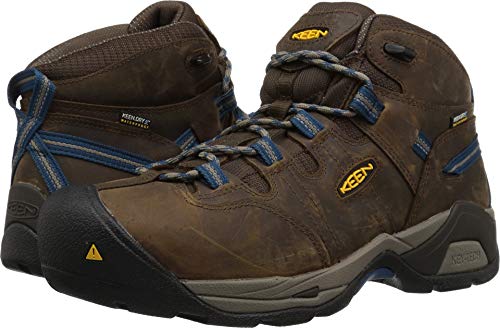 |
KEEN Utility Detroit XT 6-Inch Steel Toe Best Toe Room Asymmetrical steel toe, oil and slip resistant rubber outsole, EH rated, 6-inch |
9.3 | 🛒 Check Price |
 |
Wolverine Overpass 6-Inch CarbonMax Composite Toe Best Composite Toe CarbonMax composite toe, waterproof leather, oil and slip resistant outsole, EH rated |
9.1 | 🛒 Check Price |
 |
Thorogood American Heritage 6-Inch Moc Toe Steel Toe Most Durable Steel toe, Goodyear welt, oil resistant wedge outsole, USA made, 6-inch |
8.9 | 🛒 Check Price |
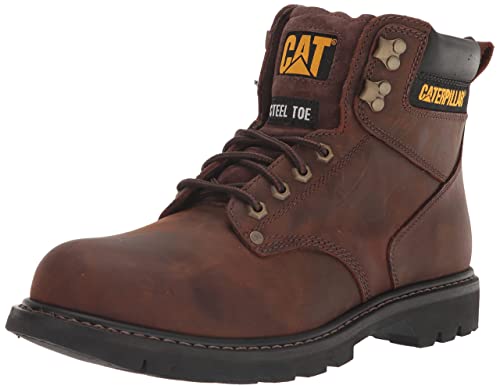 |
Caterpillar Second Shift 6-Inch Steel Toe Best Value Steel toe, oil and slip resistant outsole, EH rated, full grain leather, 6-inch |
8.7 | 🛒 Check Price |
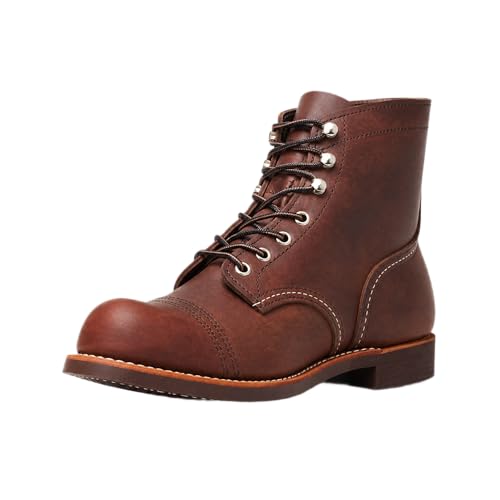 |
Red Wing Heritage Iron Ranger 6-Inch Best Premium Leather Full grain leather, double leather toe cap, Goodyear welt, cork nitrile sole |
8.4 | 🛒 Check Price |
 |
Skechers Work Sudbury Steel Toe Most Comfortable Steel toe, memory foam insole, oil and slip resistant outsole, EH rated |
8.2 | 🛒 Check Price |
1. Timberland PRO Pit Boss 6-Inch Steel Toe: Best Overall
The Pit Boss is the boot we kept reaching for because it nails the exact combination a diesel tech needs. The rubber outsole is genuinely oil and gas resistant, so it stays flexible instead of glazing over and turning slick the way cheaper soles do after a few weeks in a fuel soaked bay. The steel toe is wide rather than pinched, which matters when you’re crouched under a truck for an hour, and the electrical hazard rating gives you a real margin of safety around shop equipment.
The honest weakness is the factory insole. It’s flat and thin, and if you have any history of foot or heel pain you’ll feel the concrete coming through by hour eight. Most mechanics we know buy these and immediately drop in an aftermarket insole, and once you do that the comfort jumps to another level. The boot is also on the heavy side, so expect a short break in before the leather softens around your ankle.
- Steel toe meets ASTM impact and compression standards for dropped tools and parts
- Oil, gas, and slip resistant rubber outsole that resists hardening from fuel contact
- Electrical hazard rating protects against open circuits up to 18,000 volts
Pros: Outsole holds grip on oily concrete better than most boots in this class; Roomy toe box and breathable mesh lining keep feet comfortable through long shifts; Tough nubuck leather shrugs off diesel splashes and shop abuse
Cons: Heavy underfoot, so first few shifts feel like a workout; Stock insole is thin and many buyers swap it for better arch support
2. KEEN Utility Detroit XT 6-Inch Steel Toe: Best Toe Room
KEEN built its reputation on toe room, and the Detroit XT shows why that matters in a diesel shop. The asymmetrical steel toes are shaped for your actual left and right foot, so instead of your toes hitting a hard cap all day they sit in real space. Combined with the supportive footbed, this is the boot we would recommend first to anyone whose feet ache by lunch. It’s also one of the few steel toe boots that feels broken in on day one.
Where it gives ground is durability of the upper around heavy fuel exposure. The mixed leather and mesh build is breathable, which is great in summer, but it holds the smell of diesel and grease and the mesh panels show wear sooner than an all leather boot. The outsole grips beautifully but the tread isn’t the deepest, so if you work on torn up concrete or outdoor lots you’ll resole or replace these sooner than a heavy lugged competitor.
- Left and right specific steel toes give noticeably more room than standard boots
- Non marking rubber outsole rated oil and slip resistant for shop floors
- Metatomical footbed adds real arch and heel support out of the box
Pros: Best in class toe room for wide feet and long days on your feet; Comfortable enough to wear straight out of the box with little break in; Outsole grips well on wet and oily surfaces
Cons: Leather and mesh upper soaks up diesel smell over time; Outsole tread wears faster than thicker lugged boots on rough concrete
3. Wolverine Overpass 6-Inch CarbonMax Composite Toe: Best Composite Toe
If you hate how heavy and cold a steel toe gets, the Overpass is the answer. Wolverine’s CarbonMax toe is a composite that hits the same impact and compression safety ratings as steel while shaving real weight off each foot, and you feel that difference at the end of a long day. The waterproof leather is a genuine advantage in a diesel shop where you’re dealing with coolant, washdown water, and the occasional flooded bay, and the boot flexes well so crouching and climbing don’t fight you.
The trade off with any waterproof boot is breathability, and the Overpass is no exception. The membrane that keeps water out also keeps heat in, so in a hot summer shop your feet will sweat more than they would in a vented boot. The composite toe avoids the cold transfer problem of steel, but you still get a noticeable break in period while the firmer leather softens around the flex points.
- Lightweight CarbonMax toe protects without the bulk or cold of steel
- Waterproof leather upper keeps coolant and water spills out
- Contoured welt and flexible outsole move with your foot under a vehicle
Pros: Far lighter than steel toe boots while still meeting safety standards; Waterproof build handles wet bays and washdown areas; Flexes naturally, which helps when you’re constantly crouching
Cons: Waterproof membrane traps heat and feet run warm in summer; Composite toe doesn’t conduct cold but the boot still needs a break in
4. Thorogood American Heritage 6-Inch Moc Toe Steel Toe: Most Durable
The American Heritage moc toe is the boot you buy when you’re tired of replacing footwear every season. The Goodyear storm welt means a cobbler can resole these when the wedge wears out, so a single pair can outlast three pairs of cheaper glued boots. The full grain leather is thick and takes diesel splashes and shop scuffs without falling apart, and the flat MAXwear wedge is genuinely comfortable for the standing heavy parts of the job.
The honest catch is the wedge outsole. On a clean flat shop floor it grips fine and the oil resistance is solid, but a wedge has shallow tread, so the moment you step onto loose metal shavings, gravel, or a muddy yard it slides more than a lugged boot. The break in is also real. These are stiff out of the box and need a couple of weeks before the leather molds to your foot, so don’t expect day one comfort.
- Goodyear storm welt lets you resole the boot instead of replacing it
- Oil resistant MAXwear wedge outsole grips flat shop floors well
- Full grain leather upper built to last years of heavy shop use
Pros: Resoleable construction makes these last far longer than glued boots; Premium full grain leather handles abuse and ages well; Flat wedge sole is comfortable for standing on concrete all day
Cons: Wedge sole has shallow tread and grips poorly on loose debris or mud; Long stiff break in period before the leather softens
5. Caterpillar Second Shift 6-Inch Steel Toe: Best Value
The Second Shift is the workhorse that has been on shop floors for decades, and it earns the best value badge by delivering a steel toe, electrical hazard protection, and an oil and slip resistant outsole without asking much of you. The full grain leather and welt construction make it durable enough for daily diesel work, and because it’s so widely stocked you can usually find your exact size and width without hunting. For a first real work boot or a backup pair, it’s hard to argue against.
The weakness is comfort over a long day. The insole is basic and the boot is stiff and heavy compared to modern composite designs, so by the end of a double your feet will know it. Like the Pit Boss, this is a boot that improves dramatically with an aftermarket insole. If you only care about protection and toughness and you’re willing to upgrade the footbed, the Second Shift gives you a lot of boot for what you put in.
- Steel toe and electrical hazard protection at an accessible price point
- Slip and oil resistant outsole built for industrial and shop floors
- Goodyear welt construction for added durability
Pros: Strong protection and durability for the money; Tough leather upper handles daily shop abuse; Widely available in many sizes and widths
Cons: Insole comfort lags behind premium boots on long shifts; Heavier and stiffer than newer composite designs
6. Red Wing Heritage Iron Ranger 6-Inch: Best Premium Leather
The Iron Ranger is here for the diesel mechanic who works in a shop that doesn’t mandate a safety toe and who values leather that will outlive everything else in the locker. The oil tanned full grain leather is some of the best you can buy, the double leather toe cap reinforces the spot that scuffs first, and the Goodyear welt means these can be resoled again and again. Cared for properly, this is a boot you keep for years, and the cork nitrile sole resists oil and grips reasonably well on shop concrete.
Be clear eyed about the limits. The Iron Ranger has no steel or composite toe, so if your shop requires an ASTM rated safety toe, this boot doesn’t qualify and you should pick one of the protected options above. It also demands maintenance. Diesel and solvents will dry out and damage the premium leather if you don’t condition it regularly, so this is a boot for someone who is willing to look after it rather than abuse and replace it.
- Double leather toe cap adds abrasion protection at the most exposed point
- Goodyear welt construction is fully resoleable for long life
- Premium oil tanned leather develops a tough protective patina
Pros: Outstanding leather quality and craftsmanship that lasts years; Resoleable, so it can be maintained for a decade or more; Cork nitrile sole offers decent grip and resists oil
Cons: No safety toe, so it doesn’t meet steel or composite toe requirements; Premium leather needs regular conditioning to survive diesel exposure
7. Skechers Work Sudbury Steel Toe: Most Comfortable
The Sudbury is the boot for the mechanic who cares about comfort above all else and wants to skip the painful break in entirely. The memory foam insole makes these feel more like a cushioned sneaker than a traditional steel toe boot, and they’re light enough that your legs are noticeably less tired after a long shift. You still get a real steel toe, electrical hazard protection, and an oil and slip resistant outsole, so the safety basics for a diesel shop are covered.
The compromise is longevity. The upper mixes synthetic panels with leather, and it simply doesn’t take diesel soaking and shop abuse the way a full grain boot does, so expect to replace these sooner. The memory foam that feels so good on day one also packs down over months and loses some of its support, which is the usual trade for that immediate softness. For comfort first and a willingness to rotate pairs, though, they’re a genuinely easy boot to live in.
- Memory foam cushioned insole feels closer to a sneaker than a work boot
- Steel toe with electrical hazard protection for shop safety
- Oil and slip resistant outsole rated for greasy floors
Pros: Sneaker like comfort straight out of the box with almost no break in; Lightweight for a steel toe boot; Slip resistant outsole performs well on smooth wet floors
Cons: Synthetic and leather upper is less durable than full grain leather boots; Memory foam insole compresses and loses support over time
Frequently Asked Questions
What makes a boot oil and gas resistant, and why does it matter for diesel work?
Oil and gas resistance refers to the outsole compound, not the leather. A boot rated oil resistant uses a rubber or nitrile sole that doesn’t break down, swell, or harden when it contacts diesel, hydraulic oil, and grease. This matters because a standard sole that isn’t rated will absorb fuel, lose its flexibility, and glaze over into a slick hard surface within weeks, which destroys both your grip and the life of the boot. Every protected pick in this guide uses an oil resistant outsole, and that single feature is the biggest difference between a boot that survives a diesel shop and one that fails fast.
Do diesel mechanics need a steel toe, or is composite better?
It depends on your shop’s rules and your personal preference. If your employer requires an ASTM rated safety toe, both steel and composite qualify, so the choice comes down to feel. Steel toes are slimmer, very tough, and usually less expensive, but they conduct cold and heat and add weight. Composite toes like Wolverine’s CarbonMax are lighter, don’t transfer temperature, and don’t set off metal detectors, which some prefer for all day comfort. Both protect against dropped injectors, drums, and tools. If your shop doesn’t mandate a safety toe at all, a soft toe boot like the Iron Ranger becomes an option, but most diesel environments expect protection.
How long should a good pair of diesel mechanic boots last?
With daily heavy use, a quality pair generally lasts one to two years before the outsole or upper gives out, though this varies a lot with how much fuel and solvent exposure they get. The big exception is resoleable boots built with a Goodyear welt, such as the Thorogood American Heritage or the Red Wing Iron Ranger. Those can be resoled by a cobbler when the sole wears through, so the leather upper can serve for many years if you condition it. Glued construction boots can’t be resoled, so when the sole goes the boot is done. Regular leather conditioning and swapping in a fresh insole both extend the comfortable life of any pair.
Why do my work boots get slippery after a few months in the shop?
This is almost always caused by an outsole that isn’t properly oil resistant absorbing diesel and oil over time. As the fuel soaks into the rubber, the sole hardens and the tread edges glaze, which dramatically reduces grip on wet or oily concrete. It can also happen as deep tread simply wears flat. The fix is to buy a boot with a genuine oil and slip resistant outsole from the start, keep the soles wiped clean of fuel buildup, and replace the boots once the tread is visibly worn smooth. A wedge sole, while comfortable on flat floors, glazes and slips sooner on debris than a deep lugged sole.
Should I size up when buying mechanic boots, and how do I improve comfort?
Many steel toe boots run a touch tight in the toe box because of the hard cap, so it’s common to try a half size up or to choose a brand known for roomy toes, such as KEEN with its asymmetrical safety toes. The biggest comfort upgrade, though, is the insole. Most factory insoles in work boots are thin and flat, and standing on concrete all day through them is rough on your feet, heels, and back. Dropping in a quality aftermarket insole with real arch and heel support transforms boots like the Timberland PRO Pit Boss and the Caterpillar Second Shift. Break the boots in gradually over a week or two rather than wearing them for a full first shift.
Our Verdict
For most diesel mechanics, the Timberland PRO Pit Boss 6-Inch is the boot to beat. It combines a genuinely oil and slip resistant outsole, a roomy steel toe, and electrical hazard protection in a tough, widely available package, and once you drop in a better insole it handles long shifts on a fuel soaked floor as well as anything here. Our runner up is the KEEN Utility Detroit XT, which is the better pick if you have wide feet or want comfort straight out of the box, thanks to its asymmetrical steel toes and supportive footbed. If you’d rather skip the weight and cold of steel entirely, the Wolverine Overpass with its lightweight composite toe and waterproof build is the smart alternative.


