Choosing the right auto tint film is about more than just a dark look. The film you put on your glass decides how much heat you feel on a summer drive, how much glare hits your eyes at sunset, how well your interior resists fading, and whether your phone keeps a signal. A good film does all of that quietly, while a poor one bubbles, turns purple, and blocks your GPS.
We spent time with the most popular DIY auto tint films sold on Amazon, looking at real factors that matter on the road: heat rejection, clarity at night, color stability over time, and how forgiving each roll is for a first time installer. Below are our seven top picks, ranked best first, with honest notes on where each one falls short so you can match the film to your car and your skill level.
| Photo | Product | Score | Buy |
|---|---|---|---|
 |
MotoShield Pro Nano Ceramic Window Tint Film Best Overall Nano ceramic, blocks 99% UV, multiple VLT shades, lifetime warranty |
9.5 |
ⓘ We may earn a commission from qualifying purchases made through links on this page, at no extra cost to you.
|
 |
LEXEN 2 Ply Premium Carbon Window Tint Film Roll Best Value 2 ply carbon, scratch resistant, fade resistant, comes in bulk roll widths |
9.2 | 🛒 Check Price |
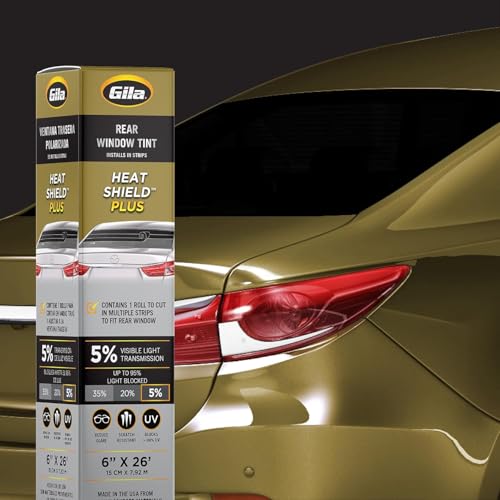 |
Gila Heat Shield Ceramic Window Tint Kit Best for Beginners Ceramic film, DIY kit with application tools included, no metal so signal safe |
9.0 | 🛒 Check Price |
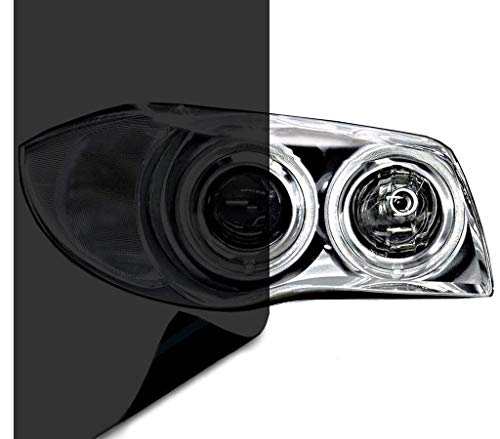 |
VViViD Air Tint Dark Black Window Tint Film Easiest to Install Air release adhesive, repositionable, dyed film, bulk roll format |
8.7 | 🛒 Check Price |
 |
MKBROTHER 2 Ply Premium Uncut Window Tint Roll Best Bulk Roll 2 ply dyed film, uncut roll, multiple VLT options, scratch resistant coat |
8.5 | 🛒 Check Price |
 |
Motoshield Pro Premium Precut Ceramic Tint Kit Best Precut Fit Computer precut ceramic film matched to specific vehicle make and model |
8.3 | 🛒 Check Price |
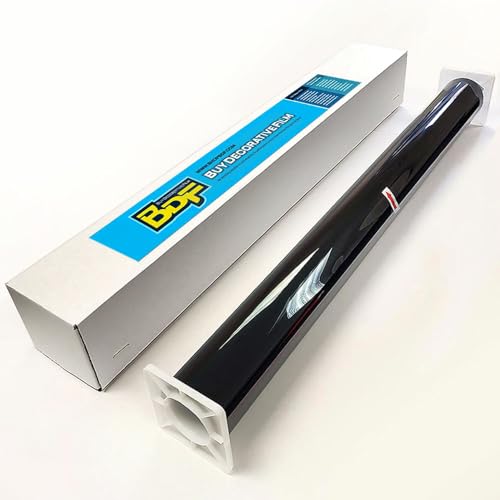 |
BDF Premium Color Stable Carbon Window Tint Film Best Color Stability Color stable carbon film, non metal, fade resistant, sold in bulk roll |
8.1 | 🛒 Check Price |
1. MotoShield Pro Nano Ceramic Window Tint Film: Best Overall
MotoShield Pro earns our top spot because it delivers genuine nano ceramic performance in a roll that a careful DIYer can actually handle. The infrared heat rejection is the standout. On a hot afternoon the cabin stays noticeably cooler than it does behind a standard dyed film, and because the ceramic particles do the work, you get that cooling even in a lighter 35% or 50% shade that keeps the car legal in stricter states. The film blocks 99% of UV, which protects your dash and upholstery from fading and protects your skin on long drives.
The honest weakness is workability. Ceramic film is thicker and less stretchy than dyed film, so heat shrinking it cleanly onto a steeply curved back window takes patience and a decent heat gun. First timers should practice on a side window before tackling the rear glass. It also ships as bulk rolls rather than vehicle specific precut kits, so you’re responsible for measuring and cutting. If you’re comfortable with that, the lifetime warranty and the heat performance make it the best all around choice here.
- Nano ceramic construction rejects infrared heat without dark glass
- Signal friendly, so phone, GPS, and radio reception stay intact
- Available in 5%, 15%, 20%, 35%, and 50% VLT shades
Pros: Excellent heat rejection for the value; Doesn’t interfere with electronics or signal; Color stable, resists the purple fade cheaper films suffer
Cons: Ceramic film is stiffer and harder to shrink on curved rear glass; Precut kits aren’t offered, so you cut from the bulk roll yourself
2. LEXEN 2 Ply Premium Carbon Window Tint Film Roll: Best Value
LEXEN is the film we point beginners toward when they want a clean, lasting result without paying ceramic money. The 2 ply carbon build is the key. Carbon won’t turn purple the way old dyed films do, so the windows still look factory black years later instead of fading to a muddy violet. The scratch resistant coating holds up to regular wiping, and the roll comes long enough to do a full set of windows with material to spare for mistakes, which matters when you’re learning.
Where it gives ground is pure heat performance. Carbon blocks more heat than a basic dyed film but can’t match the infrared rejection of the ceramic options on this list, so on the hottest days you’ll feel a bit more warmth coming through the glass. The adhesive also grabs firmly, which means you get limited time to slide the film into place before it sets. Spray a good slip solution and work quickly. For the value, it’s hard to beat.
- 2 ply carbon film resists the purple discoloration of dyed tint
- Scratch resistant top coat survives normal cleaning
- Sold in several roll widths to cover a whole car
Pros: Strong color stability for a carbon film; Generous roll length covers most full car jobs; Forgiving to install for a non ceramic film
Cons: Heat rejection trails true ceramic films; Adhesive can be aggressive, leaving little room to reposition
3. Gila Heat Shield Ceramic Window Tint Kit: Best for Beginners
Gila is the name most people see first at the auto parts store, and the Heat Shield ceramic kit is a smart starting point for anyone who has never tinted a window. Instead of a daunting bulk roll, you get pre sized sheets plus the squeegee, trim blade, and application spray, so there’s no scramble to buy tools separately. The ceramic film carries no metal, which means it won’t knock out your phone signal or GPS the way old metalized films often did, and it still cuts UV and a good chunk of heat.
The tradeoff for that beginner friendliness is flexibility. The sized sheets are convenient, but on a large windshield strip or a wide rear window you can find yourself short on material with little margin for error. Heat rejection is solid for the category yet sits below the dedicated nano ceramic rolls higher on this list. As a confidence building first tint that you can install in an afternoon with no extra shopping, though, it’s an easy recommendation.
- Kit includes squeegee, blade, and application solution
- Ceramic, non metal layer keeps GPS and phone signal clear
- Sized sheets are easier to handle than a long bulk roll
Pros: Everything you need is in one box; Trusted, widely available brand with consistent quality; Sheet format is less intimidating for first projects
Cons: Sheet sizing can be tight on larger windows; Heat rejection is good but not class leading
4. VViViD Air Tint Dark Black Window Tint Film: Easiest to Install
If your main fear is ending up with a bubbly mess, VViViD Air Tint is built to calm that nerve. The adhesive uses tiny air release channels, so as you run the squeegee across the film, trapped air escapes through the backing instead of getting stuck under the surface. The film is also repositionable while you work, meaning you can peel a corner and realign it rather than ruining a panel because it landed crooked. For flat side windows it’s genuinely among the most forgiving films a newcomer can buy.
The compromise is in the material itself. This is a dyed film, so while it darkens the glass nicely and cuts glare, it doesn’t reject heat the way carbon and ceramic films do, and dyed films are more likely to lighten or shift color over several years of sun exposure. Think of it as the easy learning film and the privacy film rather than the maximum heat solution. For the install experience alone, it earns its place here.
- Air channel adhesive pushes bubbles out as you squeegee
- Repositionable backing lets you lift and realign the film
- Smooth finish that lays flat with minimal trapped air
Pros: Air release tech makes a bubble free result far easier; Forgiving for first timers who need to reposition; Lays down smoothly on flat side windows
Cons: Dyed film offers less heat rejection than carbon or ceramic; More prone to fading over the long term than carbon
5. MKBROTHER 2 Ply Premium Uncut Window Tint Roll: Best Bulk Roll
For anyone planning to tint a whole car, or more than one, MKBROTHER gives you a lot of usable film on a single uncut roll. The 2 ply construction holds up better than thin single ply bargain films, resisting the edge peeling and scratching that ruins a cheap tint within a year. With several VLT shades available, you can dial in a light privacy look up front and a darker rear if your local laws allow, all from material that matches color consistently across the roll.
This is still a dyed film at heart, so set your expectations on heat. It’ll block UV and reduce glare and cabin temperature somewhat, but it can’t compete with ceramic on infrared heat. The uncut format is also a double edged sword. It gives you freedom and extra material, but you have to measure and cut every panel yourself, which is harder than working from sized sheets. For a practiced installer doing a full vehicle, the value of the bulk roll is real.
- Large uncut roll covers a full car or multiple vehicles
- 2 ply build resists scratching and peeling at the edges
- Several darkness levels from light privacy to limo dark
Pros: Plenty of material for full vehicle jobs; Consistent, even color across the roll; Wide shade selection to match local tint laws
Cons: Dyed construction means modest heat rejection; Large uncut roll has a steeper learning curve to cut accurately
6. Motoshield Pro Premium Precut Ceramic Tint Kit: Best Precut Fit
The hardest part of DIY tinting for many people is cutting the film to shape on the glass without nicking the rubber seals or the defroster lines. The Motoshield Pro precut kit removes most of that worry by sending film already cut by computer to your specific make and model. The panels are shaped to drop onto each window with minimal trimming, which not only saves time but also reduces the chance of a slipped blade scratching the glass or the film. You still get ceramic heat and UV rejection underneath that convenience.
The catch with any precut kit is that the fit is only as good as the vehicle you select at checkout, so you must enter your exact year, make, model, and body style correctly. Because the panels are cut to size, there’s little spare material, so a badly botched panel may mean ordering a replacement. If you measure twice when ordering and take your time on install, the precut approach gives a cleaner result than freehand cutting for most home installers.
- Computer cut to your exact car so panels drop into place
- Ceramic film delivers strong heat and UV rejection
- Less trimming on the glass means lower risk of scratches
Pros: Precise fit removes most of the cutting guesswork; Ceramic heat performance in a friendlier format; Cleaner edges than hand cutting for most users
Cons: Fit depends on selecting the correct vehicle at checkout; Less leftover material if a panel is spoiled
7. BDF Premium Color Stable Carbon Window Tint Film: Best Color Stability
BDF built this film around one promise that matters a lot over time: the color stays put. The biggest complaint people have with budget tint is the slow drift to purple, and this carbon film resists that almost completely, keeping a clean neutral black that still looks factory years after install. Because it’s a non metal carbon film, it won’t interfere with your phone signal, GPS, or keyless entry, which is a real upgrade over the old metalized tints that caused those problems.
What you give up is at the extremes. Heat rejection is respectable for a carbon film but doesn’t approach what the nano ceramic options deliver, so the very hottest days will still feel warm through the glass. The film also has a thinner feel than some rivals, which makes shrinking it onto a sharply curved rear window a little less forgiving and demands a steady hand with the heat gun. If long term looks are your priority and you can accept moderate heat control, this film holds its appearance better than most.
- Carbon film holds its true black color for years
- Non metal layer keeps phone and GPS signal clear
- Even tone across the roll for a consistent look
Pros: Outstanding resistance to purple fading; Signal safe with no metal interference; Neutral black tone looks factory installed
Cons: Heat rejection is moderate, below ceramic films; Thinner feel makes it less forgiving on tight curves
Frequently Asked Questions
What is the difference between ceramic, carbon, and dyed tint film?
These three terms describe what the film is made of, and that controls how it performs. Dyed film is the most affordable and works by adding color to darken the glass and cut glare, but it offers the least heat rejection and is the most likely to fade over time. Carbon film replaces the dye with carbon particles, which resist fading and hold their black color far longer while blocking more heat. Ceramic film uses nano ceramic particles that reject the most infrared heat of all, don’t contain metal so they never block your phone or GPS signal, and stay color stable for years. In short, dyed is the budget privacy option, carbon is the long lasting middle ground, and ceramic is the premium heat fighting choice.
What does VLT mean and which shade should I choose?
VLT stands for Visible Light Transmission, and it’s the percentage of light the film lets through. A lower number means a darker film, so 5% VLT is very dark limo tint while 50% VLT is light and barely tinted. The right shade depends partly on looks and partly on the law. Most states regulate how dark your front side windows can be, often requiring something in the 35% to 50% range, while rear windows are usually allowed to be darker. Before you buy, check your state or country tint law, because a film that’s too dark can mean a failed inspection or a ticket. If you mainly want heat rejection, remember that a quality ceramic film blocks plenty of heat even in a lighter, legal shade.
Can I install auto tint film myself, or do I need a professional?
You can absolutely install it yourself, and many of the films on this list are sold specifically for DIY use. Flat side windows are very beginner friendly, especially with an air release film or a kit that includes the squeegee and solution. The hard part is the rear window, which is usually curved and requires heat shrinking the film with a heat gun so it lays flat without creases. If you’re patient, work in a clean dust free space, and practice on a side window first, a home install can look excellent. Still, if your rear glass is steeply curved or you want a flawless result with no learning curve, a professional shop is worth considering for that one panel.
Will tint film block my phone signal, GPS, or keyless entry?
It depends entirely on the type of film. Older metalized films contain a thin metal layer that can interfere with phone signal, GPS reception, keyless entry, and even toll transponders. Every film we recommend as signal safe in this guide, including the ceramic and carbon options, is non metal, so it won’t cause those problems. If you rely heavily on in car GPS or have a vehicle packed with wireless features, stick to a ceramic or carbon film and avoid anything labeled metalized or metallic. The product descriptions usually state clearly whether a film is metal free.
How long does auto tint film last and how do I care for it?
Quality matters more than anything here. A good carbon or ceramic film, properly installed, can easily last the life of the car, holding its color and adhesion for many years, which is why many come with a lifetime warranty. Cheap dyed film may start bubbling or fading within a year or two. After installing, leave the windows up for a few days so the adhesive can fully cure and any trapped moisture can dry out. When you do clean tinted windows, use a soft microfiber cloth and an ammonia free cleaner, since ammonia can damage the film over time. Avoid harsh scrubbing near the edges where film can lift.
Our Verdict
For most drivers, the MotoShield Pro Nano Ceramic Window Tint Film is the best auto tint film you can buy, pairing serious infrared heat rejection with signal safe ceramic construction and a lifetime warranty, all in a roll a careful DIYer can manage. If you want a clean, fade resistant result without stepping up to full ceramic, the LEXEN 2 Ply Premium Carbon film is our runner up and the smartest value, holding its true black color and forgiving enough for a first install. Beginners who want everything in one box should look hard at the Gila Heat Shield ceramic kit, but for the best blend of heat control, longevity, and price, MotoShield Pro takes the win.