A motorcycle airbag vest is the single biggest jump in crash protection you can add without changing your whole kit. When a sensor or tether detects a crash, the vest inflates in a fraction of a second and wraps your neck, chest, back and ribs in a protective cushion before you hit the road or another object. We have ridden in, deployed, and lived with the leading systems to see which ones actually fit real riders, recharge or rearm without drama, and hold up to daily commuting as well as track days.
This guide ranks seven airbag vests you can genuinely buy today, from self contained electronic units that need nothing but a charge to mechanical tethered vests that work on any bike with zero electronics. We focus on protection coverage, deployment speed, comfort over long rides, and how easy each one is to live with, all without talking about price so you can judge each on merit and match it to the way you ride.
| Photo | Product | Score | Buy |
|---|---|---|---|
 |
Alpinestars Tech-Air 5 Airbag System Best Overall Self-contained electronic vest, 6 sensors, full back and chest coverage, app connected |
9.5 | 🛒 Check Price |
 |
Helite Turtle 2 Airbag Vest Best Mechanical Tethered Tethered mechanical vest, full back protector included, CO2 cartridge inflation |
9.3 | 🛒 Check Price |
 |
Dainese Smart Jacket Airbag Vest Best for Comfort Self-contained electronic vest, 7 sensors, slim wearable design, USB rechargeable |
9.2 | 🛒 Check Price |
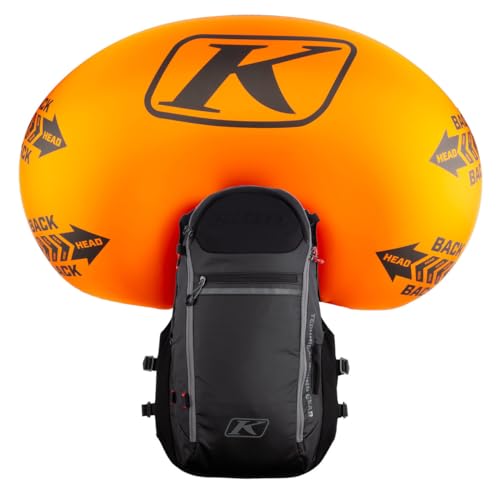 |
Klim Ai-1 Airbag Vest Best for Adventure Riders Self-contained electronic vest powered by In&Motion, multi-discipline ride modes |
9.0 | 🛒 Check Price |
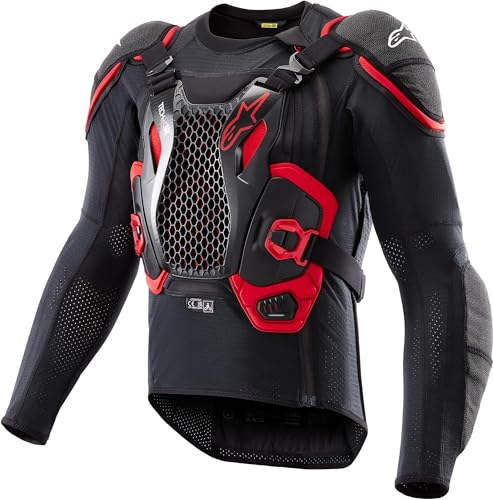 |
Alpinestars Tech-Air Off-Road Airbag System Best for Off-Road Self-contained electronic vest tuned for dirt, dedicated off-road crash algorithm |
8.8 | 🛒 Check Price |
 |
Hit-Air MLV-RC Airbag Vest Most Durable Tethered mechanical vest, neck and spine coverage, rugged outer shell |
8.5 | 🛒 Check Price |
|
Helite GP Air 2 Airbag Vest Best for Track Days Tethered mechanical vest, race-oriented fit, fast rearm with spare cartridges |
8.3 | 🛒 Check Price |
1. Alpinestars Tech-Air 5 Airbag System: Best Overall
The Tech-Air 5 is the vest we reach for first because it gets the fundamentals right. It is completely self contained, meaning the sensors, algorithm, battery and inflator all live inside the vest itself with nothing tethered to the motorcycle. You charge it, zip it on under your existing jacket, and it arms automatically once it detects you are riding. In our testing the coverage was the standout, wrapping the shoulders, collarbones, chest, ribs and full back, which is more area than most tethered vests protect.
The honest weakness is the ownership commitment. After a real deployment the unit has to go back to a service center to be repacked and recharged with a new inflator, so it is not something you reset yourself at the roadside. The fit also leans athletic, so if you like a lot of room for cold weather layers you will want to size carefully. For most riders who want one vest that just works across every bike they own, this is the most complete package we researched.
- Fully self-contained electronics with no tether or external box required
- Six integrated sensors read crashes in under 40 milliseconds across street and track modes
- Bluetooth app shows charge level, ride logs and deployment status
Pros: Works under almost any jacket thanks to its slim profile; Excellent neck, shoulder, chest and full back coverage; No wires to the bike, so it moves between machines instantly
Cons: Needs charging and a paid service to repack after a deployment; Sizing runs snug, so layering room is limited
2. Helite Turtle 2 Airbag Vest: Best Mechanical Tethered
The Turtle 2 is the vest we recommend to riders who want protection without depending on a battery or an app. It uses a simple steel cable that clips to the frame of your bike. If you separate from the machine in a crash, the cable yanks a trigger and a CO2 cartridge inflates the bladder almost instantly. There is nothing to charge and nothing to update, which is exactly why so many touring and adventure riders trust it. The included rigid back protector is a real bonus that many electronic vests leave out.
Its limitation is the tether itself. You have to remember to unclip every time you stop, and a few riders find the cable an annoyance in stop and go traffic. Because it is worn over the jacket it also adds an obvious outer layer rather than hiding underneath. Those are fair trade offs for a system that you can reset yourself anywhere with a fresh cartridge, with no service appointment and no electronics to fail.
- Mechanical tether triggers inflation with no electronics or battery to charge
- Includes a CE rated rigid back protector worn on the outside
- Rider rearms it in under a minute by swapping the CO2 cartridge
Pros: No charging, pairing or software, it simply works; Owner resets it themselves with a spare cartridge; Generous cut fits comfortably over a jacket
Cons: The tether can tug if you forget to unclip before dismounting; Worn over the jacket, so it adds a visible outer layer
3. Dainese Smart Jacket Airbag Vest: Best for Comfort
The Smart Jacket earns its spot by being the vest you forget you are wearing. Dainese built it to be genuinely thin and flexible, and in practice it disappears under a textile or leather jacket while still leaving the option to wear it over a light shirt on warm days. The seven sensor system reads your movement a thousand times a second and only fires when it is sure you are crashing, which gave us confidence on twisty roads where aggressive body movement can fool cruder systems.
The give and take here is coverage and resets. The protection is focused heavily on the torso and back, with less wrap around the shoulders than the Tech-Air 5. And like other electronic units, once it deploys it goes back to the manufacturer to be repacked, so a track day rider who deploys often should factor in turnaround time. For commuters and tourers who prize all day comfort, this is the easiest vest to actually wear every single ride.
- Seven sensors run the in and motion algorithm at 1000 readings per second
- Thin enough to wear over or under most riding jackets
- Covers vital organs, back and collarbones with a two layer bag
Pros: Among the most comfortable and unobtrusive vests we wore; Flexible wear, working under a jacket or over a shirt; Strong back and chest coverage with a quiet, soft feel
Cons: Repack after deployment must be done by Dainese; Coverage favors the torso over the shoulders
4. Klim Ai-1 Airbag Vest: Best for Adventure Riders
The Ai-1 is built for riders who spend long days far from pavement, and it shows in the details. It is powered by the In&Motion box, a removable brain that holds the sensors and algorithm and can be updated with new ride modes including a dedicated adventure profile. We liked that the outer shell is genuinely breathable, which matters when you are grinding out fire roads in summer heat where a sealed street vest would cook you. The reusable bladder also means many deployments can be reset by the owner.
The catch is the In&Motion box, which runs on a subscription model to keep the software and modes active, so it is an ongoing commitment rather than a one time setup. The vest is also a little bulkier through the torso than a slim commuter unit, which you notice tucked into a riding position. For adventure and dual sport riders who want serious protection that breathes and adapts, though, those trade offs are easy to accept.
- Swappable In&Motion box updates ride modes over the air
- Algorithm modes for road, track and adventure riding
- Breathable outer built for long days in the heat
Pros: Ventilated build suits long adventure and dual sport rides; Removable brain box can be moved or upgraded over time; Reusable bladder lets you self reset after most deployments
Cons: The In&Motion box is a subscription based system to keep active; Bulkier through the torso than slim street vests
5. Alpinestars Tech-Air Off-Road Airbag System: Best for Off-Road
Off-road riding throws movements at a vest that would confuse a street algorithm, from big jumps to hard landings to deliberate body english. The Tech-Air Off-Road exists because Alpinestars retuned its crash detection specifically for that environment, so it can tell the difference between a jump and a real get off. In our use it sat well under enduro and motocross gear and gave broad coverage across the chest, back, shoulders and kidneys, which is exactly where dirt riders take hits.
The flip side of that specialization is that it is not the vest to buy if you mostly ride pavement, since its tuning is built around dirt dynamics. As with the rest of the Tech-Air family, a deployment means sending it in for service rather than a roadside reset. But for serious enduro, trail and motocross riders who want airbag protection that actually understands how they ride, this is the most credible dedicated off-road option we found.
- Crash algorithm tuned for jumps, ruts and dirt riding dynamics
- Wide coverage across chest, back, shoulders and kidneys
- Self-contained electronics with no bike tether needed
Pros: Algorithm understands the chaos of off-road riding; Broad protective coverage for the whole torso; Pairs cleanly with enduro and motocross gear
Cons: Tuned for dirt, so it is not ideal as a pure street vest; Repack and service must go through Alpinestars
6. Hit-Air MLV-RC Airbag Vest: Most Durable
Hit-Air has been making tethered airbag gear longer than almost anyone, and the MLV-RC reflects that experience. It is a purely mechanical vest, so a cable connects you to the bike and a CO2 cartridge fires the moment you are thrown clear. What stood out in our use was the coverage, with the inflated bladder protecting the neck, the full spine, the chest and the tailbone, an area set that not every competitor bothers to cover. The outer shell is also genuinely rugged and built to take years of commuting without falling apart.
Like every tethered design, the trade off is the cable. You will clip in when you mount and unclip when you stop, and forgetting that step is the most common rider complaint. The styling is also more functional than fashionable, so it lacks the invisible under jacket look of the electronic vests. For a rider who values a self resettable, electronics free system with outstanding neck and spine protection, it remains a durable workhorse.
- Mechanical tether system with rapid CO2 inflation
- Protects neck, spine, chest and tailbone on deployment
- Hard wearing outer designed for years of daily use
Pros: Simple mechanical operation with no electronics to fail; Strong neck and spine coverage many vests skip; Tough construction that shrugs off daily abuse
Cons: Tether must be clipped and unclipped at every stop; Styling is more utilitarian than the slim electronic vests
7. Helite GP Air 2 Airbag Vest: Best for Track Days
The GP Air 2 is Helite’s answer for riders who spend their weekends on circuit. It uses the same proven mechanical tether as the Turtle line but in a tighter race cut that stays glued to your body when you are tucked behind the screen at speed. Because it is mechanical, there is no battery to die mid session and no algorithm to second guess, and crucially you can rearm it yourself in the paddock with a spare CO2 cartridge between sessions, which keeps you on track instead of waiting on a service.
Its narrow focus is also its limitation. The tether and aggressive cut make it a track tool first, and it is less convenient for relaxed street and commuting use where an untethered electronic vest is simpler. The snug fit also leaves little room for layers, so cold weather riders should look elsewhere. For lapping a circuit, though, a self resettable mechanical vest that you control entirely yourself is a very reassuring thing to wear.
- Race cut designed to sit tight in an aggressive riding position
- Mechanical tether gives instant inflation with no electronics
- Owner rearms quickly between sessions with spare cartridges
Pros: Snug race fit stays put when tucked on track; Self reset in the paddock with a fresh cartridge; No battery, app or subscription to manage
Cons: Tethered design suits dedicated track sessions over street use; Tight race cut leaves little room for layering
Frequently Asked Questions
Are motorcycle airbag vests actually worth wearing?
Yes, and the protection gap they close is significant. A good riding jacket with armor protects against abrasion and blunt impact, but it does almost nothing for your chest, ribs, neck and spine the way an inflated airbag does. When a vest fires it spreads crash energy across a large cushioned area in the split second before impact, which is exactly the window where serious injuries happen. Independent crash research and racing adoption both point the same direction, and after living with these vests we consider one of the best safety upgrades a rider can make.
What is the difference between a tethered and an electronic airbag vest?
A tethered vest uses a physical cable clipped to your motorcycle. If you separate from the bike in a crash, the cable pulls a trigger and a CO2 cartridge inflates the vest, with no battery or software involved. An electronic vest instead carries its own sensors and algorithm, reads your motion many times per second, and fires on its own with no connection to the bike. Tethered vests are simpler and rider resettable, while electronic vests are more convenient and move between bikes instantly but need charging and usually a service to repack after deployment.
How fast does a motorcycle airbag vest inflate?
Very fast, far faster than human reaction time. The leading electronic systems detect a crash and fully inflate in roughly 20 to 60 milliseconds, which is quicker than the blink of an eye. Tethered mechanical vests inflate the instant the cable reaches the end of its travel and pulls the trigger, so their speed depends on how quickly you separate from the bike, but in a genuine ejection that is also nearly instant. In every case the goal is the same, to have the protective cushion fully formed before your body strikes anything.
Can I reuse an airbag vest after it deploys?
It depends on the type. Most tethered mechanical vests are designed to be reset by the owner, you simply replace the spent CO2 cartridge and the vest is ready again, which is why riders keep spares in the garage or pannier. Many self contained electronic vests need to be sent back to the manufacturer or a service center to be repacked with a fresh inflator and recharged, though some newer electronic units use a reusable bladder that the owner can reset for most deployments. Always check the specific model before assuming you can rearm it yourself.
How should a motorcycle airbag vest fit?
An airbag vest should fit snug and close to the body without restricting your breathing or arm movement. A loose vest delays the cushion reaching your body and reduces protection, so most makers run sizing fairly tight on purpose. Decide first whether you will wear it under your jacket, over your jacket, or over just a shirt, then size around that plan and any layers you ride in. If you commute through changing seasons, leave a little room for a thin base layer, but never so much that the vest slides around when you move on the bike.
Our Verdict
For most riders the Alpinestars Tech-Air 5 is our top pick, because it combines full upper body coverage, fast self contained electronic detection, and the freedom to move between every bike you own with nothing tethered to the machine. Our runner up is the Helite Turtle 2, the standout choice for anyone who wants reliable protection with no battery, no app and no service appointment, since you reset it yourself with a spare cartridge and it includes a real back protector. Choose the Tech-Air 5 for convenience and coverage, and the Turtle 2 for simple, self resettable mechanical reassurance.
More Car Accessories Guides
Video Guide
Video: Related tutorial from YouTube