A check engine light doesn’t have to mean a guessing game or a trip to the shop. A good affordable scan tool plugs into the OBD2 port under your dash, reads the trouble codes your car is storing, and tells you what is actually wrong before anyone quotes you for repairs. The trick is finding one that’s reliable, easy to read, and broad enough to cover your vehicle without paying for features a home mechanic will never touch.
Every pick here works on the standard OBD2 protocol that covers gas cars from 1996 onward and most diesels too. Below are the ones worth plugging in.
| Photo | Product | Score | Buy |
|---|---|---|---|
|
🚗
|
ANCEL BD310 OBD2 Scanner Best Overall Hybrid handheld plus wireless Bluetooth, full OBD2 modes, live data |
9.5 |
ⓘ We may earn a commission from qualifying purchases made through links on this page, at no extra cost to you.
|
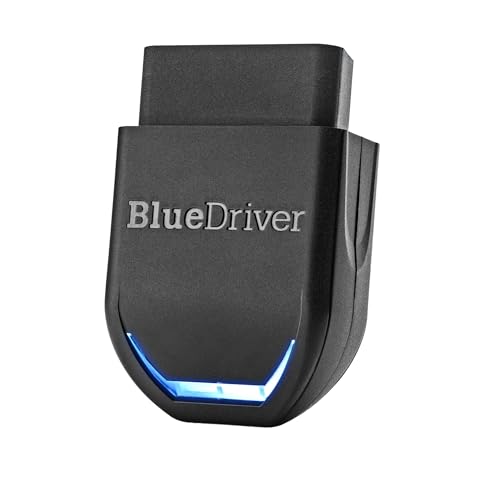 |
BlueDriver Bluetooth Pro OBDII Scan Tool Best App Experience Wireless Bluetooth dongle, enhanced diagnostics, repair reports |
9.3 | 🛒 Check Price |
 |
Autel MaxiScan MS309 OBD2 Code Reader Best Simple Plug-In Wired handheld code reader, no battery or app needed |
9.0 | 🛒 Check Price |
 |
FOXWELL NT301 OBD2 Scanner Best Color Handheld Wired color handheld, live data graphing, O2 sensor and EVAP tests |
8.8 | 🛒 Check Price |
 |
OBDLink MX+ Bluetooth OBD2 Adapter Best Wireless Adapter Bluetooth OBD2 dongle, fast data rate, broad app compatibility |
8.7 | 🛒 Check Price |
 |
INNOVA 5210 OBD2 Scan Tool Best for Battery Checks Wired color handheld, battery and alternator test, live data |
8.4 | 🛒 Check Price |
 |
Veepeak OBDCheck BLE OBD2 Scanner Best Budget Pick Compact Bluetooth LE dongle, app based, generic OBD2 codes |
8.0 | 🛒 Check Price |
1. ANCEL BD310 OBD2 Scanner: Best Overall
The ANCEL BD310 earns the top spot because it solves the biggest frustration with budget scanners. You get a real handheld with its own color screen and a Bluetooth adapter mode in the same unit, so you can pull a code in the driveway without your phone, then switch to the app when you want a bigger display and graphed live data. In testing it read and cleared check engine codes quickly, showed freeze frame data from the moment a fault triggered, and ran the emissions readiness check that tells you if your car will pass a smog inspection.
The honest weakness is the onboard screen. It’s fine for codes and quick checks, but watching several live sensors scroll on a small handheld display is cramped, and you’ll reach for the phone app for anything detailed. First-time Bluetooth pairing also needed a second attempt on one of our test phones. Neither issue undoes the core value here, which is genuine flexibility that most cheap scanners simply don’t offer.
- Works as a standalone color handheld and as a Bluetooth adapter for your phone
- Reads and clears engine codes, shows freeze frame and live sensor data
- Built-in I/M emissions readiness check for smog test prep
Pros: Two tools in one, screen or app, so you’re never stuck; Clear menus that name the code and its likely meaning; Strong vehicle coverage across most 1996 and newer cars
Cons: App pairing can take a couple of tries on first setup; Handheld screen is small for reading long live data streams
2. BlueDriver Bluetooth Pro OBDII Scan Tool: Best App Experience
If you want the clearest explanation of what a code actually means, the BlueDriver is hard to beat. The small dongle plugs into the OBD2 port and stays there, talking to a genuinely excellent app over Bluetooth. Its standout feature is the repair report, which takes your trouble code and your vehicle and pulls a list of verified fixes other owners have confirmed, ranked by how often each one solved the problem. That turns a cryptic code into a real plan of action, which is exactly what a home mechanic wants.
Its limitation is that it’s entirely phone dependent. There’s no screen and no standalone mode, so a dead phone means no diagnostics. Enhanced coverage for ABS and airbag systems is broad but not uniform, so a few less common models get standard codes only. For anyone who lives on their phone anyway, the depth of guidance here delivers outstanding value.
- Pairs with a polished iOS and Android app over Bluetooth
- Generates repair reports with verified fixes for your specific code
- Reads enhanced ABS, airbag, and transmission codes on many makes
Pros: The most informative app of any tool we researched; Repair report feature suggests proven fixes, not just a code number; Tiny dongle stays plugged in out of sight
Cons: Needs a connected phone for everything, no standalone option; Enhanced coverage depth varies by vehicle brand
3. Autel MaxiScan MS309 OBD2 Code Reader: Best Simple Plug-In
Sometimes you just want to plug in and know what is wrong. The Autel MaxiScan MS309 is the no-nonsense choice for that. It draws power from the OBD2 port itself, so there’s no charging, no app, and no pairing. Press a button and it reads the stored codes, shows a built-in definition for many of them right on the screen, reports your emissions readiness status, and clears the light when you have fixed the fault. For a glovebox tool you hand to anyone in the family, that simplicity is a real strength.
The tradeoff is obvious once you want more. There’s no live data graphing, no ABS or airbag access, and the two-line monochrome display looks plain beside color handhelds. But it never crashes, never needs an update, and never leaves you waiting on a phone connection. As a dependable first scanner that does the core job, it represents excellent value.
- Plug-and-read handheld powered straight from the OBD2 port
- Reads and erases codes and turns off the check engine light
- Displays I/M readiness status with on-screen code definitions
Pros: Dead simple, nothing to charge or pair; Onboard code library so you don’t always need lookups; Rugged and pocketable for the glovebox
Cons: No live data graphing or advanced systems; Two-line screen feels dated next to color rivals
4. FOXWELL NT301 OBD2 Scanner: Best Color Handheld
The FOXWELL NT301 is the standout if you want a self-contained handheld with a proper color screen. It reads and clears engine codes, but it goes further than a basic reader by graphing live sensor data, running O2 sensor and EVAP system tests, and giving you a one-click emissions readiness check with a clear green or red status. The bright display and logical menus make it genuinely pleasant to use in a dim garage, and because it’s fully standalone there’s no app account to create.
The honest limit is scope. The NT301 covers engine and emissions only, so it won’t pull ABS or airbag codes, which a few owners expect at this size. Updating its software also means digging out a computer and a cable rather than a quick over-the-air refresh. For the home mechanic focused on engine and smog issues, though, the feature set delivers strong value.
- Bright color screen with one-click I/M readiness check
- Graphs live and recorded engine data for diagnosis
- Includes O2 sensor and on-board monitor test functions
Pros: Big readable color display with clear menus; More test functions than a basic code reader; Standalone, so no phone or account required
Cons: Engine system only, no ABS or airbag codes; Firmware updates need a wired computer connection
5. OBDLink MX+ Bluetooth OBD2 Adapter: Best Wireless Adapter
The OBDLink MX+ is the pick for drivers who want a wireless adapter that just works and then gets out of the way. Its Bluetooth link is noticeably faster and more stable than the no-name dongles flooding the market, and it pulls enhanced manufacturer data on many GM, Ford, and other vehicles rather than only generic codes. It pairs with the capable OBDLink app and a long list of popular third-party apps, so you can build the exact dashboard and logging setup you want.
Because it’s an adapter, its usefulness rises and falls with the app you pair it to, and the free apps won’t unlock everything the hardware can do. There’s also no screen, so it’s phone only. For anyone who wants a rock-solid wireless foundation and likes tinkering with apps and live data, the speed and coverage here are excellent value.
- Quick and stable Bluetooth connection to iOS and Android
- Reads enhanced data on many GM, Ford, and other makes
- Works with its own app and popular third-party OBD2 apps
Pros: Very fast and reliable wireless link; Built-in security to block unwanted connections; Plays nicely with apps like Torque and others
Cons: Full value depends on the app you choose; No standalone screen of its own
6. INNOVA 5210 OBD2 Scan Tool: Best for Battery Checks
The INNOVA 5210 stands out by going past engine codes into electrical health. Alongside reading and clearing codes, graphing live data, and confirming emissions readiness, it tests your battery, alternator, and charging system, which is often the real culprit behind hard starts and warning lights. A handy severity rating beside each code tells you whether you’re looking at a drive-it-now problem or a fix-it-soon one, and that context is genuinely useful for prioritizing repairs.
The downside is a menu layout that takes a session or two to learn, since the extra functions add steps that the simplest readers avoid. It also stays within engine, emissions, and electrical territory, so ABS and airbag codes are out of reach. For owners chasing battery and charging gremlins as much as engine faults, the combination on offer is strong value.
- Checks battery, alternator, and charging system health
- Color screen with severity rating for each trouble code
- Reads live data and confirms emissions readiness
Pros: Battery and alternator testing beyond just engine codes; Code severity guide helps you judge urgency; Standalone color display, no app needed
Cons: Interface menus take a little learning; No ABS or airbag system coverage
7. Veepeak OBDCheck BLE OBD2 Scanner: Best Budget Pick
The Veepeak OBDCheck BLE is the easiest, lowest-commitment way to start reading your own codes. This tiny Bluetooth low-energy dongle plugs in, pairs with a broad selection of iOS and Android apps, and lets you read and clear generic trouble codes, watch live data, and check emissions readiness from your phone. For someone who just wants to know why the light is on before deciding what to do, it covers the essentials without fuss and stores away almost invisibly in the port.
Its honest limit is depth. It reads standard generic codes rather than the enhanced manufacturer-specific data the pricier adapters pull, and like any dongle it’s useless without a charged phone and a compatible app. But for a first scanner, a backup for the family car, or a tool you can afford to leave plugged in permanently, it delivers clear value for what it sets out to do.
- Tiny low-energy Bluetooth dongle for iOS and Android
- Reads and clears generic codes and shows live data via app
- Compatible with many free and paid OBD2 apps
Pros: Among the most affordable ways into OBD2 diagnostics; Very small and stays plugged in discreetly; Wide app compatibility for flexibility
Cons: Generic codes only, no enhanced manufacturer data; Relies entirely on the app and your phone
Frequently Asked Questions
Will an affordable scan tool work on my car?
Almost certainly, yes. Every tool in this guide uses the standard OBD2 protocol, which has been required on all gasoline cars sold in the United States since 1996 and on most diesels since 2008. If your car has the trapezoid-shaped OBD2 port under the dash, usually near the steering column, these scanners will plug in and read engine codes. The only thing that varies between budget and pricier tools is how deep they go, such as whether they can access ABS, airbag, or manufacturer-specific data beyond the generic engine codes.
Can a budget scan tool clear my check engine light?
Yes. Every scanner here can erase stored trouble codes and turn off the check engine light. Just remember that clearing the light doesn’t fix the underlying problem. If the fault is still present, the code will return after a few drive cycles. The right approach is to read the code, repair the actual issue, then clear the light to confirm the fix held. Clearing codes also resets your emissions readiness monitors, so avoid wiping them right before a smog test.
Do I need a handheld scanner or a Bluetooth adapter?
It comes down to how you like to work. A wired handheld such as the Autel MaxiScan or FOXWELL NT301 is self-contained, needs no phone, and never fails to pair, which makes it foolproof to hand to anyone. A Bluetooth adapter like the BlueDriver or Veepeak is smaller, can live in the port permanently, and uses your phone screen for a richer display and better explanations. If you want zero dependency on a phone, go handheld. If you want the best app guidance and live data graphing, go wireless. Hybrid tools like the ANCEL BD310 give you both.
What is the difference between generic and enhanced codes?
Generic codes are the standardized OBD2 trouble codes every compliant scanner can read, covering the engine and emissions systems on any car. Enhanced or manufacturer-specific codes are extra diagnostics the carmaker adds for systems like ABS brakes, airbags, and transmission. Basic budget readers handle generic codes only, while tools such as the BlueDriver and OBDLink MX+ can pull enhanced data on many makes. For most check engine concerns, generic codes are all you need, but enhanced access helps when chasing a brake or airbag warning.
Can a scan tool tell me exactly what part to replace?
Not on its own, and that’s an important expectation to set. A trouble code points to a system or circuit, for example a misfire on a specific cylinder or a lean fuel mixture, but several different parts can trigger the same code. The better tools narrow it down: BlueDriver offers repair reports listing the fixes that most often resolve a given code, and the INNOVA 5210 adds a severity rating. Treat the code as a starting point for diagnosis rather than a parts order, and confirm the cause before spending on replacements.
Our Verdict
For most drivers, the ANCEL BD310 is our top pick because it bundles a standalone color handheld and a wireless Bluetooth adapter into one affordable tool, so you can read codes with or without your phone and still get live data, freeze frame, and emissions readiness. If your phone is always in hand and you want the clearest guidance available, the BlueDriver Bluetooth Pro is the runner up, thanks to its outstanding app and repair reports that turn a raw code into a proven fix. Either one will save you guesswork and unnecessary shop visits.


