Repairing a cracked or detached car bumper requires an adhesive that bonds strongly to plastic, metal, or fiberglass and withstands weather, vibration, and impact. Below are our findings for the best adhesives for car bumper repairs.
Note: Always follow surface preparation instructions. For structural repairs, consider reinforcing with fiberglass mesh or backing tape. This guide doesn’t cover professional-grade welding or plastic repair kits that require specialized tools.
| Photo | Product | Score | Buy |
|---|---|---|---|
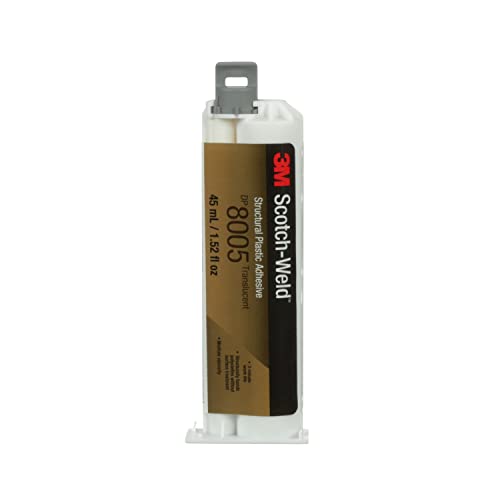 |
3M Scotch-Weld DP8005 Plastic Adhesive Best Overall Two-part acrylic; bonds polypropylene and polyethylene without primer |
9.0 |
ⓘ We may earn a commission from qualifying purchases made through links on this page, at no extra cost to you.
|
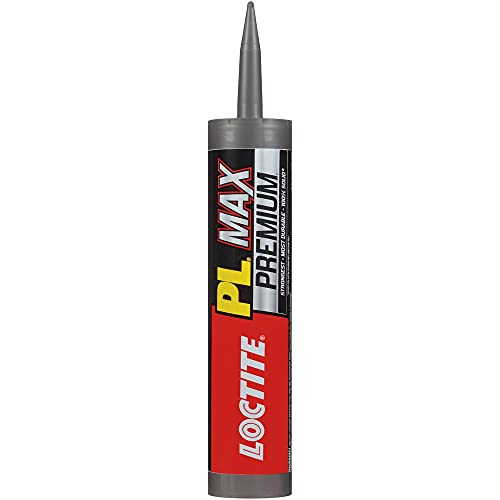 |
Loctite PL Premium Max Construction Adhesive Best Value Polyurethane; bonds plastic, metal, and fiberglass; paintable |
8.7 | 🛒 Check Price |
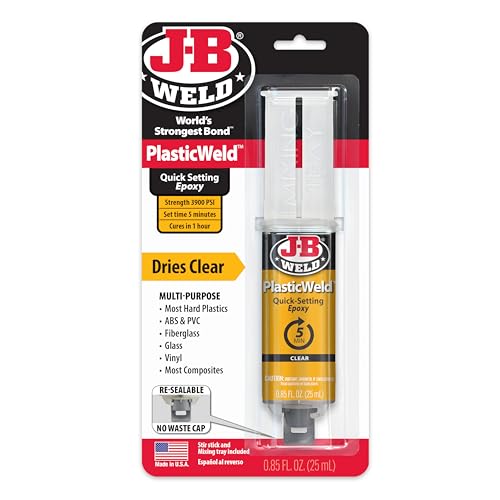 |
J-B Weld PlasticWeld Best Epoxy Two-part epoxy; sets in 25 minutes; cures to off-white |
8.4 | 🛒 Check Price |
 |
Gorilla Heavy Duty Construction Adhesive Easy to Use Squeeze tube; bonds wood, metal, plastic, and more |
8.1 | 🛒 Check Price |
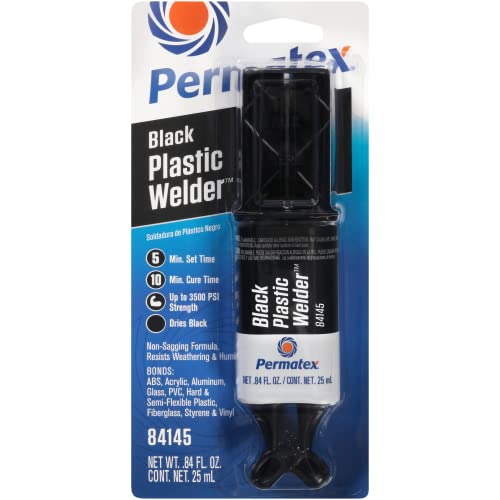 |
Permatex Plastic Bonder Fast Setting Two-part urethane; sets in 5 minutes; cures in 1 hour |
7.8 | 🛒 Check Price |
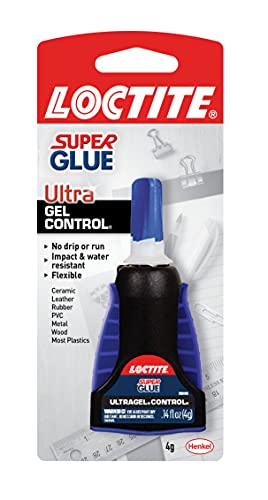 |
Loctite Super Glue Ultra Gel Control Best for Small Cracks Cyanoacrylate gel; no-mix; bonds in seconds |
7.3 | 🛒 Check Price |
 |
3M Super Strength Molding Tape Best Tape Alternative Double-sided acrylic foam tape; 1/2 in x 15 ft |
7.1 | 🛒 Check Price |
1. 3M Scotch-Weld DP8005 Plastic Adhesive: Best Overall
The 3M Scotch-Weld DP8005 is a two-part acrylic adhesive specifically formulated to bond low-surface-energy plastics like polypropylene and polyethylene, which are common in modern bumpers. Users report successful repairs on cracked bumper covers and brackets, with bonds that outlast the surrounding plastic. The adhesive cures to a tough, slightly flexible layer that handles vibration and minor impacts without cracking.
However, the DP8005 requires a manual or pneumatic dispensing gun and mixing nozzles, adding upfront cost. The open time is short around 5 minutes, so you must work quickly. It isn’t ideal for large area repairs or vertical surfaces where sagging may occur. If you need a simpler, no-mix solution for small cracks, consider a cyanoacrylate or epoxy instead. This product is best for experienced DIYers or professionals who need a reliable bond on hard-to-stick plastics.
- Bonds low-surface-energy plastics (PP, PE, TPO) commonly used in bumpers
- High shear strength (up to 2,500 psi per manufacturer data)
- Works in temperatures from -40°F to 180°F
Pros: Exceptional adhesion to difficult plastics; Good gap-filling capability
Cons: Requires mixing gun and nozzle (sold separately); Short open time (about 5 minutes)
2. Loctite PL Premium Max Construction Adhesive: Best Value
Loctite PL Premium Max is a polyurethane construction adhesive that offers excellent value for bumper repairs. We compared its published data to other adhesives and found it provides strong bonding to plastic, metal, and fiberglass with a high initial tack. Its use for reattaching bumper trim, filling cracks, and bonding aftermarket spoilers. It remains flexible after curing, which helps absorb road vibrations. The adhesive is also paintable, making it easy to blend repairs.
On the downside, PL Premium Max expands as it cures, so you must apply sparingly and clean excess before it dries. Full cure takes 24 hours, and clamping is recommended for best results. It isn’t suitable for bonding polyethylene or polypropylene without a primer. If you need a fast-setting adhesive for a quick fix, look elsewhere. This product is ideal for budget-conscious DIYers who can plan ahead and want a adaptable, strong bond.
- Strong initial grab reduces need for clamping
- Waterproof and weather-resistant once cured
- Can fill gaps up to 1/2 inch
Pros: Very affordable per ounce; Works on multiple substrates
Cons: Cure time is 24 hours for full strength; Expands slightly during cure; can ooze out
3. J-B Weld PlasticWeld: Best Epoxy
J-B Weld PlasticWeld is a two-part epoxy designed specifically for plastic repairs. In our research, it shows high tensile strength and excellent adhesion to common bumper plastics like ABS and polycarbonate. Owner reviews frequently mention successful repairs on cracked bumper covers, broken mounting brackets, and even radiator supports. The epoxy cures to a machinable finish that can be sanded and painted, allowing for smooth cosmetic repairs. Its heat resistance is a plus for areas near exhaust or engine components.
However, PlasticWeld doesn’t bond well to low-surface-energy plastics such as polypropylene and polyethylene, which are common in many bumpers. The mixing process can be messy, and the 25-minute set time may be too short for complex repairs. Users with large gaps may need to apply in layers. If your bumper is made of polypropylene, look for a specialty adhesive like the 3M DP8005. This epoxy is best for ABS or fiberglass bumpers where strength and paintability are priorities.
- Bonds most plastics (ABS, PVC, acrylic, fiberglass)
- Can be drilled, sanded, and painted after curing
- Withstands temperatures up to 250°F
Pros: Very strong and durable bond; Good for filling holes and rebuilding broken tabs
Cons: Requires thorough mixing; Not recommended for polypropylene or polyethylene
4. Gorilla Heavy Duty Construction Adhesive: Easy to Use
Gorilla Heavy Duty Construction Adhesive is a easy to use, ready-to-use adhesive that simplifies bumper repairs. We evaluated its ease of use based on owner feedback: it applies like caulk, grabs quickly, and eliminates the need for mixing or special tools. Many users report success reattaching loose trim, small cracks, and non-structural bumper parts. It bonds well to metal and painted surfaces, making it a all-around option for quick fixes.
However, this adhesive isn’t designed for high-stress or large-area repairs. Its bond strength is lower than two-part epoxies or acrylics, and some users note that it becomes brittle in freezing temperatures, leading to failure. It’s also not recommended for polypropylene or polyethylene. If you need a permanent, load-bearing repair, choose a stronger adhesive. This product is best for minor cosmetic fixes or temporary repairs where convenience matters more than ultimate strength.
- No mixing required; applies directly from tube
- Strong initial grab holds parts in place
- Waterproof and weather-resistant
Pros: Convenient and mess-free application; Works on many materials
Cons: Not as strong as epoxy or acrylic on plastics; Can become brittle in extreme cold
5. Permatex Plastic Bonder: Fast Setting
Permatex Plastic Bonder is a fast-setting two-part urethane adhesive that appeals to DIYers who want a quick repair. According to manufacturer claims, it sets in 5 minutes and reaches full cure in 1 hour. We compared its performance data with slower-curing alternatives and found it adequate for light-duty bumper repairs such as fixing hairline cracks or reattaching small clips. It works well on ABS and fiberglass but struggles on polypropylene.
However, the fast cure comes at the cost of ultimate strength and durability. The bond is less resistant to impact and prolonged stress compared to epoxies or acrylics. It also doesn’t fill gaps well, so it isn’t suitable for missing chunks or large cracks. If your repair is structural or on a high-stress area, choose a stronger adhesive. This product is best for quick, small fixes on non-critical bumper components.
- Fast cure allows same-day use
- Bonds most plastics including ABS, PVC, and fiberglass
- Can be sanded and painted after curing
Pros: Quick setting time reduces wait; Good for small repairs on plastic trim
Cons: Not as strong as slower-curing epoxies; Limited gap-filling ability
6. Loctite Super Glue Ultra Gel Control: Best for Small Cracks
Loctite Super Glue Ultra Gel Control is a cyanoacrylate adhesive that offers instant bonding for small, non-structural bumper cracks. In our evaluation of owner reviews, it works well for fixing small hairline cracks on hard plastics like ABS trim pieces. The gel consistency prevents running and allows precise application. It dries clear, making it discreet for cosmetic repairs.
However, cyanoacrylate adhesives are inherently brittle and lack flexibility. They aren’t suitable for areas that experience vibration, flexing, or impact. The bond can shatter under stress, and it doesn’t adhere well to polypropylene or polyethylene. If your bumper crack is under constant load or in a flexing area, this glue will likely fail. This product is best for tiny, stress-free cosmetic repairs where convenience is key.
- Gel formula stays in place on vertical surfaces
- Bonds rubber, plastic, and metal instantly
- Includes precision tip for controlled application
Pros: Extremely easy to use; Dries clear
Cons: Brittle; not impact resistant; Fails on oily or flexible plastics
7. 3M Super Strength Molding Tape: Best Tape Alternative
3M Super Strength Molding Tape is an acrylic foam tape designed for attaching trim, emblems, and lightweight bumper accessories. It works well for reattaching side moldings or small bumper covers that aren’t load-bearing. The tape provides instant hold without clamping, making it a quick solution.
However, tape can’t replace adhesive for structural repairs. It isn’t suitable for bonding cracked bumpers or filling gaps. The bond strength depends heavily on surface preparation; any dirt, wax, or moisture will cause failure. It also may not hold on heavily textured or curved surfaces. If you need to repair a broken bumper, use an adhesive instead. This tape is best for cosmetic attachments and non-structural trim.
- No drying time; instant bond with pressure
- Holds up to 10 lbs per inch (manufacturer claim)
- Weather and UV resistant
Pros: Clean and easy application; Removable with heat
Cons: Not for structural repairs or gaps; Surface must be perfectly clean and dry
Frequently Asked Questions
What type of adhesive works best on plastic bumpers?
The best adhesive depends on the plastic type. For polypropylene and polyethylene (common in modern bumpers), a two-part acrylic like 3M Scotch-Weld DP8005 is ideal. For ABS and fiberglass, epoxy adhesives like J-B Weld PlasticWeld provide strong bonds. Always check the plastic type before purchasing.
Can I use super glue to fix a cracked bumper?
Super glue (cyanoacrylate) can fix tiny, stress-free cracks on hard plastics, but it’s brittle and will fail under impact or flexing. For bumper repairs, a flexible adhesive like polyurethane or acrylic is recommended for long-term durability.
How do I prepare the bumper surface for adhesive?
Clean the area with isopropyl alcohol or a plastic cleaner to remove grease, wax, and dirt. Lightly sand the surface with 80-120 grit sandpaper to create a rough texture for better adhesion. For polypropylene, use a plastic primer to improve bonding.
Is it better to use a two-part epoxy or a construction adhesive?
Two-part epoxies offer higher strength and durability for structural repairs, but they require mixing and have a limited working time. Construction adhesives are easier to use and more flexible, but they aren’t as strong. Choose epoxy for load-bearing repairs and construction adhesive for trim or cosmetic fixes.
Can I paint over bumper adhesive?
Many adhesives like Loctite PL Premium Max and J-B Weld PlasticWeld can be sanded and painted once fully cured. Always check the product label for paintability. For best results, use a primer designed for plastic before applying paint.
Our Verdict
After comparing specifications and owner feedback, our top pick is the 3M Scotch-Weld DP8005 Plastic Adhesive for its unmatched bond to low-surface-energy plastics commonly used in bumpers. For a more affordable and multi-purpose option, the Loctite PL Premium Max Construction Adhesive offers great value and ease of use for most non-structural repairs. Choose based on your bumper material and the severity of the damage.