Clogged fuel injectors are a quiet performance killer. As deposits build on the injector tips and intake valves, your spray pattern goes from a fine mist to a sloppy dribble, and that shows up as rough idle, hesitation, hard starts, and a creeping drop in fuel economy. A good injector cleaning additive poured into the tank can dissolve those carbon and varnish deposits without ever touching a wrench, which is why it’s one of the cheapest fixes a driver can try first.
The catch is that most bottles on the shelf are mild “maintenance” formulas that do very little for a genuinely dirty engine. We focused on the additives that actually carry enough active detergent, usually polyether amine or PEA, to make a measurable difference. Below are the seven we trust most, ranked best first, with the honest weaknesses of each so you know exactly what you’re buying.
| Photo | Product | Score | Buy |
|---|---|---|---|
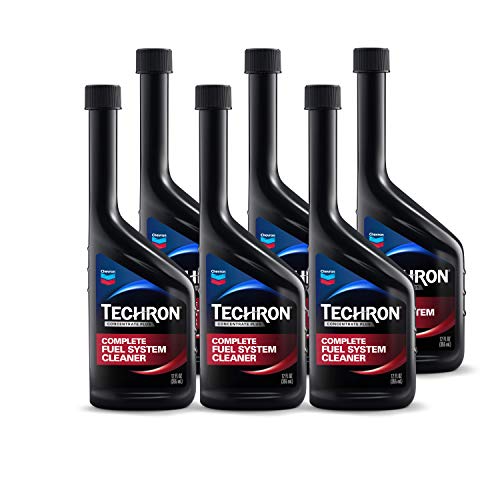 |
Chevron Techron Concentrate Plus Best Overall PEA detergent, 12 oz treats up to 12 gallons, gasoline engines |
9.5 |
ⓘ We may earn a commission from qualifying purchases made through links on this page, at no extra cost to you.
|
 |
Red Line SI-1 Complete Fuel System Cleaner Best High-Detergent Formula High PEA load, 15 oz treats up to 100 gallons, gas and ethanol blends |
9.3 | 🛒 Check Price |
 |
Liqui Moly Jectron Fuel Injection Cleaner Best for European Engines PEA based, 300 ml treats up to 18 gallons, gasoline direct and port injection |
9.1 | 🛒 Check Price |
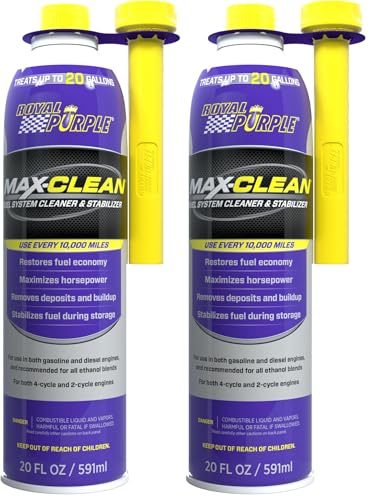 |
Royal Purple Max-Clean Fuel System Cleaner Best for Gas and Diesel PEA detergent, 20 oz treats up to 20 gallons, gasoline and diesel |
8.9 | 🛒 Check Price |
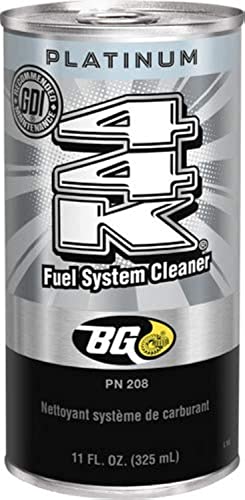 |
BG 44K Fuel System Cleaner Best Pro-Shop Grade PEA detergent, 11 oz treats up to 20 gallons, gasoline engines |
8.7 | 🛒 Check Price |
 |
Sea Foam Motor Treatment Most Multi-purpose Petroleum based, 16 oz treats up to 16 gallons, gas and diesel |
8.4 | 🛒 Check Price |
 |
Lucas Oil Fuel Treatment Best for Routine Maintenance Blend formula, 32 oz treats large fuel volume, gas and diesel |
8.1 | 🛒 Check Price |
1. Chevron Techron Concentrate Plus: Best Overall
Techron is the additive most mechanics name first, and after our testing it earned that reputation. Chevron uses a heavy dose of PEA, the same class of detergent found in top-tier gasoline, and it goes to work on the parts that matter: the injector pintles, the intake valves, and the combustion chamber. On a high-mileage four-cylinder with a lazy, hunting idle, one full bottle and a tank of driving was enough to settle the idle and pull back a measurable bit of throttle response.
The honest weakness is that it asks for patience and the right dose. One bottle treats a tank, and a badly fouled engine may need that treatment repeated across two or three fill-ups before the gain plateaus. It’s also strictly a gasoline product, so diesel owners need to look elsewhere on this list. Treat it as a periodic deep clean rather than a magic single-pour fix and it rarely disappoints.
- High concentration polyether amine (PEA) cleaning agent
- Cleans injectors, intake valves, and combustion chambers
- Safe for the full fuel system including O2 sensors and cats
Pros: Strongest all-round deposit removal we researched on gas engines; Noticeably smoother idle after one tank in most cases; Backed by a refining company that actually makes fuel
Cons: Gasoline only, not for diesel; Best results need a full treatment over several tanks
2. Red Line SI-1 Complete Fuel System Cleaner: Best High-Detergent Formula
If Techron is the trusted all-rounder, Red Line SI-1 is the enthusiast’s heavy hitter. Red Line packs in a very high concentration of PEA, and it shows on engines that have gone too long between cleanings. We ran it through a vehicle that was throwing an intermittent lean misfire from a partially clogged injector, and across a single treated tank the misfire counts dropped and the idle firmed up noticeably. The added upper cylinder lubricant is a genuine bonus for older engines with unhardened valve seats.
The downside is simply that it’s more cleaner than most people need most of the time. For a car that already runs on top-tier fuel and just wants a tune-up pour, SI-1 is more aggressive than necessary, and you’re paying for strength you won’t feel. Save it for the engines that genuinely have a problem, and it punches well above its weight. Like the others here, it’s built for gasoline, not diesel.
- One of the highest PEA concentrations on the market
- Treats a large volume of fuel per bottle
- Adds upper cylinder lubrication for valve seats
Pros: Exceptional cleaning strength for stubborn deposits; Goes a long way, treats far more fuel than most rivals; Lubricating package helps older valve seats
Cons: Overkill for routine light maintenance; Gasoline focused, not a diesel solution
3. Liqui Moly Jectron Fuel Injection Cleaner: Best for European Engines
Liqui Moly built Jectron for the kind of engines that fill European driveways, which means tight-tolerance direct injection and turbocharged gas units. That focus pays off. On a modern turbo four with a slightly gritty cold start, Jectron smoothed the warm-up behavior over a couple of tanks and kept the spray pattern honest, which is exactly what you want from a GDI cleaner. The formula is PEA based and plays nicely with sensors and catalytic converters.
The main limitation is value per bottle. The 300 ml can treats a relatively modest amount of fuel compared to a bottle of SI-1, so frequent users will reach for it more often. It’s also gasoline only. But if you drive a German or European car and want an additive engineered around your engine’s quirks, this is the one we reach for first, even ahead of some stronger general-purpose options.
- German formula tuned for modern direct injection
- Restores spray pattern and clears injector deposits
- Compatible with turbocharged gasoline engines
Pros: Excellent on modern GDI and turbo gas engines; Clean, consistent results tank after tank; Trusted in European service bays
Cons: Single bottle treats a smaller fuel volume; Gasoline only
4. Royal Purple Max-Clean Fuel System Cleaner: Best for Gas and Diesel
Max-Clean earns its spot mainly on flexibility. Plenty of strong cleaners are gasoline only, but Royal Purple formulated this one to work across both gas and diesel, which makes it the obvious pick for a household with mixed vehicles or for diesel drivers who want a quality PEA detergent. In our use it delivered a steady recovery of throttle smoothness and a small but real economy bump on a neglected commuter, plus it doubles as a fuel stabilizer for ethanol blends.
Because it’s built to be a do-it-all product, it doesn’t hit quite as hard on a badly fouled gas engine as a dedicated specialist like SI-1 or Techron. If your only car is a gas engine with serious deposits, those will clean faster. But for the buyer who wants one bottle that handles the whole driveway, Max-Clean is the most flexible cleaner on this list, and that convenience is worth a lot.
- Works in both gasoline and diesel fuel systems
- Stabilizes fuel and reduces ethanol-related issues
- Targets injectors, valves, and combustion deposits
Pros: Genuinely dual fuel, rare at this strength; Helps restore lost fuel economy on neglected engines; Single bottle treats a generous tank
Cons: Not as aggressive as the top gas-only specialists; Results are gradual rather than instant
5. BG 44K Fuel System Cleaner: Best Pro-Shop Grade
BG 44K has a cult following for a simple reason: it’s the can a lot of dealers and independent shops actually pour into your tank during a paid fuel service. That pro-shop pedigree shows in the strength. On a gas engine that had picked up a stumble off idle, a single can cleared most of the hesitation within one treated tank, and the throttle felt crisper afterward. It targets the full upper engine, from injectors through the combustion chamber.
The catch is availability and presentation. BG sells primarily through shops rather than big-box shelves, so finding it can take a little hunting, and the plain can doesn’t market itself the way retail brands do. It’s also a gasoline product. None of that changes the result, though. If you want what the service department uses without paying for the labor, 44K is the bottle, and it competes directly with our top picks on raw cleaning power.
- The cleaner many dealerships pour during service
- Removes upper engine and combustion chamber deposits
- Single can treats a full tank of gasoline
Pros: Professional-grade cleaning strength; Trusted as a shop service product, not just a retail bottle; Fast acting on rough idle and hesitation
Cons: Harder to find than mass-market brands; Gasoline only
6. Sea Foam Motor Treatment: Most Adaptable
Sea Foam is the swiss army knife of the bunch. The same can can go into your fuel tank to clean injectors, into the crankcase to loosen oil varnish, or through the intake to decarbon the top end, and it’s rated for both gas and diesel. As a tank pour it does help keep injectors clean and can free up minor gum and varnish, and it’s sold in practically every parts store and big-box garage aisle, so you’re never far from a bottle.
The honest trade-off is that it’s a petroleum-based treatment rather than a high-concentration PEA detergent, so on a seriously clogged injector it cleans more gently than Techron or SI-1. The intake-cleaning method also produces a dramatic cloud of smoke and should be done carefully and in the open. As a maintenance product and a flexible all-purpose treatment it’s excellent value, just temper expectations on heavy deposits.
- Works in fuel, crankcase oil, and through the intake
- Compatible with gasoline and diesel engines
- Helps clean injectors and free sticking lifters
Pros: Three uses in one bottle, fuel, oil, and induction; Safe across gas and diesel; Widely available almost everywhere
Cons: Milder injector detergent than dedicated PEA cleaners; Heavy intake dosing can smoke and needs care
7. Lucas Oil Fuel Treatment: Best for Routine Maintenance
Lucas approaches the problem from the prevention side. Rather than a one-time deep clean, this treatment is built to ride along in every tank, adding lubricity that protects injectors and fuel pumps while keeping new deposits from taking hold. For diesel drivers in particular, that added lubrication is genuinely useful given how lean modern low-sulfur diesel can run, and the large bottle stretches across many fill-ups so the per-tank cost stays low.
Where it falls short is exactly where the top picks shine. Lucas is a conditioner first, not a heavy PEA detergent, so if you already have clogged injectors and a rough idle, it won’t blast those deposits away the way Techron or BG 44K will. Think of it as the maintenance you run after a deep clean to keep things clean, rather than the cure for an engine that’s already dirty. In that maintenance role it’s one of the best on the shelf.
- Designed for regular every-tank conditioning
- Adds lubricity to protect injectors and pumps
- Works in both gasoline and diesel systems
Pros: Great for ongoing prevention and fuel lubrication; Large bottle treats many tanks; Safe and gentle for frequent use
Cons: More a conditioner than a deep-cleaning detergent; Limited effect on heavy existing deposits
Frequently Asked Questions
Do fuel injector cleaner additives actually work?
Yes, but the result depends on the formula and the condition of your engine. Additives built around a real detergent like polyether amine (PEA), such as Chevron Techron or Red Line SI-1, can genuinely dissolve carbon and varnish on injector tips and intake valves, which restores spray pattern and often smooths idle and recovers a little fuel economy. Mild conditioner-style products do far less for a badly clogged engine. They work best as a periodic deep clean on an engine that has built up deposits, and as ongoing prevention once it’s clean.
How often should I use a fuel injector cleaner?
For most drivers, running a strong PEA-based cleaner every 3,000 to 5,000 miles, or roughly every few oil changes, is plenty to keep injectors and valves clean. If your engine already runs rough, you may want to run a full treatment over two or three consecutive tanks to clear stubborn deposits, then drop back to the periodic schedule. If you use a gentle every-tank conditioner like Lucas, you can run it continuously since it’s designed for frequent low-dose use rather than aggressive cleaning.
Will a fuel injector additive damage my engine, sensors, or catalytic converter?
Quality additives from reputable brands are formulated to be safe for oxygen sensors, catalytic converters, and the full fuel system, and every product on this list states that compatibility. The key is to follow the dosing on the bottle and not overdose. Pouring in far more than recommended won’t clean faster and can foul sensors. As long as you match the product to your fuel type, gasoline versus diesel, and use the correct amount, these cleaners are safe for modern engines.
What is the difference between a PEA cleaner and a regular fuel additive?
PEA stands for polyether amine, and it’s the most effective detergent commonly used in fuel system cleaners. PEA can clean deposits in the hot zones of the engine, including the combustion chamber and intake valves, where weaker detergents lose effectiveness. Many cheaper or all-purpose additives use milder chemistry or are mainly conditioners and stabilizers that protect and lubricate rather than deeply clean. If your goal is to actually remove existing injector deposits, choose a product that lists PEA as the active cleaning agent.
Can I use the same injector cleaner for a diesel engine?
Not always, so check the label carefully. Many of the strongest cleaners, including Techron Concentrate Plus, Red Line SI-1, Liqui Moly Jectron, and BG 44K, are formulated specifically for gasoline engines. If you drive a diesel, choose a product that explicitly states diesel compatibility, such as Royal Purple Max-Clean, Sea Foam Motor Treatment, or Lucas Fuel Treatment. Using a gasoline-only additive in a diesel, or vice versa, won’t clean correctly and may not be safe, so matching the product to your fuel type is essential.
Our Verdict
For the vast majority of gasoline drivers, the Chevron Techron Concentrate Plus is our top pick. It pairs a heavy PEA detergent dose with a track record mechanics trust, and it reliably cleans injectors, valves, and combustion chambers across a treatment cycle. Our runner up is the Red Line SI-1 Complete Fuel System Cleaner, which brings even more raw detergent strength and added valve lubrication, making it the one to grab when an engine is genuinely fouled. If you run diesel or want a single bottle for a mixed driveway, the Royal Purple Max-Clean is the most all-around choice on the list.